

However, the challenges are also significant, requiring businesses to develop supply chains, minimize costs to increase competitiveness, and diversify markets to maintain export growth in the future.
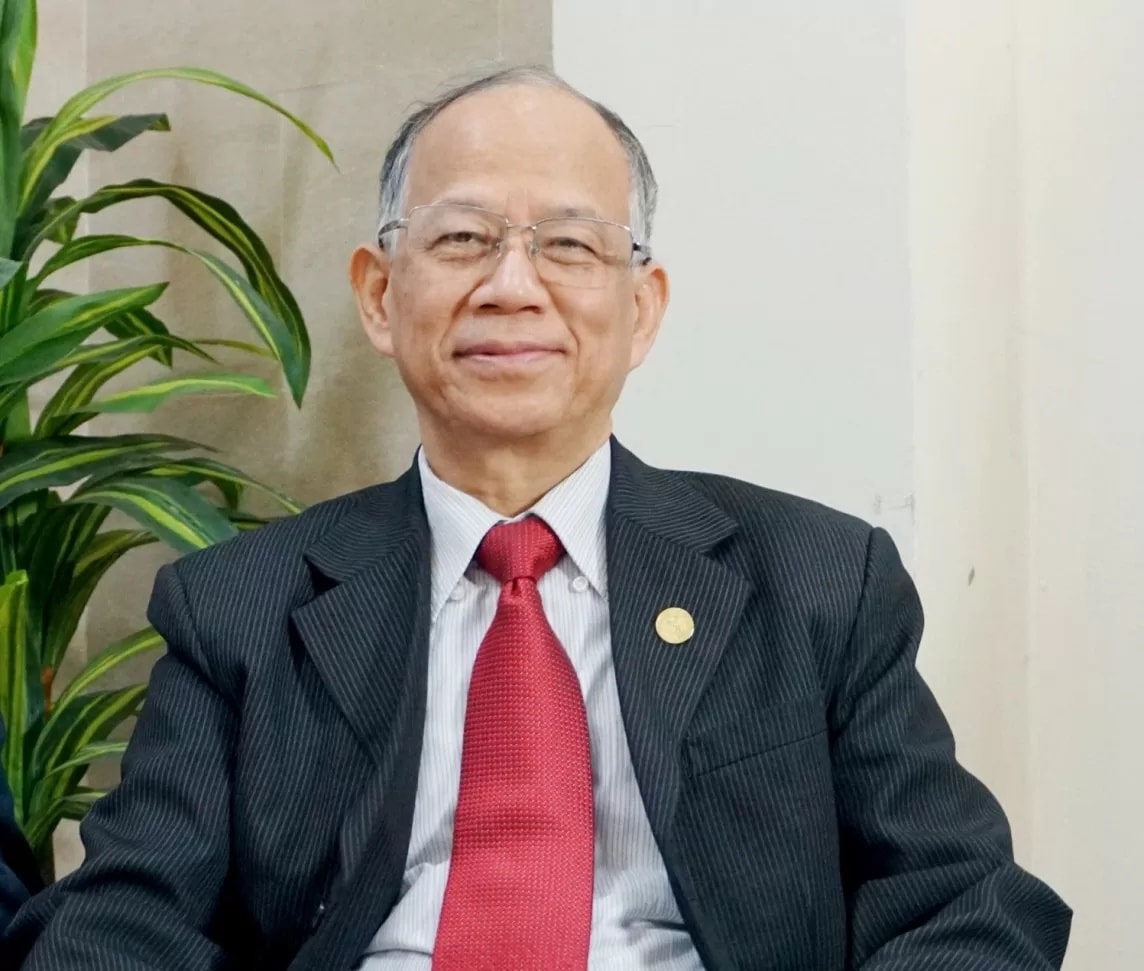
Economist , Dr. Nguyen Minh Phong: The beginning of the signing of the Vietnam-US Bilateral Trade Agreement.
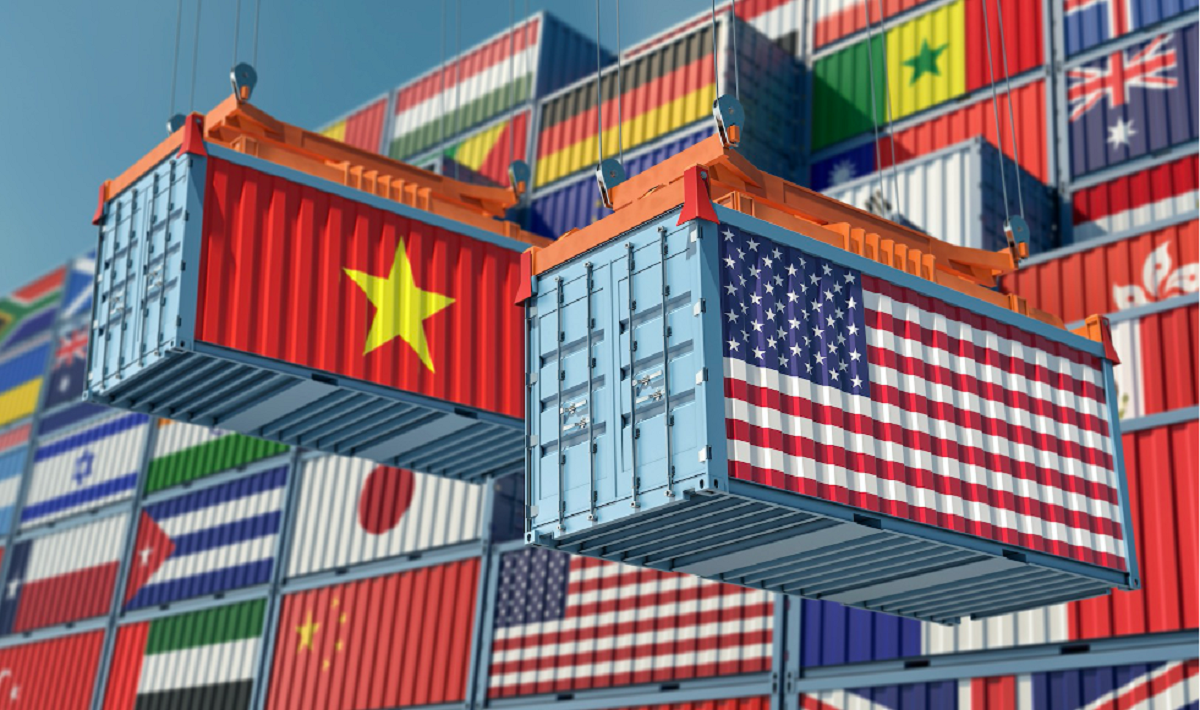
According to information shared by US President Donald Trump on social media regarding the trade agreement with Vietnam, it appears that three levels of tariffs will be applied to Vietnamese goods.
That's 10% for products that can prove 100% of their materials originate from Vietnam; 20% for most other products; and 40% for goods in transit.
This is a rather favorable outcome after many rounds of negotiations between Vietnam and the United States, especially the direct phone calls between General Secretary To Lam and US President Donald Trump.
This will be the starting point for the larger issue of Vietnam and the United States signing a fairer and more sustainable bilateral trade agreement.
In my opinion, this tax rate could still increase the competitiveness of Vietnamese goods compared to other countries, but it also affects some industries, particularly the textile and garment sector, which may be negatively impacted due to the low level of localization of raw materials and components.
To adapt and overcome these barriers, I believe businesses need to restructure their supply chains to reduce the proportion of foreign content, thereby lowering taxes, while also reviewing and minimizing costs to balance profits with the new tax rates.
Businesses should also negotiate with their US import partners to share some of the risks. In the long term, businesses should diversify their markets, not relying solely on the US, to minimize risks. In the current context, authorities need to listen to the opinions of businesses and support them in overcoming the immediate challenges.
Mr. Luu Hai Minh, Chairman of the Board of Directors of Nhat Hai New Technology Joint Stock Company - founder of the OIC NEW brand: The tax rate is favorable for goods that are 100% Made in Vietnam.
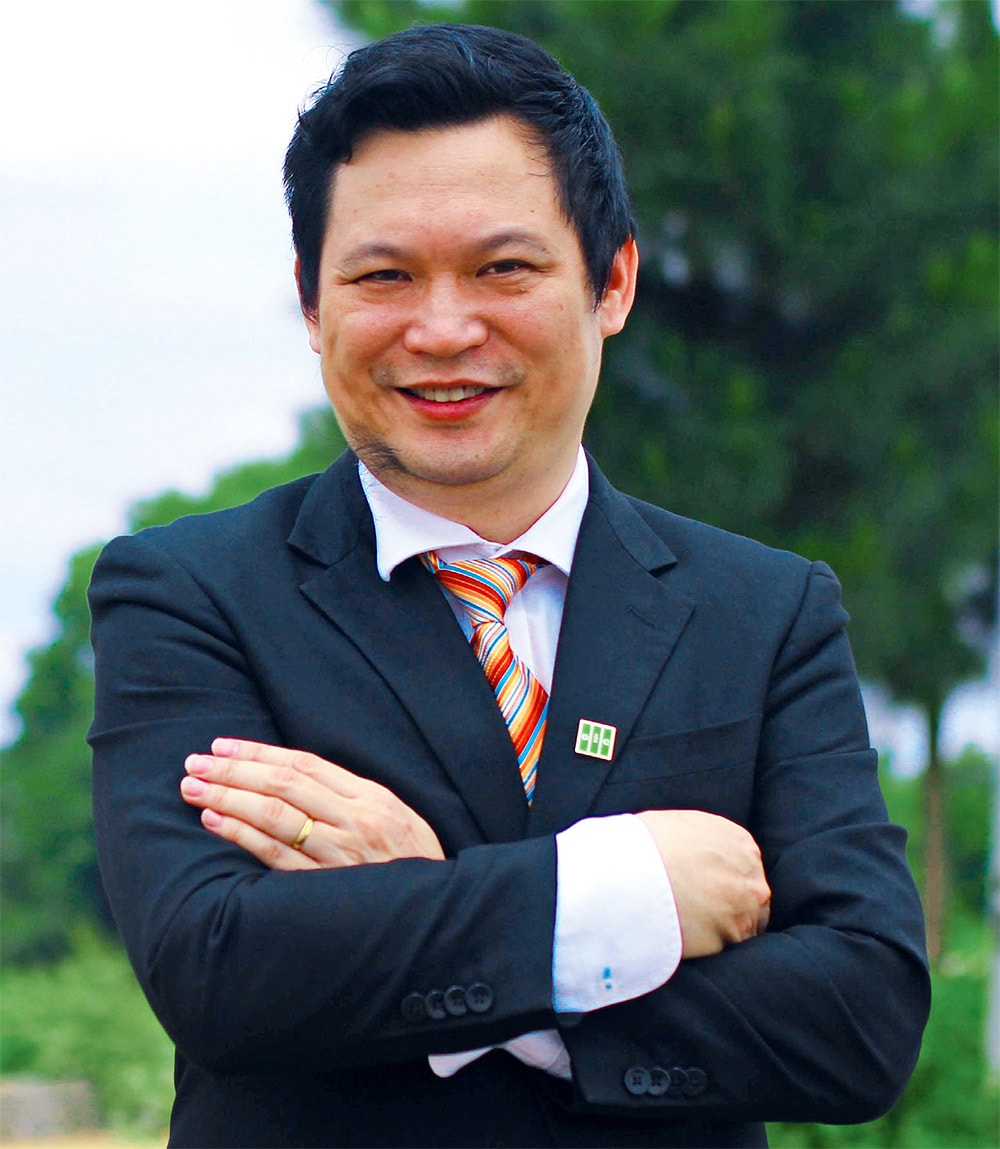
After US President Donald Trump announced the trade agreement with Vietnam on social media, and especially after last night's phone call between General Secretary To Lam and US President Donald Trump, as a business exporting to the US market, we are very excited.
If the tariffs are officially implemented, especially for products that can prove 100% of their materials originate from Vietnam, the tax could be reduced to 10%, creating a significant advantage for businesses exporting "Made in Vietnam" products.
Conversely, if import tariffs on goods from the US are reduced to zero, it will create favorable conditions for businesses to increase imports of machinery and equipment, invest in production and business, thereby improving the quality and competitiveness of businesses.
In addition to the many solutions already implemented to ensure stable exports to the US market, businesses will carefully research information and tax-related sectors to find appropriate solutions.
Specifically, to achieve the 10% tariff rate when proving origin, we will continue to strengthen a stable supply chain, develop raw material areas, and improve product quality to increase competitiveness in the US market.
Nguyen Quang Huy, Executive Director of the Faculty of Finance and Banking (Nguyen Trai University): The first step towards a phase of high-quality, deep, and proactive integration.

The phone call between US President Donald Trump and General Secretary To Lam marked the two countries reaching a strategic bilateral trade agreement. Under this agreement, Vietnam will be subject to a 20% tariff on goods exported directly to the United States and a 40% tariff on goods transiting through a third country.
A 20% tariff, if implemented, would be significantly lower than the 46% announced by the US and also lower than the 40% currently being considered for transit goods. It should also be noted that, while a 20% tariff isn't the lowest, Vietnamese businesses still have a clear competitive advantage compared to competitors facing a 40% tariff.
This agreement, in a broader sense, is a clear recognition by the United States of Vietnam's genuine and transparent manufacturing capabilities, marking the beginning of a phase of high-quality, deep, and proactive integration.
The trade agreement also opens up a stable, long-term export corridor to the US – the world's largest and most demanding consumer market. However, businesses need to diversify their export market and product portfolios to avoid over-reliance and mitigate risks.
In the context of increasingly stringent rules of origin, businesses must proactively increase the localization rate from 60% to close to 100% in certain sectors. This is not only a trade defense measure, but also a path to forming an independent, sustainable, and high-quality production ecosystem.
Negotiating bodies continue to play a role in reviewing, recommending, and negotiating to further optimize tariff levels, while strengthening the legal position of Vietnamese goods.
The government needs to accelerate the implementation of policies supporting high-quality FDI, prioritizing projects with spillover effects, technology transfer, and contributions to sustainable development goals. Public-private partnership mechanisms, industry cluster models, and national innovation centers need to be elevated to a strategic level.
It can be said that the phone call between US President Donald Trump and General Secretary To Lam was not just a diplomatic-economic event, but a milestone in establishing Vietnam's new role on the global map: from a manufacturing nation to a smart manufacturing nation with a distinct economy; from a "participant" to a "game-changer".
Source: https://hanoimoi.vn/muc-thue-du-kien-20-doanh-nghiep-tin-thach-thuc-nhieu-song-co-hoi-cung-khong-it-707924.html
![[Photo] National Assembly Chairman Tran Thanh Man working with the Standing Committee of the Economic and Financial Committee](https://vphoto.vietnam.vn/thumb/1200x675/vietnam/resource/IMAGE/2026/05/20/1779249584387_ndo_br_1-jpg.webp)

![[Photo] General Secretary and President To Lam presides over a meeting on assessing national development resources.](https://vphoto.vietnam.vn/thumb/1200x675/vietnam/resource/IMAGE/2026/05/20/1779253785852_a1-bnd-2943-8519-jpg.webp)




































































Comment (0)