

 |
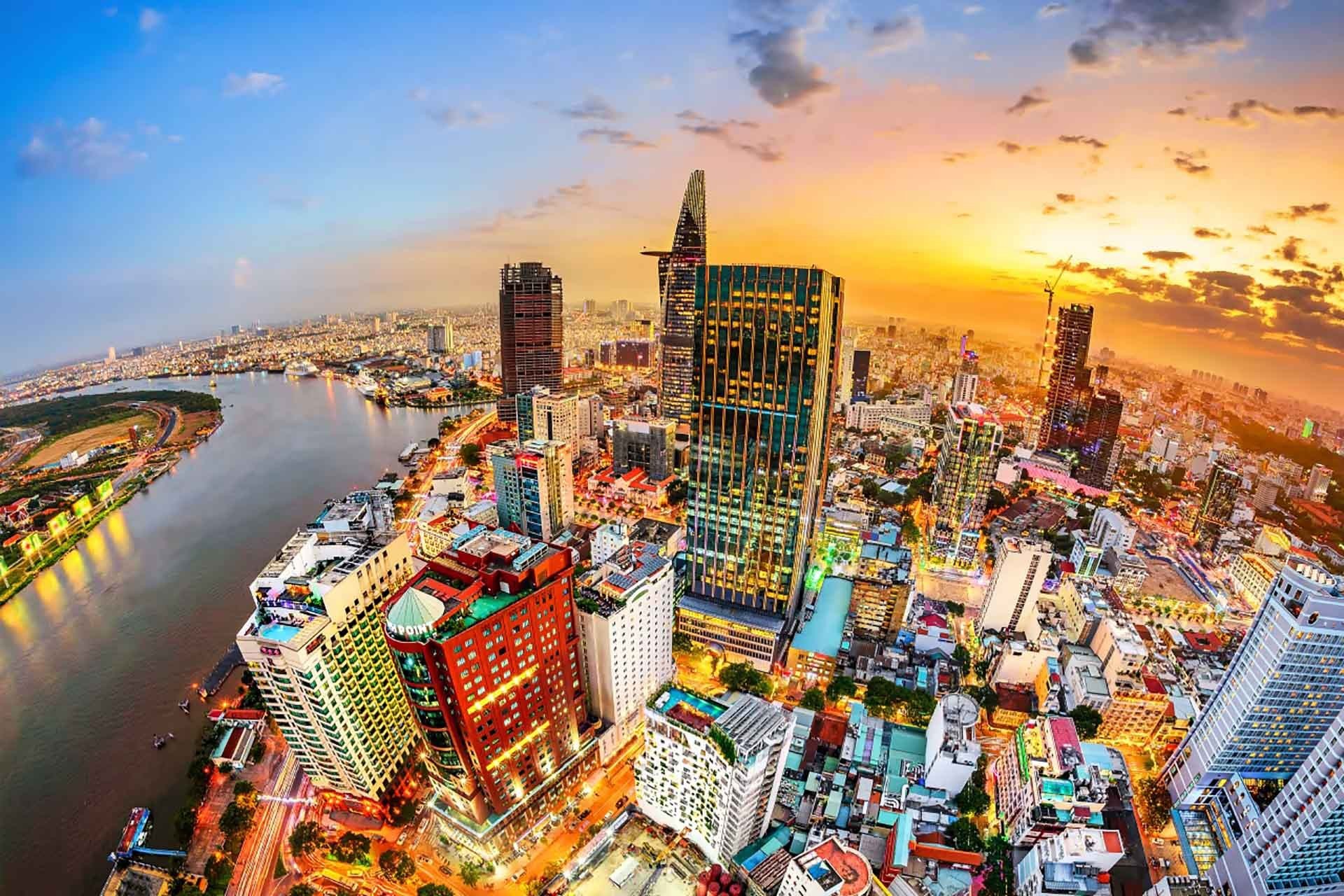
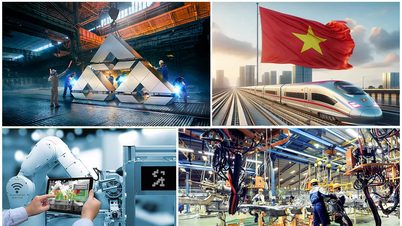
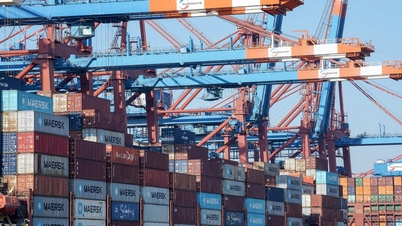
| Vietnam has moved up four places in the economic freedom index. (Source: Getty Image) |
Thus, internationally, Vietnam's economic freedom index has been recognized as having made significant improvements. This is good evidence to affirm that the Vietnamese economy operates fundamentally according to market mechanisms.
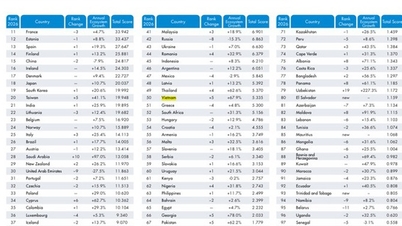
This increase is relatively high compared to other countries in Southeast Asia. Of course, when comparing rankings within ASEAN-6, Vietnam's economic freedom still lags behind Singapore, Malaysia, Thailand, the Philippines, and Indonesia; requiring further economic reforms to achieve a higher ranking.
Furthermore, strengthening cooperation and learning from the experiences of ASEAN neighbors is also very important, especially with Malaysia, ranked 56th in the world with an economic freedom index of 7.19, or Singapore, which continues to top the list with the highest index in the world (8.56 points).
Although Vietnam's ranking is still low, it has improved significantly compared to 2019 – rising 19 places in two years. The economy has shown a steady upward trend since 2015, partly reflecting sound economic policies and demonstrating the government 's efforts in restructuring towards a fully developed market economy and international integration.
Scores increased in 4 out of 5 key component indicators. Specifically, the legal system and property rights (ranked 77th) rose from 4.96 to 5.15 points; good currency (ranked 128th) increased from 6.96 to 7.02 points; international free trade (ranked 98th) increased from 6.4 to 6.52 points; and regulations on credit, labor, and business (ranked 103rd) increased from 6.08 to 6.10 points.
Both domestic and international economic experts believe that Vietnam is likely to maintain high growth momentum in the future, despite facing numerous difficulties and challenges. Therefore, Vietnam still needs to continue taking the right steps to seize future opportunities and manage risks.
The Global Economic Freedom Index measures the economic freedom of individuals – their ability to make their own economic decisions – by analyzing the policies and institutions of 165 countries and territories. Specifically, the institutions and policies examined range from government regulations and international trade freedom to the size of government, legal systems and property rights, and sound monetary policies.
A comprehensive review of Vietnam's Global Economic Freedom Index, along with detailed analysis of each indicator in relation to other comparable countries, is essential. This will lead to numerous policy recommendations from experts to help Vietnam improve its indicators and open up opportunities to achieve new goals in the future through promoting economic freedom.
Source
![[Image] "Journey of Hope" promotes the organ and tissue donation movement in Vietnam.](https://vphoto.vietnam.vn/thumb/1200x675/vietnam/resource/IMAGE/2026/05/20/1779294400833_1-8910-jpg.webp)

![[Photo] National Assembly Chairman Tran Thanh Man working with the Standing Committee of the National Assembly's Delegation Affairs Committee.](https://vphoto.vietnam.vn/thumb/1200x675/vietnam/resource/IMAGE/2026/05/20/1779294340023_ndo_br_1-1691-jpg.webp)
![[Photo] General Secretary and President To Lam works with the Party Committee of the Ministry of Health on the work of Vietnamese traditional medicine.](https://vphoto.vietnam.vn/thumb/1200x675/vietnam/resource/IMAGE/2026/05/20/1779294323718_a1-bnd-2978-3319-jpg.webp)





























































Comment (0)