 |
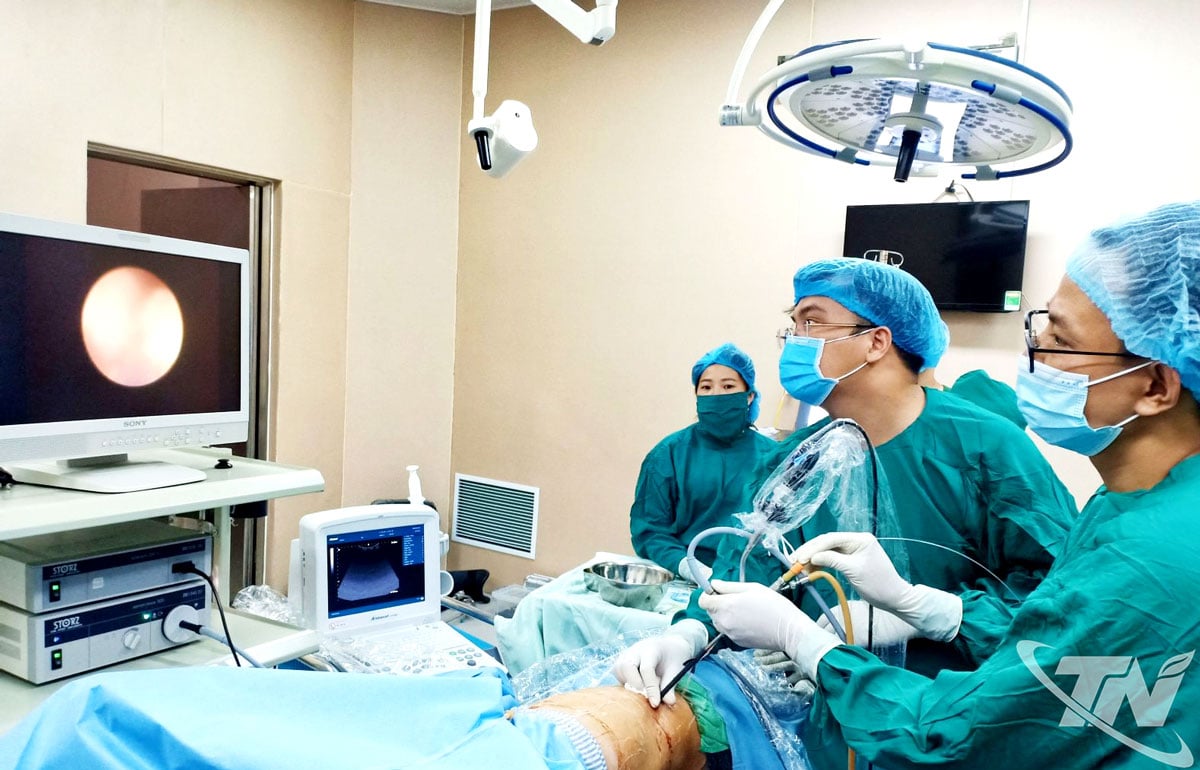
| The application of modern techniques, advanced technological solutions, and the dedication of the medical staff at Bac Kan General Hospital have contributed to improving the quality of medical examination and treatment for the people. Photo: Provided |
Pay attention to the regulations and policies for the staff.
Based on resolutions and plans from the Central and provincial authorities, the Thai Nguyen Department of Health has emphasized to the entire sector that healthcare in ethnic minority areas is a central and continuous task. Major policies such as Resolution No. 10/NQ-CP on the Strategy for Ethnic Minority Affairs; regulations on the demarcation of ethnic minority and mountainous regions; and programs to improve people's health... have all been concretized into implementation plans suitable to the conditions of each locality.
The health sector closely coordinates with all levels, sectors, and organizations in implementing ethnic policies; requiring cadres from the provincial to the grassroots level to enhance their responsibility when working in remote areas, mountainous regions, and security zones.
The province fully implements the regulations for medical staff working in particularly difficult areas as stipulated by the Government. The system of allowances and professional incentives helps staff feel secure in staying at their stations, contributing to improving the quality of services at the grassroots level.
 |
| Doctors and medical staff at Ba Be Medical Center have mastered many new techniques, helping to improve the quality of their professional work. |
The health sector also focuses on training and professional development, especially for staff from ethnic minority groups. Currently, the province has over 3,100 health workers from ethnic minority groups, accounting for 47.2%. This is a crucial force in communicating with and understanding local customs, supporting health education and care for the community.
At Luc Binh Health Station (Phu Thong commune), Doctor Dong Thi Tuyen said: The medical staff want to participate in more training courses to improve their professional skills, thereby serving the people better.
Strengthening the primary healthcare network
During the period 2021-2025, the province's healthcare system will be streamlined and improved for greater efficiency. Priority will be given to investing in primary healthcare facilities in ethnic minority areas and safe zone communes. Currently, the province has 1 central-level hospital, 8 provincial-level hospitals, 20 district-level health centers, and 280 commune health stations.
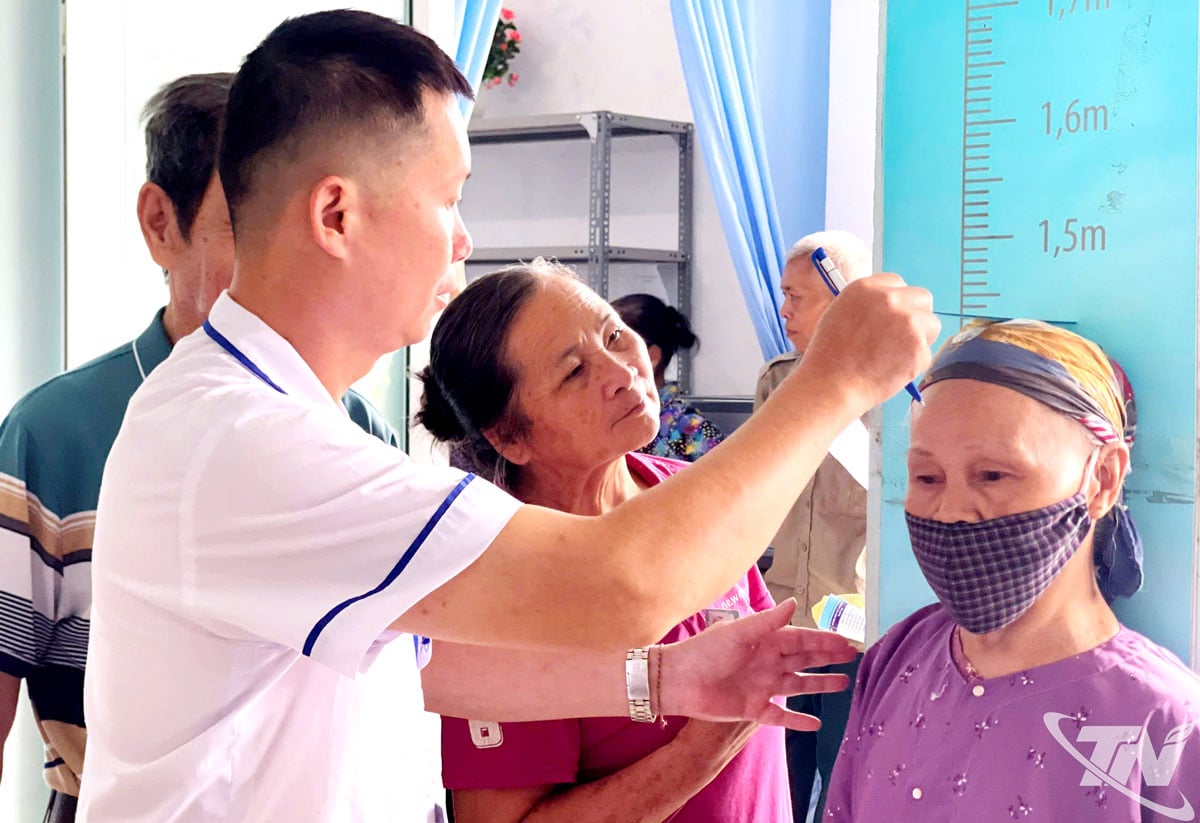 |
| Staff at Bach Thong Medical Center conduct health checkups for the elderly. |
In particular, 100% of commune-level health stations have been modernized, meeting the national criteria, making it easier for people in disadvantaged areas to access primary healthcare services. The Provincial Center for Disease Control (CDC) is ranked first and is among the top in the country in meeting national standards for preventive medicine, making a significant contribution to disease prevention and control...
The percentage of villages with regularly active health workers continues to be maintained, effectively supporting health communication and counseling to each household. Mr. Nong Van Dong, Head of the Population and Communication Department (Pac Nam Health Center), said: Thanks to the synchronized implementation of policies, the awareness of people in the Pac Nam highlands has improved significantly. Communication work has been strengthened through small group activities and skills training for village officials and women's associations.
Health insurance policy is a key solution to support people in disadvantaged areas. The health sector, in coordination with the Social Insurance agency and local authorities, promotes and encourages people to participate in health insurance. Currently, nearly 1.6 million people in the province participate, reaching 93.3% of the population, with a target of 95% by 2025; 100% of medical facilities have connected to the electronic claims processing portal, facilitating the use of health insurance for patients.



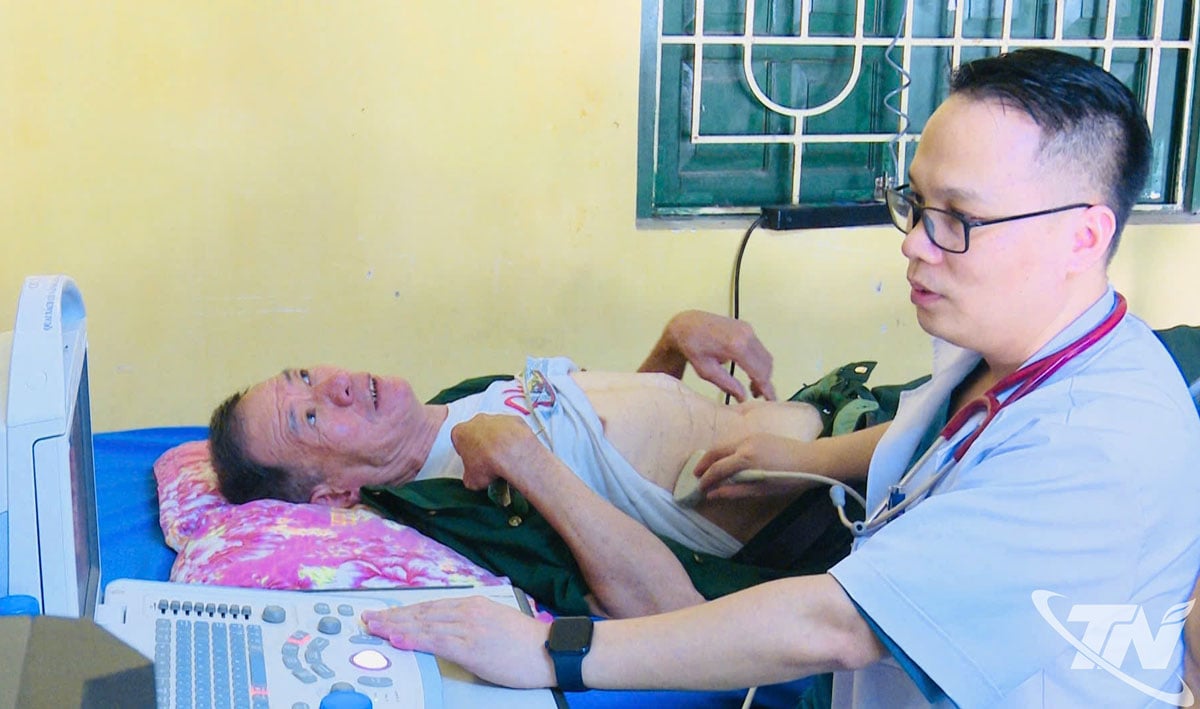 |
| Residents of Phong Quang commune are receiving medical examinations from doctors at higher-level hospitals using modern equipment right in their local area. |
Ms. Dang Thi Mai, a Dao ethnic woman from Cho Don commune, shared: "Thanks to health insurance, going to the doctor is less expensive, and having a health station near my home is very convenient."
Sharing the same view, Ms. Trieu Thi Mui from Na Ri commune said: Thanks to regular check-ups, her joint pain has improved significantly, helping her health to be more stable over the past two years.
Implementing Project 7 under the National Target Program for socio -economic development in ethnic minority and mountainous areas, the Thai Nguyen Health Department has carried out many activities to improve population quality, improve nutrition, and prevent child malnutrition. The rate of underweight malnutrition among ethnic minority children under 5 years old has decreased to approximately 9.4%.
The policy of supporting ethnic minority women from poor households who give birth in accordance with population policies continues to be implemented. From 2015 to the present, Thai Nguyen and Bac Kan provinces (before the merger) have paid support to 5,549 beneficiaries with a total budget of over 11 billion VND.
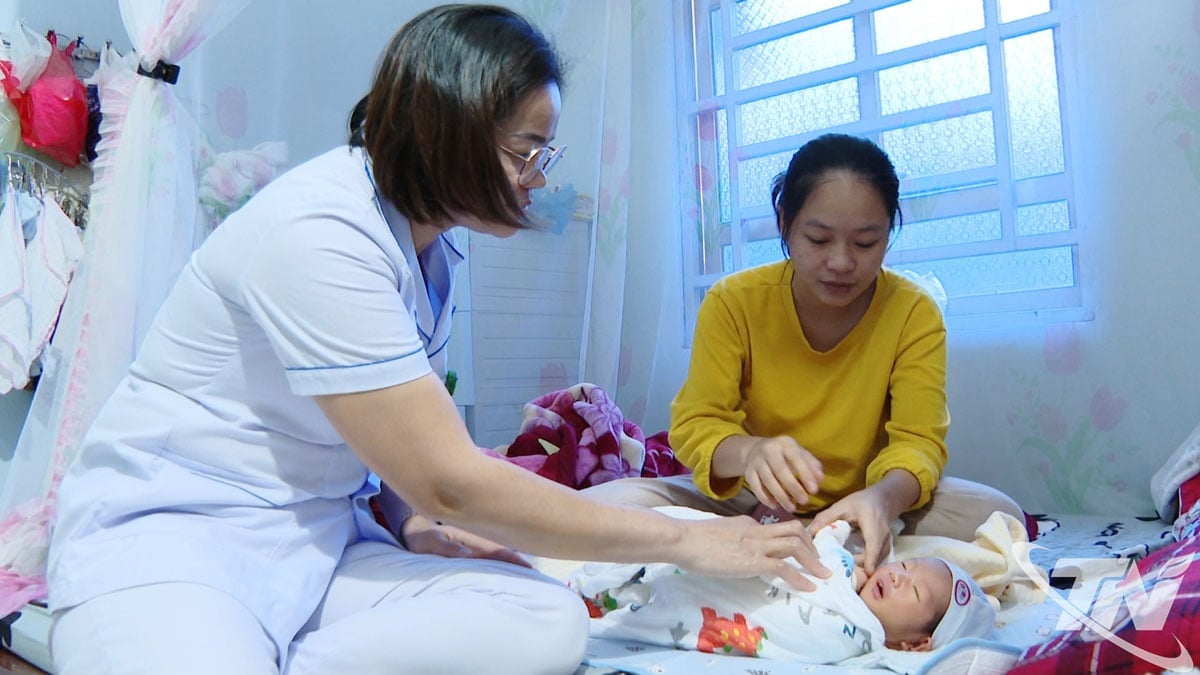 |
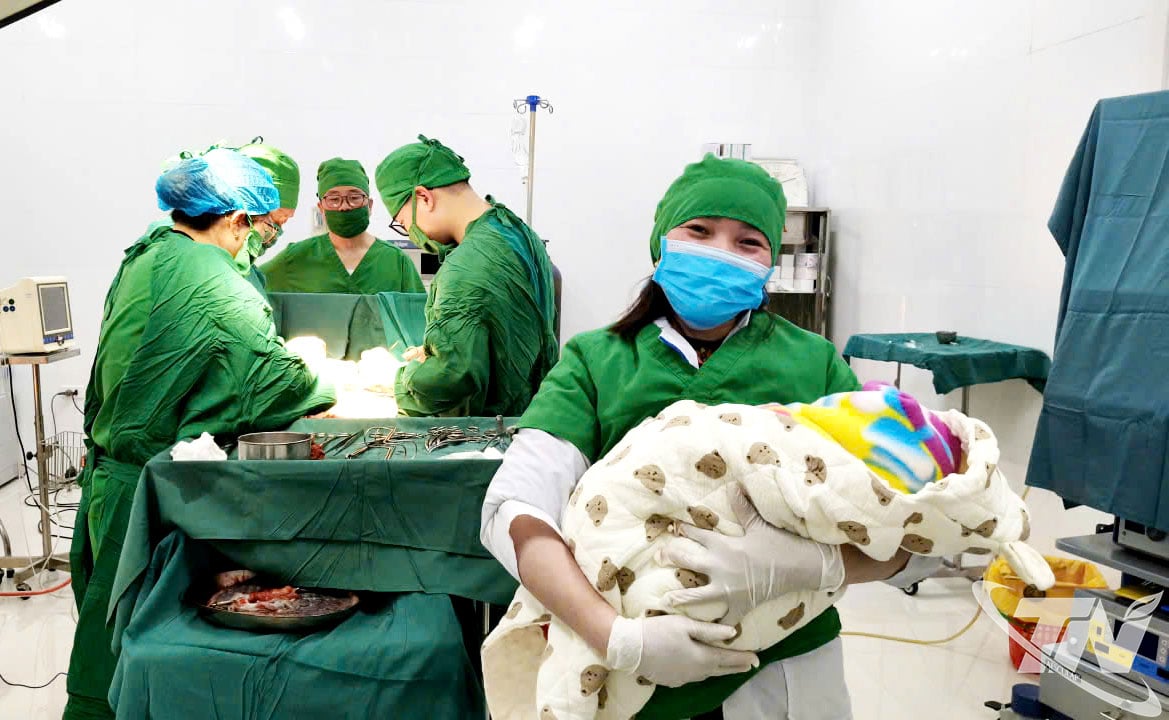
| Healthcare workers visited homes in Khau Ca village (Cam Giang commune) to provide guidance on postpartum care for mothers and babies. |
Ms. Truong Dieu Linh, from Khau Ca village, Cam Giang commune, shared: "After giving birth, I received visits from health station staff who came to my home to check on me and guide me on caring for both mother and baby, which helped me feel more at ease in the first few days."
Many solutions to improve service quality.
Despite achieving many positive results, healthcare in ethnic minority and mountainous areas still faces numerous challenges: people's access to specialized medical services remains limited. Some health stations lack equipment and highly specialized personnel.
Outdated customs and practices, along with insufficient awareness of nutrition and reproductive health, have slowed the improvement of many health indicators. Investment in primary healthcare remains limited, and policies to attract healthcare professionals to remote areas still need further refinement. Public awareness campaigns are sometimes not tailored to the local culture and language, resulting in low effectiveness.
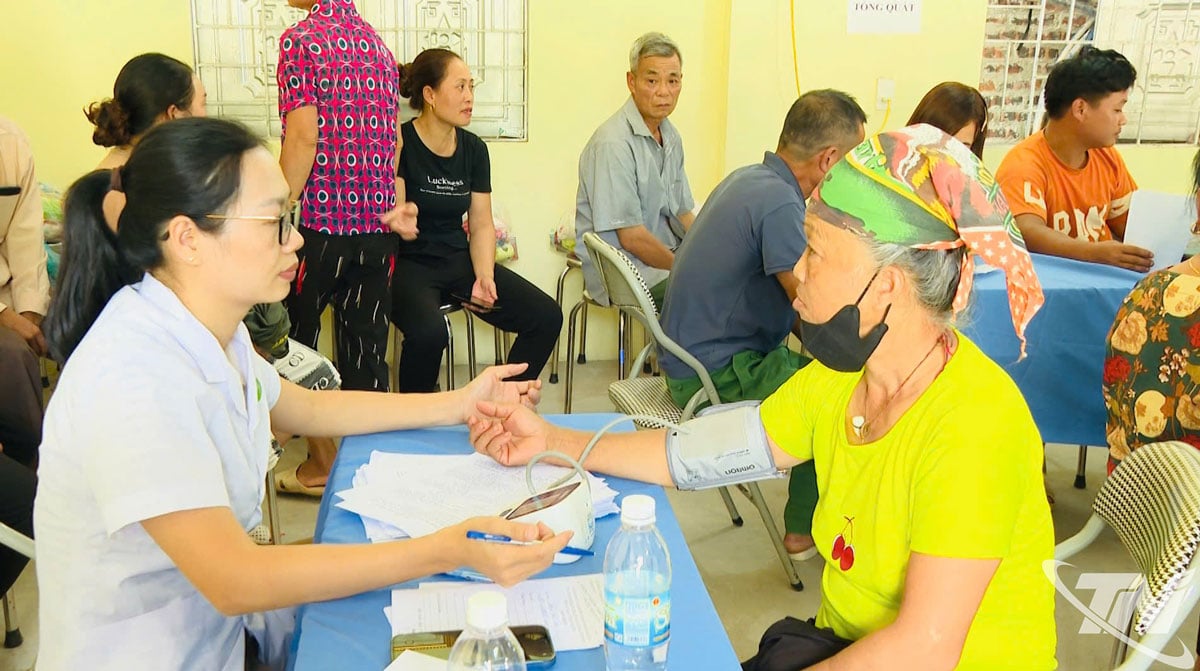 |
| Residents of Cao Minh commune receive medical treatment covered by health insurance. |
Based on the review results from 2021-2025, the health sector has proposed several solutions to improve the quality of healthcare services in ethnic minority areas in the coming period. The province aims to increase the health insurance coverage rate to over 95% by 2026 and move towards universal coverage by 2030.
The grassroots healthcare network will continue to be strengthened, ensuring that 100% of commune-level health stations have sufficient facilities, equipment, and personnel; striving to have 4-5 doctors at each station by 2027. The rate of health insurance coverage for medical examinations and treatments at the commune level will increase to over 20%.
The Department of Health has recommended that the central government maintain and improve the policy of supporting healthcare workers in disadvantaged areas, and has also requested the province to prioritize resources for grassroots healthcare. Mr. Dinh Manh Cuong, Deputy Director of the Department of Health, stated: "The early completion of regulations on the functions and tasks of health stations and health centers will provide the sector with a basis for effective implementation, contributing to improving the quality of healthcare for the people, especially in remote and disadvantaged areas..."


With concrete and synchronized steps from policy to implementation, the health policy for ethnic minority and mountainous areas in Thai Nguyen continues to be effective, creating a foundation for improving health, enhancing living standards, and promoting sustainable development in these disadvantaged areas.
Resolution No. 72 NQ/TW dated September 9, 2025, of the Politburo sets the goal of protecting, caring for, and improving the health of the people, considering grassroots healthcare as the foundation and the people as the center. In particular, developing healthcare in remote areas, mountainous regions, and areas inhabited by ethnic minorities is identified as a priority task. The resolution sets targets for 2026, aiming for at least one annual health check-up or screening for all citizens, over 95% of the population to be covered by health insurance, and universal health insurance by 2030. Regarding primary healthcare, 100% of commune health stations must receive investment in facilities, equipment, and personnel, with each station having a minimum of 4-5 doctors, while also increasing the rate of people using health insurance-covered medical services at these stations. Key solutions include strengthening preventive healthcare, improving infrastructure, increasing human resources and providing special incentives for healthcare workers in disadvantaged areas, mobilizing social and budgetary resources for comprehensive investment, implementing digital healthcare and electronic health records, integrating traditional and modern medicine, and promoting health education, communication, and proactive disease prevention. The resolution emphasizes that implementing these solutions will reduce the healthcare disparity between developed and disadvantaged areas, making it easier for people in remote areas to access quality healthcare services and improving the overall public health. |
Source: https://baothainguyen.vn/y-te/202512/nang-cao-chat-luong-y-tevung-kho-413390a/

![[Image] Overview of the construction site for the underground station of metro line 5 at the Hanoi Ring Road 1 intersection.](https://vphoto.vietnam.vn/thumb/1200x675/vietnam/resource/IMAGE/2026/07/03/1783065595682_ndo_br_z7974930852369-100ca093c306e72675f1d3700966a86b-jpg.webp)