

Improving mine drainage pumping capacity is one of the crucial requirements for coal industry units to ensure safe and efficient production. In open-pit mines in the Quang Ninh region, the pumps currently in use are all high-capacity, have a large discharge height, and employ forced pumping methods to drain water from the bottom of the mine. For underground coal mines, the pumping systems are also automated and synchronized with technology to monitor and assess any potential risks of water ingress or flooding.
At a depth approaching -300m below sea level, in previous rainy seasons, the Deo Nai coal mine of Deo Nai - Coc Sau Coal Joint Stock Company - TKV had a water reserve fluctuating around 6 million m³ . However, this year's rainy season, with prolonged heavy rains and rainfall exceeding forecasts, the amount of water accumulated in the mine at times exceeded 6 million m³ .
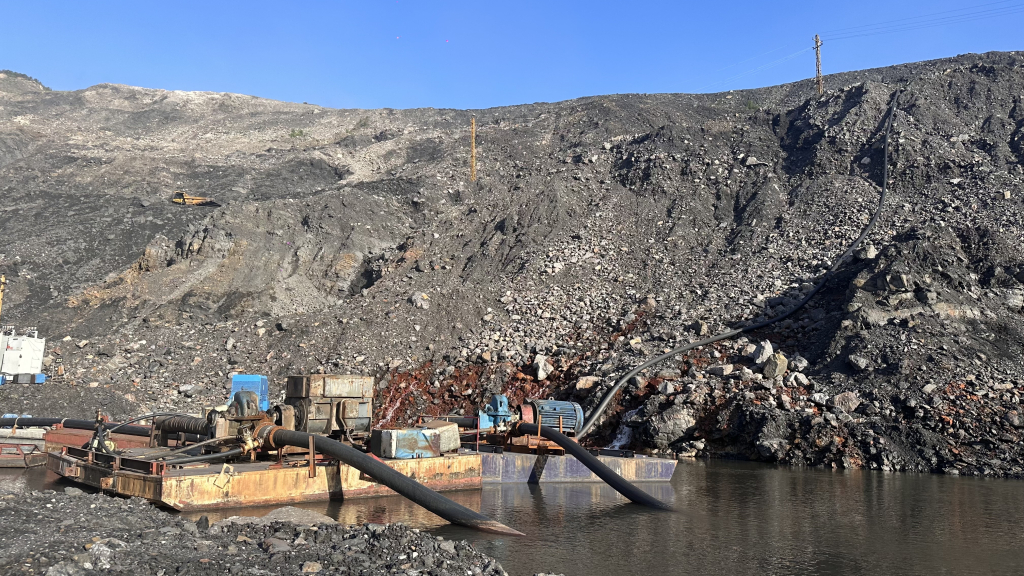
"To handle this volume of water, the Deo Nai mine is currently using 6 pumps with a capacity of 1,250 m³ /h, pumping from the bottom of the pit to the intermediate level of -50m and up to the surface for a centralized wastewater treatment system at +90m above sea level. Technologically, the pumping systems at Deo Nai Coal Mine all use advanced pumping technology, centralized soft-start control, and are automatically and interconnected within each pump row from the lower to the upper levels using Wi-Fi," said Mr. Nguyen Van Minh, Manager of the Mechanical and Electrical Equipment Repair Workshop, Deo Nai Coal Company - Coc Sau - TKV.
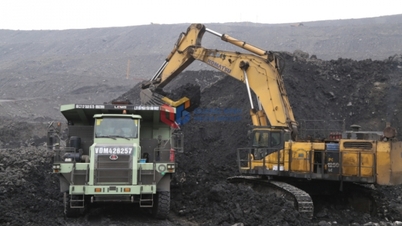
Open-pit coal mines are characterized by seasonal mining. During the rainy season, they mine the upper layers, while during the dry season they dig deeper to extract coal from the bottom of the mine. Furthermore, the mining areas of open-pit coal mines are typically located below the natural drainage level. To extract coal from the bottom of the mine, mining units employ forced pumping methods to drain the water and remove the sediment deposited at the bottom after each rainy season.
Large-scale mines will have intermediate pumping stations on the mine's edge and use two-stage pumps, while smaller mines will use sequential pumping technology to pump from the mine bottom up to the gravity drainage level. Depending on actual requirements, pumps are used for mines with flow rates from 560-800 m³ /h and from 1,040-1,260 m³ /h; some mines also use high-capacity pumps with flow rates of 1,400 m³ /h, 2,000 m³ /h, and sludge pumps with a flow rate of 400 m³ /h.
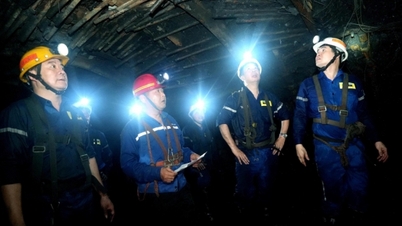
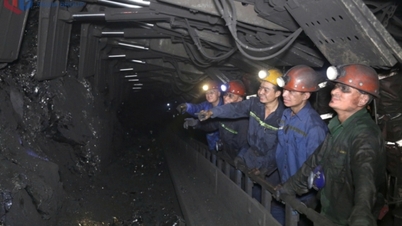
For underground coal mines, mine drainage is one of the three crucial tasks, along with preventing mine gas explosions and controlling mine pressure. Therefore, units will proactively identify water sources from surface water-bearing areas such as: rivers, streams, ponds, lakes, open-pit mines, waste dumps that are currently or have ceased operation; and areas experiencing subsidence or cracking. Of particular note are underground water-bearing areas such as: aquifers, geological boreholes, previously mined areas, old mine systems, fault lines; and overlapping mining areas between different mining units.
Currently, the underground mining area of Thong Nhat Coal Company in Lo Tri is located beneath the open-pit mining area of Khe Sim Coal Company, a subsidiary of the Northeast Coal Corporation. Annually, the two units regularly cooperate in treating water from the Khe Sim mine pit, aiming to minimize the amount of surface water seeping into the underground coal mining areas of Thong Nhat Coal Company.
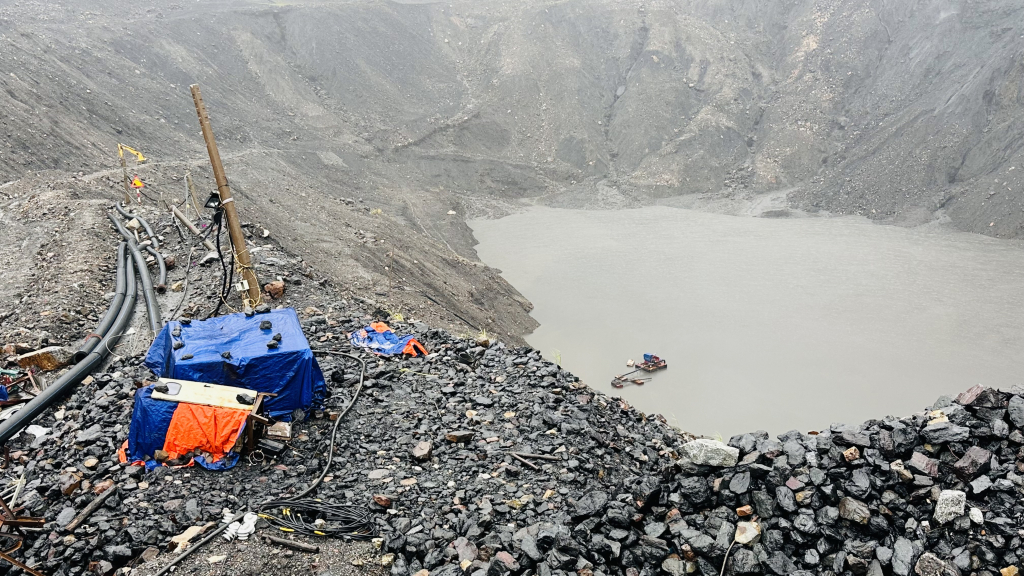
According to Mr. Do Tuan Anh, Deputy Director of Thong Nhat Coal Company - TKV, the recent Typhoon No. 3 caused the water level in the open-pit mine to rise significantly. Meanwhile, the national power grid was disrupted due to the storm, making water pumping and drainage in the area extremely difficult. To manage the water in the Khe Sim mine and limit surface water flooding into the Lo Tri mine shafts, Thong Nhat Coal Company had to mobilize its pumping systems, coordinate with Khe Sim Coal Company's pumping system, and deploy generators to ensure continuous water pumping. Thanks to this, immediately after Typhoon No. 3 passed, Thong Nhat Coal Company quickly stabilized production and started coal production on September 10th.
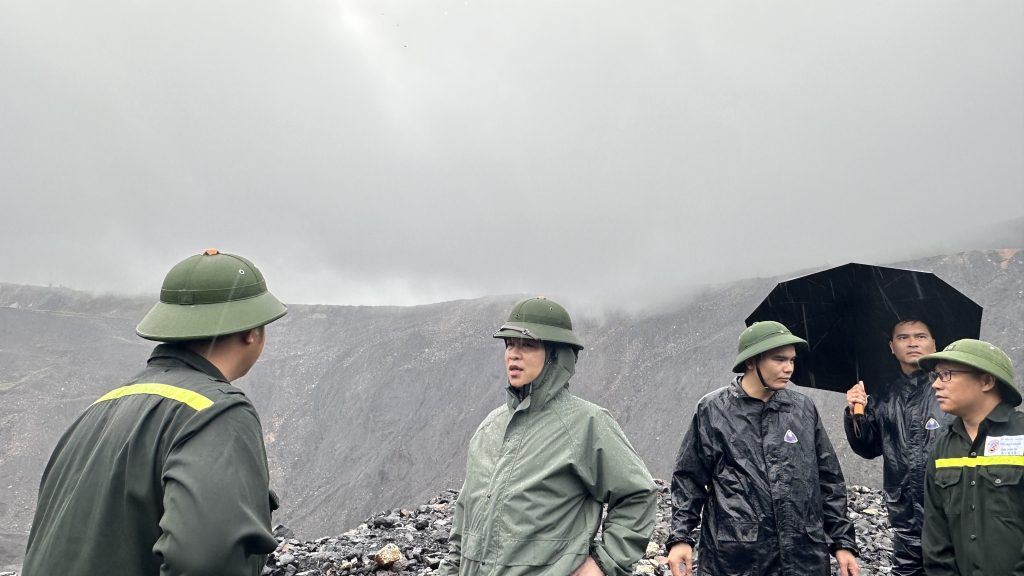
Every year, to ensure effective mine water treatment, mines implement various measures to explore and identify areas and points where water accumulates, proactively eliminating the risk of water affecting production areas. However, with the current complex climate change situation, mine drainage plans must be implemented with a higher contingency factor. In fact, the historic rainfall in 2015 and most recently, Typhoon No. 3 and its aftermath, with record-breaking rainfall and serious impacts on production power systems, have caused some mines to fail to meet drainage requirements. Therefore, coal mines in the Quang Ninh region need to further improve their water pumping capacity, ensure the operation of power systems, and effectively implement flood prevention measures during production.
Source



![[Photo] General Secretary and President To Lam meets with National Assembly delegates from ethnic minorities.](https://vphoto.vietnam.vn/thumb/1200x675/vietnam/resource/IMAGE/2026/04/20/1776696701056_a1-bnd-8331-3342-jpg.webp)
![[Image] National Assembly discusses the implementation of the socio-economic development plan.](https://vphoto.vietnam.vn/thumb/1200x675/vietnam/resource/IMAGE/2026/04/20/1776696707422_ndo_br_img-20260420-185419-jpg.webp)











































































Comment (0)