


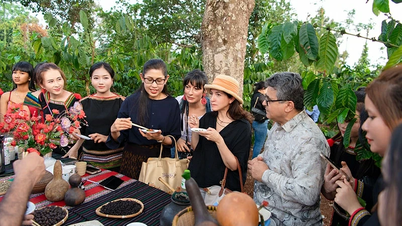
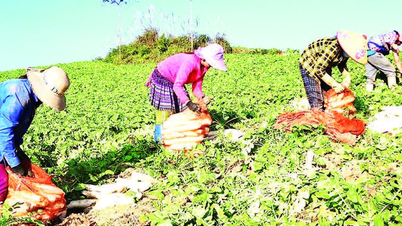
In the highlands of Northwest and Northeast Vietnam, the produce embodies the pristine beauty of the mountains and forests. Moc Chau plums, Suoi Giang Shan Tuyet tea, Dong Van mint honey, Seng Cu rice, smoked buffalo meat, smoked sausages, San Lung wine, Mau Son wine… all blend with the aroma of wood smoke, dổi seeds, mắc khén seeds, and the sweet and astringent taste of wild apples.
The products born from the mist, wind, water sources, high altitude, and harsh climate not only sustain the people but also preserve indigenous knowledge, creating the enduring identity of the northern highlands.
Traveling down to the Red River Delta, you'll find products intertwined with the fields, dikes, and memories of the countryside: Hai Hau sticky rice, Hung Yen longan, Dai Hoang royal bananas, Thai Binh rice cakes, Hai Duong mung bean cakes, Vu Dai village braised fish, Ban soy sauce, Kim Son white wine, Lang Van... It's the scent of straw after the harvest, the sound of pounding rice on a winter night, the hazy smoke enveloping the life of Northern Vietnamese villages - where products are always associated with traditional houses.
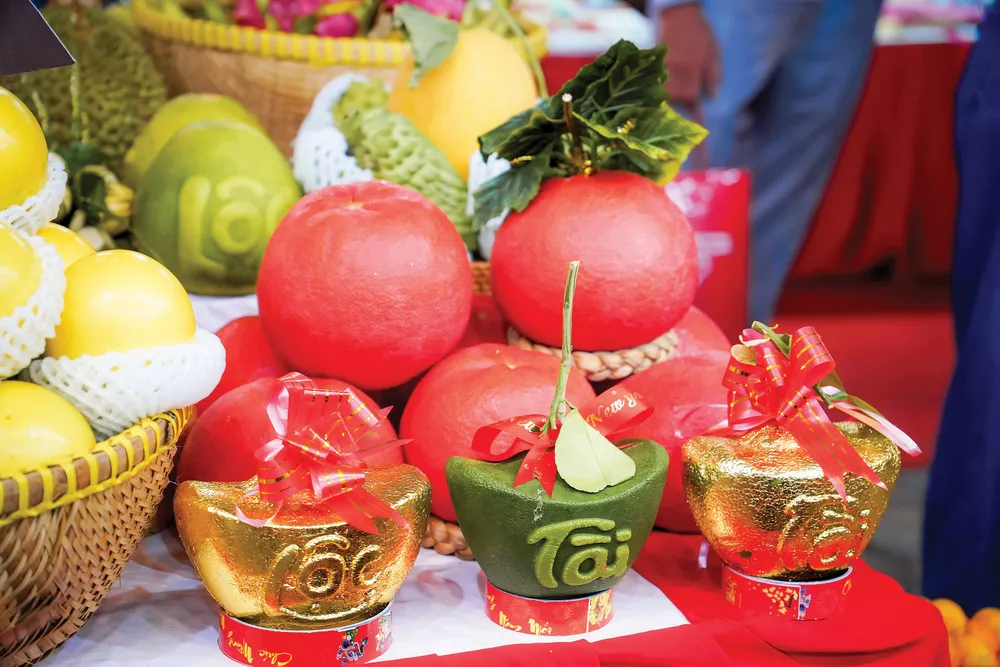
North Central Vietnam – a narrow strip of land between mountains and the sea – experiences harsh sun and wind, yet its products are as resilient as the people who live there. Thanh Hoa has fermented pork sausage (nem chua), rice flour cakes (bánh răng bừa), and sticky rice cakes (chè lam); Nghe An has Vinh oranges, Thanh Chuong fermented bamboo shoots (nhút Thanh Chương), eel porridge (cháo lươn), and Nam Dan soy sauce (tương nam đàn); Ha Tinh has peanut brittle (kẹo cu đơ), steamed rice rolls (ram bánh mướt), Huong Son mandarin oranges (cam bù), and Can Loc rice wine…
Those simple gifts evoke a voice full of affection, conjuring images of mothers kindling straw fires in the windy afternoon. In the memories of those far from home, Tet in North Central Vietnam is about a pot of sticky rice cakes simmering over a fire all night, and the local produce that mothers carefully packed and sent along on trains.
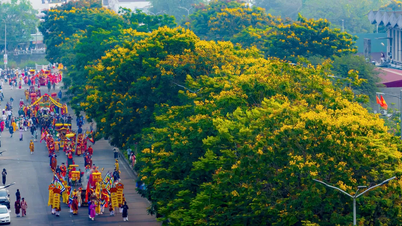
Hanoi is fresh and vibrant, with the old quarters cool and crisp during Tet. The aroma of Vong sticky rice, Uoc Le pork sausage, Tay Ho lotus tea, Dien pomelo, Tranh Khuc sticky rice cakes, Thanh Tri rice rolls… blend together to create a refined and elegant flavor. Hanoians cherish the bounty of nature as they cherish tradition. These are not just dishes, but a continuation of the way of life, of the refined cultural essence of the capital city.
The central coastal region opens up to a land of sunshine, wind, and the sea. Pork belly porridge, fig leaf rolls, and fermented eggplant paste from Quang Tri – simple yet deeply rooted in hardship; Hue's sticky rice cakes, anchovy paste, dried squid from Khanh Hoa, jellyfish noodles from Quy Nhon, ocean tuna, Nam O fish sauce, the famous Bau Da wine, and Hong Dao wine that intoxicates even before tasting… These products carry the salty taste of the sea, the pungent flavor of the sun, and the resilience of people who have clung to the land, villages, and sea through countless changes.
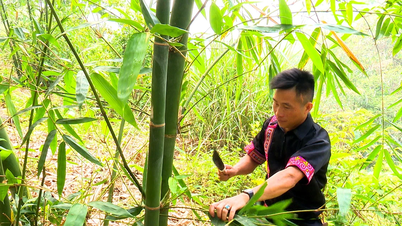
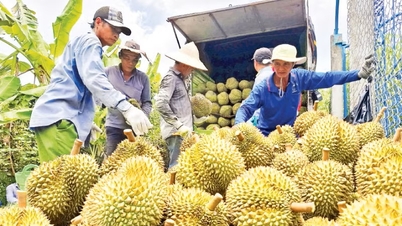
The vast forests of the Central Highlands offer coffee, pepper, macadamia nuts, honey, avocado, durian, bamboo shoots… In the rice wine, sticky rice cooked in bamboo tubes, and grilled chicken of Bản Đôn, the essence of the mountains and forests is present. Especially noteworthy is Ngọc Linh ginseng, the "national treasure," a crystallization of the earth's essence, symbolizing enduring vitality and indigenous knowledge. These products of the Central Highlands have embarked on a new journey, reaching wider markets while still retaining the spirit of the mountains and forests.
The Mekong Delta – a land of alluvial soil – boasts Tra Cuon sticky rice cakes, Ca Mau dried shrimp, Chau Doc fermented fish sauce (made from snakehead fish and catfish), Xuan Thanh, Phu Le, and Go Den rice wine, Lai Vung fermented pork sausage, Soc Trang mooncakes, and Vinh Long pineapple-flavored coconuts… Life flows with the rising water, and Tet (Lunar New Year) arrives leisurely and full of warmth and affection. The carefree laughter of Uncle Ba Phi echoes somewhere, reflecting the optimistic spirit of the people of this riverine region amidst generous nature.
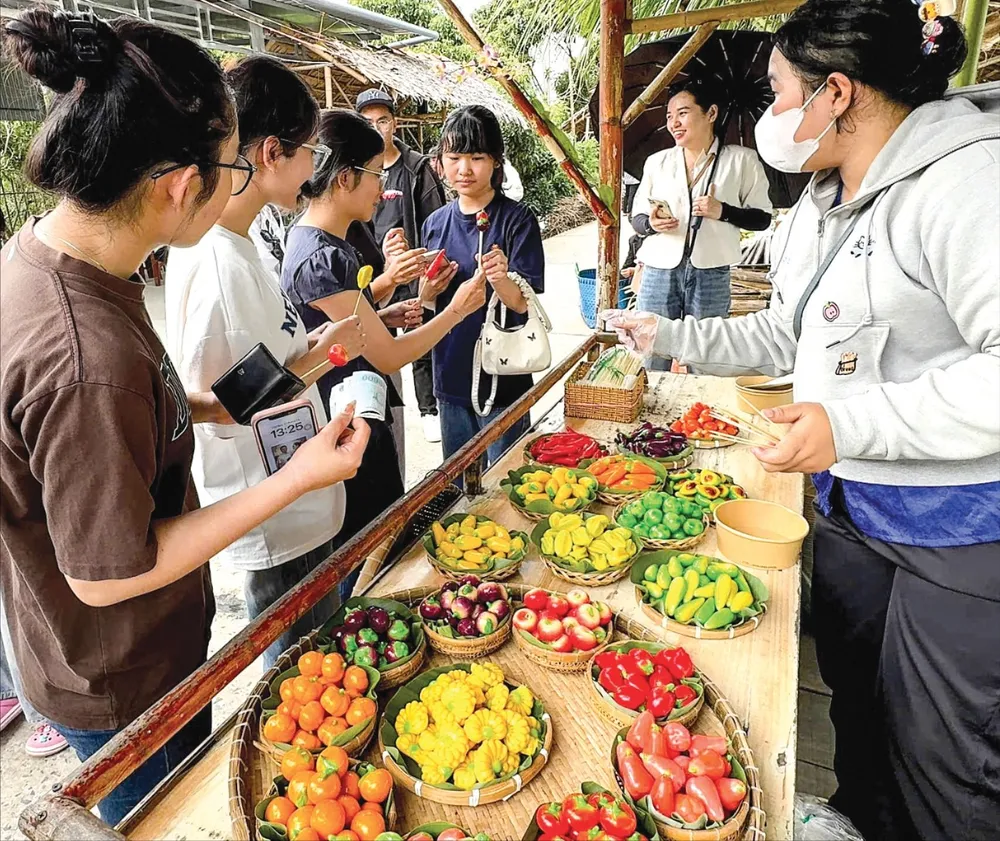
The Southeast region of Vietnam is characterized by warm sunshine, red basalt soil, and vast rubber plantations. The mangosteens of Lai Thieu, the custard apples of Ba Den, the pomelos of Tan Trieu, the durians of Long Khanh, the cashews of Phuoc Long, and the rice paper of Trang Bang... all reflect the spirit of this pioneering land, strong yet full of warmth and hospitality. During Tet (Lunar New Year), the region is bustling but unpretentious, simple yet warm, reflecting the open hearts of its people.
Ho Chi Minh City – a place where products from all regions converge and intertwine within the rhythm of modern life. A large city, yet it doesn't lack the flavors of home. Anyone far from home can find a piece of their Tet (Lunar New Year) here.
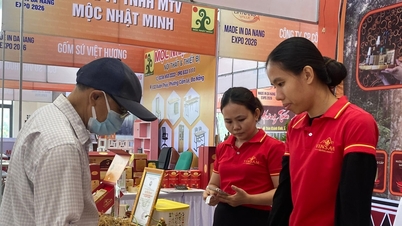
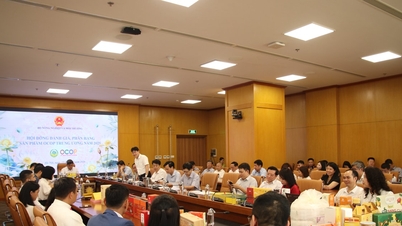
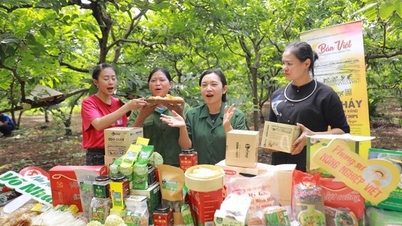
In the final days of 2025, the OCOP (One Commune One Product) fair series, featuring hundreds of representative products from all over the country, took place bustlingly in Tan Dinh ward, opening a new path for local products to reach urban consumers and even further afield globally. On New Year's Eve, the city fell very quietly!
In the midst of spring's arrival, we suddenly realize that the bounty of nature is not only present in food, but also quietly resides in memories and family affections.
Cherish the gifts of nature.
My mother prepared a feast to offer to our ancestors.
New Year's Eve: A sacred reunion.
My mother's burdens of human suffering have not yet been lifted.
The mist and fog hadn't yet cleared on New Year's Eve.
Mother is looking forward to spring arriving with clear skies and rosy sunshine.
The vast landscape stretches for thousands of miles.
Having Mom around on New Year's Eve warms our hearts.
In the transitional moment between the old year and the new, from the simple feast, the warm spirit of the countryside permeates every step. Preserving and cherishing the bounty of nature is not only about preserving the flavors of Tet, but also about safeguarding the cultural foundation, livelihoods, and identity of each region within the flow of national development.
We invite you to enjoy this musical setting of these verses, sung by Bảo Yến:

Source: https://www.sggp.org.vn/nang-niu-san-vat-dat-troi-post838663.html






















































Comment (0)