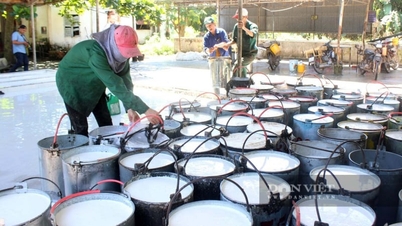
Many people who experience stomach pain and diarrhea after eating an unfamiliar meal rush to their medicine cabinet to find anti-diarrheal pills. However, in food poisoning, the body's first reaction is usually vomiting, abdominal cramps, and diarrhea to expel the harmful agent.
- The most worrying thing is not frequent bowel movements.
- The first thing to do after a meal suspected of causing food poisoning.
- How should I drink it without making myself vomit more?
- Once your stomach has calmed down, what kind of food should you eat again?
- Signs that your body is dehydrated.
- Young children and the elderly should not wait for "self-healing".
- Antidiarrheal medication isn't always a lifesaver.
- First 6 hours: stay calm, rehydrate, observe carefully.
Blocking symptoms too early, using the wrong medication, or trying to stay home can worsen the condition, especially in young children, the elderly, and those with underlying health conditions. In the first six hours, the most important thing is to stay calm, rehydrate gradually, recognize signs of dehydration, and know when to seek medical attention.
The most worrying thing is not frequent bowel movements.
Food poisoning doesn't always start immediately after a meal. Some people experience nausea and abdominal pain within a few dozen minutes. Others may have persistent diarrhea several hours later. In some cases, fever, fatigue, and diarrhea may only appear the next day.
The danger lies in the fact that many people judge the illness by the number of bowel movements, forgetting that the body is losing water and electrolytes. Each episode of vomiting and diarrhea means the body loses water and minerals. For healthy individuals, this may only cause fatigue. But for children, the elderly, pregnant women, and those with kidney disease, cardiovascular disease, diabetes, or weakened immune systems, dehydration can progress much more rapidly.
It's important to remember that the goal in the first few hours isn't to stop the diarrhea immediately, but rather to prevent dehydration, avoid overlooking serious symptoms, and refrain from using medication indiscriminately.

After consuming food suspected of causing poisoning, patients should rehydrate by taking small sips of water and closely monitor for signs of dehydration.
The first thing to do after a suspected food poisoning incident.
If you experience stomach pain, nausea, vomiting, or diarrhea after a meal, stop eating the suspected food immediately. If several people eat the same food and experience similar symptoms, the likelihood of a foodborne connection is even higher.
It's a good idea to record some information: what you ate, at what time, when the symptoms started, how many times you vomited, how many times you had diarrhea, whether you had a fever, and whether there was blood in your stool. These details are very helpful if you need to see a doctor. If you have any food samples, you can keep them in a clean container and store them separately.
In the first few hours, if the patient is still experiencing significant nausea, do not force them to eat porridge, drink milk, or take supplements. The stomach is already irritated, and forcing them to eat will only increase the likelihood of vomiting.
Patients should rest in a well-ventilated area, lying on their side if they are still vomiting to reduce the risk of choking. Avoid lying on their back if the patient is exhausted or vomiting frequently.
Do not induce vomiting by sticking your finger down your throat, especially with young children, drowsy people, intoxicated people, people having seizures, or people with underlying medical conditions. Doing it incorrectly can cause vomit to enter the airway.
How should I drink it without making myself vomit more?
Rehydration is the most important thing. Patients should drink small sips of cooled boiled water or electrolyte rehydration solution. If using oral rehydration solution (ORS), mix it with the correct amount of water as instructed on the package. Do not make it more concentrated thinking "a stronger concentration will speed up recovery," and do not divide the package in half and arbitrarily estimate the amount of water.


If you vomit immediately after drinking, stop for 5-10 minutes and then drink again more slowly. Young children can drink in small sips. Adults should also avoid gulping down the liquid all at once, as this can easily induce vomiting.
Simply put: in cases of food poisoning, rehydration isn't about drinking a lot at once, but about drinking regularly, correctly, and sufficiently to prevent the body from becoming dehydrated after each episode of vomiting or diarrhea.
Once your stomach has calmed down, what kind of food should you eat again?
Once vomiting has subsided, the patient can gradually resume eating small amounts. Suitable choices include thin porridge, soup, soft rice, bread, potatoes, bananas, and lean, tender meat. Avoid fried foods, spicy foods, alcohol, coffee, carbonated drinks, and raw or undercooked foods.
There's no need for excessive dietary restrictions. Prolonged fasting can make patients more tired, especially children and the elderly. The principle is to eat small amounts, in smaller portions, gradually increasing the food intake according to the body's tolerance.
Signs that your body is dehydrated.
It's not just diarrhea that's dangerous; dehydration requires particular caution. Noticeable signs include: excessive thirst, dry lips, dry mouth, infrequent urination, dark urine, dizziness when standing, sunken eyes, dry skin, fatigue, lethargy, or difficulty waking up.
In young children, parents should also pay attention to signs such as unusual crying, crying without tears, refusal to feed, diapers taking a long time to dry, sunken eyes, lethargy, or a lack of usual activity.
If the patient vomits repeatedly after drinking and cannot retain fluids, dehydration can worsen rapidly, and self-monitoring at home should be discontinued.

Young children, the elderly, and people with underlying health conditions should seek medical attention promptly if they experience vomiting, severe diarrhea, fever, or extreme fatigue.
Young children and the elderly should not wait for "self-healing".
Young children don't have as much "reserve" as adults. Just a few hours of vomiting and frequent diarrhea can leave them exhausted. Children should be taken to the doctor promptly if they refuse to feed, are constantly thirsty, have dry lips, sunken eyes, urinate infrequently, are lethargic, have a fever, vomit frequently, have frequent diarrhea, or have blood in their stool.
The elderly are also a group that is easily overlooked. They may not complain of excessive thirst even though they are dehydrated. When elderly people show unusual fatigue, dizziness, decreased urination, slurred speech, cold hands and feet, and poor appetite after a meal suspected of food poisoning, their families should take them to see a doctor as soon as possible.
Exercise particular caution if the patient is taking diuretics, blood pressure medication, cardiovascular medication, or diabetes medication.
People with kidney disease, cardiovascular disease, diabetes, cirrhosis, immunosuppression, those undergoing chemotherapy, and pregnant women should not self-treat at home for extended periods. For these groups, dehydration and electrolyte imbalance can rapidly worsen their underlying conditions.
If, after a suspected food poisoning meal, the patient experiences vomiting, severe diarrhea, extreme fatigue, fever, decreased urination, or inability to eat or drink, they should seek medical attention promptly instead of waiting.



Antidiarrheal medication isn't always a lifesaver.
Antidiarrheal medications can reduce the frequency of bowel movements, but they shouldn't be used for every case of diarrhea. If the patient has a fever, severe abdominal pain, bloody stools, suspected severe bacterial infection, or food poisoning after a communal meal, self-medicating with drugs that slow bowel motility may cause the causative agent to remain in the body longer.
You should also avoid self-medicating with antibiotics. Food poisoning has many causes, and not every case requires antibiotics. Using the wrong medication can disrupt the gut microbiome, cause side effects, and mask serious symptoms.
Safety note: In cases of food poisoning, prioritize proper hydration and monitoring for dangerous signs. Antidiarrheal medications, anti-emetics, or antibiotics should only be used when appropriate for the specific condition, and should especially not be self-administered to young children, the elderly, or those with underlying health conditions.
First 6 hours: Stay calm, rehydrate, and carefully monitor for signs of dehydration.
Food poisoning often causes panic in the whole family due to sudden stomach pain, vomiting, and diarrhea. But the correct approach isn't to give as much medicine as possible. In the first 6 hours, stop the suspected food, let the patient rest, rehydrate in small sips, prepare oral rehydration solution (ORS) correctly, monitor for dehydration, and seek medical attention promptly if symptoms worsen.
The most dangerous mistake is being complacent with young children, the elderly, or those with underlying health conditions, or attempting to stop diarrhea on your own when the patient has a fever, bloody stools, or is vomiting and unable to drink water. When the body is "sounding the alarm," staying calm and taking the right steps can be more important than any medication.
Source: https://suckhoedoisong.vn/nghi-ngo-doc-thuc-pham-6-gio-dau-can-lam-gi-169260622173556995.htm




![[Image] A look back at the capital's preparations for the century-long master plan.](https://vphoto.vietnam.vn/thumb/1200x675/vietnam/resource/IMAGE/2026/06/29/1782750453122_quy-hoach-100-nam-minh-duy-1-2118-jpg.webp)






























![[Photo] General Secretary and President To Lam works with the Party Committee of the Government on the work of preventing and combating storms, floods, extreme natural disasters and climate change.](https://vphoto.vietnam.vn/thumb/1200x675/vietnam/resource/IMAGE/2026/06/29/1782729441945_a1-bnd-0385-9454-jpg.webp)