

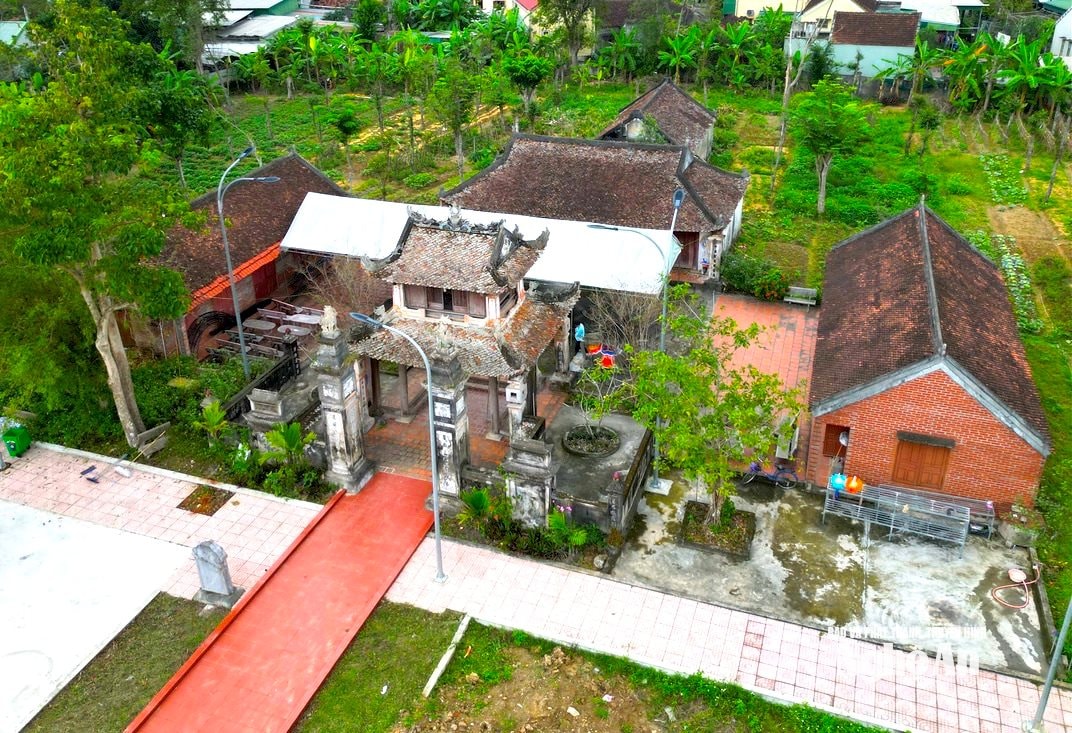
The Ca Temple was built in the 16th century (during the Ly Dynasty) to worship Uy Minh Vuong Ly Nhat Quang – a renowned general who made great contributions to "protecting the nation and its people," and caring for the lives of the people in the ancient Nghe An region. Throughout various dynasties, and especially during the Later Le Dynasty, the temple gradually became complete and magnificent. In 2012, the Ca Temple was recognized as a National Historical and Cultural Monument.
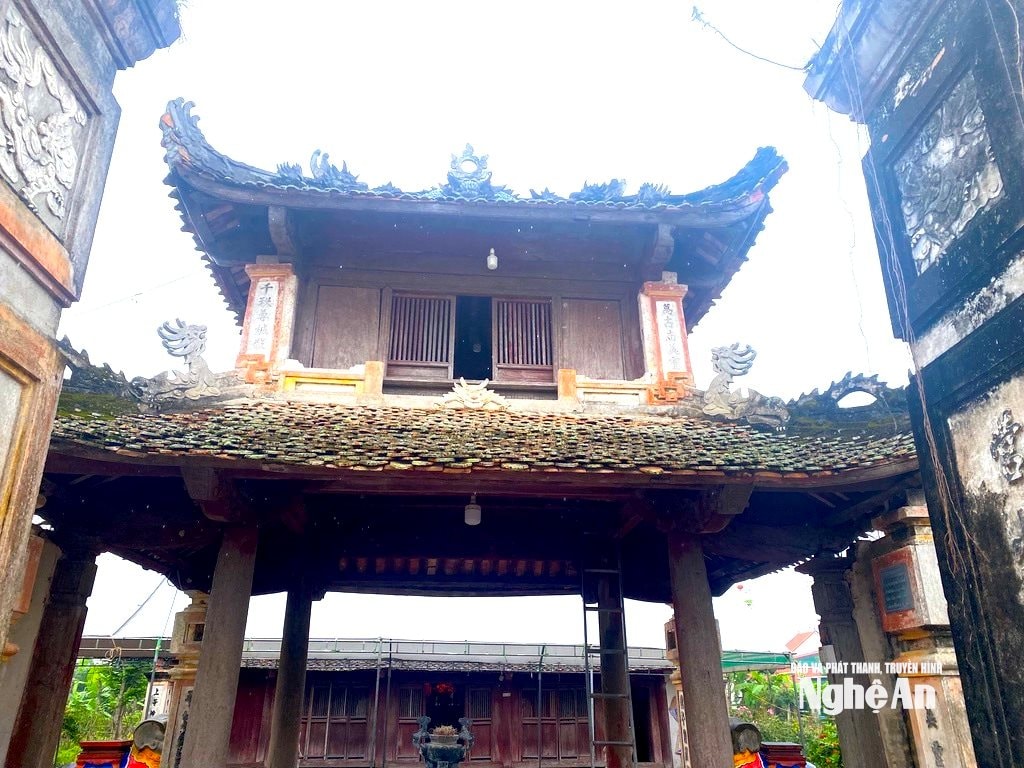
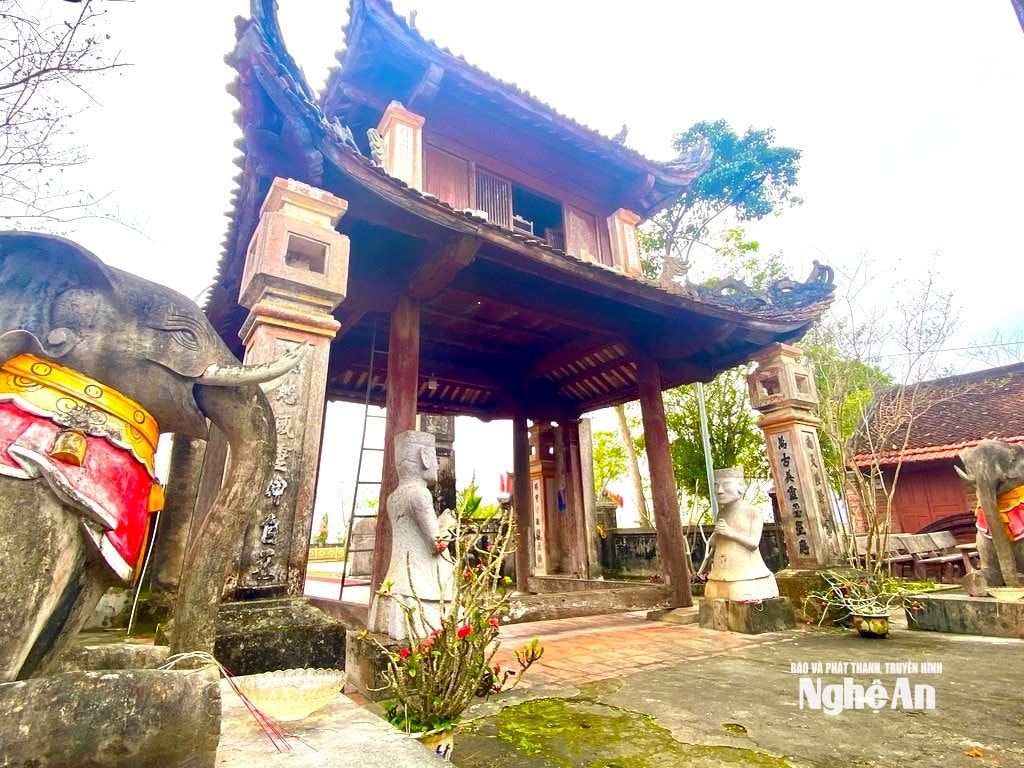
The Ca Temple is situated on high ground, with a spacious and airy grounds. In front lies a flat field, and in the distance, a system of ponds and lakes creates a "water gathering" effect, providing a cool and peaceful atmosphere. Passing through the triple-arched gate, the most striking structure is the ceremonial gate – considered the distinctive architectural highlight of the Ca Temple. The ceremonial gate resembles a palace pavilion with four large columns, two stories, eight roofs, and gracefully curved yet robust eaves. From a distance, the structure evokes the architecture of the Khue Van Cac pavilion at the Temple of Literature – National University ( Hanoi ).
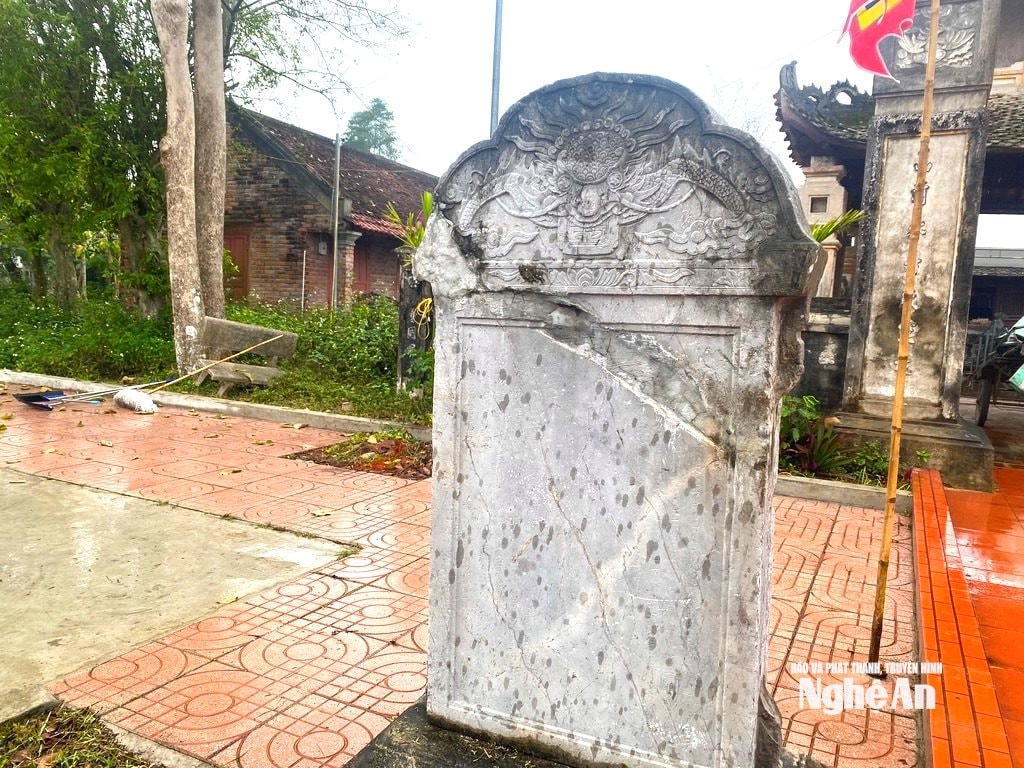
In front of the temple gate stands a large, ancient stone stele. The inscription reflects the tradition of valuing learning and the spirit of respecting culture of the local people in the past. The words, deeply engraved over the years, are not only valuable historical documents but also evidence of the rich history of this land.
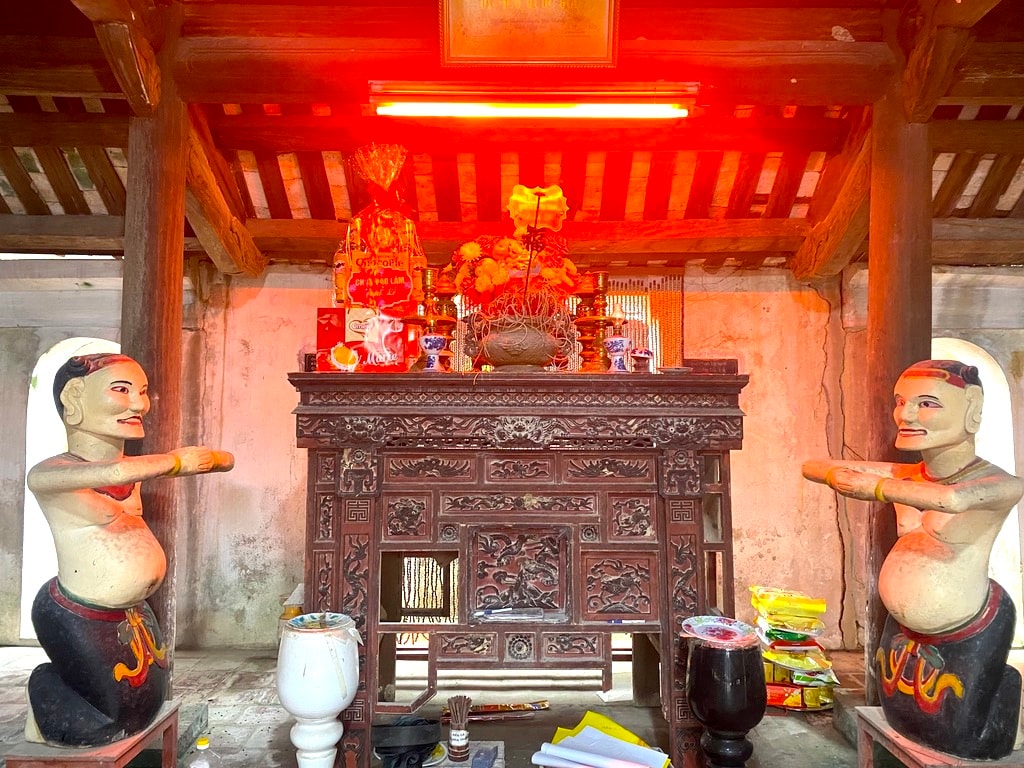
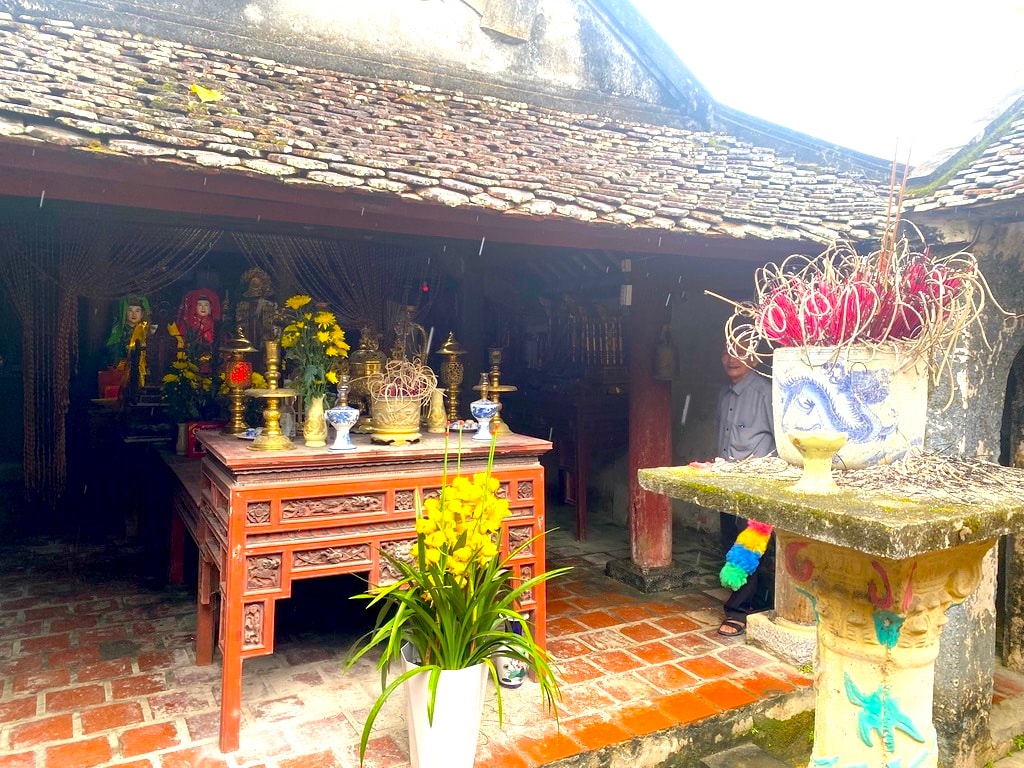
Passing through the main gate, two stone statues with clasped hands kneel on either side of the pathway seem to respectfully welcome visitors from all directions. The interior of the temple is spacious, with architectural elements such as the left and right wings, the main hall, and the sanctuary arranged symmetrically and harmoniously. The tiled roof is covered in moss, and the rafters, beams, and pillars made of ironwood still retain their sturdiness despite having endured hundreds of years of rain and sun.
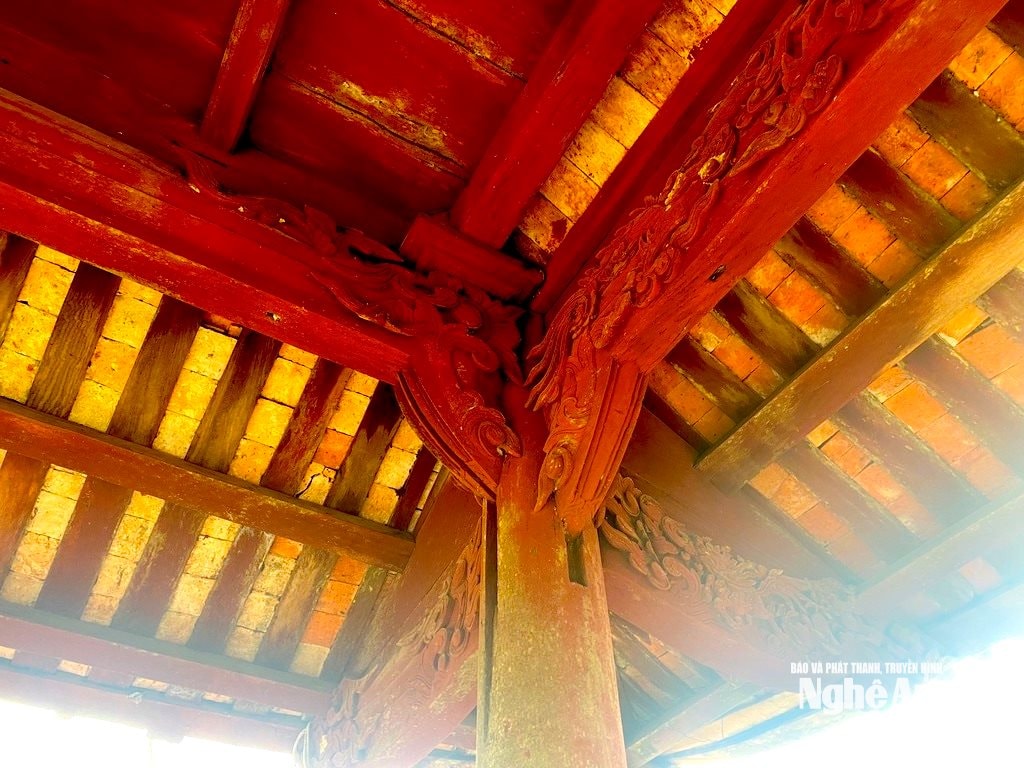
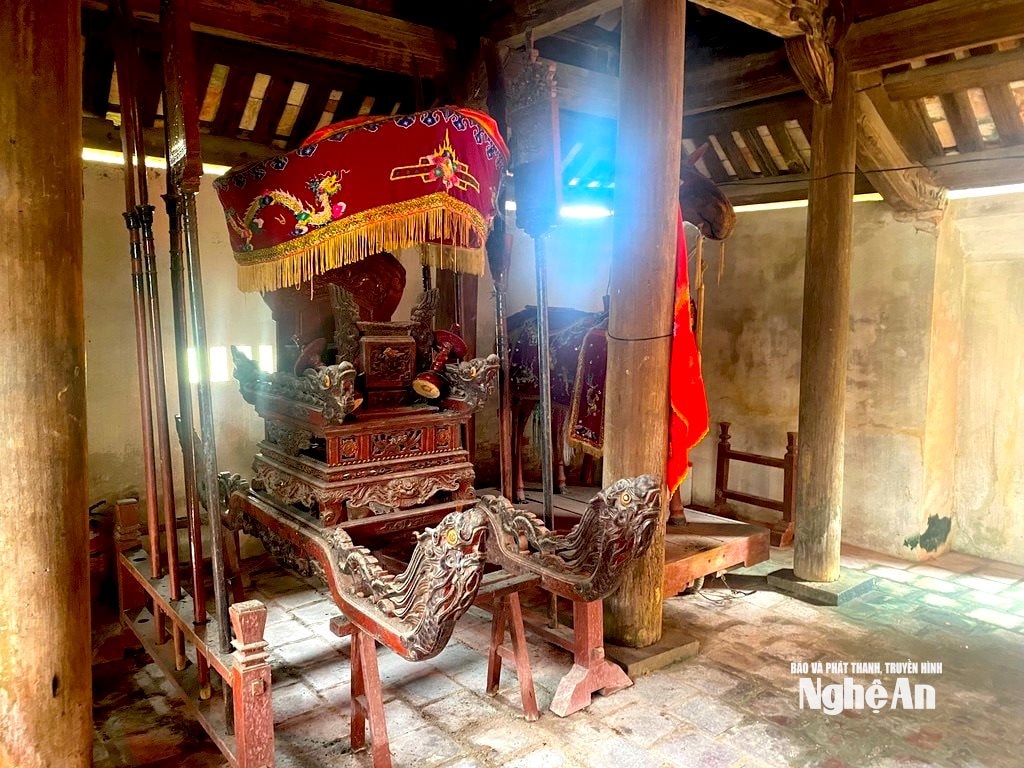
The highlight of Ca Temple is its exquisite carving art. On the altars, dragon palanquins, rafters, and thrones, images of dragons, mythical creatures, turtles, phoenixes, or pine, bamboo, chrysanthemum, and plum blossoms are meticulously and vividly carved in relief and openwork. Each soft, graceful line showcases the talent of the folk artisans of Nghe An province. The wooden doors and walls remain relatively intact, creating an ancient and solemn atmosphere for the entire structure.
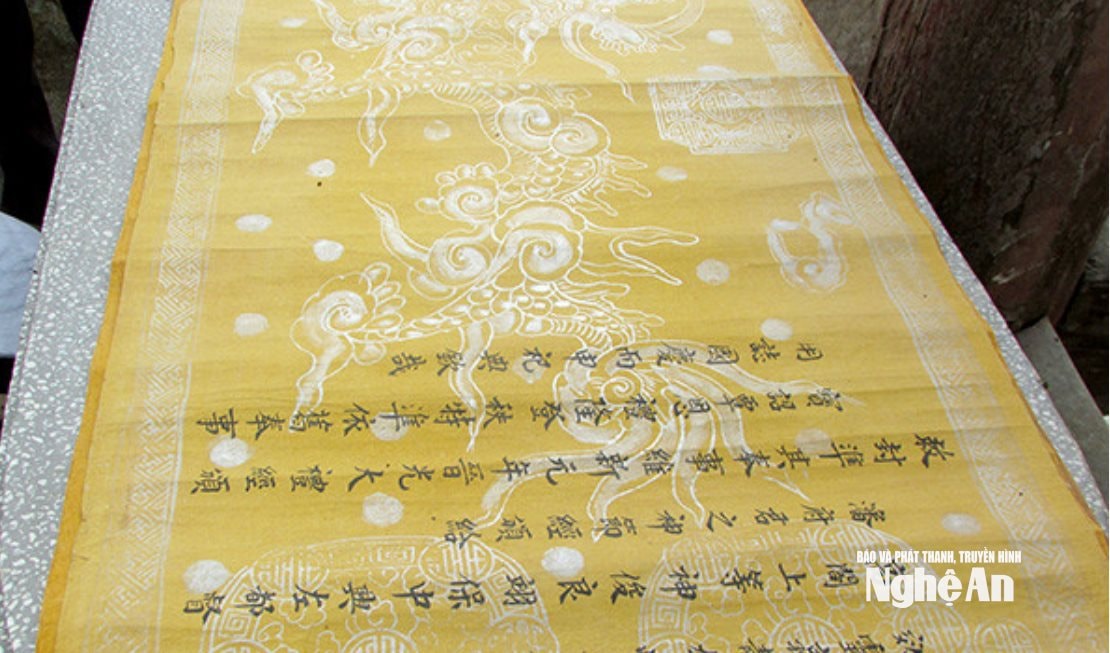
Currently, the Ca Temple still preserves many valuable ancient artifacts. Of particular note are four royal decrees from various dynasties, including one from the Vinh Khanh era nearly 300 years ago, one from the Canh Thinh (Tay Son) period, and two from the Nguyen dynasty. These are invaluable historical documents that contribute to affirming the role and position of the temple in the cultural and spiritual life of the community over many centuries.
Besides its cultural and architectural value, Ca Temple is also associated with the glorious history of the nation. In the late 19th century, it served as a secret meeting place and living quarters for the resistance fighters Nguyen Xuan On and Le Doan Nha during the Can Vuong movement against the French.
Before the August Revolution and during the resistance war against the US, the temple served as a revolutionary base, a hiding place for weapons and food, contributing to the struggle for independence.
Every year, the Ca Temple Festival is held solemnly with full traditional rituals such as announcement, purification, procession, and sacrificial rites. The festival part is lively with many folk activities such as wrestling, cockfighting, human chess, swinging, folk singing, and traditional opera…
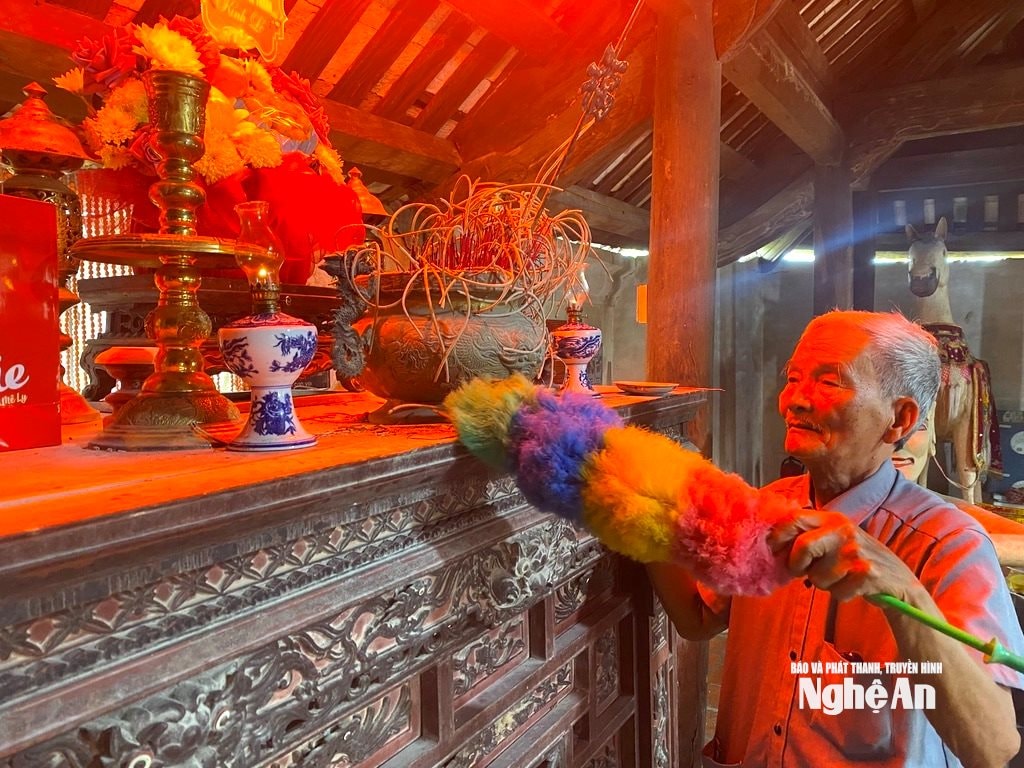
Mr. Phan Xuan Chinh, 82 years old, who has looked after the temple for many years, said that on ordinary days as well as holidays and Tet (Lunar New Year), the temple always has people coming to offer incense. Every day, he diligently cleans the altar, sweeps the courtyard, and takes care of every little corner to keep the space solemn and warm. For the people of Yen Thanh commune, Ca Temple is not only a historical site but also a spiritual anchor, a place to entrust their faith and aspirations.
Ms. Ngo Thi Hien, Vice Chairman of the People's Committee of Yen Thanh commune, said that over time, many parts of the Ca Temple have deteriorated. In response to this situation, the local government is completing the procedures to submit to the competent authorities for consideration and approval of the plan to renovate and upgrade the structure in order to preserve and promote the historical and cultural value of the monument in the area.
Amidst the ever-changing modern life, Ca Temple quietly stands as an integral part of the soul of Yen Thanh commune. The moss-covered roof tiles and the time-worn carvings not only tell the story of an ancient architectural structure but also serve as a reminder of the patriotic traditions, studious spirit, and enduring spiritual life of the people of Nghe An.
Source: https://baonghean.vn/ngoi-den-mang-dang-khue-van-cac-giua-mien-que-lua-10325899.html









































































Comment (0)