

 |
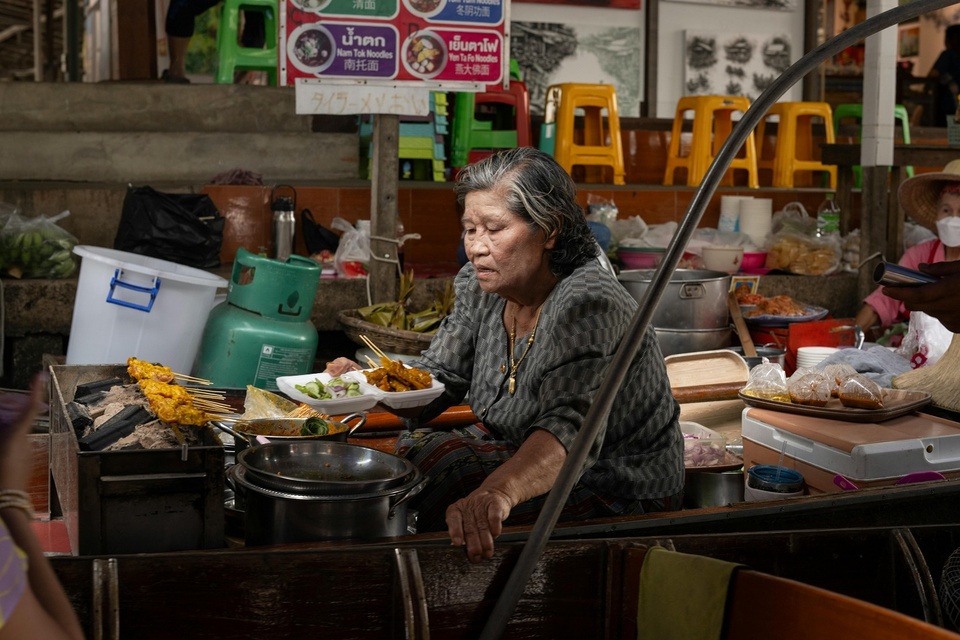
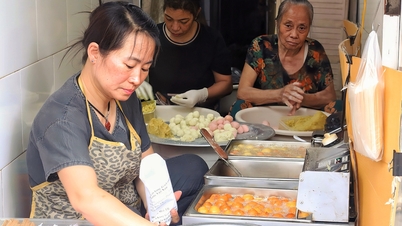
The owner of a popular snack stall at a market in Bangkok, Thailand. Photo: Miguel Cuenca/Pexels . |
Mr. Chanon Koetcharoen, President of the Thai Restaurant Association, said that the tourism outlook remains uncertain regarding the number of visitors, which will directly impact the operations of food establishments this year.
According to Mr. Chanon, the restaurant industry will continue to face labor shortages, as reported by the Bangkok Post . A segment of the workforce chooses to work for large restaurant chains due to better career paths and benefits, further exacerbating the difficulties faced by smaller establishments.
In addition, food delivery platforms are implementing more advertising packages to increase restaurant visibility, leading to higher operating costs. This increases the fees that restaurants have to pay to the platform as part of their gross profit.
In the first month of the year, consumer spending at restaurants declined after a sharp increase during the New Year's holiday. Mr. Chanon predicted that consumers are likely to continue tightening their spending and prioritizing saving until the Songkran festival in April.
According to him, even those with comparable incomes are becoming more cautious in their spending due to political and economic instability. In addition, climate change is seen as another risk, as it can cause unpredictable fluctuations in the price of raw materials.
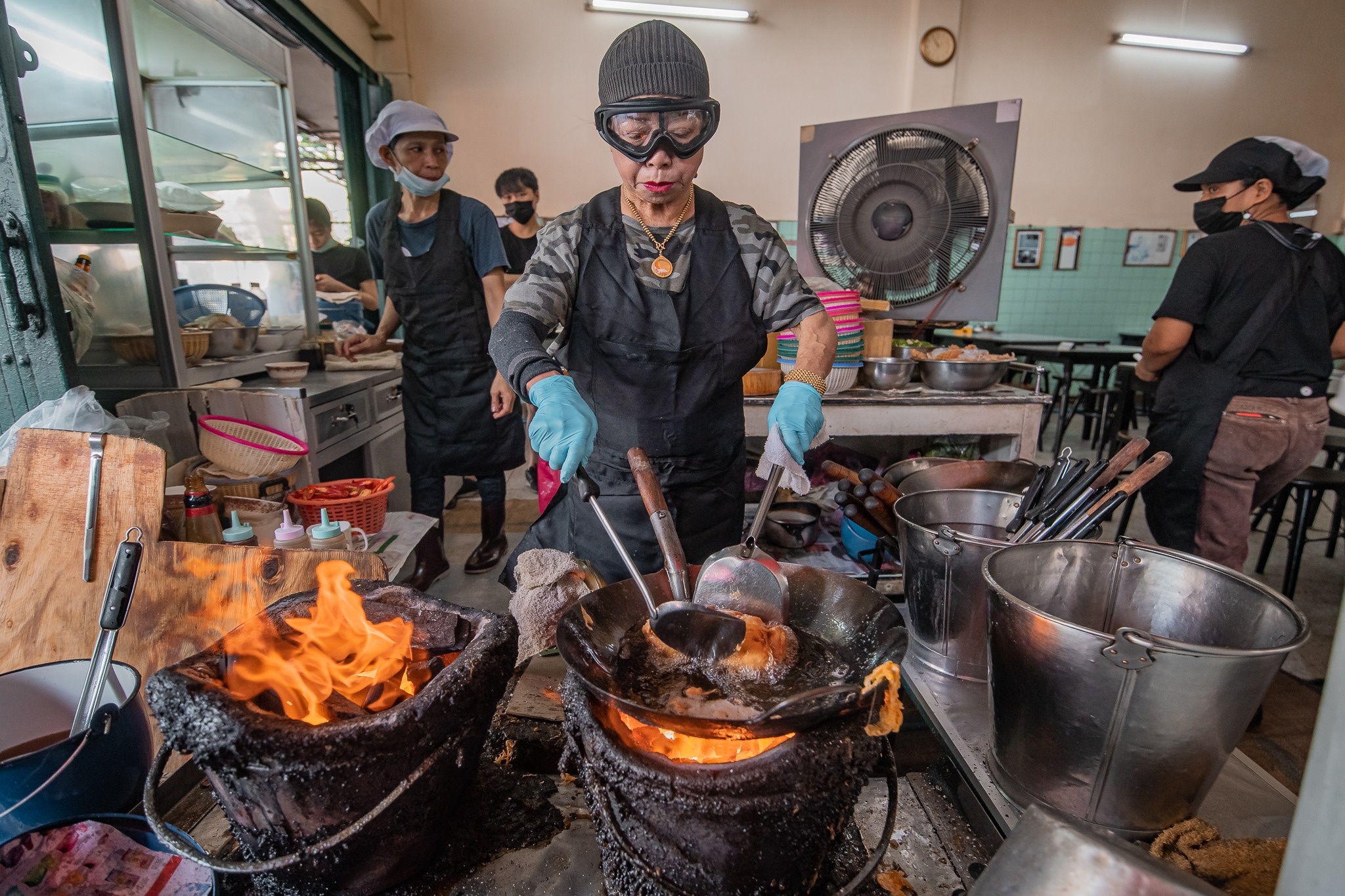 |
Supinya Junsuta, owner and chef at Jay Fai, is preparing the restaurant's famous crab omelet. Photo: Bangkok Post . |
The Economic Analysis Centre (EIC) of Siam Commercial Bank forecasts that the Thai restaurant industry will grow by 3.2% in 2026, following an estimated 3.3% growth in 2025.
According to EIC, the industry's revenue growth is primarily driven by rising food prices, rather than an increase in customer numbers.
The report also highlighted several challenges, most notably escalating costs, including adjustments to the daily minimum wage and expenses related to the application of technology in business operations.
EIC forecasts that fast-food restaurant models such as shabu-shabu hot pot chains will continue to expand, with an expected growth rate of 2.7% in 2026. This segment is considered more resilient in challenging economic conditions due to its affordable prices and consistent quality and flavor.
Conversely, full-service restaurants are projected to face greater pressure than other types of establishments, as consumers remain cautious about spending, according to the EIC.
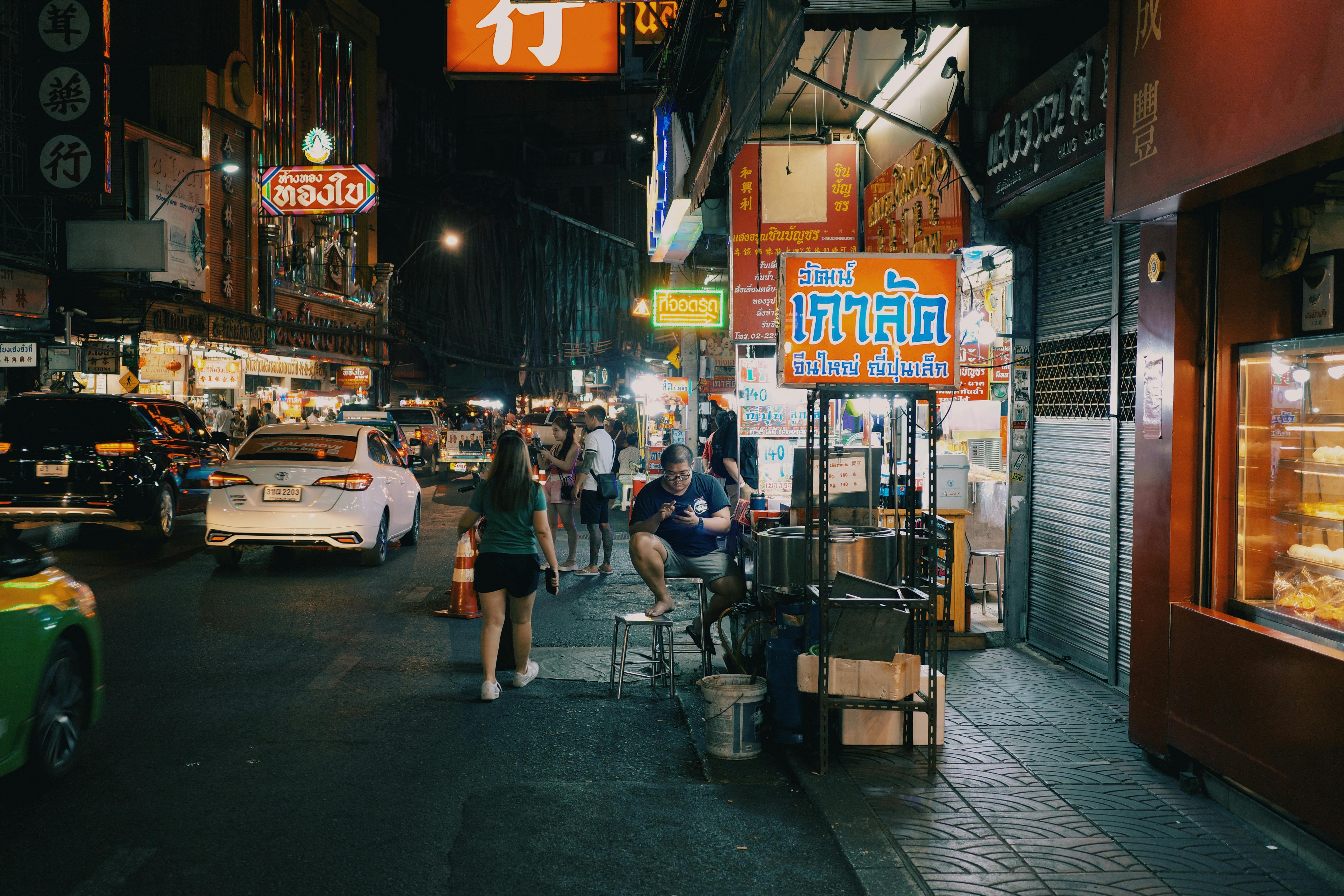 |
Restaurants and eateries on Bangkok's food street will be deserted by 2025. Photo: Tony Wu/Pexels. |
Source: https://znews.vn/nha-hang-thai-lan-chua-het-khon-don-post1626077.html
























































































Comment (0)