 |
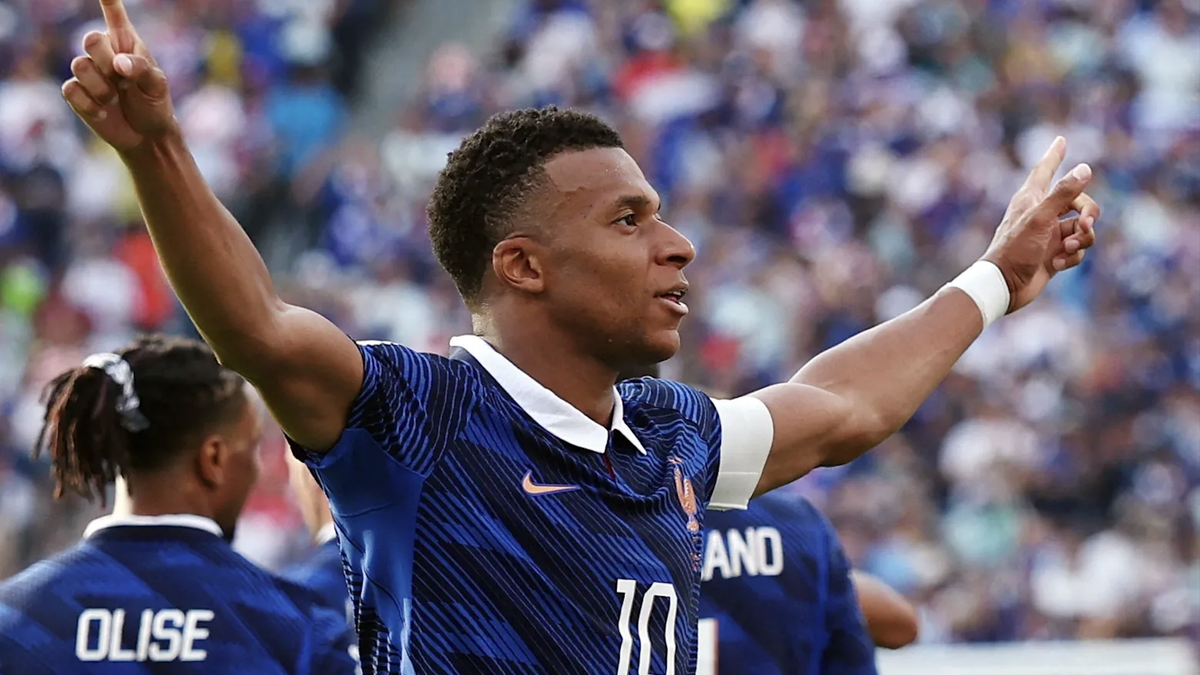
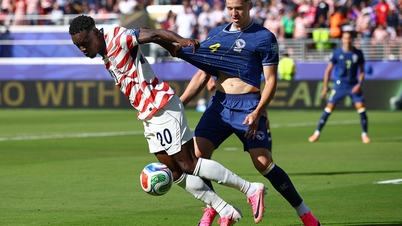
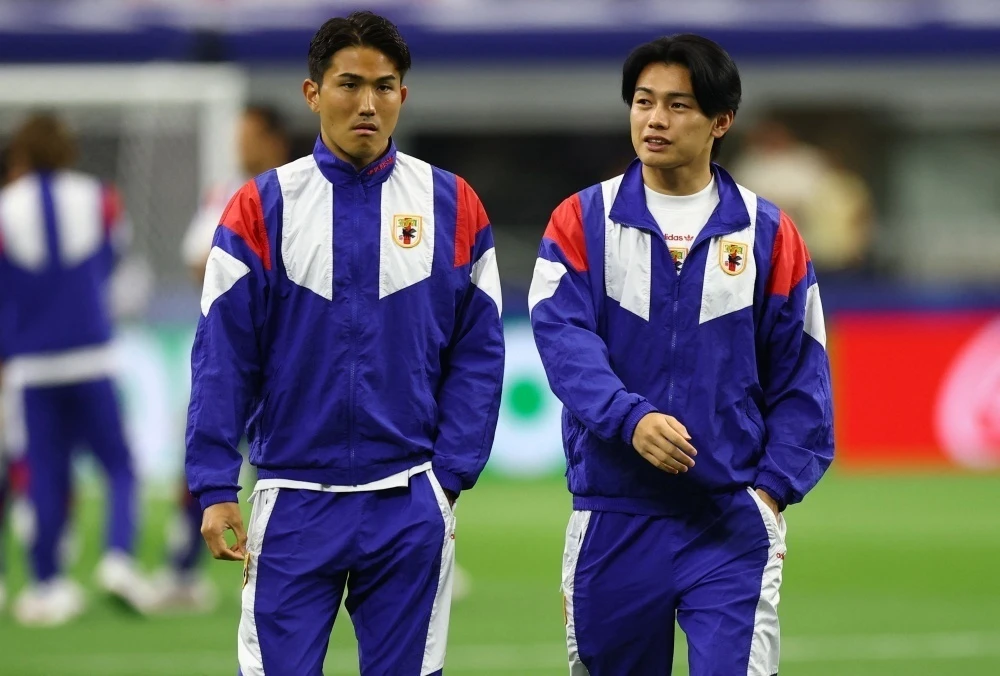
Japanese national team player. Photo: Reuters . |
Brazil and Japan will clash in the 2026 World Cup on the morning of June 30th (Vietnam time). On the field, this will be a confrontation between the most successful team in World Cup history and one of Asia's strongest representatives. But after 90 minutes of play, it will also highlight the differences in how the two footballing nations develop their players.
While most Brazilian players enter the professional arena in their teens, many Japanese players choose to complete their university studies before becoming football stars.
Universities also produce athletes.
Unlike many footballing nations around the world , Japan maintains three parallel pathways for player development: professional club academies, high school football, and university football.
According to FIFA , the university system is not an option for players who cannot make it to the professional level, but rather an official component of the talent development strategy.
Each year, hundreds of universities participate in nationwide student football tournaments, with many teams boasting facilities and training quality comparable to professional academies. This also serves as an important recruitment source for J.League clubs.
Universities with a tradition of training national team players include Tsukuba University, Waseda University, Meiji University, and Juntendo University. Among them, Waseda University has trained many generations of players and coaches for the Japanese national team, and is considered one of the cradles of Japanese football.
In the squad for the 2026 World Cup, a number of Japanese players are former students of prestigious universities in the country. For example, veteran defender Yuto Nagatomo graduated from the Department of Politics and Economics at Meiji University.



Notably, he only switched to playing as a full-back during his university years before developing into a key player for FC Tokyo. At the 2026 World Cup, Nagatomo became the first Asian player to participate in five consecutive World Cups.
Goalkeeper Tomoki Hayakawa also followed a similar path. After graduating from Yokohama F. Marinos Academy and Toin Gakuen High School, he went on to study at Meiji University before joining Kashima Antlers in 2021.
Similarly, center-back Shogo Taniguchi graduated with a degree in Physical Education from Tsukuba University. During his university years, he played in top-level college soccer leagues while also pursuing sports science research. After graduating in 2014, he signed a professional contract with Kawasaki Frontale and gradually rose to become a member of the Japanese national team.
The most famous example is Kaoru Mitoma. At the age of 18, this midfielder refused to sign a professional contract with Kawasaki Frontale in order to attend Tsukuba University – one of Japan's leading universities for sports training.
Mitoma's graduation thesis focused on analyzing dribbling techniques, in which he used a GoPro camera mounted on a teammate's head to monitor the player's vision and handling when beating defenders.
In addition, the midfielder also studied sports physiology and nutrition, and collaborated with athletics experts to improve his movement mechanics and speed on the field. Unfortunately, due to a serious injury, the young player was unable to participate in the 2026 World Cup with the Japanese national team.
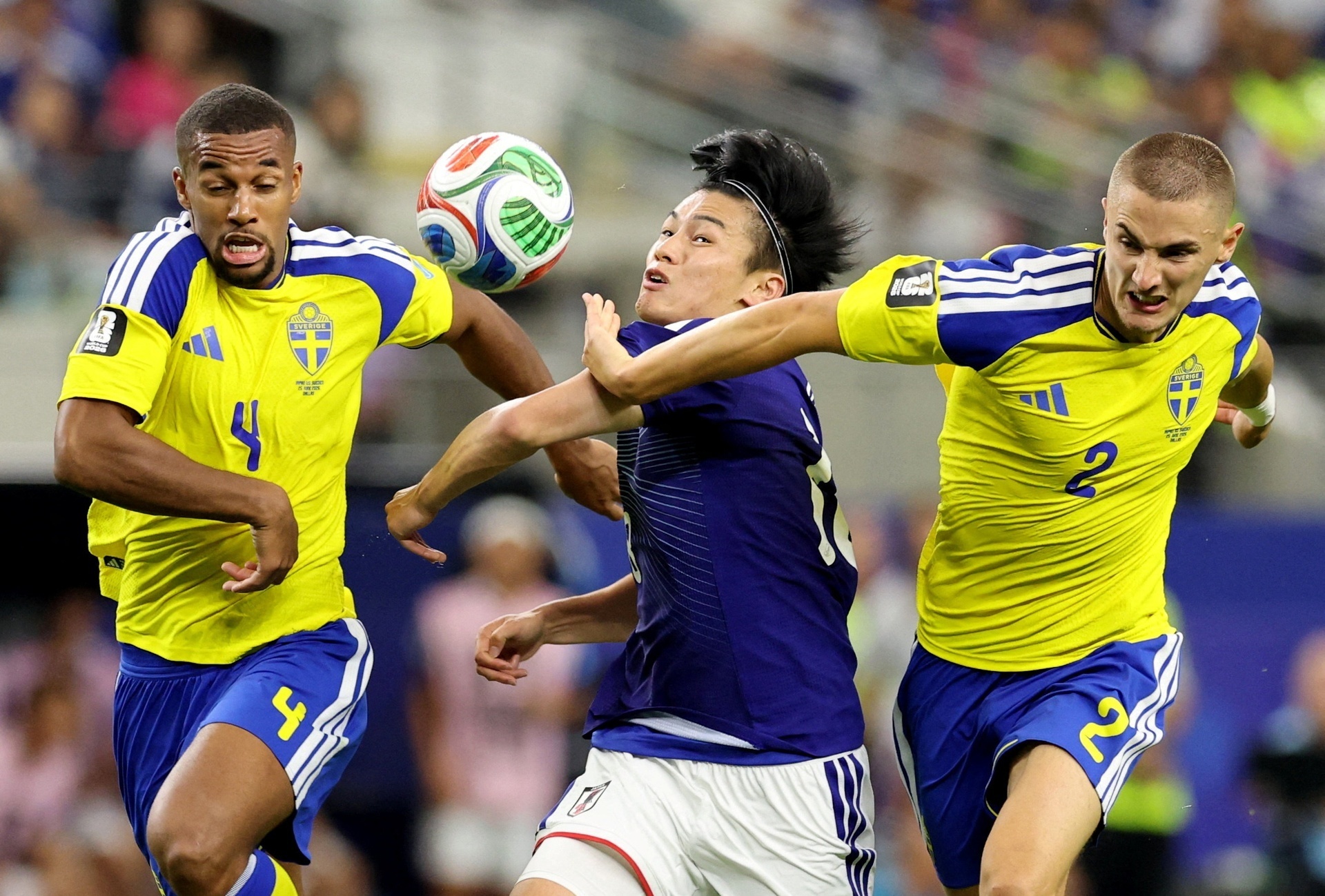 |
Japan will face Brazil at the 2026 World Cup. |
Brazil's completely different path
While Japan views university education as an integral part of player training, Brazil has developed a model that is almost the opposite.
Brazilian football talents are often discovered at a very young age, joining club academies and signing professional contracts when they are just 16-18 years old. Neymar, Vinícius Júnior, Rodrygo, and Raphinha all followed this path.



A 2023 study published in Frontiers in Sports and Active Living involving 179 Brazilian soccer players revealed that only 5.5% completed a university degree, while approximately 67% graduated from high school. The average age to begin professional play is 17.5, making the pursuit of higher education even less common.
Comparing the two teams, fans can see that Brazil prioritizes bringing talent into a top-level environment as early as possible to maximize their professional playing time. Meanwhile, Japan accepts that some players may take a few years longer to perfect both their skills and education.
Overall, different paths have contributed to the two teams that will participate in the knockout round of the 2026 World Cup. However, the cases of Mitoma, Nagatomo, and Taniguchi show that a university education does not necessarily slow down a player's career. In Japanese football, university is part of the training process for players with a solid professional foundation and well-rounded thinking.
Source: https://znews.vn/nhat-ban-chon-cau-thu-thi-dau-world-cup-kieu-gi-post1664447.html