


With many new features such as expanding the socialization of forensic examination, supplementing and perfecting prohibited acts, expanding the authority and capacity of public forensic examination organizations, reforming the procedures for forensic examination, shortening the time limit for forensic examination, and adding electronic documents to record the forensic examination process, the Law on Forensic Examination 2025 is expected to give a boost to this work and open up great opportunities to serve the needs of the people.
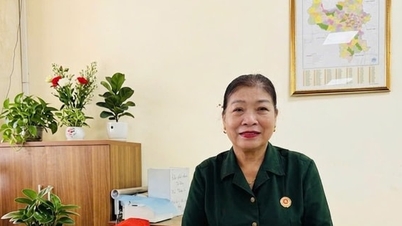
According to Dr. Nguyen Thi Ngoc Yen, Director of the Hanoi Forensic Center (Hanoi Department of Health ), allowing out-of-court forensic examinations in the new law is a very open regulation, aligning with developed countries and meeting the increasingly high civil needs of the people today. For example, DNA testing to determine kinship and identity for inheritance purposes; examining suspected injuries from assault or accidents before submitting a request to the prosecuting authorities... or as a basis for insurance and civil compensation activities.
In the field of forensic medicine, which accounts for the largest proportion of the Law on Judicial Expertise, the Law opens up opportunities for breakthroughs in the new context but also sets high demands. Dr. Nguyen Thi Ngoc Yen noted that society increasingly demands transparency and fairness, and litigation activities are placing increasingly stringent standards on scientific evidence for expert examination.
“Forensic examination is no longer limited to ‘determining injuries or the cause of death,’ but has become a crucial link in ensuring the objective truth of a case. While previously the primary requirement was ‘accuracy,’ now it must be ‘accuracy, completeness, and verifiability.’ Each forensic conclusion is a professional outcome and a ‘scientific piece of evidence’ that directly impacts a person’s legal fate,” Dr. Yen shared.
The 2025 Law on Forensic Examination is a very important step, "standardizing the entire forensic examination system" towards modernization and integration, with many factors promoting the development of forensic examination organizations in terms of expertise and legal capacity, and financial autonomy. Information technology and digital technology are increasingly being promoted to improve accuracy, shorten examination time, and increase transparency and data accessibility.
Commenting on the draft decree detailing and implementing the 2025 Law on Judicial Expertise regarding the establishment of Judicial Expertise Offices - non-governmental judicial expertise organizations, Mr. Nguyen Van Hung, Deputy Head of the Legal Support Department, Ho Chi Minh City Department of Justice, suggested that the authority to approve projects should be standardized with other legal support fields such as notarization or enforcement officers.
The proposal to transfer all authority from approving establishment plans to issuing operating licenses to the Forensic Examination Office to the Department of Justice is unreasonable, creating an imbalance in the management system and contradicting regulations on the authority to appoint and dismiss these positions, which currently rests with the Provincial People's Committee. The Ho Chi Minh City Department of Justice proposes maintaining the authority to approve establishment plans as decided by the Provincial People's Committee.
Associate Professor, Dr. Le Xuan Cuong, Deputy Director of the Institute of Criminal Science (C09), Ministry of Public Security, proposed researching and supplementing regulations on the operation of the Forensic Examination Office to ensure that forensic examination conclusions comply with professional standards and procedures and guarantee quality, as forensic examination conclusions have evidentiary value in litigation.
Regarding the socialization of forensic examination activities, the law allows for the expansion of socialization through the Office of Forensic Examination and the organization of forensic examinations on a case-by-case basis. This is the right direction, but it also carries risks regarding quality and professional ethics if there is a lack of control mechanisms. Therefore, clear standards need to be established regarding the conditions for practicing, the licensing mechanism, recognition, suspension, and revocation for non-governmental forensic examination organizations.
Source: https://nhandan.vn/nhieu-diem-moi-ve-giam-dinh-tu-phap-post956933.html

![[Photo] “Red Journey” 2026: Vietnamese Youth Continue Building the Bridge of Friendship Between Vietnam and China](https://vphoto.vietnam.vn/thumb/1200x675/vietnam/resource/IMAGE/2026/04/20/1776629730866_4055880775670638308-9618-4200-jpg.webp)



























































































Comment (0)