While BÊP Vietnamese Kitchen offers a modern space with a menu spanning all three regions of Vietnam, Ăn Chơi caused a sensation by winning the Michelin Bib Gourmand 2024 award for its simple yet sophisticated dishes such as bánh căn and Đà Lạt grilled rice paper. In the high-end segment, SEP restaurant elevates Vietnamese cuisine to an Indochine style with a tasting menu priced at HKD 1,680 (USD 215), using wood-fired grilling techniques to evoke authentic flavors.
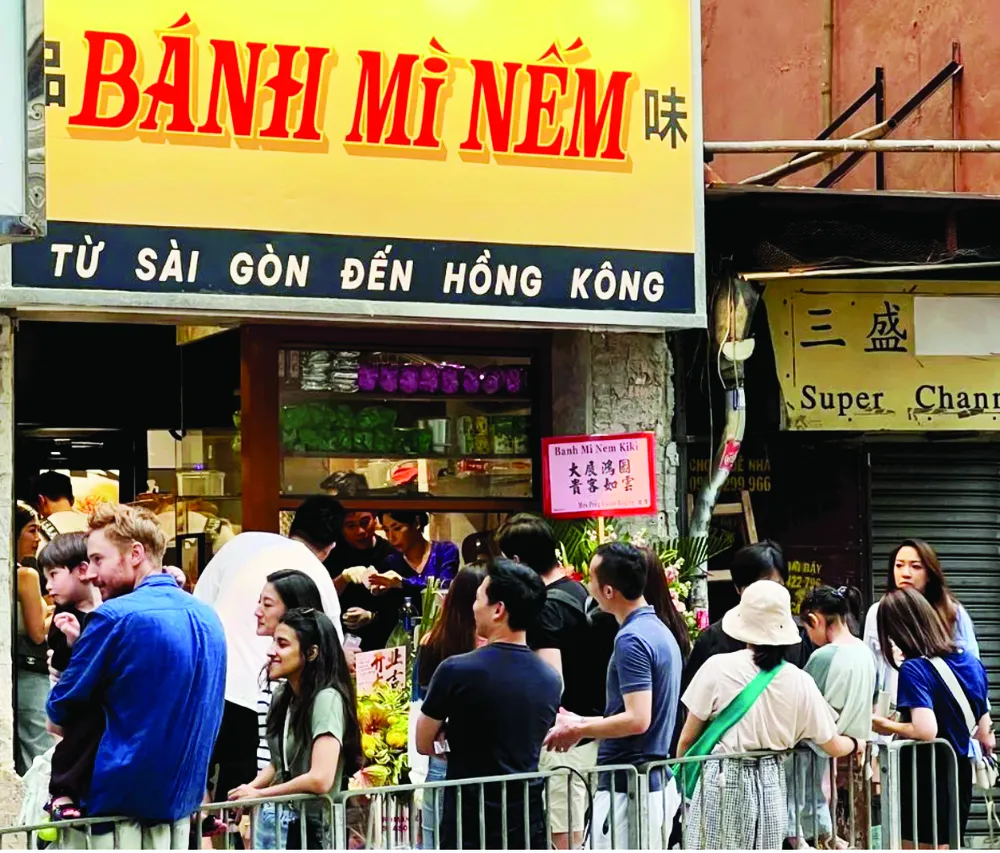
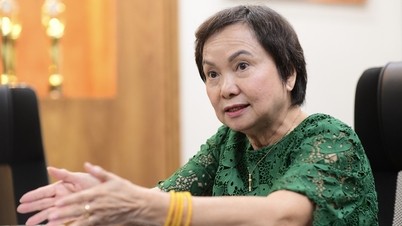
Among the beloved Vietnamese dishes, banh mi (Vietnamese sandwich) has emerged as a special phenomenon. Characterized by its quick, convenient, and nutritious nature, banh mi has become a preferred choice for busy workers in the Central area during their short lunch breaks. Banh Mi Nem stands out – a brand creating a sensation in Wanchai and Central. It's the only restaurant in Hong Kong to be included in the Michelin Guide's Selected list, attracting famous artists like Nicholas Tse. Banh Mi Nem was also honored by Foodie magazine (Hong Kong) as the Best Vietnamese Restaurant at the Foodie Forks 2025 awards last September. The owner is Kiki Phung, a Vietnamese woman who has lived in Hong Kong for nearly 20 years. Passionate about travel and food, Kiki opened Banh Mi Nem not only for business but also to satisfy her longing for home and her desire to establish the value of Vietnamese banh mi abroad.

Kiki shared that during the Covid-19 pandemic, when flights were suspended, she couldn't find a single baguette in Hong Kong that tasted authentically like home. After the pandemic, she spent six months traveling back and forth between Vietnam and Hong Kong to learn the proper way to make bread, from dough fermentation to baking techniques to ensure the crust is crispy and fluffy while the inside remains soft and moist. Opened in 2023, Banh Mi Nem quickly became a phenomenon. The image of long lines of people waiting during lunchtime has become familiar. The shop serves about 10 different fillings at prices ranging from 72 to 80 HKD (9.2 USD - 10.23 USD per baguette). Mixed baguettes, braised pork with crispy skin, grilled chicken, and grilled spring rolls are always on the "sold out" list. What sets Banh Mi Nem apart is its generous fillings and especially its rich, fragrant pate. Kiki revealed that the pate at her shop is imported directly from Vietnam to ensure the most authentic flavor. The shop also keeps a full supply of herbs, scallions, cucumbers, and pickled vegetables, unlike many Vietnamese restaurants in Hong Kong that often limit these vegetables.
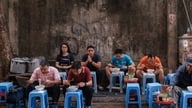
Besides the banh mi craze, the Vietnamese culinary landscape in Hong Kong still offers many other interesting options. There are humble eateries like Viet Chiu Vietnamese Cuisine in Shek Tong Tsui, where diners can sit on small stools to enjoy a bowl of flavorful Vietnamese grilled pork vermicelli. In the bustling Mong Kok area, Pho Viet Authentic Hanoi Cuisine impresses with the image of people patiently queuing, just waiting for the chance to taste an authentic bowl of Northern Vietnamese pho in the heart of Hong Kong.
The diversity is also evident in restaurants like An Nam, which transports diners back to a classic setting to enjoy Hue royal cuisine. Or at Pacific Place, Co Thanh restaurant, with its famous dishes such as Hue beef noodle soup and beef wrapped in betel leaves, offers a more luxurious and modern experience, while skillfully preserving the authentic "roots" of Vietnamese flavor.
From small eateries in the 1970s serving the Vietnamese and Vietnamese-Chinese communities, Vietnamese cuisine in Hong Kong has undergone a spectacular transformation. Today, from old markets to upscale shopping malls, you can easily find Vietnamese restaurants, such as BÊP Vietnamese Kitchen, Ăn Chơi, or Chôm Chôm in the Central and Sheung Wan areas.



Source: https://www.sggp.org.vn/nhung-can-bep-viet-giua-long-hong-cong-post840475.html