At 11 PM on September 10, 2024, I received a call from Lieutenant Colonel Tran Thu Hoa, Head of the Current Affairs - Politics Department. The message was brief: "A flash flood has just wiped out Lang Nu village in Lao Cai. You and Hoang Phong go there." At 5 AM the next morning, I got into the car with reporter Hoang Phong and began a journey of hundreds of kilometers to the northern mountainous region. It was the first time in my journalistic career that I had been to a disaster zone. For over 10 years as an editor specializing in international news, my work mainly involved analyzing world events remotely, and I had never had the experience of directly approaching the scene of a flash flood.
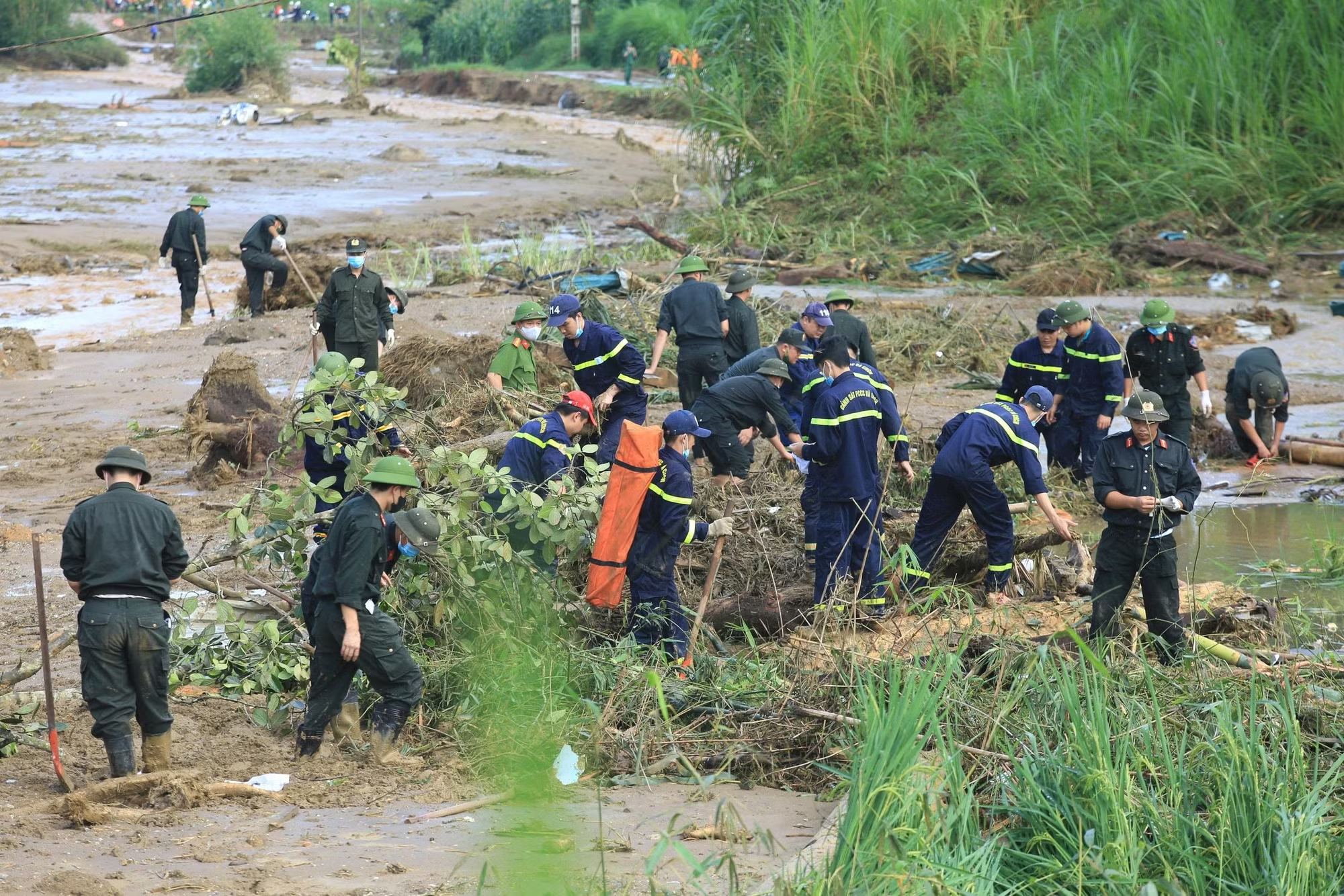
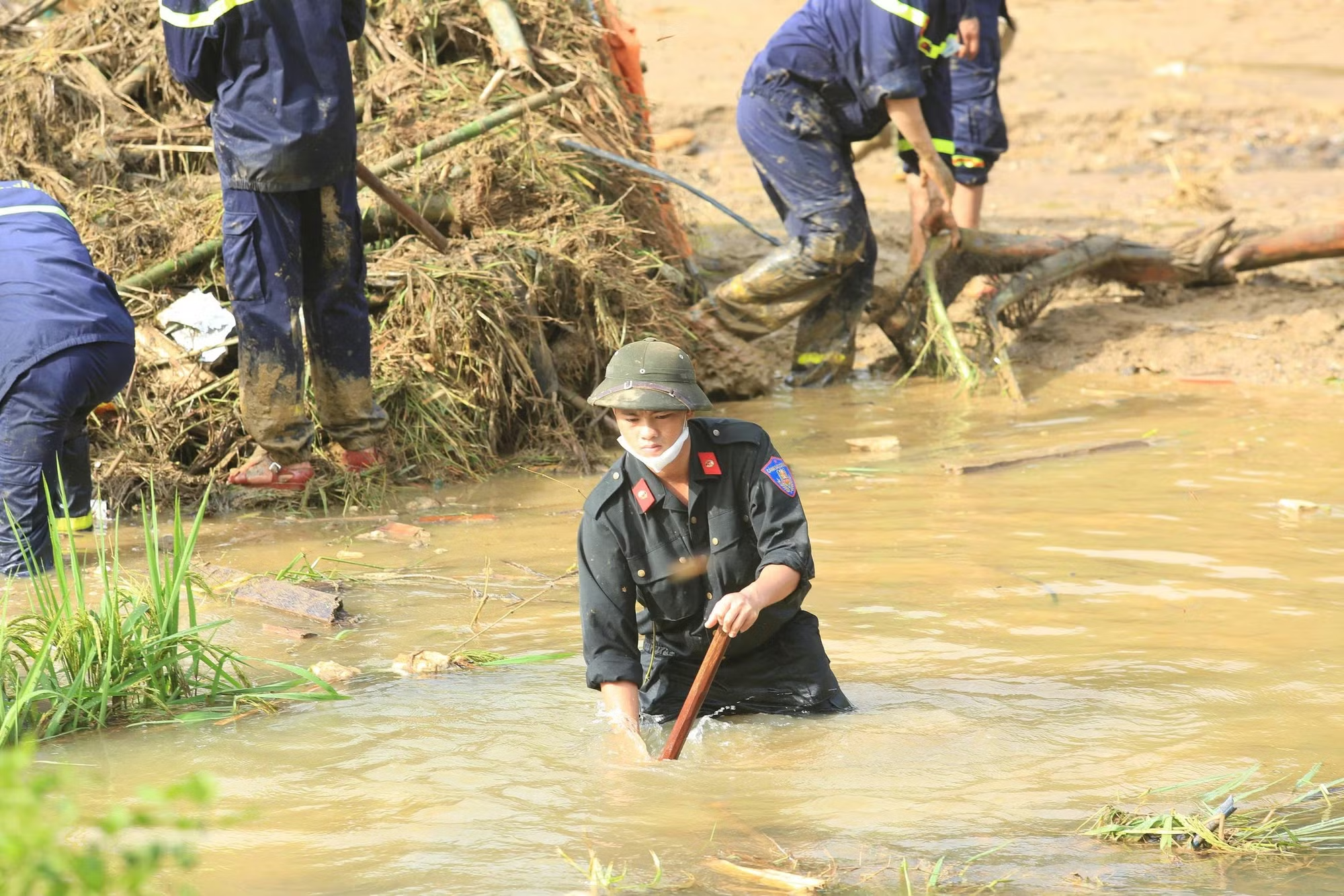
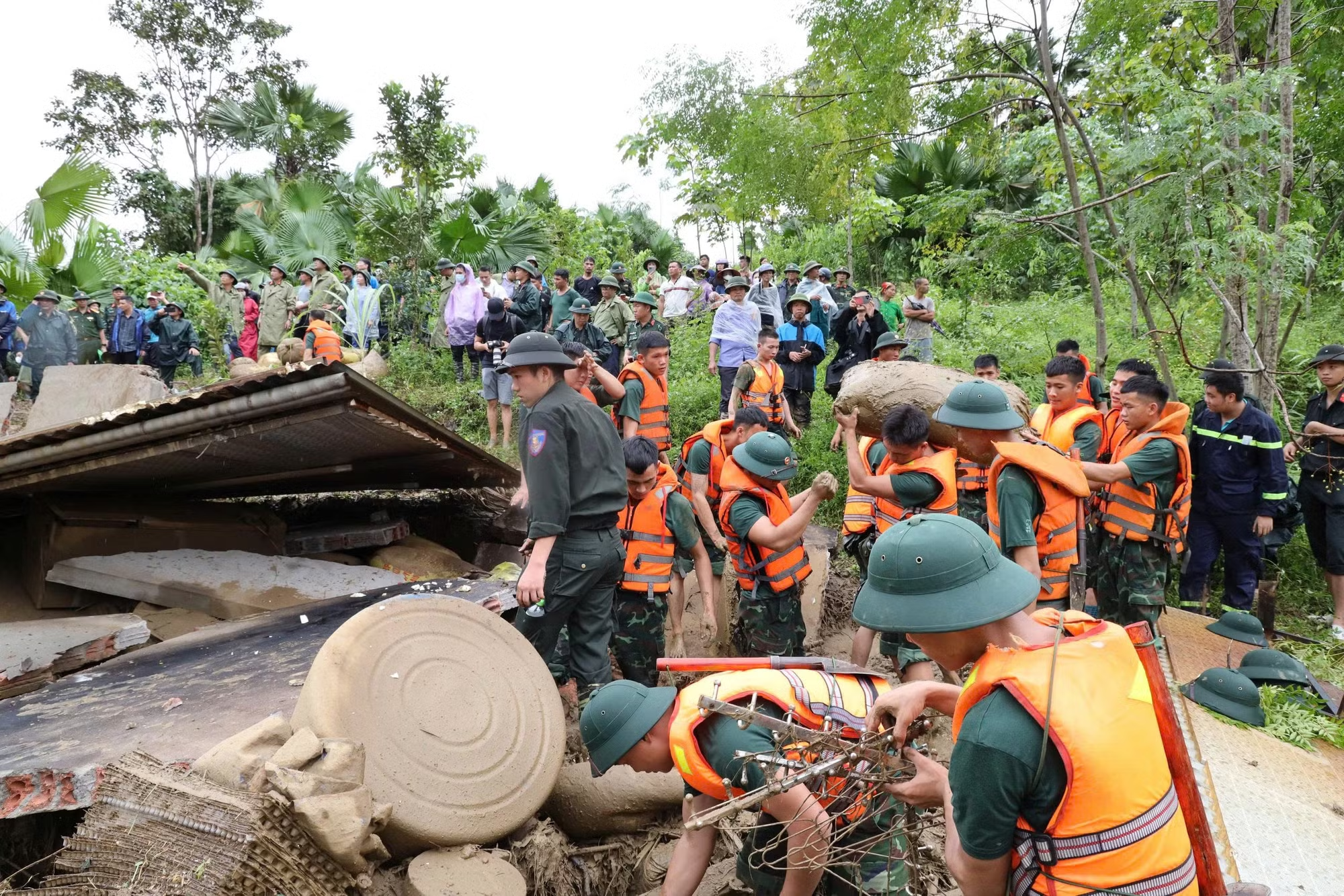
From Lao Cai City, we joined a convoy led by Colonel Hoang Manh Hung, Deputy Director of the Provincial Police, heading towards Bao Yen. The road was heavily damaged by landslides in many sections, forcing the vehicles to stop several times to wait for the road to be cleared. Upon reaching Phuc Khanh, the vehicles could not proceed further. We got out and walked, spending nearly 30 minutes navigating sections of mud up to our ankles. The place where 37 households with 158 people once lived is now a vast, flat expanse of rocky land. Mount Voi, the mountain that the people of Lang Nu village had called their refuge for generations, had collapsed on the morning of September 10th.
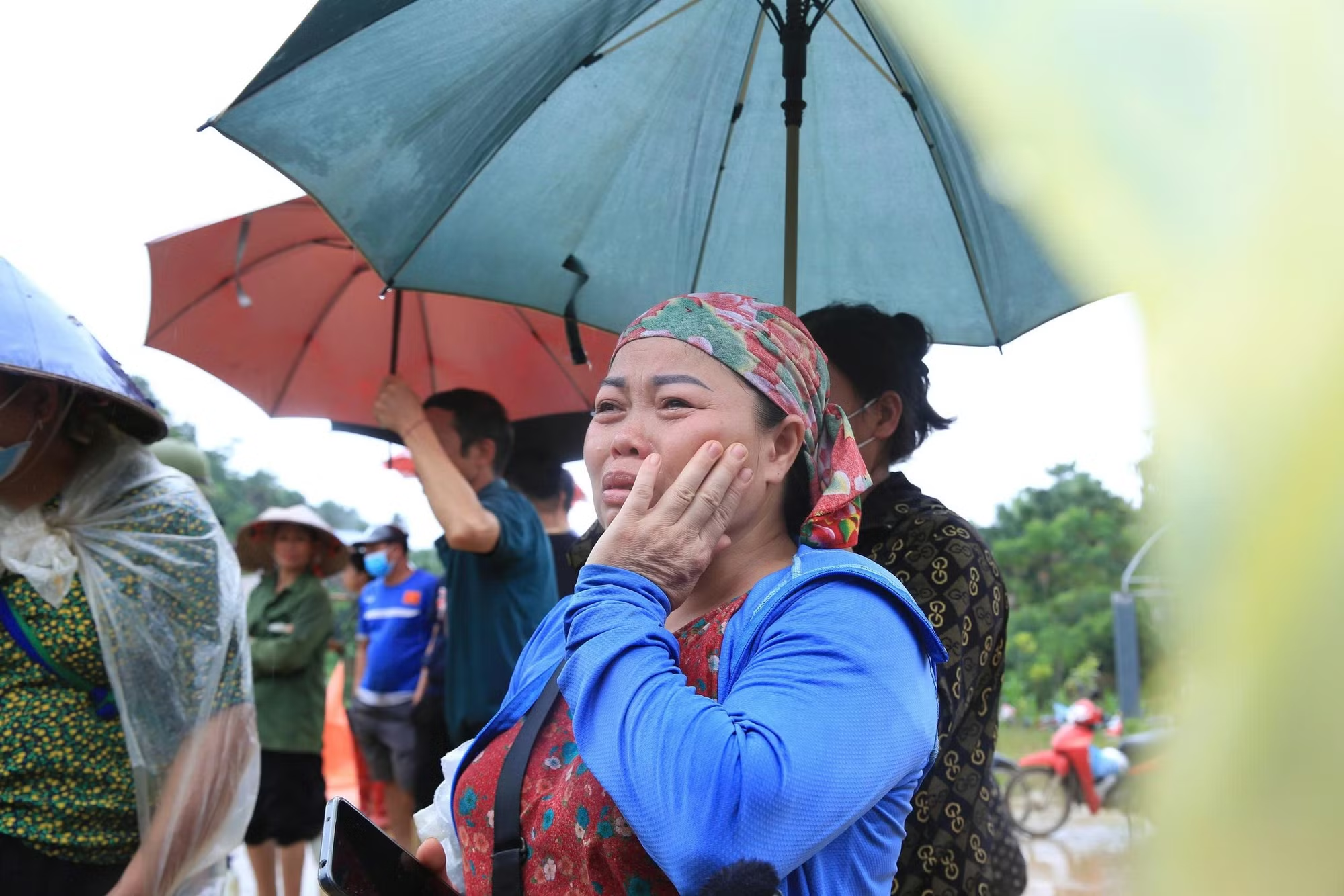
I had previously written about humanitarian disasters in distant places. But standing in Lang Nu, I understood the vast difference between writing about suffering and actually experiencing it firsthand. There were no news reports. No analysis. Only mud and the stunned faces of survivors standing silently before what used to be their homes. Lieutenant Colonel Bui Anh Tuan, then Deputy Chief of Police of Bao Yen District, who was present from the very first hours after the disaster, recounted: "Phuc Khanh was completely cut off, everything was flooded. Then the news came: there was a major landslide in Lang Nu. I had a bad feeling." Dozens of police officers spent the night in the mud searching for missing people. Those were the first things that taught me more about my country, from a reality I had never witnessed firsthand before.
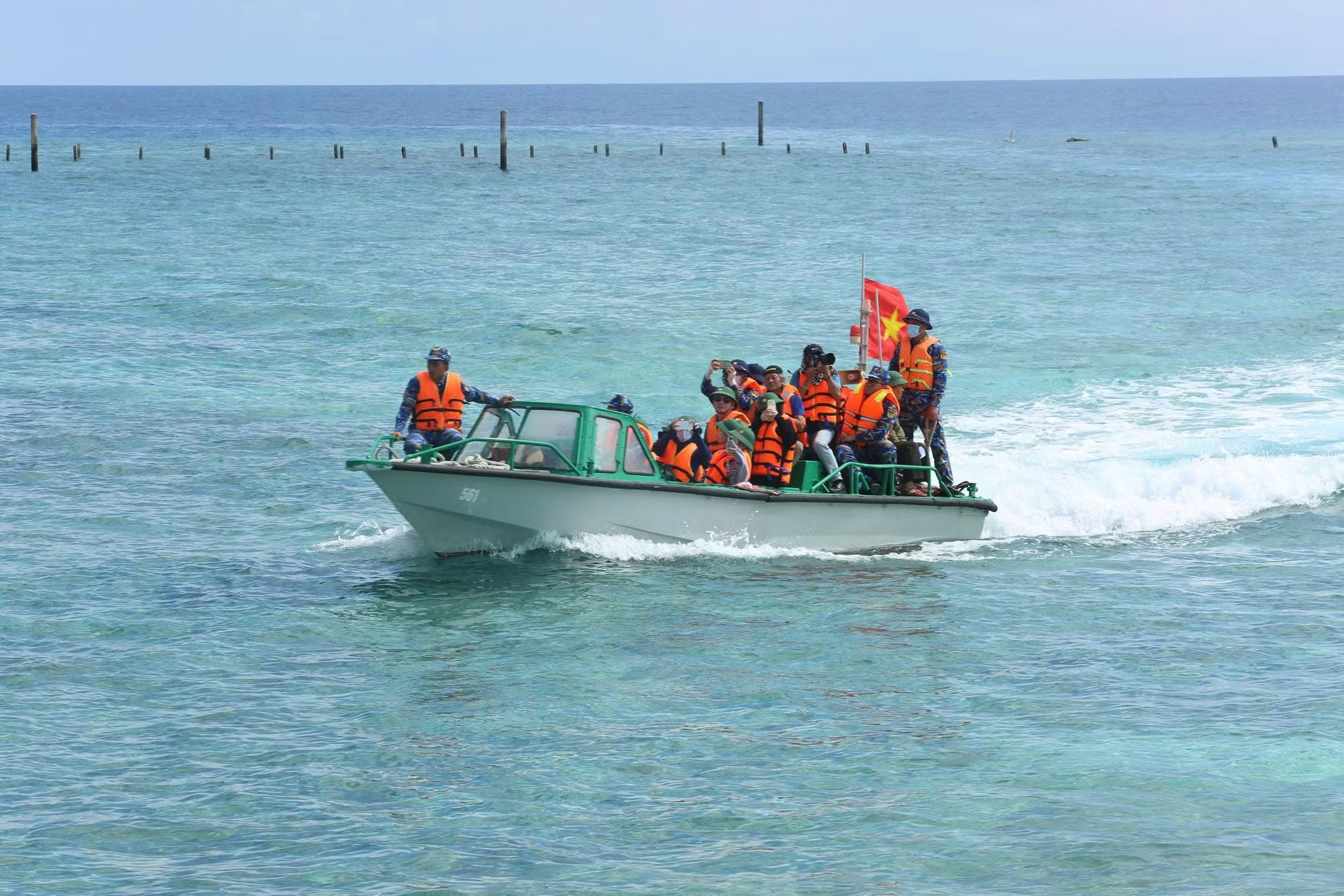
More than six months later, on April 5, 2025, I boarded the HQ-561 ship for the first time to set sail. The ship cut through the waves heading south, carrying 176 delegates from Task Force No. 7 to Truong Sa and the DK1 platform. I received the order to go almost without preparation. My everyday worries suddenly faded as the mainland receded and all that remained before me was the vast expanse of the sea.
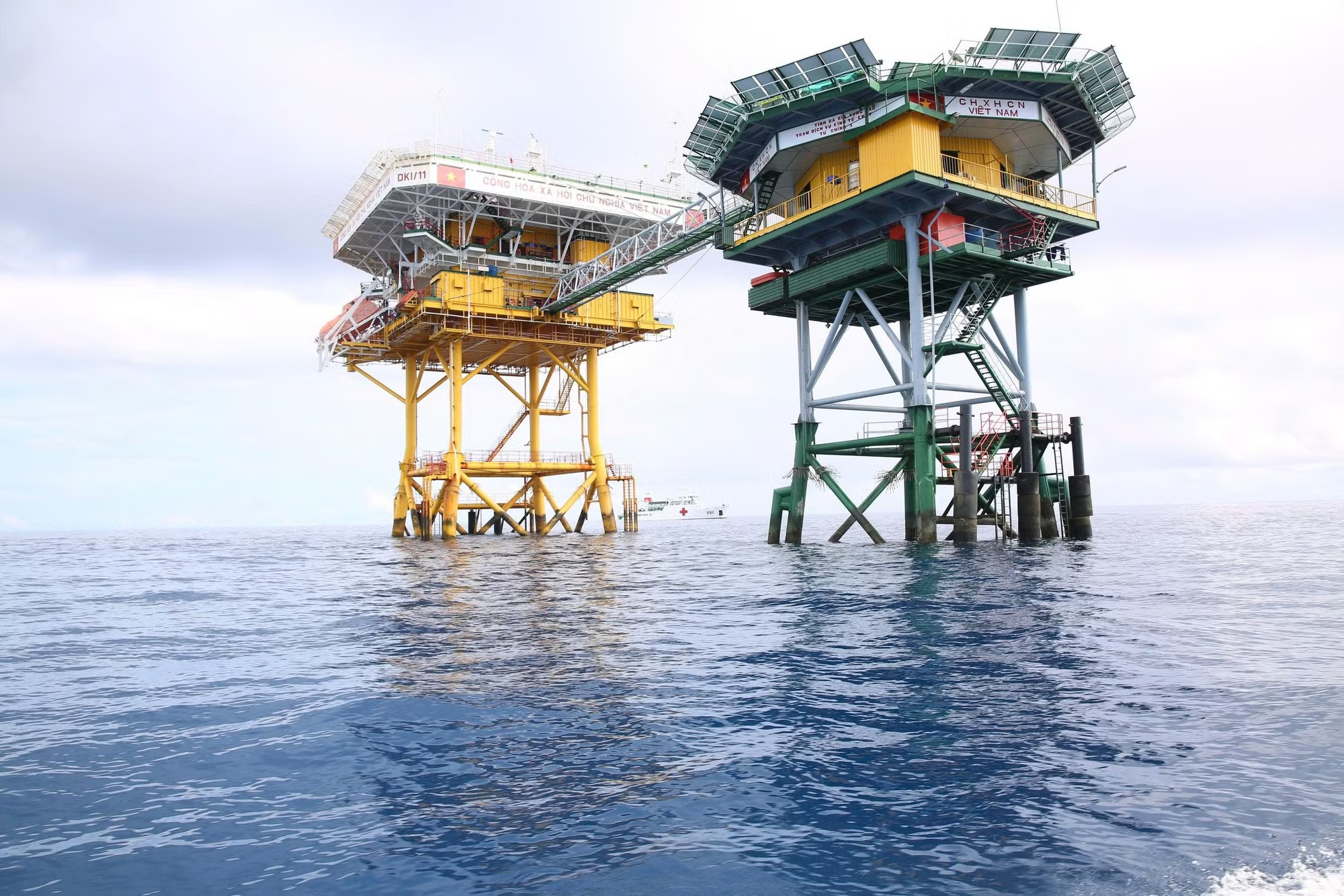
I have written about the South China Sea many times, from a geopolitical perspective, from international rulings, from multilateral forums. But standing on Truong Sa Island, watching the red flag with a yellow star fluttering in the sea breeze, I realized I had never truly written about Truong Sa, but only from afar. The soldiers on the island we met didn't talk much about hardship. They talked about their routines: morning exercise, midday rest, afternoon patrol, evening reading or watching movies. It is this persistent normalcy that makes the word "Homeland" feel so close.
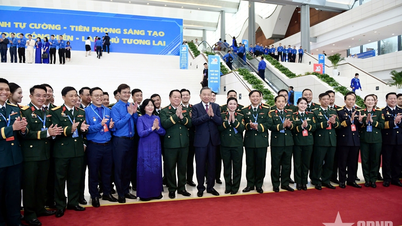
But the places that journalism has taken me to are not just geographical locations on maps. Besides Nu Village and Truong Sa, there is another space that I also entered for the first time: major political events of the country, where I was rarely assigned before. Those working on international affairs usually stand on the edge of large halls to observe the foreign affairs section, record diplomatic handshakes, and analyze international significance. But when assigned to cover the Central Public Security Party Committee Conference, the Central Public Security Party Congress, or events with the direct participation of high-ranking leaders of the Party and State, I realized that I was entering a working environment where the language, pace, and professional requirements were unlike anything I was used to.
At the 14th National Congress of the Communist Party of Vietnam, held from January 19-23, 2026, I stood in the auditorium of the National Convention Center as a photojournalist, a role I had previously mainly undertaken at smaller-scale diplomatic events. That environment made it impossible for a photographer to work as usual. Every moment of clicking the shutter had to be carefully considered, because there was no second chance.
The hardest thing isn't taking many photos, but knowing which moment to press the shutter. A single second as the General Secretary walks past the delegates' seats could be a moment of historical significance, if the photographer isn't even a split second too slow. Then, on March 15, 2026, the election day for the 16th National Assembly and People's Councils at all levels for the 2026-2031 term, I worked for the first time at a polling station attended by high-ranking Party and State leaders. It was a completely different space: crowded, open, with clearly defined boundaries for reporting, but demanding a much higher level of concentration than any other event I had attended.
There, the reporter had to maintain their position to get a good shot while also stepping back at the right moment to avoid disrupting the solemn and intimate atmosphere of a political event. Just one excessive step forward could ruin a colleague's camera angle, affect their movement, or break the carefully prepared order.

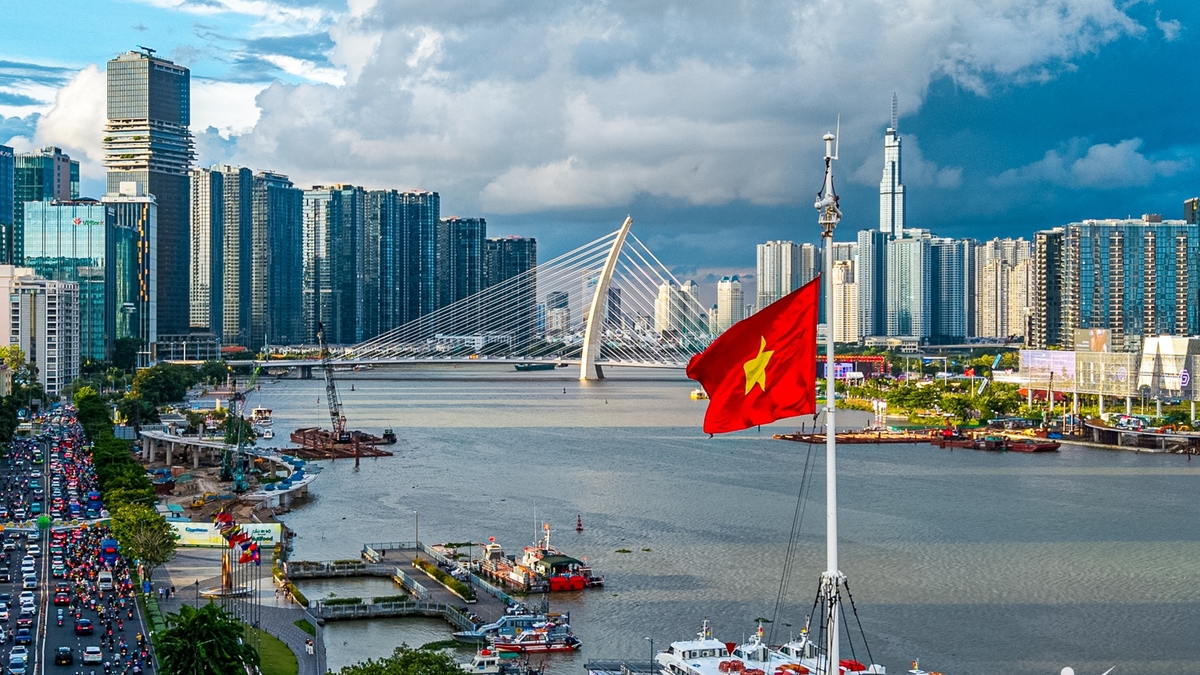
Before visiting Lang Nu, I was used to viewing disasters through the numbers of casualties. Before visiting Truong Sa, I was used to discussing sovereignty through rulings and documents. In large auditoriums, I often stood at a distance, reading policy decisions as if they were news reports. Those understandings weren't wrong. But once I stepped inside, I realized I had lacked something no screen could convey: the feeling of being an eyewitness. This country is larger than I thought, not in terms of area, but in terms of depth. Truong Sa is far more distant than many places in the world I've written about, yet it made concepts like sovereignty, homeland, and borders feel closer than ever. Lang Nu wasn't included in any geopolitical analysis, but it taught me more than many international crises I've followed.
Journalism often takes people to places they didn't choose. But it is there that writers learn more about what they are still lacking.
Source: https://cand.vn/nhung-mien-dat-nghe-bao-dua-toi-toi-post814760.html