

Choosing whole, nutrient-rich foods can reduce the risk of chronic diseases and contribute to long-term health and longevity, according to the health website Health .
Barbie Cervoni, a nutritionist in the US, has identified food groups that have a positive impact on health and are suitable for a longevity-supporting diet.
Bean
Beans come in many varieties, such as red beans, black beans, and green beans. They are a natural source of protein and are rich in iron, zinc, folate, potassium, and fiber.

Beans are a natural source of protein and are rich in iron, zinc, folate, potassium, and fiber.
Photo: AI
Beans contain complex carbohydrates that are digested slowly, providing a steady source of energy and supporting blood sugar regulation. Beans are virtually free of trans fats, saturated fats, cholesterol, and sodium.
Berries
Berries, including blueberries, raspberries, cranberries, and strawberries, are a source of antioxidants such as anthocyanins, resveratrol, and ellagic acid. These substances help protect cells from damage caused by free radicals. This group of fruits also contains many flavonoids that reduce inflammation and lower the risk of chronic diseases such as cancer, heart disease, and digestive disorders.
Greek yogurt
Unsweetened Greek yogurt is rich in probiotics. These are beneficial microorganisms that naturally live in the gut, mouth, and vagina.
Probiotics support gut health and may benefit people with diabetes or osteoporosis. They also aid in weight management.
Greek yogurt is high in protein, potassium, phosphorus, calcium, and magnesium. These nutrients contribute to overall health.
Soybeans
Soybeans are rich in fiber, vitamins, and minerals such as calcium, potassium, magnesium, vitamin C, and folate. They are also a good source of protein.
Approximately 80 grams of soybeans provide about 16 grams of protein, enough to support cell repair and maintain muscle mass.
A 200g serving of cooked soybeans provides about 10g of fiber, which helps control blood sugar.
This benefit may come from fiber and isoflavones, which are known to aid in weight loss, fight cancer, and lower cholesterol.
Olive oil
Olive oil is primarily composed of monounsaturated fats. These are beneficial fats that help lower LDL – the type of cholesterol that is bad for cardiovascular health.
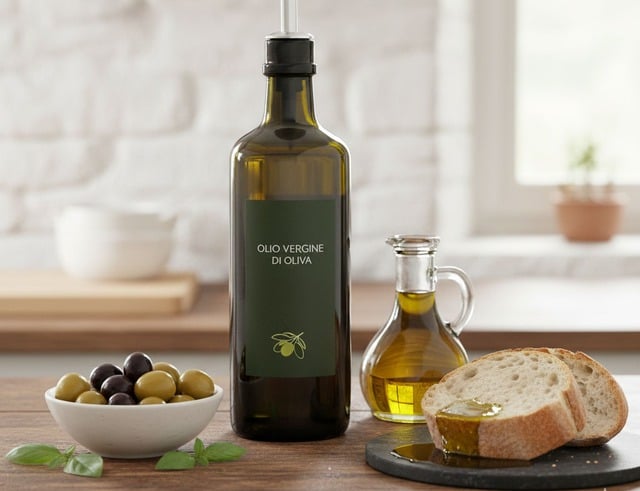
Studies show that people who consume olive oil have a lower risk of dying from cancer, heart disease, lung disease, or neurodegenerative diseases.
Photo: AI
Oleic acid in olive oil also helps reduce inflammatory responses. Olive oil is rich in vitamin E, an antioxidant that helps protect cells.
A 2022 study published in the journal J. Am. Coll. Cardiol showed that people who consume olive oil have a lower risk of dying from cancer, heart disease, lung disease, or neurodegenerative diseases.
Guasch Ferré, a researcher at the Harvard TH Chan School of Public Health (USA), says olive oil is suitable for a heart-healthy diet.
Fish and seafood
Fatty fish such as sardines, salmon, oysters, and mackerel are rich in omega-3s. These nutrients have anti-inflammatory effects and support both cardiovascular and brain health.
In particular, people who eat fish, even small fish, generally have a lower risk of death.
green vegetables
Leafy green vegetables such as kale, spinach, broccoli, and lettuce are rich in vitamins A, B, C, E, and K, and minerals like iron, potassium, magnesium, and calcium. This food group helps reduce the risk of cancer, heart disease, osteoporosis, digestive disorders, and obesity.
Leafy green vegetables are rich in polyphenols, antioxidants that support DNA repair and reduce cell damage. This food group also contains resistant starch and fiber, which help control blood sugar.
Source: https://thanhnien.vn/nhung-thuc-pham-giup-keo-dai-tuoi-tho-185251214224857846.htm
![[Photo] General Secretary and President To Lam meets with National Assembly delegates from ethnic minorities.](https://vphoto.vietnam.vn/thumb/1200x675/vietnam/resource/IMAGE/2026/04/20/1776696701056_a1-bnd-8331-3342-jpg.webp)



![[Image] National Assembly discusses the implementation of the socio-economic development plan.](https://vphoto.vietnam.vn/thumb/1200x675/vietnam/resource/IMAGE/2026/04/20/1776696707422_ndo_br_img-20260420-185419-jpg.webp)
















































































Comment (0)