

In early April, when the gentle, silken sunlight embraced the cool, refreshing late spring breeze, my grandmother would bring home from the market apricots, golden and fragrant, in her familiar basket. Every year, she would carefully prepare a jar of pickled apricots from late spring, so that when summer arrived, the whole family could enjoy a glass of cool, nutritious apricot juice. She meticulously selected the apricots; each one was golden, juicy, covered in a soft layer of fuzz, with a rosy blush and a delightful aroma.
 |
| Illustration: HOANG DANG |
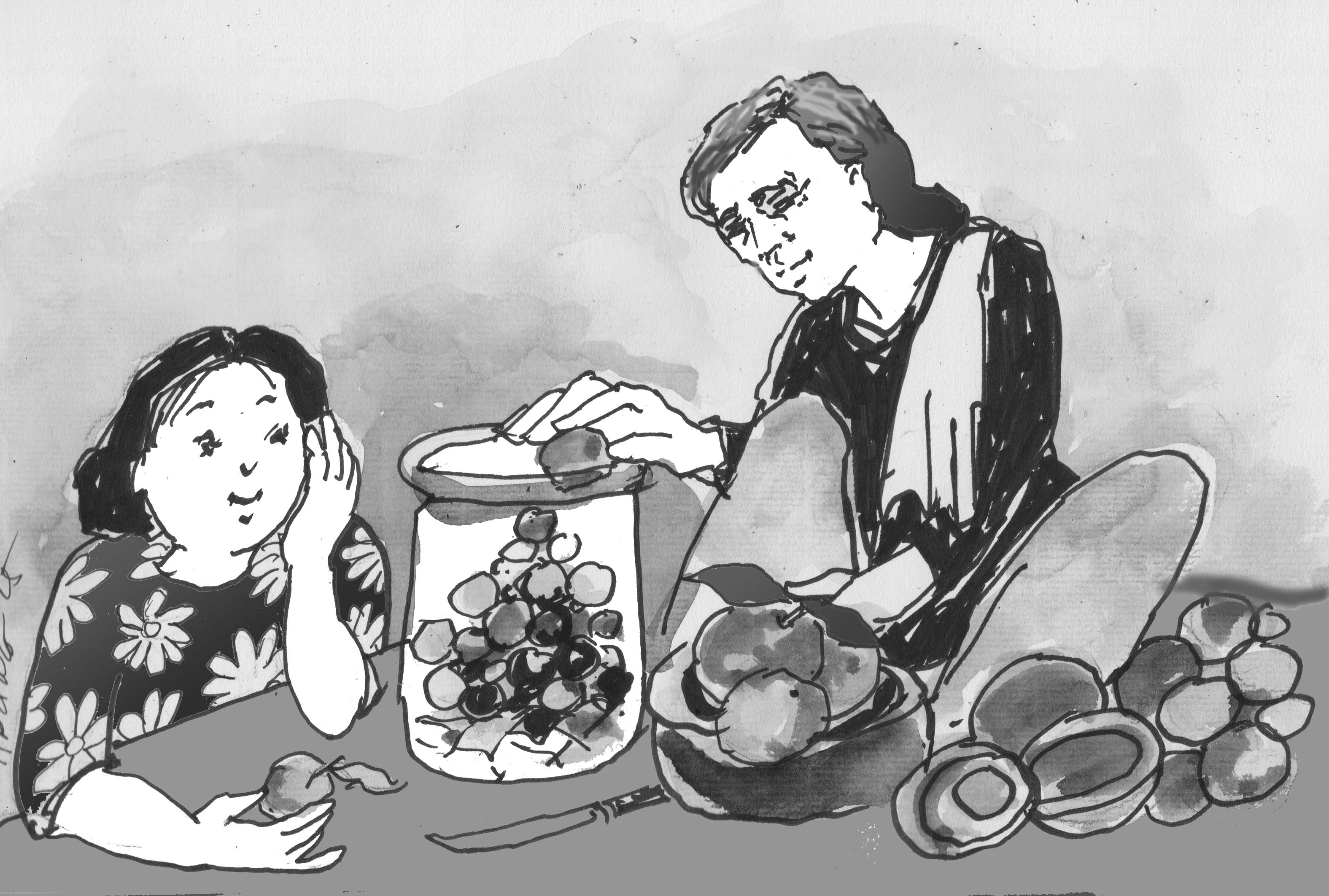
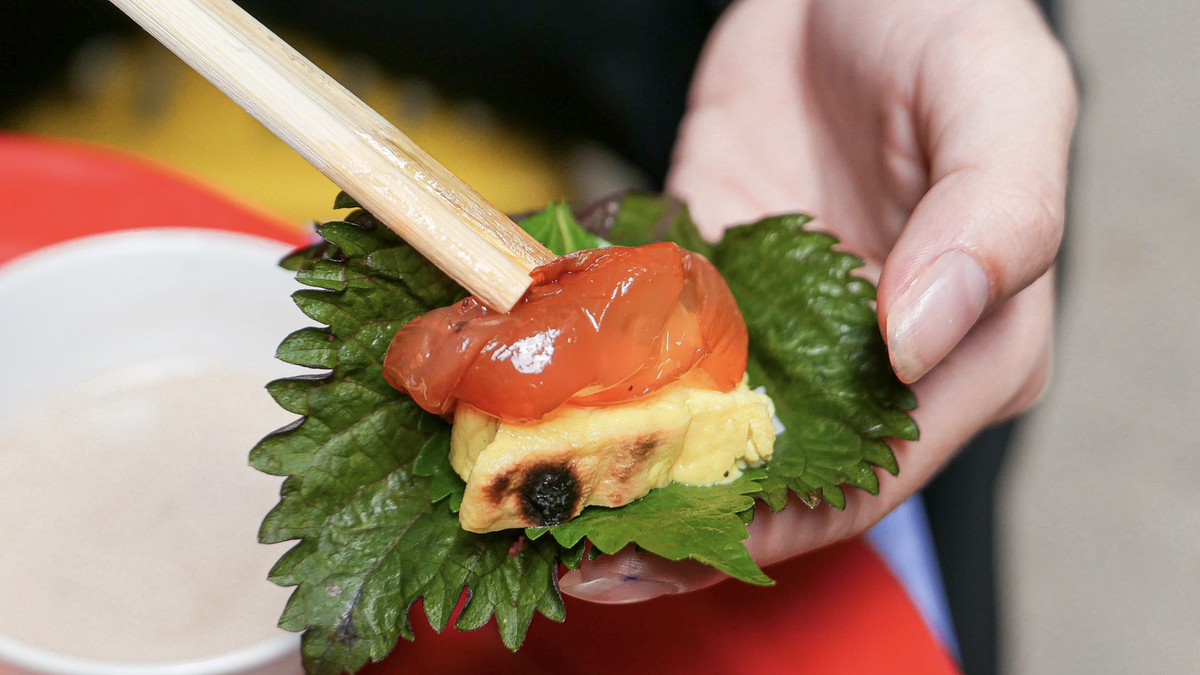
She used a small knife to remove the stems from the apricots, then soaked them in diluted salt water. After ten to fifteen minutes, the apricots were taken out, rinsed repeatedly with clean water three or four times. She spread the apricots evenly on a bamboo tray to drain. She washed the glass jar thoroughly and rinsed it well with boiling water. Once both the apricots and the jar were clean and dry, she would pickle them.
My grandmother often preserved apricots with rock sugar. While she was doing it, she would explain to me about apricots. She said apricots are warm in nature, affecting the liver, spleen, and lungs, and have many health benefits. Apricots preserved in sugar are used to clear heat, reduce inflammation, and prevent sunstroke. I mischievously said, "I only find apricots preserved in sugar and mixed with water refreshing and delicious, Grandma." She laughed, her eyes sparkling, and gently patted my forehead with love.
With nimble hands, she spread a layer of crushed rock sugar at the bottom of the jar, then arranged a layer of apricots on top, followed by another layer of sugar… and so on, until the jar was half full. She then added the final layer of sugar, a pinch of salt, sealed the lid tightly, and placed it in a cool, airy place. She didn't fill it completely because she needed to leave some space for the apricots to ferment.
She measured the sugar content with her hands, marked by the hardships of her past. She estimated the sweetness and sourness of the apricots by their color, aroma, and the grimace I made when I hastily tasted a fresh one. She didn't have a standard recipe for pickled apricots. Yet, even now, after traveling thousands of miles and enjoying countless refreshing drinks, her pickled apricots remain the most delicious in my memory.
In June, the sky is a vast, clear blue, with white clouds like soft silk ribbons stretching across the expanse. The juice from the apricots mixes with the sugar, creating a smooth, syrupy mixture like honey. The apricots are ripe but still retain their freshness, with a delightful blend of sweet and sour flavors. During those days, my hometown enters the rice planting season.
From early morning, she would prepare apricot juice to take to the fields for my parents to quench their thirst. She skillfully adjusted the ratio of apricot juice to water so that the finished product wasn't overly sweet, nor too bland. She added a little lime juice to soften the sharp sourness and bring out the characteristic aroma of the apricots. After finishing, she poured the apricot juice into glass bottles, sealed them tightly, and tied them with string before lowering them into a well filled with laterite water. The cold well water would lower the temperature, enhancing the refreshing and delicious flavor of the apricot juice.
Around mid-morning, she would pull bottles of apricot juice from the well, carefully wrapping them in thick cloths to keep them cool, then placing them in a bamboo basket. Carefully arranging a few glasses and some snacks, she would sling the basket over her head. Holding the basket with one hand and leading me with the other, she would walk to the fields where my parents were diligently working. She always prepared plenty of food and drink to offer to the villagers working nearby, hoping they could rest and enjoy a drink together. She poured her love into those cool bottles of apricot juice, hoping they would give the farmers strength after many hours of hard work.
The pickled apricots, prepared by the old woman, were shared among hands still stained with mud. Occasionally, a satisfied sigh of relief would ring out. After hours of hard work, a glass of mildly sour apricot juice with a sweet aftertaste was perfect for quenching thirst and dispelling fatigue. When biting into a pickled apricot, the firmness of the skin and the released sourness caused a slight tingling sensation in the teeth. But very quickly, the sourness faded, leaving a sweet aftertaste in the throat.
After a few minutes of rest, drinking cool water and having a light snack, my parents and the farmers rearranged their belongings in the basket, happily thanked my grandmother and me, and eagerly waded back into the mud to continue planting and harvesting. My grandmother lifted the basket on her back and took my hand as we headed home.
The sun shone down like golden honey, and the strong wind from the fields dispelled the summer heat. Grandma walked barefoot, her toes spread out, the tips curled tightly against the smooth dirt road. Her hands guided me through the peaceful years of my childhood. Her kind heart taught me to love my homeland, to love the hardships of the farmers who toiled under the sun and rain. And her glasses of pickled apricot juice became a sweet memory, lingering in my mind like a drink of love.
Source: https://baodanang.vn/channel/5433/202504/nhung-trai-mo-ngam-4004804/
















![[Photo] Prime Minister Pham Minh Chinh receives the Chinese Ambassador to Vietnam](https://vphoto.vietnam.vn/thumb/1200x675/vietnam/resource/IMAGE/2026/04/05/1775397481797_ndo_br_dsc-5512-jpg.webp)









































































Comment (0)