US intelligence warns that the number of missiles capable of reaching this country's territory could increase many times over in the next decade.
Báo Khoa học và Đời sống•26/03/2026
According to a new US intelligence report, the number of missiles capable of striking US territory is rapidly increasing. While currently around 3,000, this number could reach approximately 16,000 by 2035. US Director of National Intelligence Tulsi Gabbard said that many countries are developing new missile systems, including those capable of carrying nuclear or conventional warheads with intercontinental range.
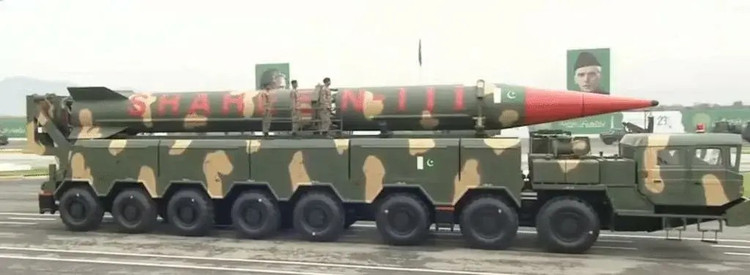
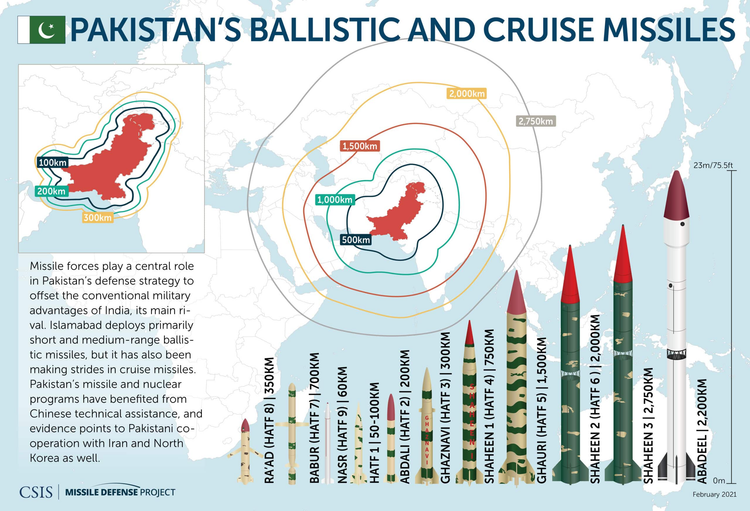
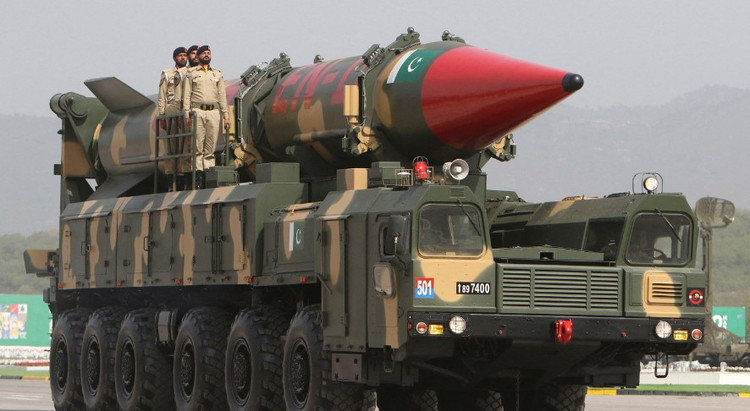
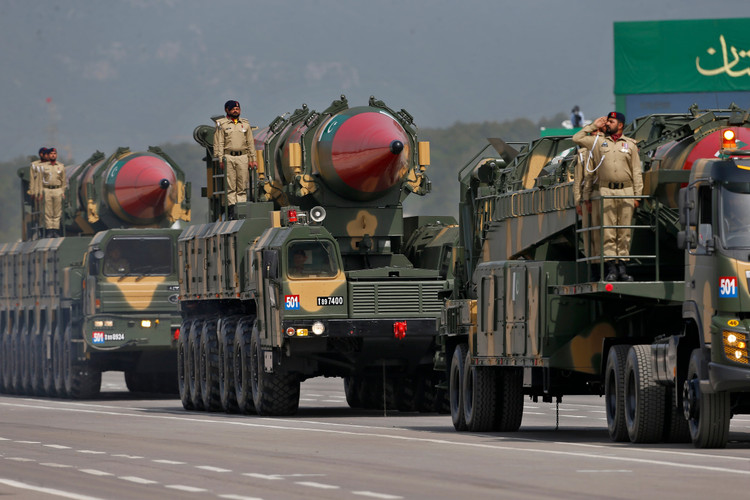
According to the report, missile programs are being accelerated in China, Russia, North Korea, Iran, and Pakistan. These countries are investing heavily in advanced missile technologies. Pakistan is a name that stands out in the report. Some assessments suggest that the country may be researching long-range ballistic missiles, and possibly even developing intercontinental ballistic missiles. However, experts also point out that Pakistan's longest-range missile currently is the Shaheen-III, with a range of approximately 2,750 km, primarily intended to deter its regional rival, India. To be able to strike US territory, a missile needs a range of at least 5,500 km. The distance from Pakistan to the US exceeds 11,000 km, making this capability still very far-fetched.
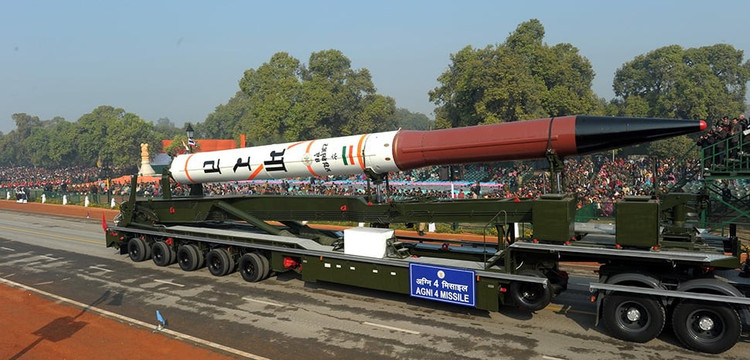
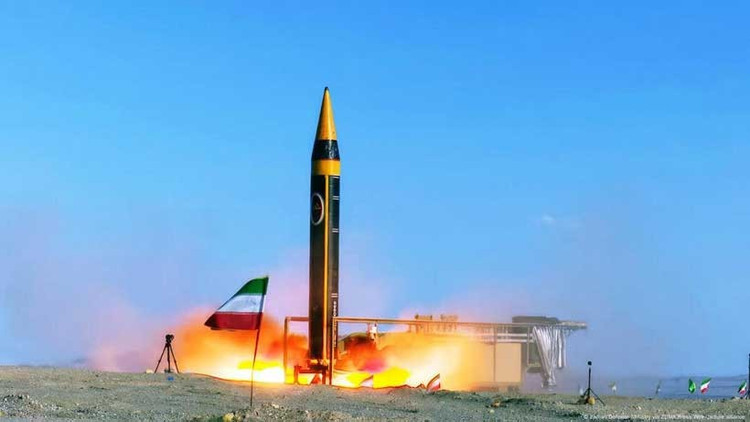
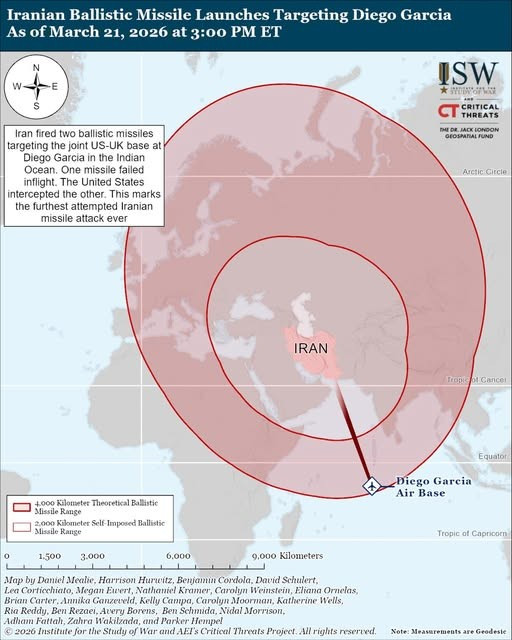
Meanwhile, India is developing the Agni-VI ballistic missile with a claimed range of up to 12,000 km. However, this country is not mentioned on the list of threats to the United States. The era when the missile threat to the US came solely from the Soviet Union and later Russia is over. Now, Washington must monitor numerous different missile programs around the world . The emergence of new threats also complicates nuclear arms control efforts between the U.S. and Russia. Strategic arms control treaties are becoming increasingly difficult to reach consensus on. Iran also appeared in US intelligence reports. According to Washington's assessment, Tehran may be developing space launch vehicles capable of being converted into intercontinental ballistic missiles. Currently, Iran's missiles have a maximum range of only about 2,500 km. However, experts believe that the country's space program could pave the way for further advancements in the future.
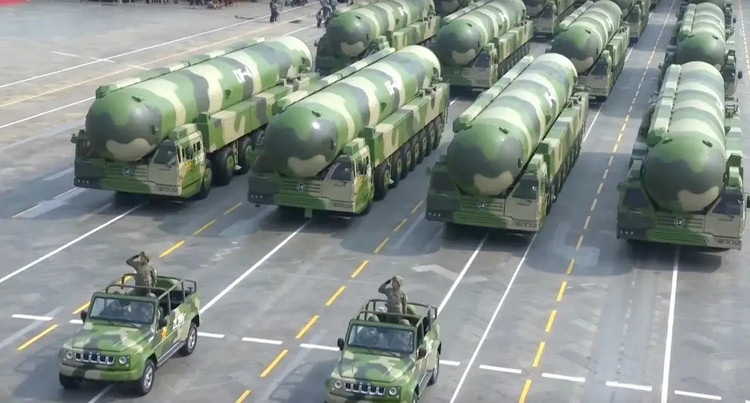
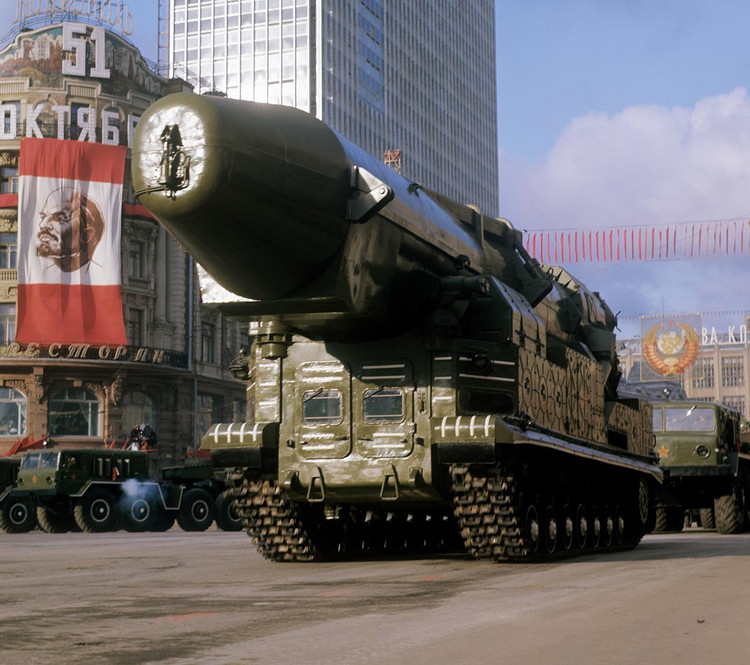
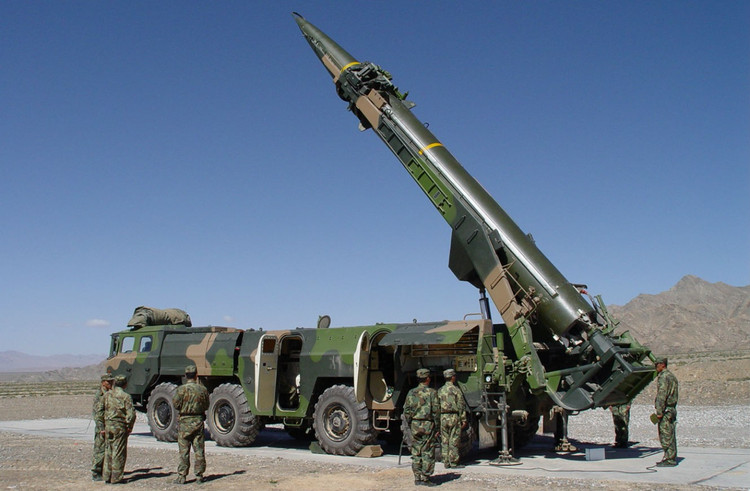
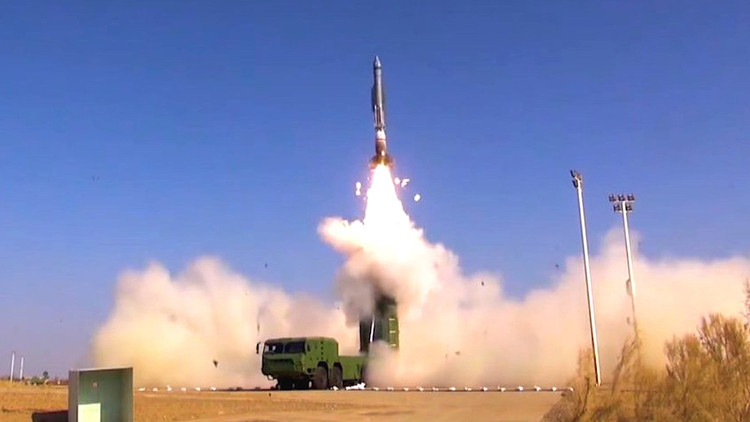
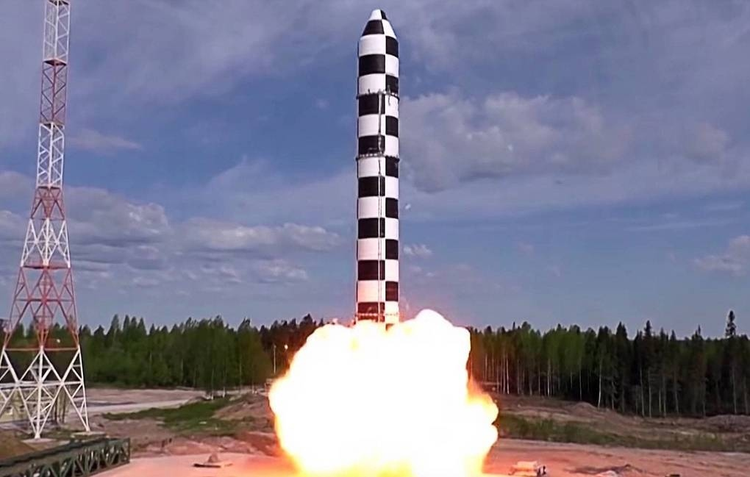
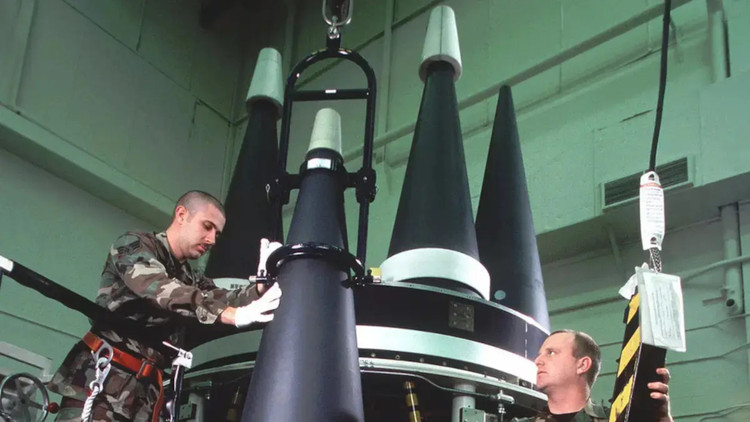
China is seen as a catalyst for a new phase of nuclear competition. According to US assessments, Beijing's nuclear arsenal has exceeded 600 warheads and could reach over 1,000 by the end of this decade. Numerous new intercontinental ballistic missile silos have been constructed in the deserts of Xinjiang and Gansu. Systems such as the DF-31, DF-41, and DF-17 are believed to be capable of striking targets thousands of kilometers away. In addition, Russia continues to modernize its nuclear triad with systems such as the RS-28 Sarmat, the Avangard hypersonic glide vehicle, and new strategic weapons.
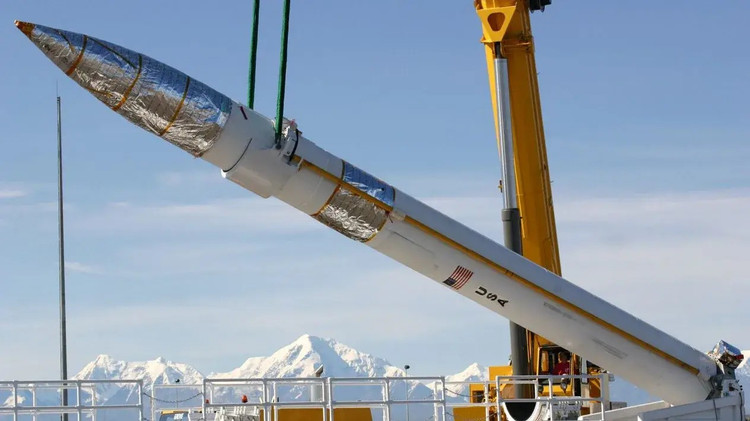
According to many analysts, the US intelligence report not only aims to warn about the increasing missile threats, but also lays the groundwork for the development of new missile defense programs in the future.


 Báo Khoa học và Đời sống•26/03/2026














![[Image] 500 regional dishes introduced to the people of Ho Chi Minh City and tourists.](https://vphoto.vietnam.vn/thumb/1200x675/vietnam/resource/IMAGE/2026/03/27/1774576163392_001-jpg.webp)















































































Comment (0)