While awaiting the allocation of resources for complete investment, the Ministry of Transport is requesting the most optimal traffic organization; reviewing and adding more signs and instructions to ensure maximum safety with the existing infrastructure.
Economic growth and reduced accidents thanks to expressways.
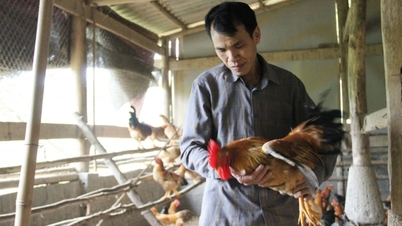
Every day, Mr. Nguyen Van Ut regularly drives his truck on the Cam Lo - La Son highway to mountainous communes to collect acacia wood, which he then transports back to Phu Bai Industrial Park to supply the Hue Bioenergy Joint Stock Company's factory.
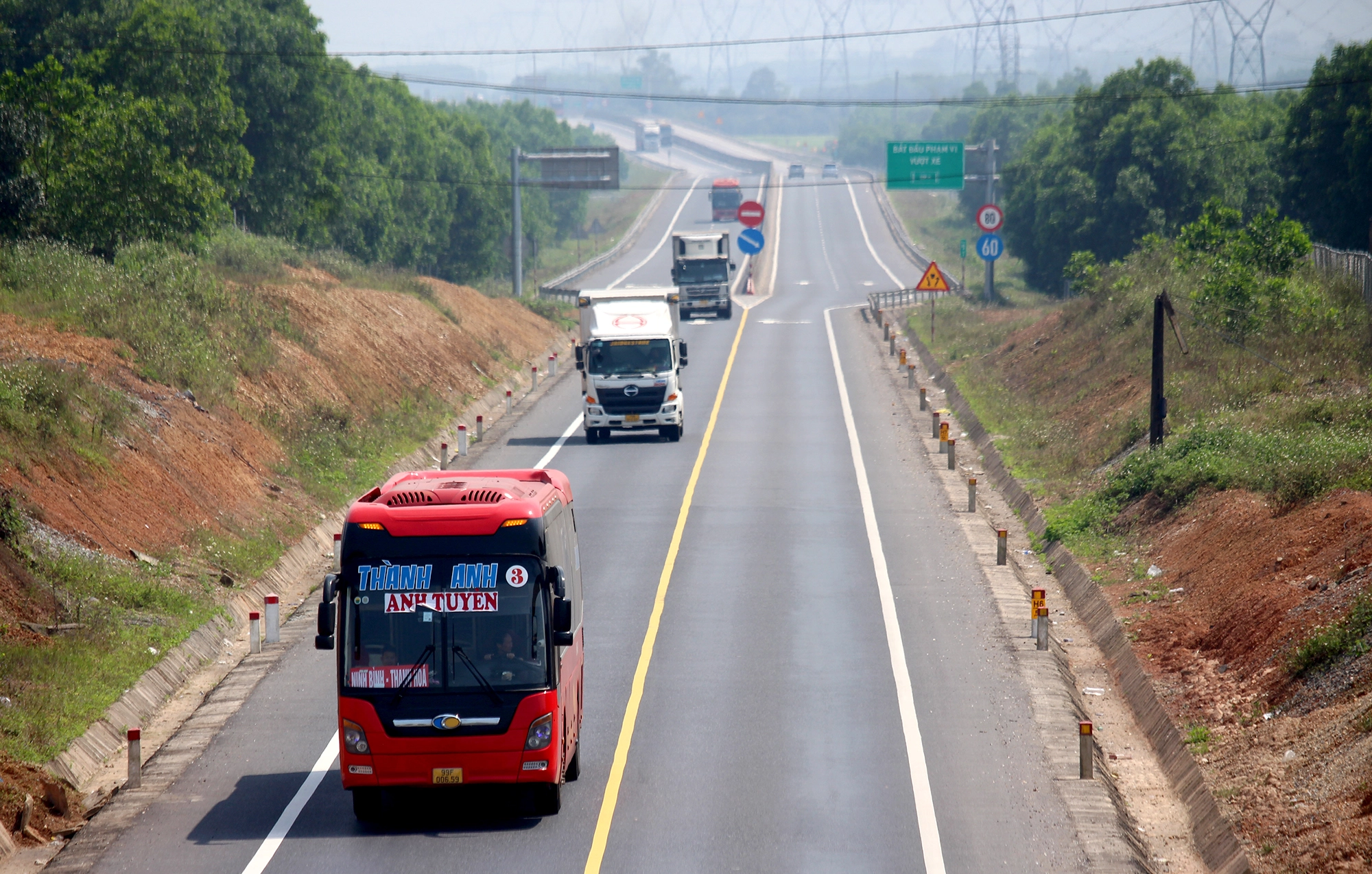
In Thua Thien - Hue, the Cam Lo - La Son expressway, immediately after its inauguration, reduced traffic congestion on National Highway 1 by 30-40% in both volume and the number of traffic accidents. Photo: PV.
According to Mr. Ut, with the Cam Lo - La Son expressway, transporting goods to mountainous areas of Quang Tri and Hue has become more convenient, and the supply of goods is more abundant. "Previously, it took two hours to travel from Phu Bai to Cam Lo via National Highway 1, but now with the expressway, I save 30 minutes, and it's much safer," Mr. Ut said.
The Cam Lo - La Son project, part of the North-South expressway project, spans over 98km with a total investment of 7,669 billion VND and was put into operation at the end of 2022, much to the delight of the people.
This route connects with the La Son - Tuy Loan expressway, which is over 77km long, forming a total expressway of over 175km and linking with the Da Nang - Quang Ngai expressway, creating a dynamic axis xuyên the central region.
Mr. Le Chi Phai, Deputy General Director of Chan May Port Joint Stock Company (Phu Loc district, Thua Thien Hue province), shared that although the port is not directly located on the Cam Lo - La Son and La Son - Hoa Lien expressways, the traffic diversion and reduction on National Highway 1 has made it easier for goods to pass through the port. In 2023, the volume of goods handled at Chan May Port reached nearly 4 million tons, an increase of 14%. In January 2024, the volume increased further by 9% compared to the same period in 2023.
Meanwhile, Mr. Nguyen Anh Tuan, Chief of the Office of the Provincial Traffic Safety Committee of Quang Tri, said that Dong Ha City does not yet have a bypass road, and heavy trucks have long had to travel through the city center, posing a potential risk to traffic safety. This situation will end when the Cam Lo - La Son expressway is put into operation.
In Thua Thien Hue province, according to Vice Chairman of the Provincial People's Committee Hoang Hai Minh, the Cam Lo - La Son expressway, immediately after its inauguration, reduced traffic volume and the number of traffic accidents on National Highway 1 by 30-40%.
In 2014, with the inauguration of the 265km Noi Bai - Lao Cai expressway, a two-lane expressway was put into operation for the first time.
This expressway, with a total investment of over $1.46 billion, passes through the territory of 5 localities. Specifically, the Hanoi - Yen Bai section has 4 lanes with a maximum speed of 100km/h; the Yen Bai - Lao Cai section has 2 lanes with a maximum speed of 80km/h.
The route has shortened travel time from Hanoi to the provinces of Lao Cai, Tuyen Quang, and Ha Giang by more than half (from 7 hours to 3.5 hours), saving 20-30% in transportation costs. The total savings for society are approximately 1,800 billion VND per year.
Shortly after its opening, the Noi Bai - Lao Cai expressway significantly contributed to the socio-economic development of the localities it passed through. Lao Cai was the biggest beneficiary, with local budget revenue increasing from 3,500 billion VND (in 2013) to 9,399 billion VND in 2023 and reaching 9,498 billion VND in 2024.
The two-lane highway cannot be blamed.
According to Associate Professor Tran Chung, Chairman of the Vietnam Association of Road Transport Infrastructure Investors (Varsi), the phased investment approach for expressways is a suitable solution in periods where investment resources are limited. The number of lanes should depend on the traffic volume in each area.
Additional traffic signs have been added to the Cam Lo - La Son expressway.
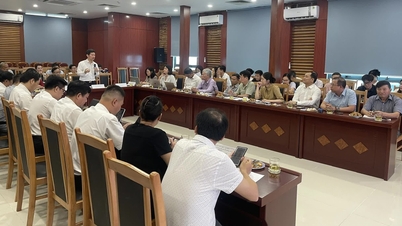
On February 26th, the working group of the Vietnam Road Administration, in coordination with relevant agencies, continued to inspect the site and held meetings to finalize plans to improve traffic safety on the Cam Lo - La Son expressway.
According to the Road Management Area II, the inspection team reviewed the entire system of traffic signs, road markings, intersection sections, and transition sections from 4 lanes to 2 lanes and from 2 lanes to 4 lanes at intersections.
Therefore, it was agreed to add more sections of road with dashed center lines to allow overtaking on straight sections of road with clear visibility, ensuring safe overtaking conditions.
Based on the agreed solutions of the working group, the Vietnam Road Administration proposed that the Ho Chi Minh Highway Project Management Board add traffic signs at intersections and overtaking points, and adjust the centerline from solid lines to dashed lines in sections that ensure the ability to overtake; and promptly complete the procedures to simultaneously implement the adjustment of lane separation markings and reinforced shoulders from solid lines to dashed lines in these overtaking sections.
According to the Ho Chi Minh Highway Project Management Board, the unit will adjust and supplement traffic safety items before March 15th.
Galaxy
"We cannot blame the phased investment. Some recent incidents on new highways show that the awareness of road users is not really good. This situation requires that the dissemination and education of traffic laws be further strengthened," Mr. Chung said.
Sharing the same view, Mr. Bui Bo, from Hung Vuong Vocational Education and Driving Test Center, believes that many people's blaming the unsafe design of the two-lane highway is incorrect and biased.
"Only one accident occurred in two years of operation, and people immediately blamed the infrastructure, while many people did not comply with traffic safety regulations," Mr. Bo observed.
According to Mr. Le Hong Diep, Head of the Infrastructure Maintenance Management Department (Vietnam Road Administration), the 4054:2005 Standard on road design only allows roads with four or more lanes to have a rigid median separating the two directions of traffic.
To install a rigid median barrier, a minimum of 1.5m is required in the middle of the road. According to design standards, the current lane width is 3.4m, corresponding to a maximum permitted speed of 80km/h. Cutting this width to create a rigid median barrier would narrow the lane, compromising traffic safety, especially in the event of an accident.
The Vietnam Road Administration has directed the Road Management Zones to coordinate with relevant units to conduct a comprehensive review and assessment of traffic organization plans on 2-lane expressways.
Appropriate investment diversification under limited budget conditions.
According to Mr. Nguyen Van Quyen, Chairman of the Vietnam Automobile Transport Association, it is undeniable that two-lane expressways have contributed to shortening travel time between regions, facilitating connections between economic and political centers, seaports, and international airports, creating momentum and a ripple effect for socio-economic development.
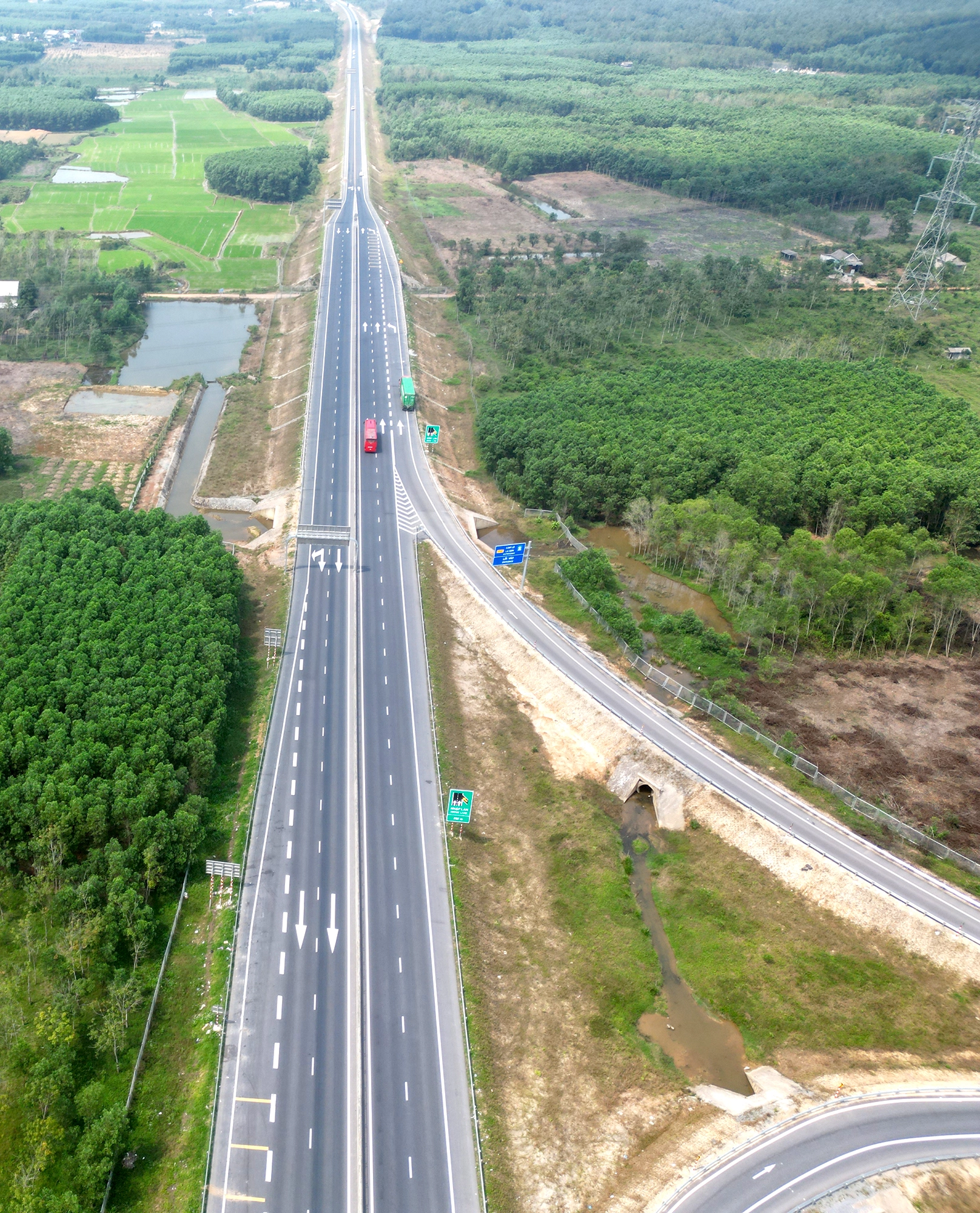
With the Cam Lo - La Son expressway completed, transporting goods to mountainous areas of Quang Tri and Hue provinces has become much easier than before.
To date, the country has put into operation 12 expressways with phased investment, totaling 743km in length, accounting for 40% of the total length of expressways currently in operation. This includes 5 two-lane expressways with a length of 371km and 7 four-lane expressways with intermittent emergency stopping lanes, totaling 372km.
Mr. Quyen argued that the phased investment scale is suitable for transportation needs in the immediate future when traffic volume is not yet large, and is particularly effective for expressways connecting to mountainous provinces and disadvantaged areas.


The need for investment in expressways is enormous, while state budget funds are limited and mobilizing non-budgetary capital is difficult. Therefore, phasing the investment will reduce the total project investment by 30-50%, making it suitable for balancing resources in each stage.
Professor Duong Ngoc Hai (Hanoi University of Civil Engineering) also believes that the investment cost for a complete expressway is very high. If every expressway requires completion from the outset, it will be very difficult to achieve the goal of having 5,000km of expressways by 2030 as set out in the Party Congress Resolution.
"The solution of phasing investment in the 2-lane expressway is considered a suitable economic solution given the limited budget. In other words, we have 'made do with what we have,' finding a reasonable approach given the conditions and resources available," Mr. Hai said.
Expand as soon as conditions and resources are met.
According to Mr. Le Kim Thanh, Director of the Vietnam Expressway Department, the Ministry of Transport has recently studied and reported to competent authorities on the phased investment of expressway projects based on the principle that: during the investment preparation process, investment options must be calculated according to the planning scale and the phased investment scale to select an option that suits transportation needs and the ability to balance resources.
Investment should only be phased in for expressways in the initial operation phase where transportation demand is not high. Investment should be based on a minimum of 4 lanes for sections with high transportation demand.
The divergence solution only applies to the cross-sectional width (number of lanes, discontinuous emergency stopping lanes); other technical factors ensure compliance with highway technical standards to facilitate expansion in the next phase and ensure operation according to highway standards.
To meet future transportation needs and ensure a long-term vision, the Road Network Planning for the period 2021-2030, with a vision to 2050, plans for expressways with 4-10 lanes and operating speeds of 80-120 km/h. The plan also sets the goal of gradually investing in road networks that are synchronized, modern, and safe.
Following the direction of the Prime Minister, the Ministry of Transport has been and continues to coordinate with localities and relevant agencies to develop mechanisms and policies; technical regulations and standards; and mobilize resources to soon invest in expanding and completing the currently operating expressways according to the phased plan.
Regarding policy, the Ministry of Transport has coordinated with relevant agencies to submit to the National Assembly a draft Road Law, which includes a mechanism allowing the expansion, renovation, upgrading, and modernization of expressways through the PPP method, specifically BOT contracts, in order to continue mobilizing maximum resources outside the state budget and expedite the completion of expressway routes that have been phased in.
The Ministry of Transport is reviewing, compiling a list, and prioritizing investments to propose and report to competent authorities for approval to expand implementation when sufficient resources are available (medium-term contingency funds, increased central government budget revenue annually or in the next medium-term period...).
National Assembly Deputy Vu Tien Loc (Member of the National Assembly's Economic Committee, Chairman of the Vietnam International Arbitration Center):
Optimize traffic flow based on existing infrastructure.

In recent times, the Ministry of Transport and local authorities have studied and proposed investment in several routes on a phased basis. The early commissioning of these expressways has contributed to promoting socio-economic development.
Nevertheless, it is urgent to upgrade the already phased-investment highway to a full-fledged expressway, in accordance with design standards and transportation needs.
Specifically, prioritize early investment in routes with two lanes and review and supplement all infrastructure along the route in a comprehensive and synchronized manner. If funding is insufficient, traffic management should be reviewed and optimized based on existing infrastructure conditions.
National Assembly Deputy Tran Van Lam (Standing Member of the Finance and Budget Committee of the National Assembly):
Upgrades and expansions must be based on needs.
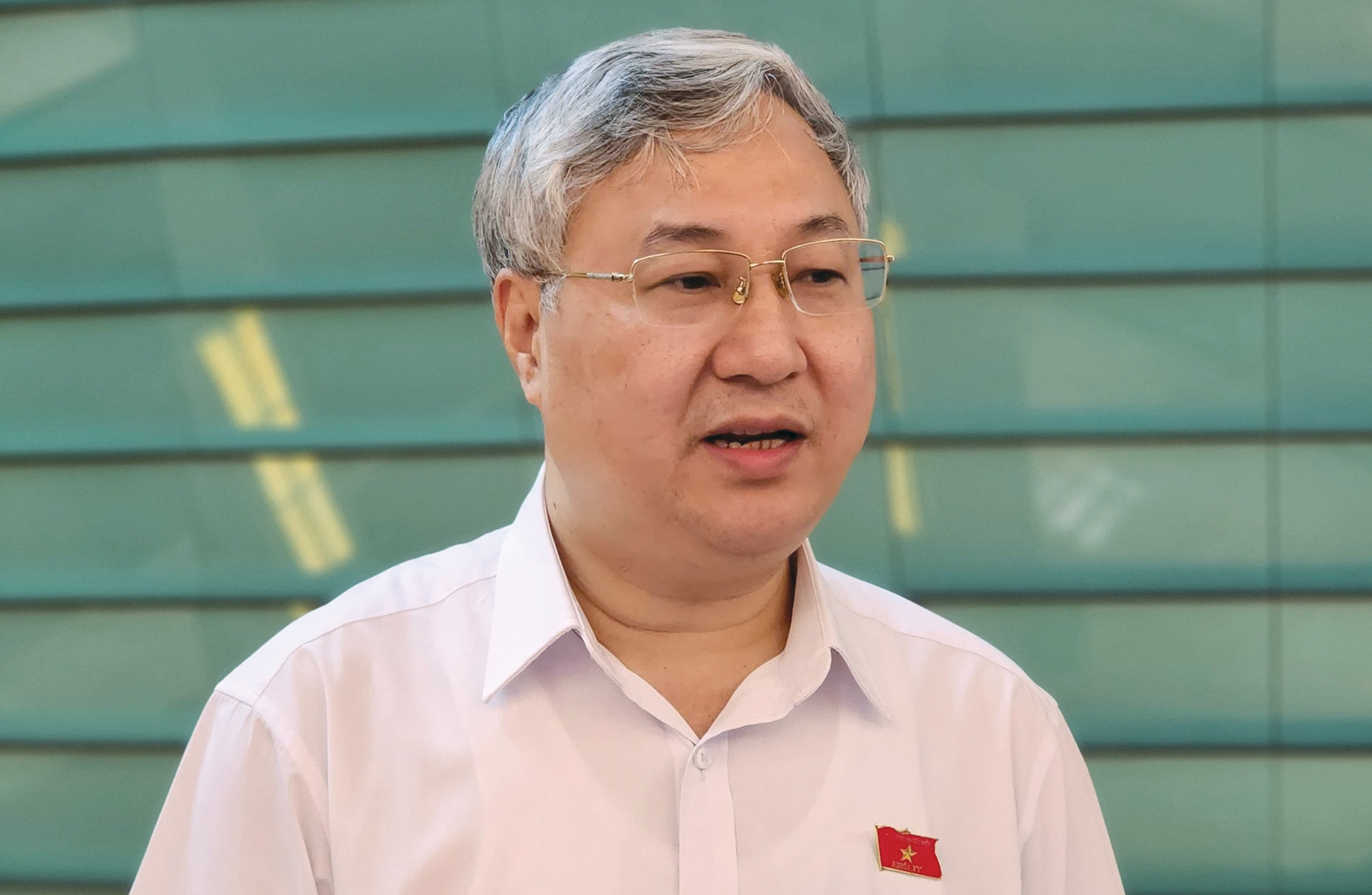
Investment in transportation projects must be based on available resources and calculations of actual needs. Building grandiose, multi-lane roads with little or no traffic is wasteful.
We shouldn't rush into investing in and expanding unnecessary sections because of a few incidents. Upgrading and expansion should be based on needs and economic efficiency.
National Assembly Deputy Pham Van Thinh (Member of the National Assembly's Economic Committee):
Tolls are collected on state-invested highways to generate revenue.
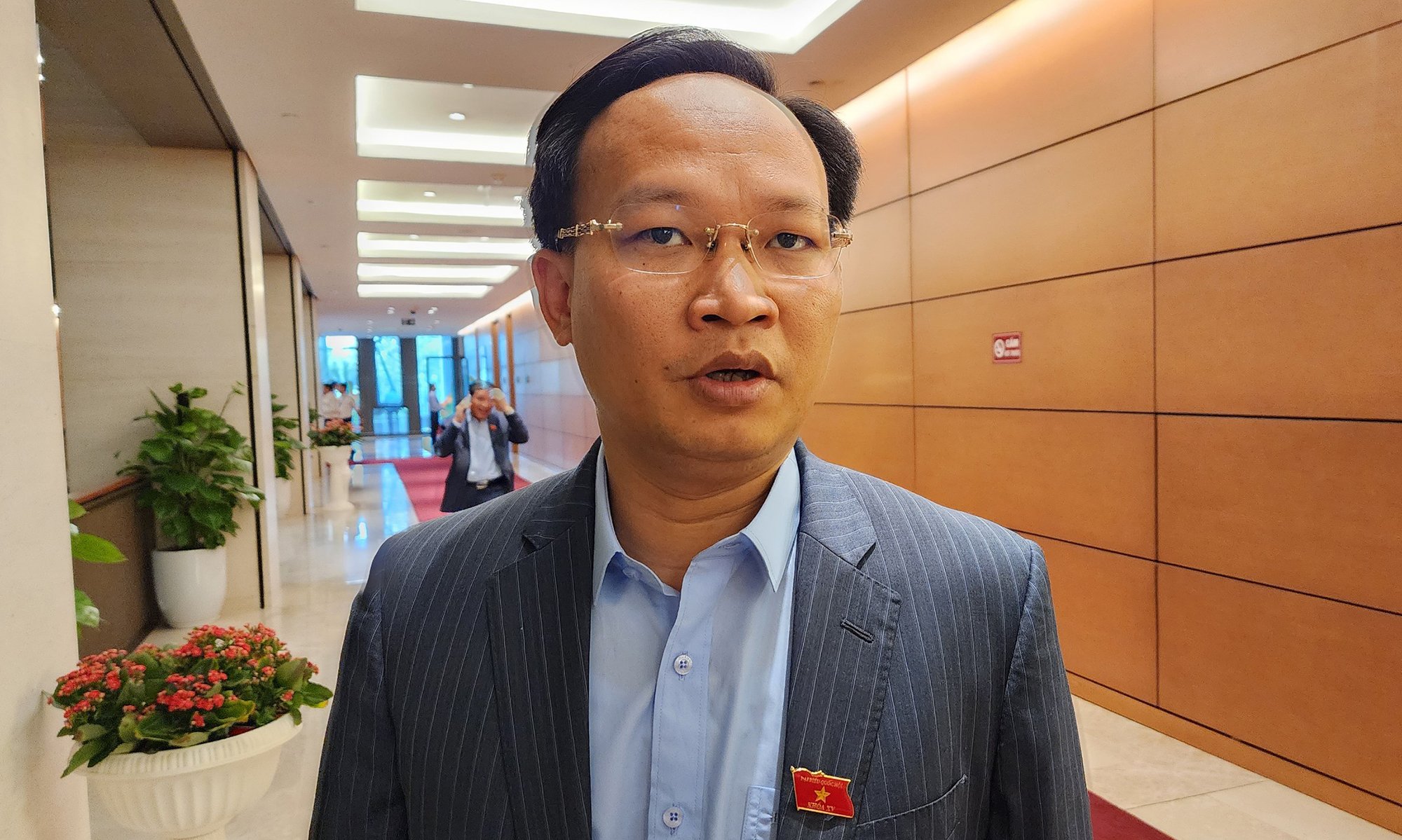
Given the limited budget, our pragmatic approach over the past period has been correct. Not only in Vietnam, but even in many developed countries, they build expressways with only two lanes.
As people's travel needs increase and resources become available, considering investment in expanding 2-lane expressways is necessary. One solution is to collect tolls on all state-invested expressways when conditions permit, thereby creating resources to continue investing in new projects and upgrading 2-lane expressways to 4-6 lanes.
Mr. Nguyen Trong Hai, Vice Chairman of the People's Committee of Lao Cai province:
Traffic volume is increasing, so an upgrade to 4 lanes is necessary.
Thanks to the smooth-running expressway from Noi Bai to Lao Cai, the local economy has developed remarkably, with each year surpassing the previous one. This also forms the basis for Lao Cai's strategy to become a logistics hub on the Kunming - Lao Cai - Hanoi - Hai Phong - Quang Ninh economic corridor by 2030.
On this expressway, the 83km section from Yen Bai to Lao Cai currently only has 2 lanes, with a maximum speed of only 80km/h. After 8 years since the expressway opened, traffic volume has increased significantly, and the province is hoping this section will be upgraded to 4 lanes.
Mr. Mai Xuan Liem, Vice Chairman of the People's Committee of Thanh Hoa province:
Leveraging investment



The North-South Expressway project passing through Thanh Hoa province has a total length of 98.8km, comprising 3 component projects: Mai Son - National Highway 45 (49.02km); National Highway 45 - Nghi Son (43.28km); and Nghi Son - Dien Chau (6.5km).
The construction and commissioning of the expressway has great significance and plays a crucial role in promoting socio-economic development and ensuring national security and defense of the locality in all aspects.
Besides meeting the transportation needs of the people, the expressway also provides a huge impetus for the province's economic development, acting as a lever to attract investors.
To maximize the effectiveness of the expressway, Thanh Hoa province has allocated 7,512 billion VND from the provincial budget to invest in several large-scale projects with 4-8 lanes connecting key local roads with the expressway project through interchanges.
Rush to cover the highway rest stops.
To date, after being opened and put into operation, some sections of the North-South expressway still lack rest stops along the route, causing inconvenience for drivers.
Mr. Vu Tuan Anh, Deputy Director of the Department of Transport Infrastructure, Ministry of Transport, stated that rest stops are a component of road construction projects and also a place for business services. In situations of budget constraints, the competent authorities will call for socialized investment in rest stops, reducing the pressure on public investment.
However, due to the incompleteness of previous legal regulations, implementation faced difficulties.
To meet the operational requirements of several component projects that are being prepared or have already been put into use, the Ministry of Transport has approved the location and scale of rest stops on the Eastern North-South Expressway and requested project management boards to urgently organize the selection of investors and implement construction.
According to Mr. Le Kim Thanh, Director of the Vietnam Expressway Department, the North-South Expressway Eastern section has 36 rest stops, of which 9 are already in operation and under construction; 1 is under local management (Huu Nghi - Chi Lang); 2 are managed by VEC (Da Nang - Quang Ngai, Ben Luc - Trung Luong) and 24 are under the authority of the Ministry of Transport.
For the 24 stations managed by the Ministry of Transport, the selection of contractors for consulting packages to prepare documentation for 21 out of 24 stations has been organized.
Specifically, three stations belonging to the component projects of the La Son - Hoa Lien section, Deo Ca Tunnel, and My Thuan - Can Tho are either undergoing final settlement or have not yet had their rest station items approved, thus lacking the necessary basis or funding for implementation. The Department is coordinating and urging the investors to research and propose solutions.
With 21 stations currently undergoing the selection process for consulting contractors to prepare the project list, including 10 rest stops on the North-South Expressway Phase 1 (2017-2020) and 11 stations on the North-South Expressway Phase 2 (2021-2025) which are currently undergoing further procedures to select investors.
For the 10 toll stations on the Eastern North-South Expressway, Phase 1, the Vietnam Expressway Authority has published the project list; approved and posted the list of investors meeting the preliminary requirements regarding capacity and experience on the national bidding network for 8 out of 10 rest stops. To date, all 8 stations have two or more investors registered and meeting the preliminary requirements regarding capacity and experience.
For the 11 toll stations in phase 2 of the expressway, contractors have been selected for the consulting packages to prepare the list of stations. The project management boards are finalizing the procedures for preparing investment and business project proposals to submit to the Ministry of Transport for approval.
Tran Duy
Source
![[Photo] Strengthening character and expertise: Intense training for artillery soldiers.](https://vphoto.vietnam.vn/thumb/1200x675/vietnam/resource/IMAGE/2026/06/30/1782815602541_lu-368-1875-4571-jpg.webp)