According to the Vietnam Trade Office in France, in May 2026, the French Council of States (Conseil d'État) confirmed the legality of the measure issued by the French Government to suspend the import, entry into, and circulation in France of certain non-EU food products if they contain quantifiable residues of pesticides banned within the bloc.
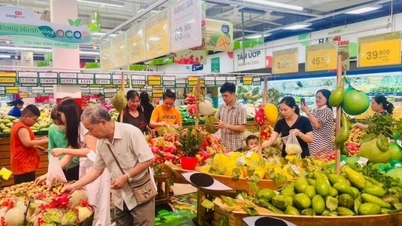
The controlled substances include carbendazim, benomyl glufosinate, thiophanate-methyl, and mancozeb. The list of affected products does not apply universally to all agricultural products but is determined by specific "product-substance" pairs. This includes many common items such as mangoes, papayas, tomatoes, okra, potatoes, peppers, melons, soybeans, wheat, barley, and oats.
Notably, although this measure is unique to France, it reflects the increasingly stringent regulatory trend of the EU market towards imported food. Instead of simply controlling by maximum permissible residue limits as before, regulatory authorities are shifting to a more comprehensive approach, requiring transparency regarding origin, production processes, and the responsibilities of all stakeholders in the supply chain.



According to current French regulations, businesses importing and marketing goods must carry out reasonable verification of the goods. This includes gathering information about the product's origin, assessing the possibility of using prohibited substances in the manufacturing process, and, where necessary, conducting tests to demonstrate that the product does not contain quantifiable residues of substances on the prohibited list.
At the same time, the EU's Rapid Alert System for Food and Feed (RASFF) continued to record several notifications regarding Vietnamese fruits and vegetables in May 2026. These included cases of dragon fruit and cucumbers being flagged due to pesticide residue levels exceeding the requirements of importing markets.
These warnings indicate that compliance risks for Vietnamese agricultural products in the EU market remain, particularly for fresh vegetables and tropical fruits.
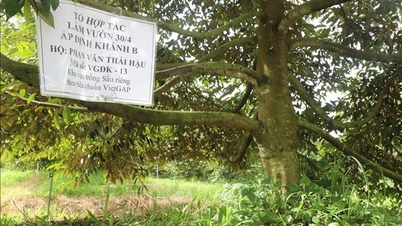
According to experts, businesses need to proactively control quality right from the raw material source, strengthen input material management, comply with pesticide use procedures, and improve the traceability system. Maintaining complete cultivation logs, planting area codes, packaging facility codes, and conducting testing before export will be important factors in minimizing the risk of warnings or import rejections.



In the long term, the continuous raising of food safety standards by the EU and its member states is not only a challenge but also a driving force for Vietnam's agricultural sector to shift strongly towards greener, more transparent, and sustainable production. This is considered a necessary condition for maintaining competitiveness and effectively exploiting opportunities from the European market in the coming period.
Source: https://baotintuc.vn/kinh-te/phap-siet-du-luong-thuoc-bao-ve-thuc-vat-20260617200922010.htm