Scientists have just discovered the oldest meteorite impact crater on Earth. Located in Western Australia, this crater dates back approximately 3.5 billion years, to a time when large meteorite impacts with Earth were relatively common.
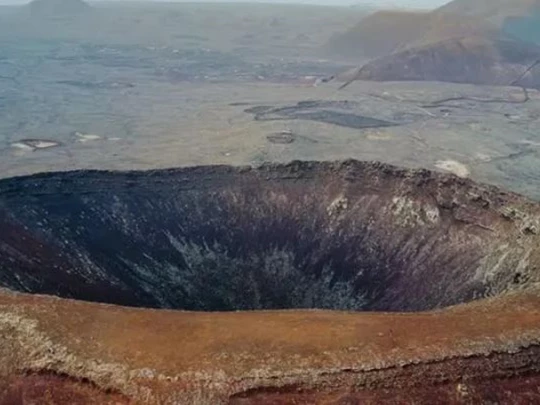
According to New Atlas, this discovery was made by geologists at Curtin University and the Western Australian Geological Survey in the Pilbara region of Northwest Australia. Although the crater's shape is not clearly visible due to its age, the research team discovered it thanks to other geological evidence, specifically "broken cones"—geological features that can only form under extremely high pressure, such as meteorite impacts or underground nuclear explosions.
This impact crater is estimated to be at least 100 km in diameter, suggesting that the meteorite struck Earth at speeds exceeding 36,000 km/h, causing a global catastrophe. This collision is believed to have occurred approximately 3.47 billion years ago.
Professor Tim Johnson, co-lead author of the study, shared: “Before we discovered this impact crater, the oldest known crater was only 2.2 billion years old. So, this is the oldest impact crater we know of on Earth.”
The previous record holder for this impact crater was Yarrabubba, located about 800 km south of the newly discovered crater. Interestingly, this latest impact crater dates back to a very turbulent period in Earth's history.
For the first two billion years after Earth formed, our planet was constantly bombarded by giant meteorites, including a massive collision with a Mars-sized object that created the Moon about 4.5 billion years ago. However, very few impact craters from that period remain today, as plate tectonics, erosion, and other phenomena have erased the traces.
Meanwhile, the Moon still bears many scars from this period because its surface was less turbulent.
“We know that large collisions were common in the early Solar System, when we observed the Moon. However, the lack of ancient craters on Earth meant they were overlooked by geologists. This research provides an important piece of the puzzle in the history of Earth’s collisions, and there may be many more ancient craters discovered in the future,” Johnson said.
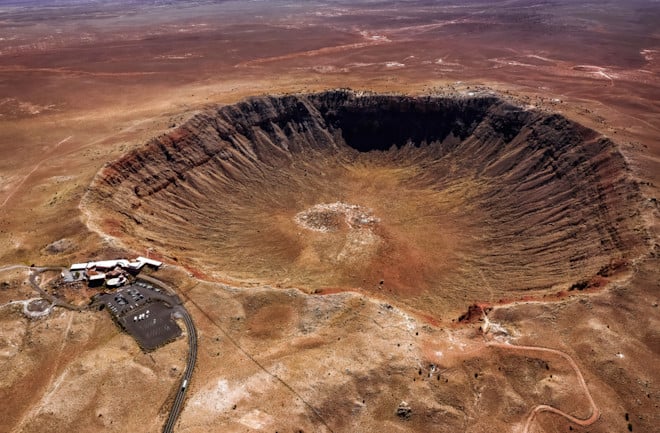
Researchers also suggest that such powerful collisions may have had a profound impact on the planet, influencing Earth's development in ways whose effects are still clearly felt today.



Professor Chris Kirkland, co-lead author of the study, said the enormous amount of energy from these collisions may have contributed to shaping the Earth's early crust, by pushing parts of the crust downward or forcing magma from the Earth's deep mantle to the surface.
"It may have played a significant role in the formation of cratons – large, stable landmasses that form the basis of today's continents," he said.
According to the News Report
Source: https://doanhnghiepvn.vn/cong-nghe/phat-hien-ho-va-cham-thien-thach-lau-doi-nhat-trai-dat/20250310064846265