

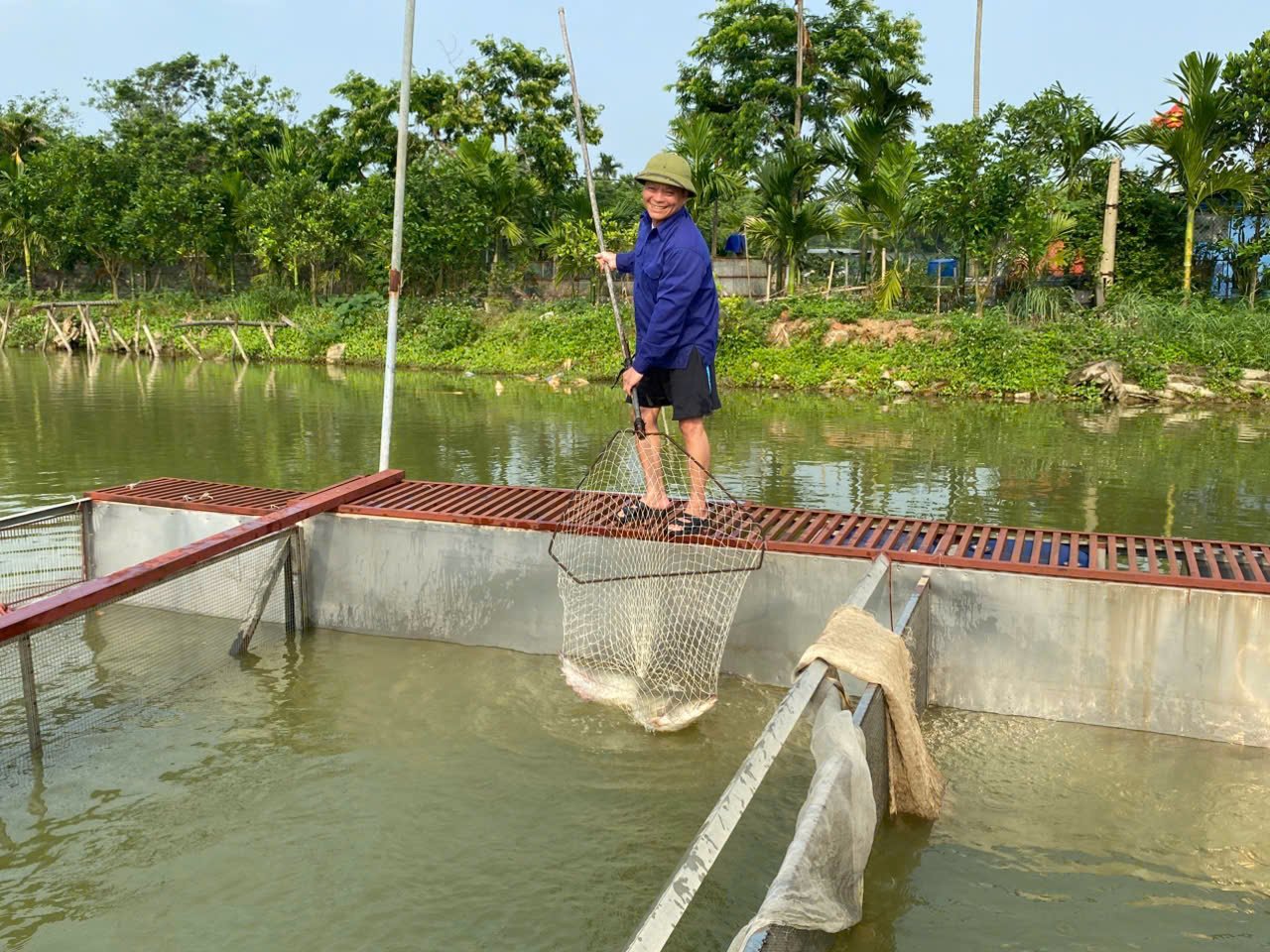
Located in the northern part of Yen Lac district – a densely populated area with over 14,500 inhabitants and an average of less than 300 m2 of arable land per person – Dong Van was the poorest purely agricultural commune in the former Vinh Lac district before the Doi Moi (Renovation) period. In recent years, Dong Van has become a shining example of household economic development in Yen Lac district.
To develop a sustainable and efficient economy, every year, the Party Committee and the government of Dong Van commune always pay attention to updating information and conveying to the people good practices and new production models that bring high economic efficiency, thereby changing outdated customs and habits that have been deeply ingrained in the thinking and working methods of the people here.
The Party and State's guidelines and policies on economic development are promptly disseminated to Party members and the people through the commune's public address system, integrated with awareness-raising conferences and programs.
Promote the shift in economic structure towards value-added production; gradually eliminate outdated and fragmented production practices and move towards concentrated, high-value-added commodity production. Implement planting schedules effectively, promote the application of scientific and technological advancements, introduce high-quality, high-yield crop and livestock varieties into production, and make the winter crop a primary production season.
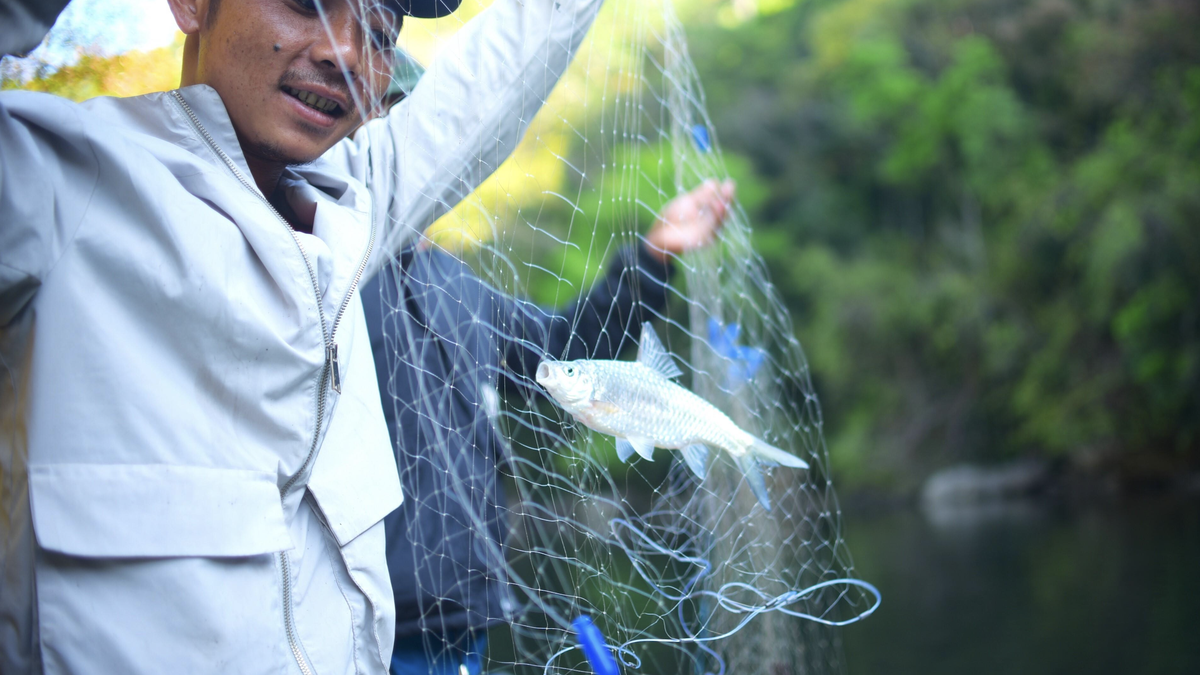
Maximize the use of pond and lake areas by converting them to the VAC (Vegetable, Animal, and Fish) farming model, specifically the "raising river fish in ponds" model. Create favorable conditions for people to borrow capital from credit institutions to invest in expanding the scale of livestock farms and introducing new, high-yield, and high-quality plant and animal breeds into production.
To date, the entire commune has more than 80 farm models combining fruit tree cultivation with livestock farming and fish farming, covering 86 hectares; and 4 agricultural service cooperatives. In 2024, although the agricultural production area in the commune decreased, thanks to the active application of science and technology in production, the land utilization rate increased to 2.39 times/year. As a result, rice yield reached over 72.8 quintals/hectare, an increase of 0.9%; corn 50 quintals/hectare, an increase of 6%; soybean 29.7 quintals/hectare… Grain production reached 4,375 tons, an increase of 1.2%.
Recognizing the importance of the trade and service sector, Dong Van commune actively invests in infrastructure and encourages households to boost the development of trade and services, especially in the Dong Van craft village industrial cluster and in central areas along National Highway 2 and Provincial Highway 302.
Currently, the entire commune has over 1,700 households registered to operate in various business sectors such as steel smelting, plastic molding, mechanics, transportation, food and beverage businesses, tourism services, agricultural supplies, construction materials, garment manufacturing, etc. Income from trade and service sectors in the entire commune in 2024 reached over 1,002 billion VND, accounting for more than 40% of the total value.
With the right orientation and effective methods in transforming the economic structure, gradually reducing the proportion of agriculture and increasing the proportion of industrial and handicraft development associated with trade and services, Dong Van commune has created jobs for more than 2,000 workers, mainly local residents who now have jobs in their hometown.
Thanks to the strong development of household economies, during the period 2020-2023, the average income of people in the commune reached over 180 million VND/year. This is the foundation for Dong Van commune to continue to successfully implement the economic restructuring towards increasing the value of industrial and handicraft production in the locality, completing the socio-economic development goals for the period 2021-2025, and promoting the program of building advanced new rural areas and sustainable model new rural areas.
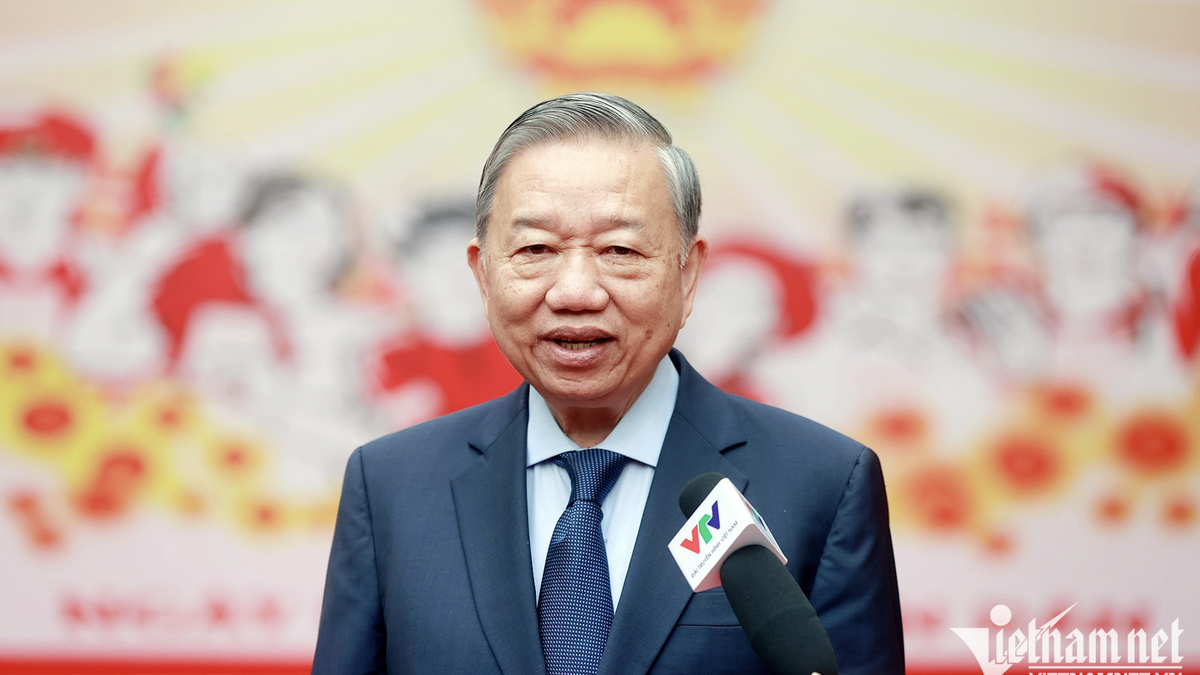
According to Nguyen Van Chung, Chairman of the People's Committee of Dong Van commune: To develop sustainable household economies, the Party Committee and the government of Dong Van commune will develop a plan that will continue to promote household economic development in the direction of industrial and handicraft production linked with trade and services.
For agricultural production, focus on developing concentrated commodity production areas, actively applying science, technology, and techniques to production, with particular attention to developing poultry, pig, waterfowl, and fish farming on a farm scale. Replicate effective production and business models in livestock farming in the locality.
In addition, it is necessary to promote investment in modern infrastructure development, expand inter-village main roads, making it convenient for small trucks to transport goods; encourage capable organizations and individuals to establish small and medium-sized enterprises and cooperatives to invest in machinery and equipment for production, especially for processing agricultural products, and attract local labor...
Text and photos: Xuan Hung
Source: http://baovinhphuc.com.vn/tin-tuc/Id/128024/Phat-trien-kinh-te-ho-o-xa-Dong-Van





![[Photo] The season for pomelos to "marry" each other.](https://vphoto.vietnam.vn/thumb/402x226/vietnam/resource/IMAGE/2026/03/23/1774221179898_baolaocai-bl_img-1801-jpg.webp)
















































Comment (0)