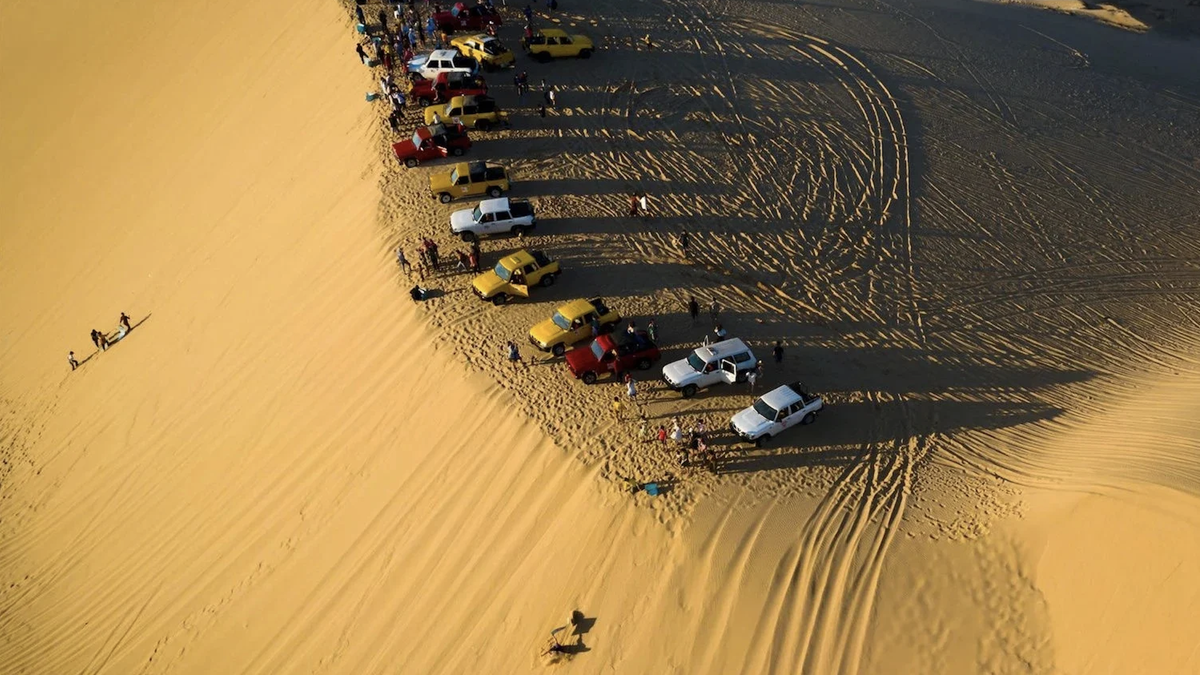
Land degradation leads to reduced productivity, increased droughts, and threats to ecosystems, impacting business and production activities globally. According to the Secretariat of the United Nations Convention to Combat Desertification (UNCCD), the annual cost of remediating land degradation amounts to hundreds of billions of US dollars.
Statistics in our country show that nearly 11.8 million hectares of land have been and are being degraded to varying degrees, of which more than 1.2 million hectares are severely degraded, and nearly 3.8 million hectares are moderately degraded... These challenges reflect significant pressure from erosion, leaching, soil fertility decline, drought, saltwater intrusion, and ecosystem degradation.
Over the past period, Vietnam has been taking concrete actions to limit land degradation, such as maintaining a stable forest cover rate of over 42%, higher than the global average, which helps reduce erosion, limit runoff, and increase water retention capacity. At the same time, Vietnam has exceeded its target for the One Billion Tree Planting Program for the period 2021-2025; effectively implemented projects to improve forest quality, prevent landslides, restore mangrove forests, and actively participated in international initiatives.

In the national action program to combat desertification for the period up to 2030, with a vision to 2050, the Ministry of Agriculture and Environment sets the goal that by 2030, it will develop plans and strategies for desertification areas to adapt to and mitigate the impacts of drought and land degradation through sustainable land use, maintaining 3.5 million hectares of rice-growing land; using water resources rationally, economically, and efficiently; ensuring a stable forest cover rate of 42-43%; and conserving and sustainably using wetlands. By 2050, the total area of degraded land will not exceed 40% of the total natural land area of the country; and the average income of people living in areas affected by desertification will not be lower than 50% of the national average per capita income.
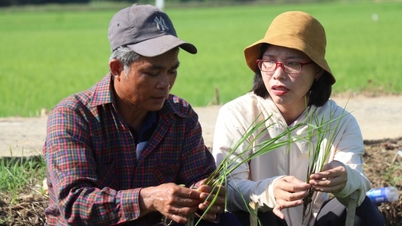
To address land degradation, it is necessary to delineate and locate areas affected by desertification according to socio-economic regions, assessing the severity and causes to facilitate forecasting, early warning, and monitoring; and to plan and manage land use, water resources, and forest resources in a way that adapts to and minimizes the impacts of drought and land degradation. Simultaneously, it is essential to research and apply science and technology, innovation, and digital transformation in the prevention and control of desertification; to research, develop, and transfer drought- and salinity-tolerant crop varieties; to establish a list of priority varieties based on ecological zones; and to build and upgrade infrastructure and equipment for forecasting and early warning to prevent and adapt to desertification.
On the other hand, it is necessary to strengthen investigations and monitoring of the causes of desertification and solutions for restoration, rehabilitation, and prevention; build a national database on desertification and land degradation; rehabilitate and restore degraded land through smart agricultural and forestry practices, green agriculture , soil and water protection, and restoration of degraded ecosystems; stabilize the lives of people, improve health, education, and infrastructure conditions in desertified areas; and strengthen international cooperation in combating desertification.


Source: https://nhandan.vn/phong-chong-thoai-hoa-dat-post973456.html