A special meeting of three generations of artists.
The success of the first "Three Generations Living Room," held in mid-June, created a unique value for Hanoi 's new art program by connecting generations in modern life. For nearly three hours, the Ho Guom Theater was not just a performance stage but also became a true "living room," where strangers shared memories, families found common ground, and invisible barriers were erased by familiar melodies.
These emotions became the driving force for the team to continue producing "Three Generations Living Room" Part 2. Musician Duong Cam - the program's General Director and Music Director - said: "This is not simply a continuation of a successful program, but a continuation of a humanistic value that has touched the hearts of the audience. We want to create a space where every generation is listened to, shared with, and respected."
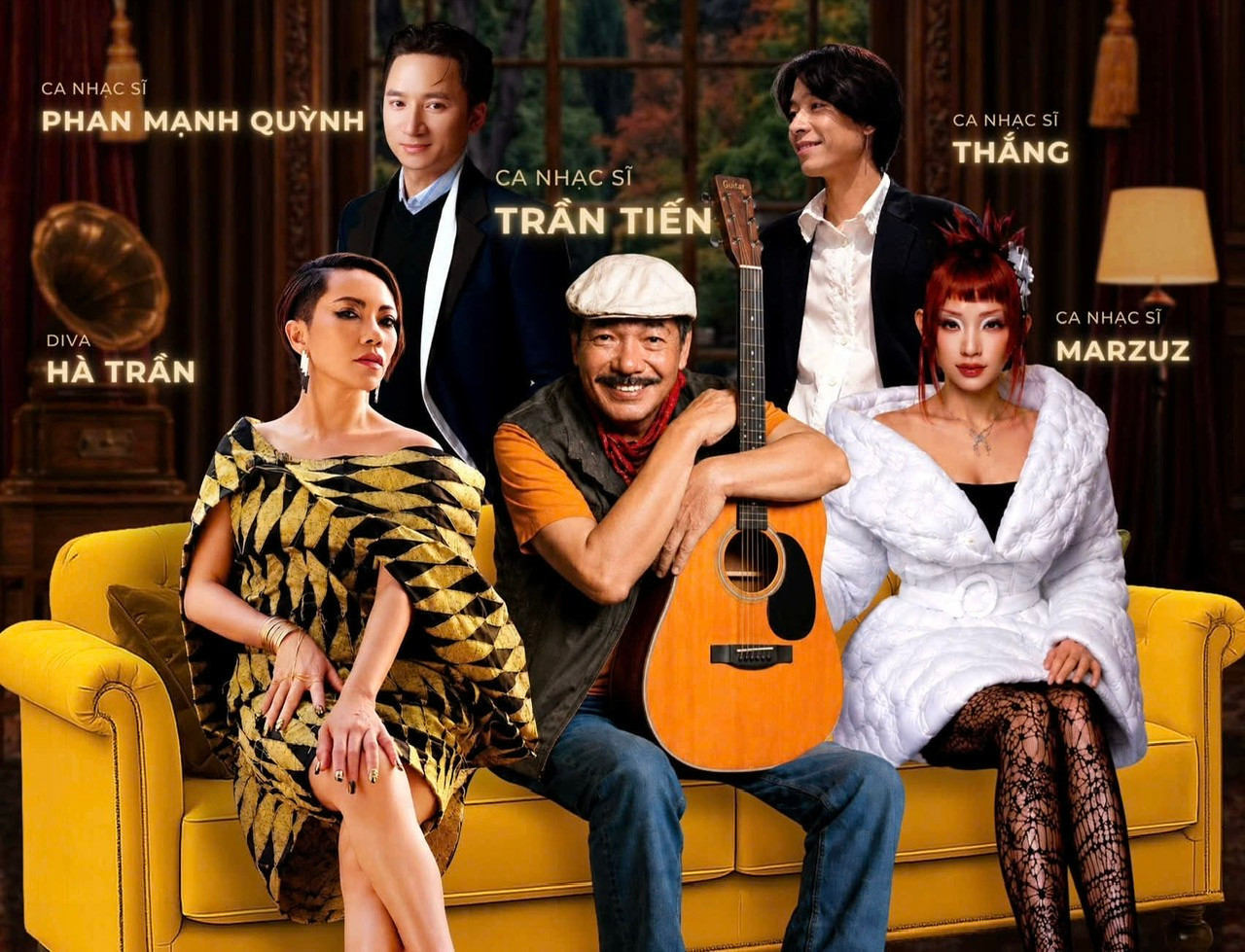
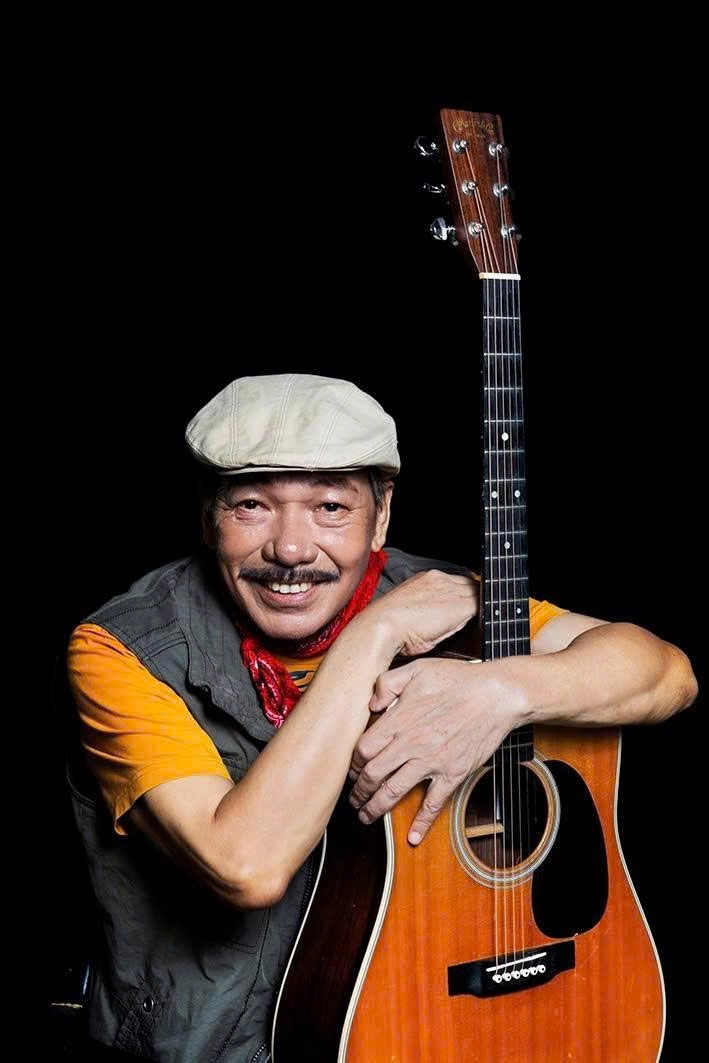
"Three Generations Living Room" Episode 2 brings together five artists representing three generations of Vietnamese music with very different creative styles. In the senior generation is composer Tran Tien – considered an icon of freedom and spontaneity in Vietnamese music. His compositions are always imbued with the breath of life, the yearning for love, and the spirit of exploration .
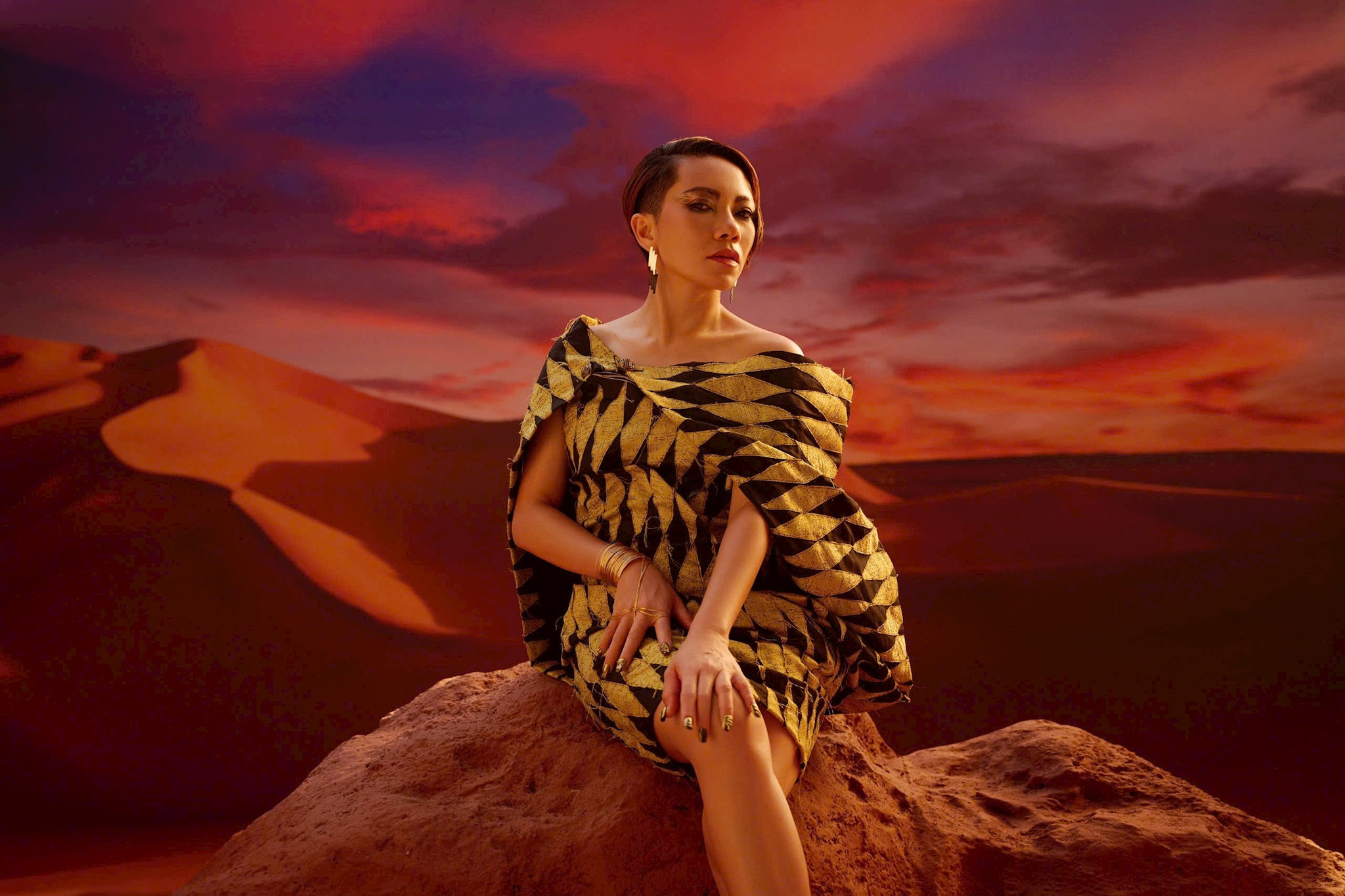
Accompanying him is singer Ha Tran - a renowned artist known for her ability to transform through various musical styles while still maintaining her unique identity. Ha Tran is always considered one of the pioneering voices in modernizing music with a contemporary mindset.
Representing the generation of artists who matured during the period of innovation is Phan Manh Quynh. With his authentic and narrative-rich songwriting style, his music touches listeners with relatable stories about love, life, and everyday reflections.

Among the younger generation is Thang, who was once the creative soul of the band Ngot. His music embodies an indie spirit with profound reflections on humanity and life.
Alongside them is Marzuz – a young vocalist with a healing quality, representing the voice of a generation learning to confront trauma, grow, and seek empathy.
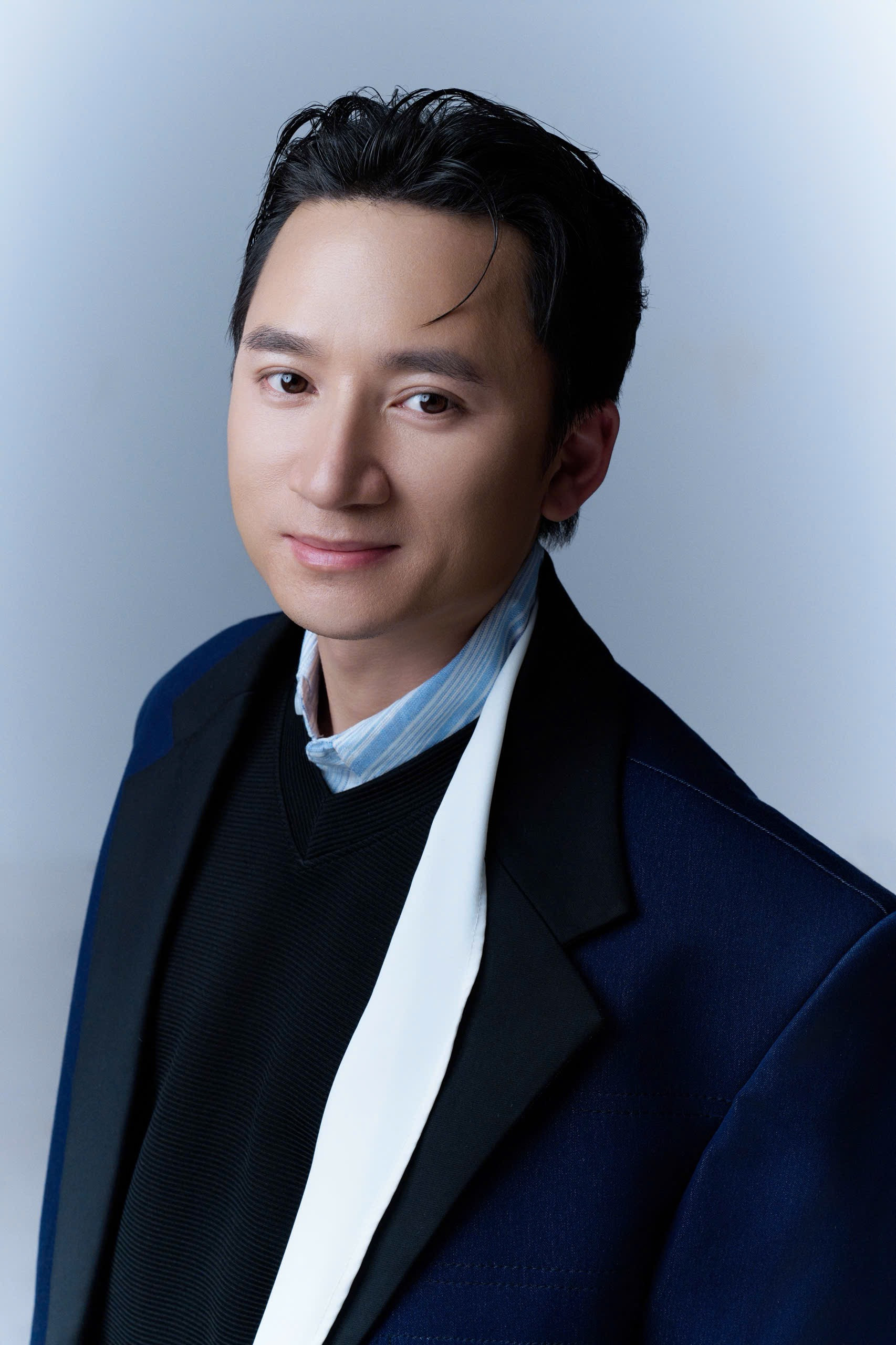
Five distinct musical styles, five different artistic worlds will come together on one stage. Through the connection of the piano, these differences will not create distance but will become the material for unexpected collaborations.
When the theater becomes the "living room" of a Vietnamese family.
Following the first show in mid-June, many audience members shared that what lingered in their minds wasn't just the new arrangements or unexpected collaborations, but also the moments when entire families relived beautiful memories. It was when fathers softly sang along to songs from their youth, mothers were moved by timeless melodies, and young people were surprised to realize that the music their parents once loved still resonates strongly today.
Continuing the theme of connection and sharing, the Ho Guom Theater will be further developed as an artistic living room where memory and the present meet. Images of Vietnamese families through different eras will be recreated using modern theatrical language combined with international standard sound, lighting, and performance technology.
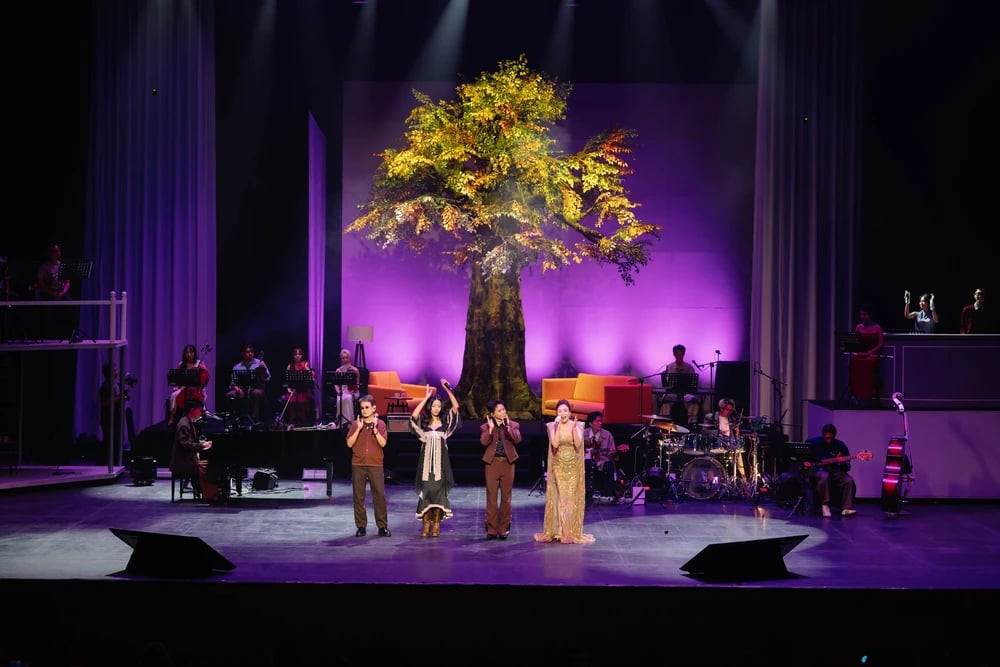



Stage director Dang Xuan Truong said that what the team wanted was not only to create a visually stunning performance but also a space where people could sit together, listen, share, and find connection amidst the rhythm of modern life.
He shared: "In today's busy life, families sitting together to enjoy music, sharing different musical tastes and aesthetics, is incredibly precious. We hope to create an artistic space where each generation can contribute a common voice. Artists from the 40s and 50s generations can still sing Gen Z songs with enjoyment and resonance. Therefore, the artistic space of the program is not about simply showcasing technology, but about sophistication and rich artistic value."
More than just a music program, "Three Generations Living Room" aims to rekindle family values, understanding, and sharing between generations. In a context where people have fewer opportunities to listen to each other, the program hopes that music will become a bridge to erase invisible gaps.
Source: https://hanoimoi.vn/phong-khach-3-the-he-so-2-khi-am-nhac-tro-thanh-nhip-cau-ket-noi-cac-the-he-1209585.html
![[Image] A look back at the capital's preparations for the century-long master plan.](https://vphoto.vietnam.vn/thumb/1200x675/vietnam/resource/IMAGE/2026/06/29/1782750453122_quy-hoach-100-nam-minh-duy-1-2118-jpg.webp)
![[Photo] General Secretary and President To Lam works with the Party Committee of the Government on the work of preventing and combating storms, floods, extreme natural disasters and climate change.](https://vphoto.vietnam.vn/thumb/1200x675/vietnam/resource/IMAGE/2026/06/29/1782729441945_a1-bnd-0385-9454-jpg.webp)

![[Photo] National Assembly Chairman Tran Thanh Man attends the Conference to announce the Master Plan for Hanoi Capital City with a 100-year vision.](https://vphoto.vietnam.vn/thumb/1200x675/vietnam/resource/IMAGE/2026/06/29/1782709639728_ndo_br_1-jpg.webp)








































![[Image] Building an elevated road through the Ma Da forest.](https://vphoto.vietnam.vn/thumb/402x226/vietnam/resource/IMAGE/2026/06/29/1782724737750_anh-man-hinh-2026-06-29-luc-16-18-43.png)