Closing the chapter on a name once associated with many ups and downs and the "scars" of a time of spontaneous tourism development, Quất Lâm beach (formerly part of Giao Thủy district, now Giao Ninh commune, Ninh Bình province) officially embarks on a new journey under the name: Giao Ninh Tourist Area. Behind the decision to abolish the name, the story of ensuring livelihoods for people living along the coast and the challenge of sustainable marine ecological environment are worth contemplating.
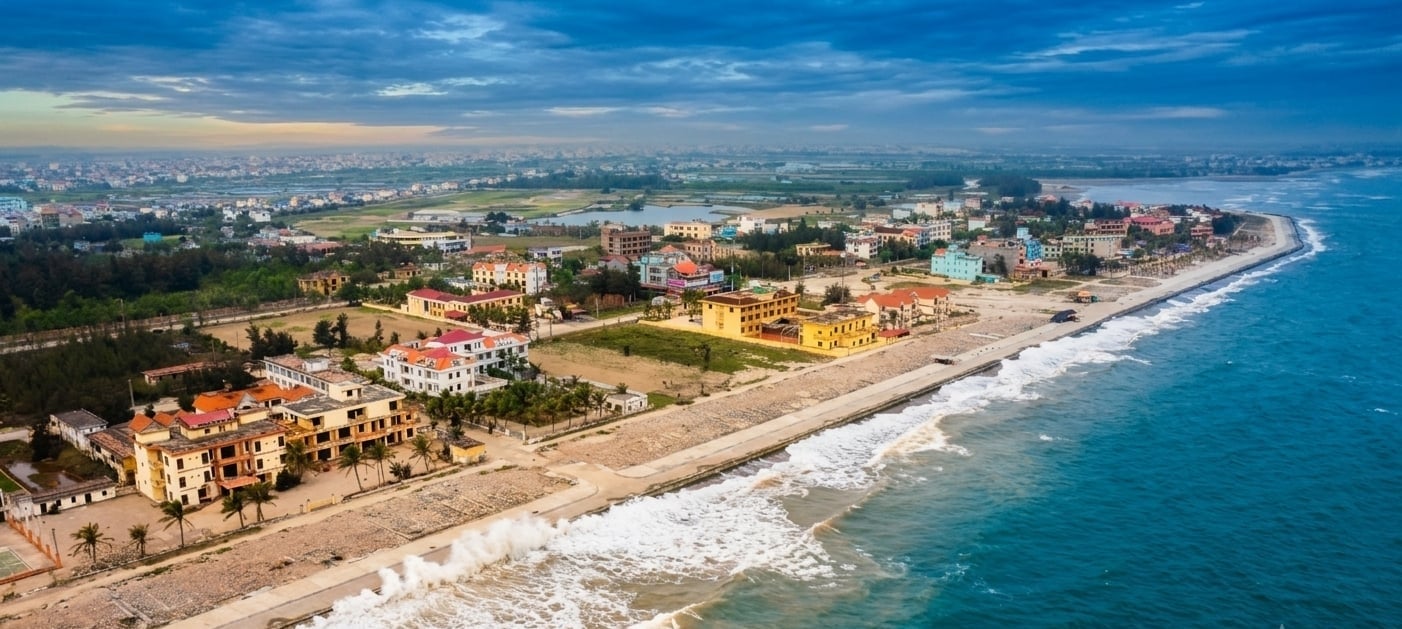
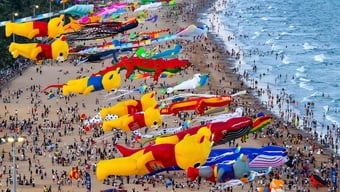
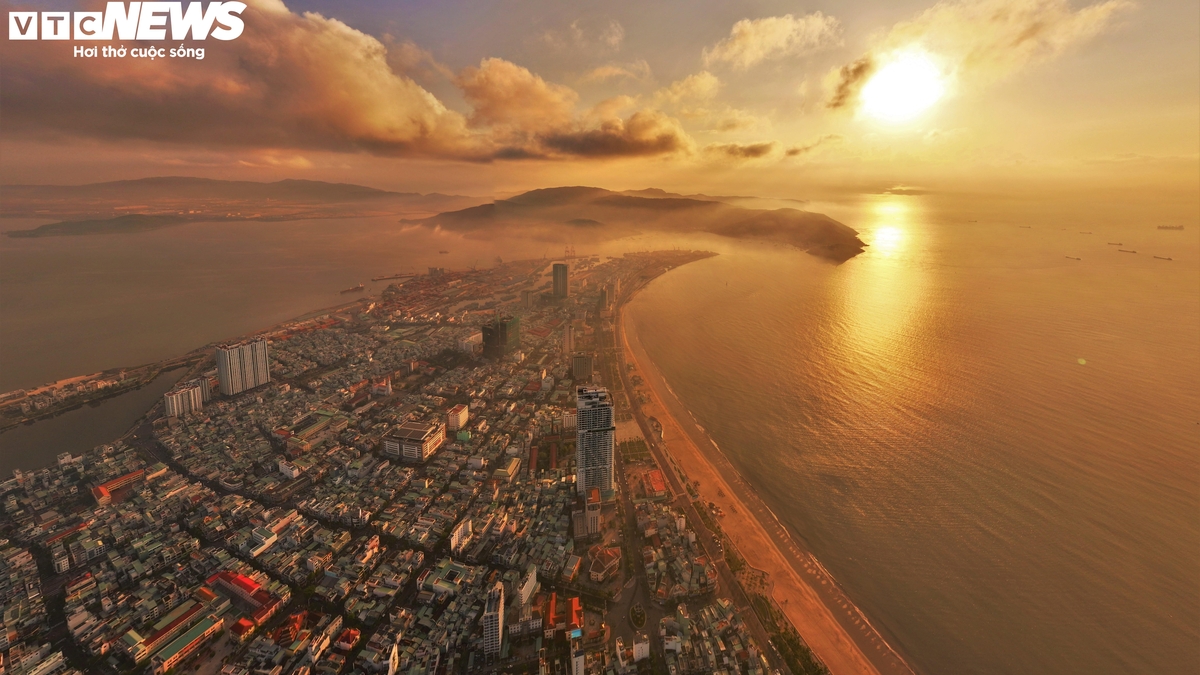
A spacious area has been created along the more than 3km long coastline. Photo: Minh Hai.
Along the Giao Ninh sea dike these days, the appearance of the old Quat Lam has changed considerably. More than one hundred dilapidated kiosks, once a notorious "hotspot" for social vices disguised as tourism services, have been cleaned up, restoring a spacious and airy atmosphere to the more than 3km long coastline.


However, after the major overhaul to eradicate social vices and the administrative changes following its merger with Ninh Binh province, this strip of land fell into a desolate silence. The rows of hotels and restaurants that once received tens of billions of dong in investment now stand closed, their walls peeling in large chunks due to the corrosive effects of the salty wind. Tourists are absent, and those working in the fishing and service industries struggle to make a living along the coast.
The Ninh Binh Provincial People's Committee's decision to rename the Quat Lam Tourist Area to Giao Ninh Tourist Area, as per Decision No. 2207/QD-UBND, is primarily to align with the new administrative boundary map. However, from a deeper development perspective, this is clearly a strategy to "cleanse" preconceived notions and reposition the brand, aiming for a comprehensive upgrade of coastal tourism in the region.
For generations, the people of Giao Ninh coastal area have relied solely on the sea and the fields for their livelihood. With the elimination of old-fashioned, spontaneous tourism, they are hoping for a new lease of life from sustainable planning. According to the plan for 2030, the coastal infrastructure here will be comprehensively invested in, from erosion control dikes and embankments, to modern coastal roads, and a standard wastewater treatment system to protect the core ecological environment of the locality. The goal is no longer to create chaotic, opportunistic services, but rather a green tourism space that harmoniously integrates marine ecology and local culture.
Changing the name of an old coastal area is not simply a matter of replacing signs or paperwork. It is a commitment from the government and the people to restore the pristine state of the sea, opening up a fundamental path for agricultural and fishing livelihoods combined with ecotourism. The hope is that the name Giao Ninh will soon shed its current desolate appearance, embracing the green of sustainable development, befitting this land rich in potential at the mouth of the sea.

Source: https://nongnghiepmoitruong.vn/quat-lam-da-la-di-vang-d816965.html
![[Photo] General Secretary and President To Lam attends the 13th National Congress of the Ho Chi Minh Communist Youth Union](https://vphoto.vietnam.vn/thumb/1200x675/vietnam/resource/IMAGE/2026/06/25/1782356968989_ndo_br_1-jpg.webp)

![[Image] Schools organize meetings and introduce teaching models to students admitted to grade 10.](https://vphoto.vietnam.vn/thumb/1200x675/vietnam/resource/IMAGE/2026/06/25/1782368077271_ndo_br_z7970052192242-1ec8daeb77a6eed1a4e9f58c564ddd3e-jpg.webp)
![[Photo] General Secretary and President To Lam receives Palestinian Ambassador Saadi Salama](https://vphoto.vietnam.vn/thumb/1200x675/vietnam/resource/IMAGE/2026/06/25/1782365384740_a1-bnd-9423-8322-jpg.webp)