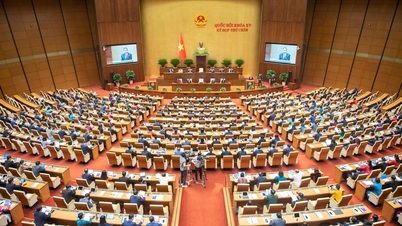
The resolution takes effect from the date of its adoption.

According to the plan for rearranging provincial-level administrative units, the entire natural area and population of Ha Giang province will be merged into Tuyen Quang province to form a new province, retaining the name Tuyen Quang. After the rearrangement, Tuyen Quang province will have an area of 13,800 km² and a population of 1.86 million; it will border Cao Bang, Lao Cai, Phu Tho, Thai Nguyen provinces and China.
Yen Bai province and Lao Cai province will be merged into a new province called Lao Cai, with an area of 13,256 km² and a population of approximately 1.78 million. After the merger, Lao Cai province will border Lai Chau, Phu Tho, Son La, Tuyen Quang provinces and China .
Bac Kan province and Thai Nguyen province were merged to form a new province named Thai Nguyen, with an area of 8,375 km² and a population of approximately 1.8 million. Thai Nguyen province borders Bac Ninh, Cao Bang, Lang Son, Phu Tho, Tuyen Quang provinces and Hanoi city.
The three provinces of Vinh Phuc, Hoa Binh, and Phu Tho were merged to form a new province named Phu Tho, with a total area of 9,361 km² and a population of approximately 4.02 million. Phu Tho province borders the provinces of Lao Cai, Ninh Binh, Son La, Thai Nguyen, Thanh Hoa, Tuyen Quang, and the city of Hanoi.
Bac Giang and Bac Ninh provinces were merged into a new province called Bac Ninh, with a natural area of 4,718 km2 and a population of 3.6 million. Bac Ninh province borders Hung Yen, Lang Son, Quang Ninh, Thai Nguyen provinces, Hai Phong city and Hanoi city.
Thai Binh and Hung Yen provinces were merged into a new province called Hung Yen, with an area of 2,514 km2 and a population of 3.56 million. Hung Yen province borders Bac Ninh province, Ninh Binh province, Hanoi city, Hai Phong city, and the East Sea.
The city of Hai Phong and the province of Hai Duong were reorganized into a new city called Hai Phong City. After the reorganization, Hai Phong City has a natural area of 3,194 km2 and a population of 4.66 million. Hai Phong City borders the provinces of Bac Ninh, Hung Yen, Quang Ninh, and the East Sea.
The provinces of Ha Nam, Nam Dinh, and Ninh Binh were merged into a new province called Ninh Binh, with an area of 3,942 km2 and a population of 4.4 million. Ninh Binh province borders the provinces of Hung Yen, Phu Tho, Thanh Hoa, Hanoi city, and the East Sea.
Quang Binh and Quang Tri provinces have been merged to form a new province called Quang Tri, with a natural area of 12,700 km2 and a population of 1.87 million. Quang Tri province borders Ha Tinh province, Hue city, Laos, and the East Sea.
The city of Da Nang and the province of Quang Nam were merged to form a new city called Da Nang. Da Nang city has an area of 11,859 km2 and a population of 3.06 million. Da Nang city borders Quang Ngai province, Hue city, Laos, and the East Sea.



Kon Tum province and Quang Ngai province have been merged to form a new province called Quang Ngai province, with an area of 14,832 km2 and a population of 2.1 million. Quang Ngai province borders Gia Lai province, Da Nang city, Laos, Cambodia, and the East Sea.
The provinces of Binh Dinh and Gia Lai have been merged to form a new province called Gia Lai, with an area of 21,576 km2 and a population of 3.58 million. Gia Lai province borders Dak Lak province, Quang Ngai province, Cambodia, and the East Sea.
The provinces of Ninh Thuan and Khanh Hoa have been merged to form a new province called Khanh Hoa, with a natural area of 8,555 km2 and a population of 2.2 million. Khanh Hoa province borders Dak Lak province, Lam Dong province, and the East Sea.
Dak Nong, Binh Thuan, and Lam Dong provinces have been merged to form a new province called Lam Dong, with an area of 24,233 km2 and a population of 3.87 million. Lam Dong province borders Dak Lak, Dong Nai, Khanh Hoa provinces, Ho Chi Minh City, Cambodia, and the East Sea.
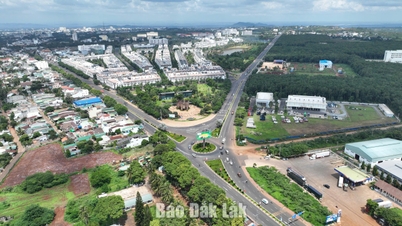
Phu Yen province and Dak Lak province have been merged to form a new province called Dak Lak province, with a natural area of 18,096 km2 and a population of 3.34 million. Dak Lak province borders Gia Lai, Khanh Hoa, Lam Dong provinces, Cambodia, and the East Sea.
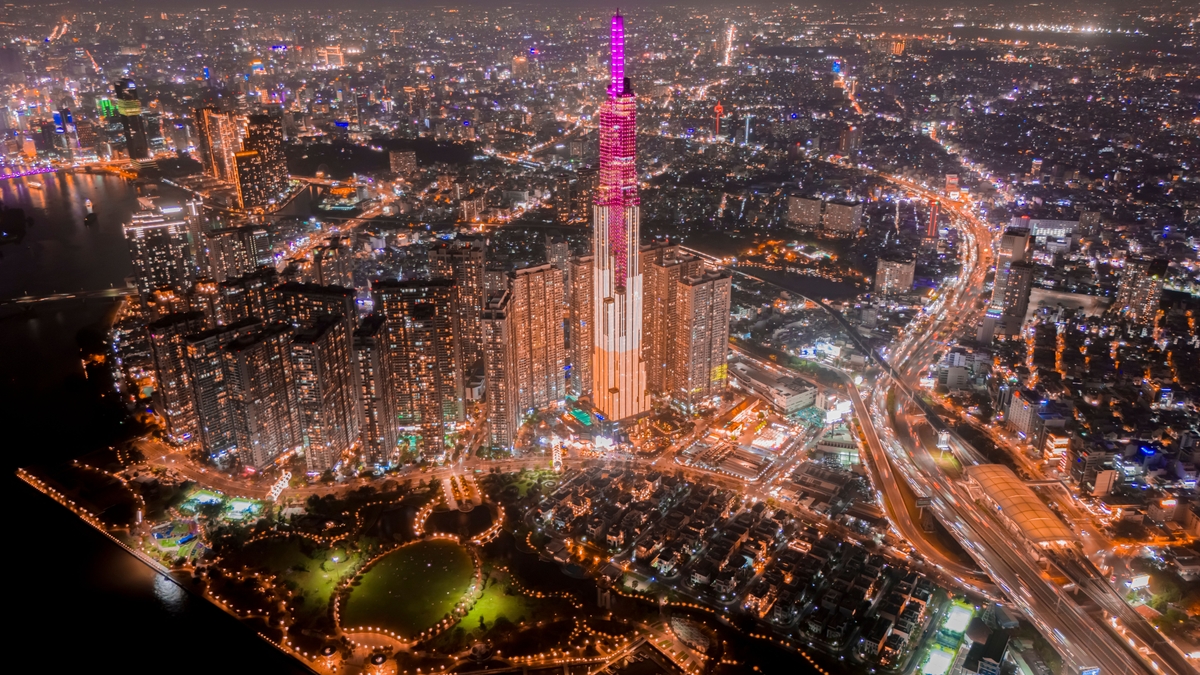
Ho Chi Minh City, Ba Ria - Vung Tau province, and Binh Duong province were merged to form a new city called Ho Chi Minh City. After the reorganization, Ho Chi Minh City has a natural area of 6,772 km2 and a population of 14 million. Ho Chi Minh City borders the provinces of Dong Nai, Dong Thap, Lam Dong, Tay Ninh, and the East Sea.
Binh Phuoc Province and Dong Nai Province have merged to form a new province called Dong Nai Province, with an area of 12,737 km2 and a population of 4.5 million. Dong Nai Province borders Lam Dong Province, Tay Ninh Province, Ho Chi Minh City, and Cambodia.
Long An and Tay Ninh provinces have been merged to form a new province called Tay Ninh, with a natural area of 8,536 km2 and a population of 3.25 million. Tay Ninh province borders Dong Nai province, Dong Thap province, Ho Chi Minh City, and Cambodia.
The cities of Can Tho, Soc Trang, and Hau Giang provinces were merged to form a new city called Can Tho City, covering an area of 6,360 km2 and with a population of 4.2 million. Can Tho City borders the provinces of An Giang, Dong Thap, Ca Mau, Vinh Long, and the East Sea.
The provinces of Ben Tre, Tra Vinh, and Vinh Long have been merged to form a new province called Vinh Long, with an area of 6,296 km2 and a population of 4.26 million. Vinh Long province borders Dong Thap province, Can Tho city, and the East Sea.
Tien Giang and Dong Thap provinces have merged to form a new province called Dong Thap, with an area of 5,938 km2 and a population of 4.37 million. Dong Thap province borders An Giang, Tay Ninh, and Vinh Long provinces, Can Tho city, Ho Chi Minh City, Cambodia, and the East Sea.
Bac Lieu and Ca Mau provinces have merged to form a new province called Ca Mau, with an area of 7,942 km2 and a population of 2.6 million. Ca Mau province borders An Giang province, Can Tho city, and the East Sea.



Kien Giang and An Giang provinces have merged to form a new province called An Giang, with an area of 9,888 km2 and a population of 4.95 million. An Giang province borders Ca Mau province, Dong Thap province, Can Tho city, Cambodia, and the East Sea.
Eleven provinces and cities did not undergo restructuring: Cao Bang, Dien Bien, Ha Tinh, Lai Chau, Lang Son, Nghe An, Quang Ninh, Thanh Hoa, Son La, and Hanoi and Hue. Thus, the country has 28 provinces and 6 cities; of which 19 provinces and 4 cities were formed after restructuring.
The National Assembly requests the Government to organize the accurate determination of natural area and boundary scope on administrative maps and in the field. If, after review and comparison in the field, the data on the natural area of an administrative unit differs from the data recorded in this Resolution, the Government shall update, adjust, and publicly disclose this information.
Source: According to vnexpress.net
Source: https://sxd.laocai.gov.vn/tin-hoat-dong/quoc-hoi-chot-ca-nuoc-con-34-tinh-thanh-pho-1394514