

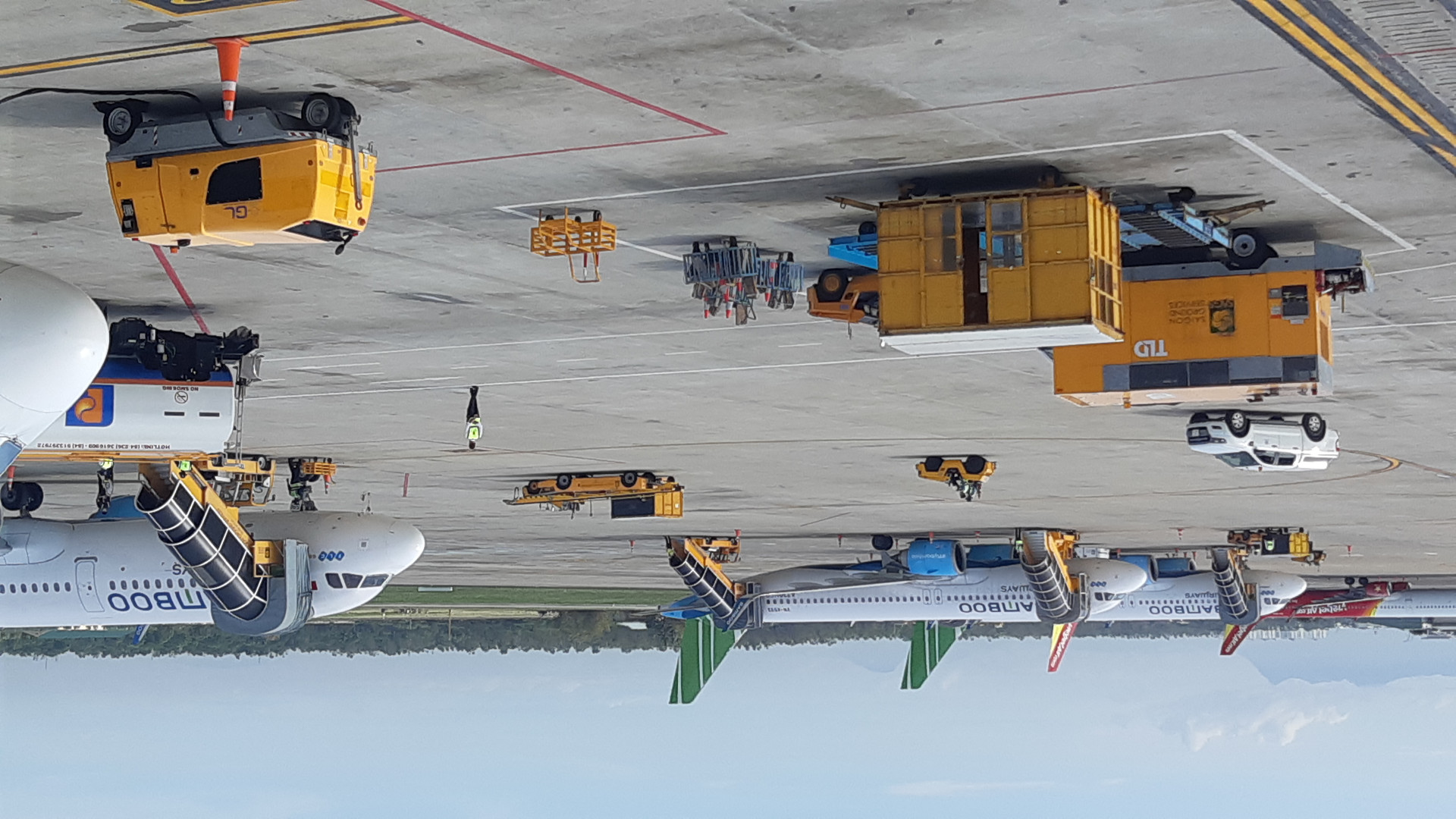
The Ministry of Construction has approved the planning for the construction of Da Nang International Airport, classifying it as a 4E airport with a capacity of 20 million passengers per year and 100,000 tons of cargo per year. This is considered consistent with Da Nang city's long-term orientation to further develop Chu Lai Airport.
According to Phan Kieu Hung, Director of Da Nang International Airport, Decision 222/QD-BXD of the Ministry of Construction approving the planning of Da Nang International Airport for the period 2021-2030, with a vision to 2050, Da Nang International Airport will continue to maintain its 4E airport classification according to the standards of the International Civil Aviation Organization (ICAO), as a dual-use civil and military airport.
Notably, the planned capacity by 2030 is estimated at approximately 20 million passengers per year and 100,000 tons of cargo per year; the vision for 2050 maintains approximately 20 million passengers per year but increases cargo capacity to 330,000 tons per year. By 2050, the airport is expected to reach 4E classification, handling aircraft such as the B747, B787, A350, and equivalent types.
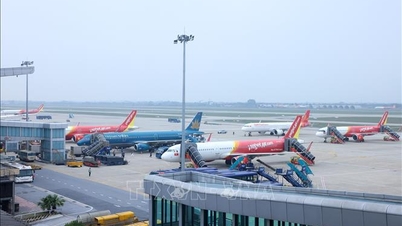
During the period 2021-2030 and with a vision to 2050, Da Nang International Airport will maintain its two existing runways; plans will include the addition of one rapid exit taxiway and two connecting taxiways. Simultaneously, plans will expand the aircraft parking apron to the south, optimizing the aircraft parking solution to increase the total number of parking positions to approximately 52.
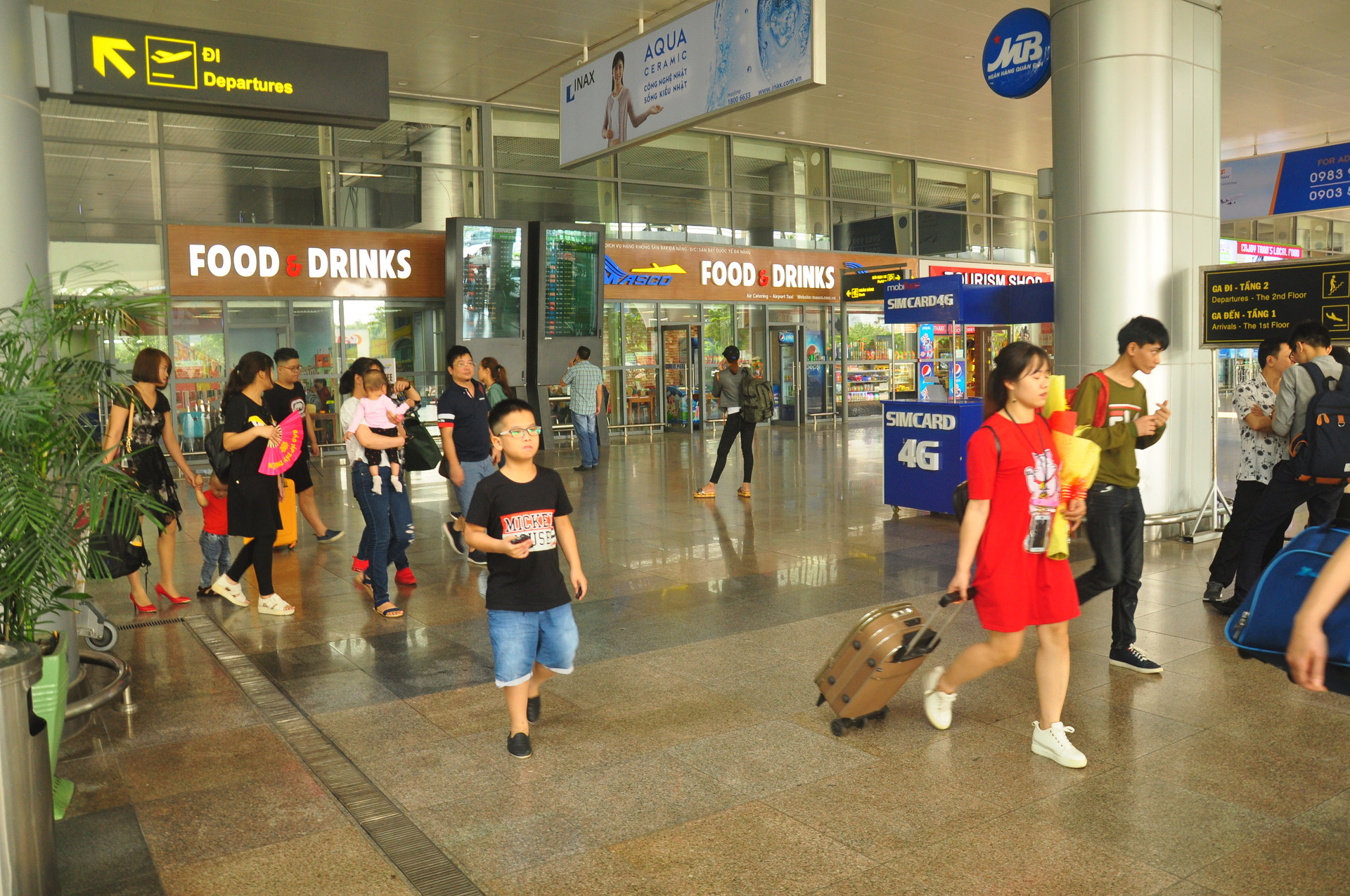
The decision also represents an important legal step in concretizing the Master Plan for the Development of the National Airport System, approved by the Prime Minister in Decision No. 648/QD-TTg, while simultaneously addressing the challenge of balancing the growing demand for air transport with land availability, national defense and security, and the city's future urban development orientation.
One of the key points of the decision is that instead of expanding the runways, an option requiring a large amount of land and significantly impacting the urban structure, the plan chose a technical solution to maintain the two existing runways for the period 2021-2030 and the vision for 2050. At the same time, one rapid exit taxiway and two connecting taxiways will be added to optimize operations and increase throughput capacity.
According to Decision 222/QD-BXD of the Ministry of Construction, the existing VIP guest house with an area of approximately 4,450m2 will continue to be operated. The plan includes expanding the domestic passenger terminal T1 to the south, to accommodate approximately 14 million passengers per year; and renovating and upgrading the international passenger terminal T2 to accommodate approximately 6 million passengers per year.
The plan for the cargo terminal in the northern area adjacent to the regulating lake, with an area of approximately 2.4 hectares, aims to meet a capacity of 100,000 tons/year during the period 2021-2030; with a vision to increase the capacity to 330,000 tons/year by 2050.
For the flight operations assurance system, the plan includes adding VOR/DME stations, CAT II approach lights with 35L sensors; and studying the installation of runway intrusion warning systems (ARIWS), multi-point monitoring systems (MLAT), and other safety equipment as needed.
The routes connecting to Da Nang International Airport include Nguyen Van Linh, Duy Tan, Nguyen Phi Khanh, and Dang Thuy Tram roads. Underground connections to the airport will follow local planning and the urban railway line. Internal airport roads connecting from the main arterial roads to the airport's functional areas will have cross-sections accommodating approximately 2-4 lanes.
Source: https://baodanang.vn/quy-hoach-san-bay-quoc-te-da-nang-dat-cap-4e-3325555.html

































































































Comment (0)