|
The Apple logo in front of the company's store in Shanghai, China . Photo: Bloomberg . |
Two years ago, Apple launched the well-configured Mac mini M4 for $600 . Earlier this year, the company introduced the MacBook Neo at a similar price. As for the iPad, the basic model ( $350 ) is also suitable for students or budget-conscious users, helping Apple easily access emerging markets.
Things changed when Apple increased the price of the MacBook Neo by $100 (equivalent to a 17% increase), the MacBook Air by $200 (18%), the basic iPad by $100 (29%), and the iPad Air by $150 (25%). Even products like the HomePod, HomePod mini, and Apple TV were affected.
Not long after its strategy of entering the low-cost computer market, Apple had to raise product prices. This shows that the rising production costs in the AI era are weighing heavily on consumers, and even Apple cannot compensate for them further.
Apple's dilemma
In the latest Power On newsletter, Bloomberg analyst Mark Gurman emphasized that Apple has no intention of raising prices.
The sales, operations, purchasing, and finance teams spent months trying to avert this situation. However, the company is no longer able to cover the additional costs, which will significantly impact the profits and financial performance that Wall Street had hoped for.
According to Gurman, Apple could certainly bear the costs for a longer period. However, that's not how a public company operates, especially when management sees a threat to profit margins, growth rate, and investor expectations.
"Apple is a business, not a charity," a Bloomberg writer shared.
The biggest reason for the price increase is the explosion of AI. Cloud service providers and modeling companies are spending money at a breakneck pace on data centers, graphics chips, memory, and advanced storage devices. This is disrupting the supply chain, driving up component prices.
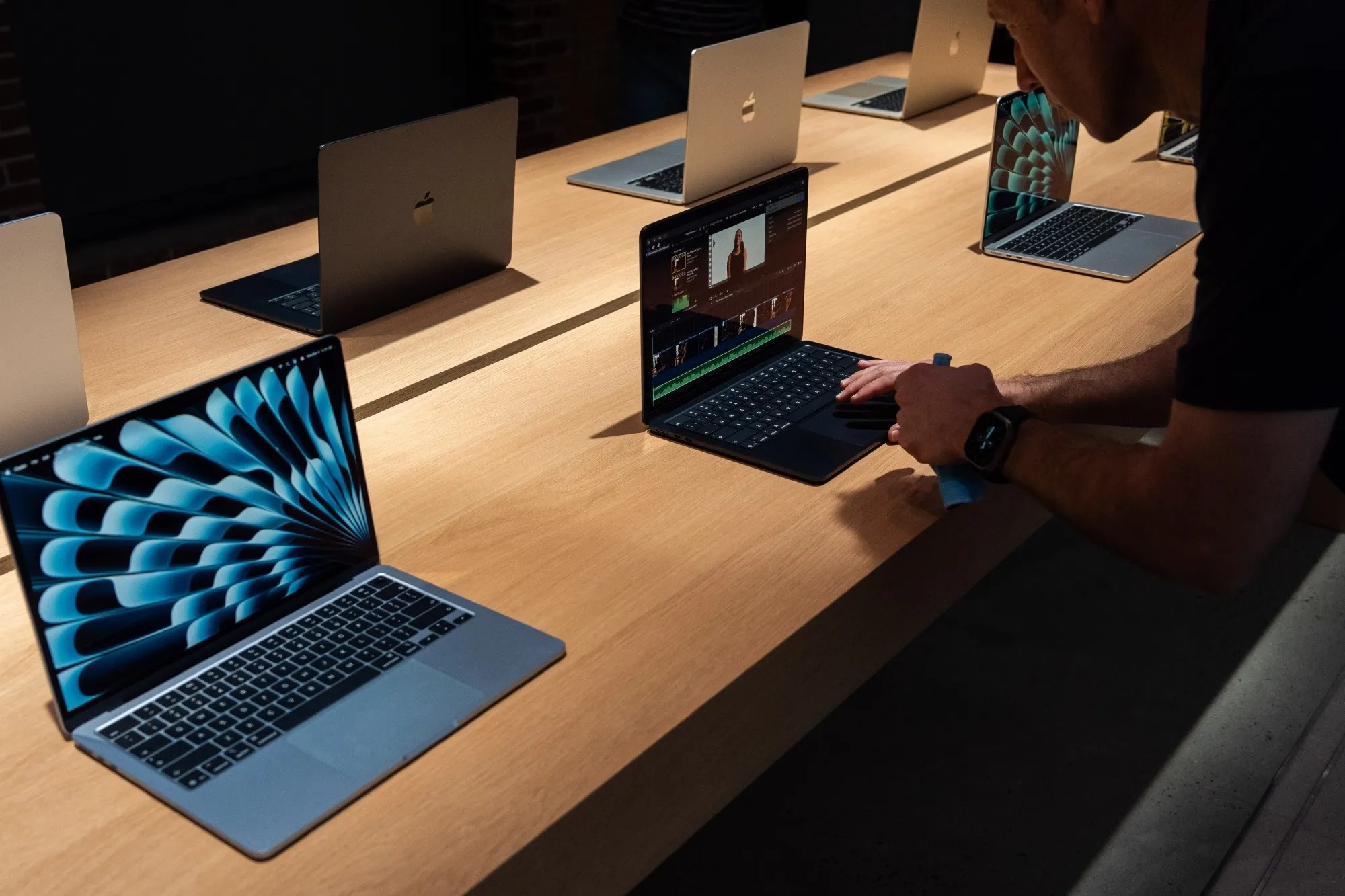 |
Apple's MacBook Air line currently starts at $1,300 . Photo: Bloomberg . |
Apple isn't the only company facing this pressure. Shortly after Apple's announcement, Microsoft also raised the price of the Xbox. This is the third price adjustment for this gaming console in just one year.



"However, Apple's customer base is huge and widespread. It's only when the company's devices increase in price that users will feel the direct impact of the downsides of the AI era. This is no longer just an industry-wide issue," Gurman observed.
Besides iPads and MacBooks, Apple's price increase also includes the Vision Pro. The device now costs $3,700 , a 6% increase from its previous price. Despite numerous complaints about the high price, a Bloomberg writer suggests that the company is maintaining the product rather than abandoning a source of profit.
The most notable price increase was for the new Apple TV. The price went up 54%, from $130 to $200 . The HomePod increased from $300 to $350 (17%), while the HomePod mini rose from $100 to $130 (30%).
The new pricing makes the products less competitive compared to rivals like Amazon or Google. However, this could also be a strategic move because, based on rumors, the next generation of HomePod and Apple TV will need larger storage capacity to support Siri AI.
The "new normal" for prices.
This situation also highlights a paradox in Apple's strategy. The company primarily prioritizes running AI directly on devices. Only after introducing Siri AI did it focus on boosting its cloud-based server system. Local processing helps reduce the cost of building data centers, which consume a lot of energy, components, and expenses.
"Undeniably, ChatGPT, Claude, and similar systems have created value for some users, making programming, research, writing, editing, and creativity easier."
However, the price to pay is becoming clear to consumers as electronic devices become more expensive and component supplies become scarce. The industry is now focused on serving AI systems instead of making electronic products cheaper and better," the Bloomberg writer emphasized.
A price increase of $100-$200 for the MacBook Neo or MacBook Air isn't huge in theory, but it's still enough to make many people reconsider or postpone their upgrade plans for months, or even longer.
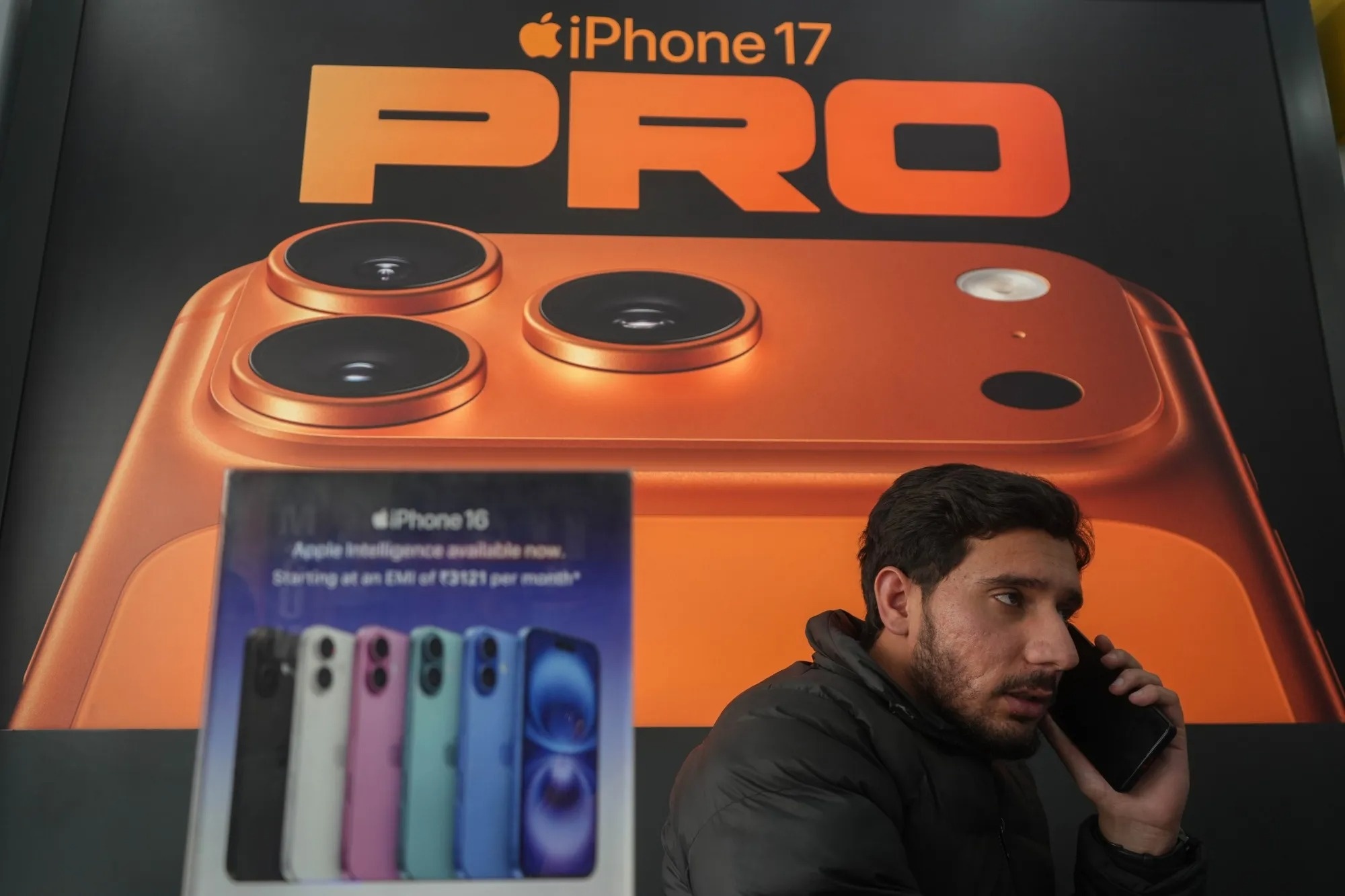 |
iPhone prices haven't increased this time around. Photo: NurPhoto . |
Although Apple tries to protect its profit margins, Gurman argues that some users will no longer be able to afford new technology.
The next segments to be affected are businesses, education , government, and wholesale in general. A $200 increase per device would be significant when customers want to buy thousands of products at once.
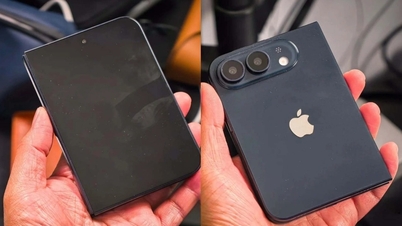
iPhones haven't increased in price yet. Gurman suggests that will happen later in the year. However, the product line is likely to be least affected due to stable demand and low price sensitivity. Even if the iPhone Pro costs $200 more or the foldable iPhone reaches $2,500 , the number of loyal customers is not expected to decrease significantly.



This situation is reminiscent of a similar event 20 years ago, when Apple dominated the global flash memory market for products like the iPod nano. Since then, prices across the industry have only risen and never fallen.
"Consumers should have a similar perspective on this price increase. This is the beginning of a new normal, not a temporary fluctuation," Gurman emphasized.
Source: https://znews.vn/phia-sau-quyet-dinh-tang-gia-cua-apple-post1664910.html