

Going to the market to shop for Tet.
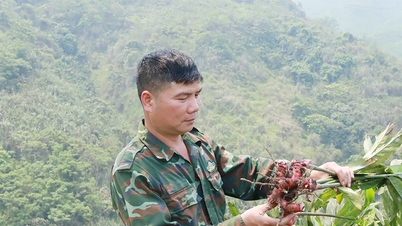
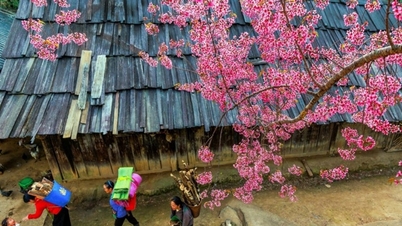
In the last days of the twelfth lunar month, the sun's rays shine brightly on the villages and mountain slopes, dispelling the thick fog. Against the verdant backdrop of the mountains and forests, peach and apricot blossoms add color, warming the landscape of the mountainous region with the spirit of spring. The people of the highlands joyfully harvest forest products: dong leaves, bamboo tubes, peaches, etc., to sell during Tet (Lunar New Year).
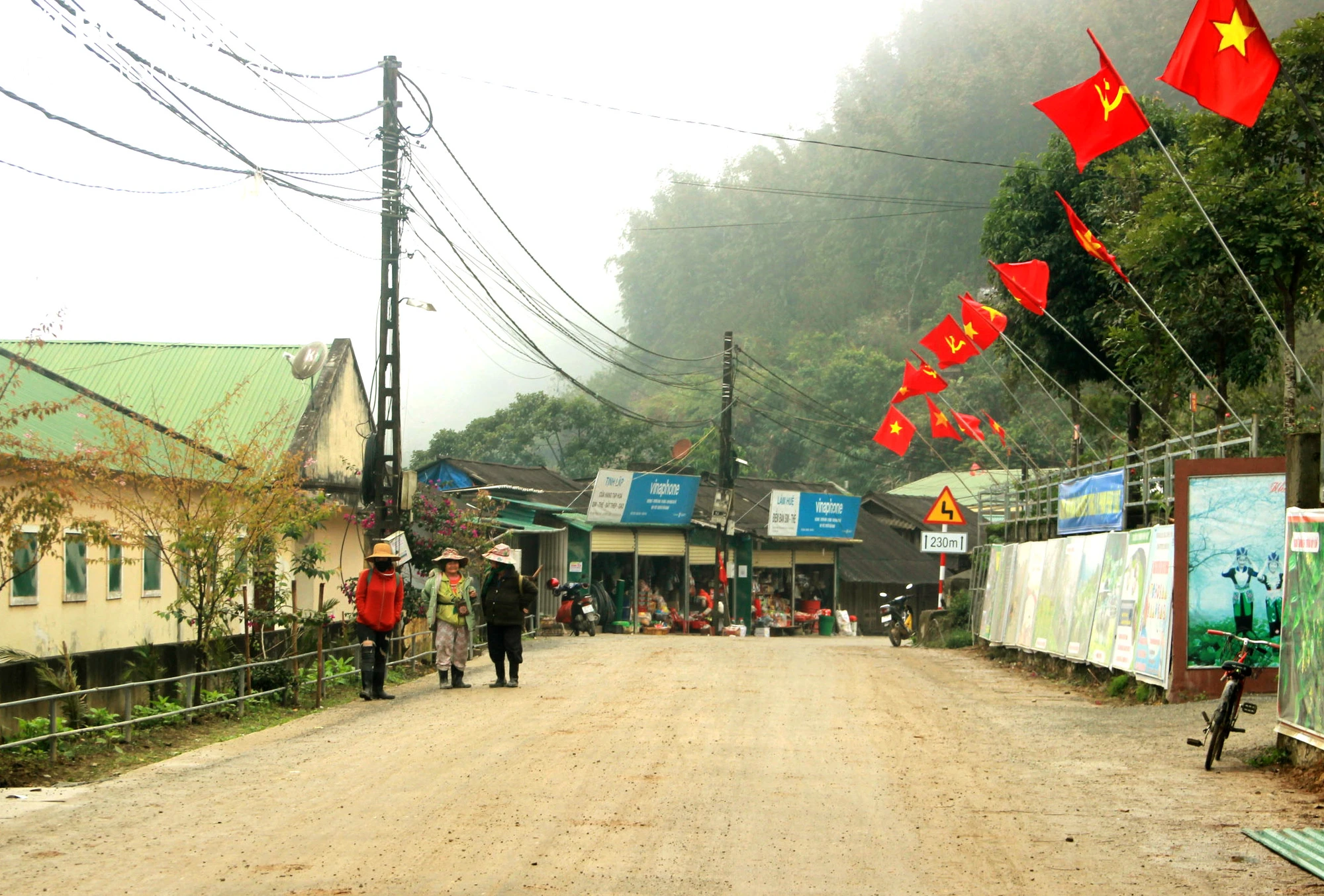
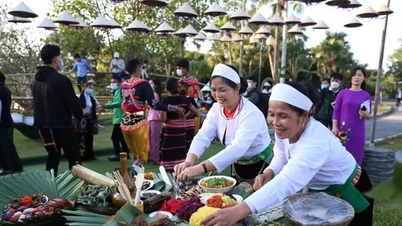
At the stalls near the entrance to the highland market, goods transported by traders in cars are piled high. A wide variety of sweets, food, soft drinks, fresh fruits… to meet the Tet holiday shopping needs of the local people.
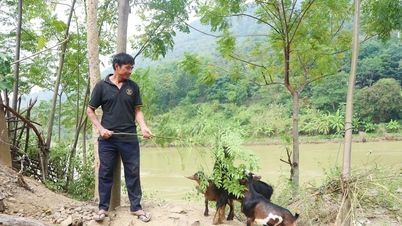
Mr. Vu Ba Do, from Tham Luc village, was happily shopping at Muong Long market (Ky Son district) and said: "For Tet, my family sold a cow for nearly 30 million dong. With that money, we plan to buy new clothes for our three children, along with some pots, pans, and farming tools... With the rest, after Tet, we'll find a lean cow to raise until it's fat enough to sell for even more money."
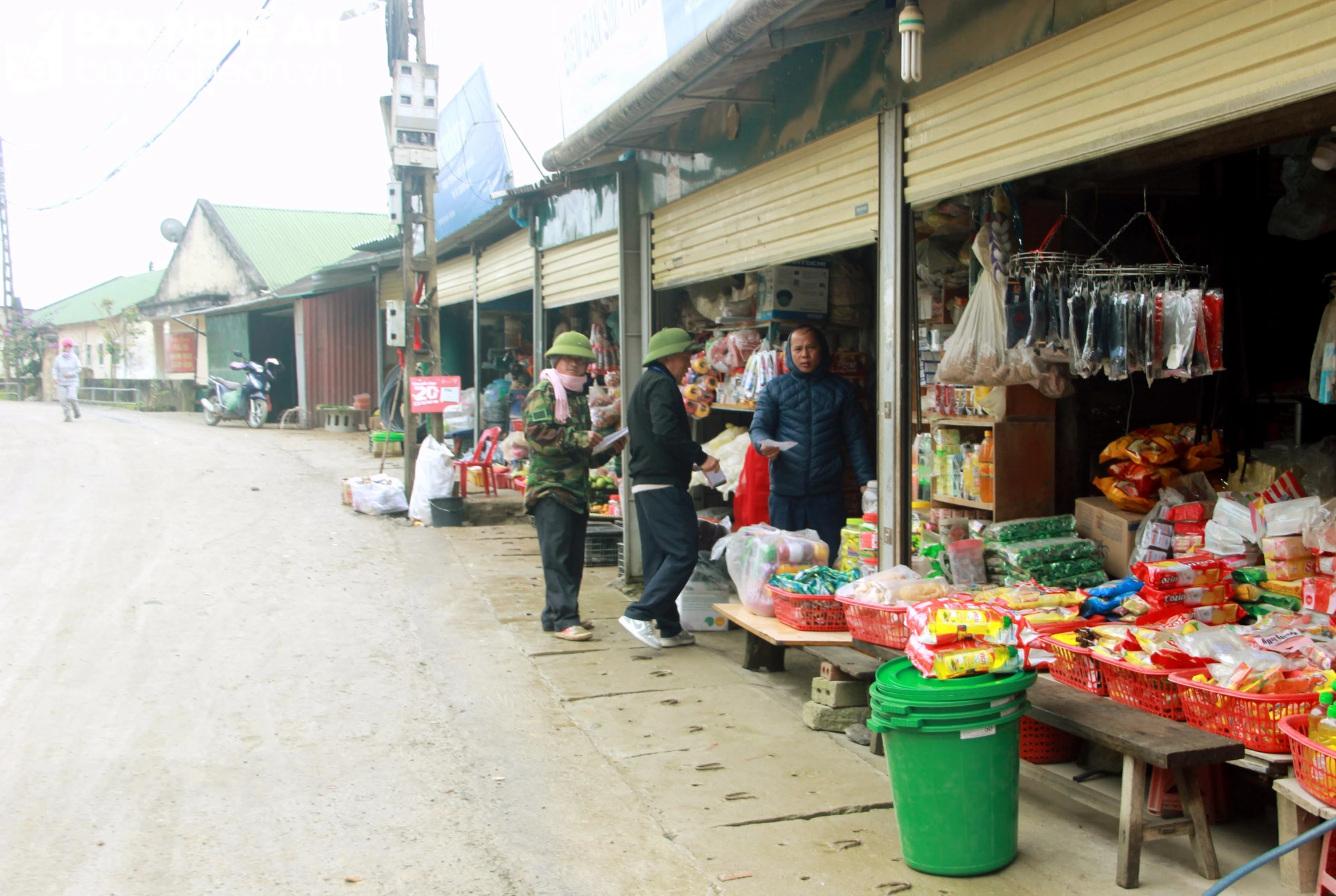
"Every year, at the end of the year, my wife and I go to the market to buy some farming tools: knives, sickles, hoes… so that we can start the new year with smooth and lucky production," Mr. Dờ confided.
At other highland markets such as Huoi Tu Market (Huoi Tu commune, Ky Son district); Tam Thai Market (Tam Thai commune, Tuong Duong district); Tri Le Market (Tri Le commune, Que Phong district)... and district-level markets such as Muong Xen Market (Ky Son), Hoa Binh Market (Tuong Duong), Kim Son Market (Que Phong), Con Cuong Market (Con Cuong)... as Tet approaches, more and more people flock to them.
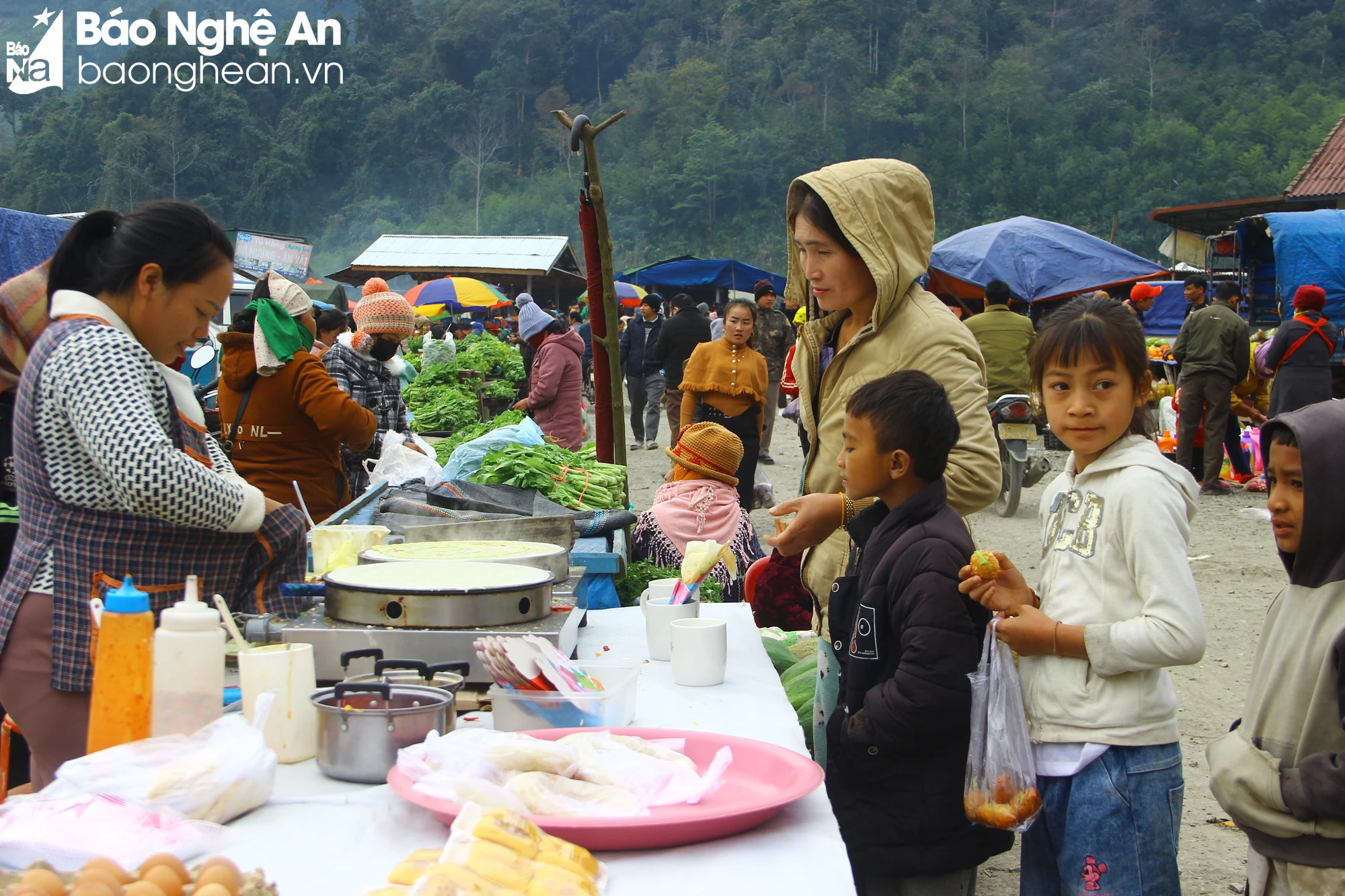
A unique feature of the highland markets is that the local people buy and sell very freely; if they like something, they buy it immediately with little bargaining, and the sellers therefore set reasonable prices. It's easy to see that besides stalls selling clothes, electronics, and household goods, there's also a retail area for the villagers. Everyone sells whatever they have, from livestock and crops to vegetables and fruits... so buyers have plenty to choose from.
According to the villagers, there are also Tet goods for sale in their commune and village, but they prefer to go to the market to sell a few items, as it's easier to choose from a wide variety of goods there. Although the money earned isn't much, it gives them money to buy the most essential items for their families.
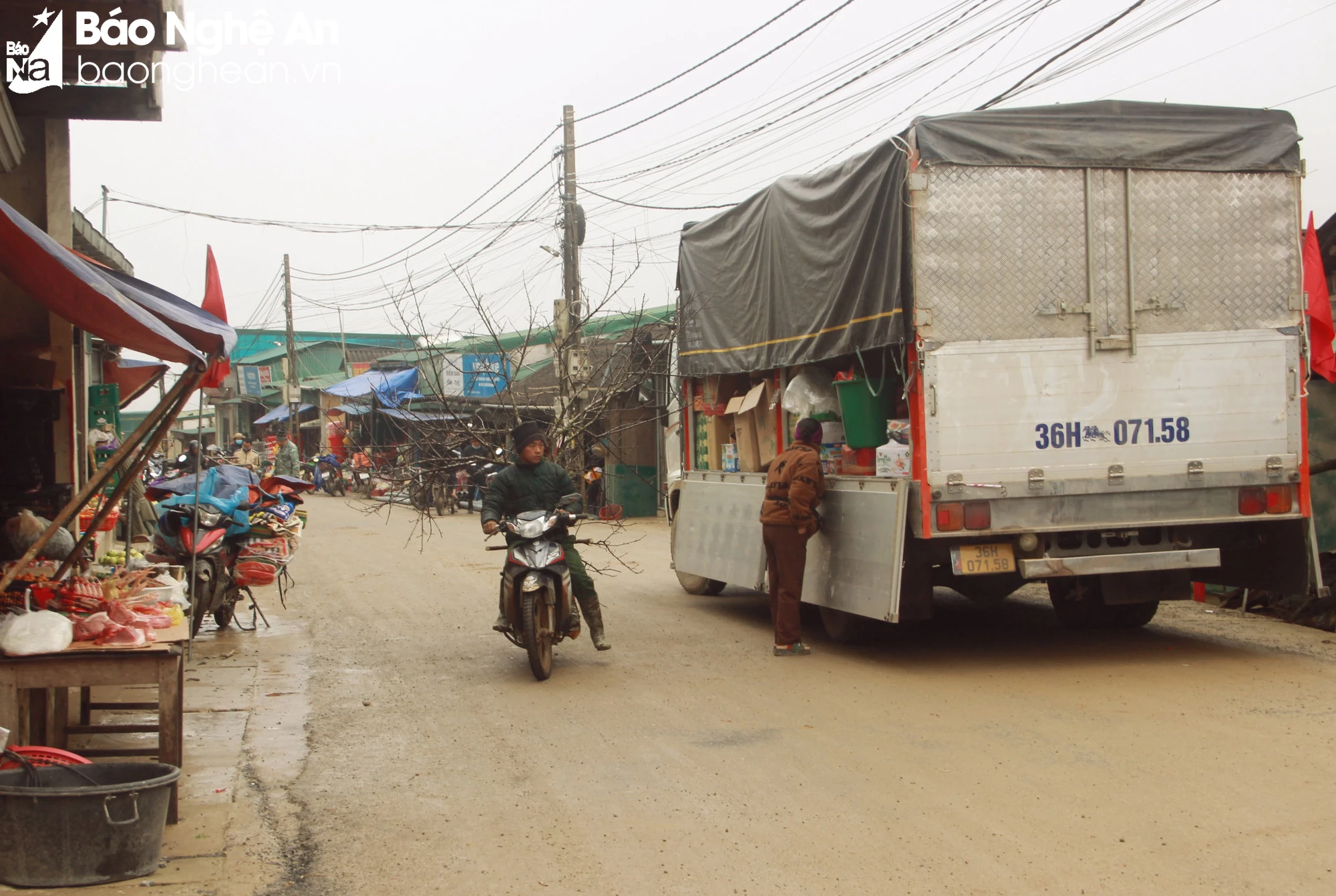
According to Mr. Va Cha Xa, Chairman of the People's Committee of Muong Long commune (Ky Son district), the locality has a Muong Long market held in the center of the commune. In the days leading up to Tet (Lunar New Year), people of various ethnic groups in the area flock to the market to shop for Tet goods and agricultural tools, making it much more bustling.
For the local people, the main products they produce are agricultural goods: mustard greens grown on hillside fields, chickens, pigs, and beef cattle... This year, although beef prices haven't been high, the people are making a profit because the market balances buying and selling – "buy low, sell low". The mustard greens are not grown in concentrated areas, but scattered across the fields. Due to the year-round cool climate, the greens grow well and are free from pests and diseases, making them popular in the market. The people harvest and sell them on the spot for 10,000 VND per bunch.
Muong Long is 100% inhabited by the Mong ethnic group. Their Lunar New Year customs begin on the 27th day of the 12th lunar month, when they collectively slaughter pigs and cows. On the evening of the 30th day of the 12th lunar month, they gather at the village cultural center for a ritual offering, followed by individual family ceremonies at home. The shaman's prayers are for the new year, wishing all descendants of the clans health, prosperity, freedom from illness and disease, and no accidents. On the first day of the Lunar New Year, everyone stays indoors and does not go out. On the second day of the Lunar New Year, the villages organize festivities and entertainment at the village cultural center, featuring traditional games such as cockfighting, throwing the "con" (a type of ball), and "gụ" (a traditional game)... lasting until the 6th day of the 1st lunar month.
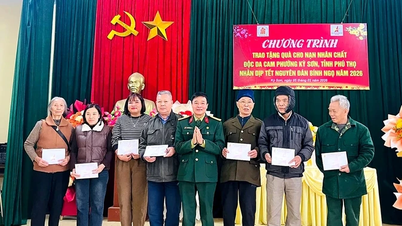
The end of the year is an opportunity for benevolent individuals and organizations/businesses concerned with the poor to receive additional material and spiritual support for the Lunar New Year. Therefore, from mid-December onwards, the mountainous districts are always busy with delegations delivering Tet gifts to poor households and those in particularly difficult circumstances, with the list of individuals and organizations registering for support growing longer and longer. In the mountainous districts of Nghe An province, where the poverty rate remains high, every Tet holiday, each gift from philanthropists, organizations, and businesses contributes to bringing warmth and joy to the people during the New Year.
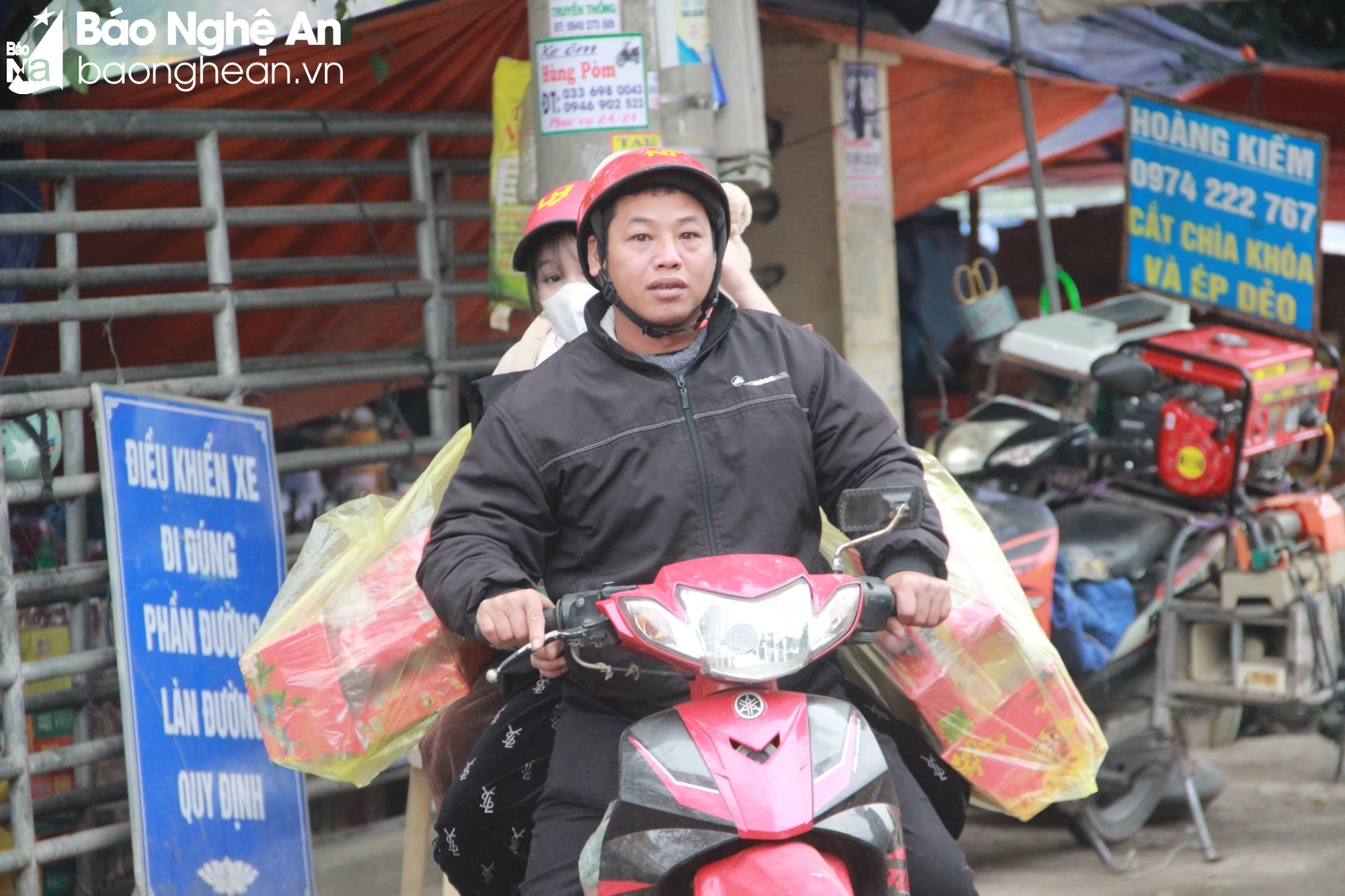
According to Mr. Bui Van Hien, Vice Chairman of the People's Committee of Que Phong district: Although in recent years, the Party, the State, and various departments and organizations have implemented many policies to support the people, the road ahead still presents many difficulties. Therefore, end-of-year gift-giving activities by individuals and groups, bringing "a warm Tet to the highlands," are very meaningful and practical.
The border region is prosperous.
Every highland locality has reason to celebrate after a year of focused efforts on socio-economic development. Ky Son district, a remote highland area, is one of the localities that has seen encouraging signs.
Mr. Vi Hoè – Member of the Provincial Party Committee, Secretary of the Ky Son District Party Committee – confidently stated: Over the past year, drawing on both internal and external resources, Ky Son has focused on economic development and has seen positive changes. This is due to the people's commitment to protecting the forests; currently, the forest area in Ky Son has increased to 172,000 hectares, mainly protective forests. Ethnic minority communities combine forest protection with the development of livestock and poultry farming, creating local income sources.
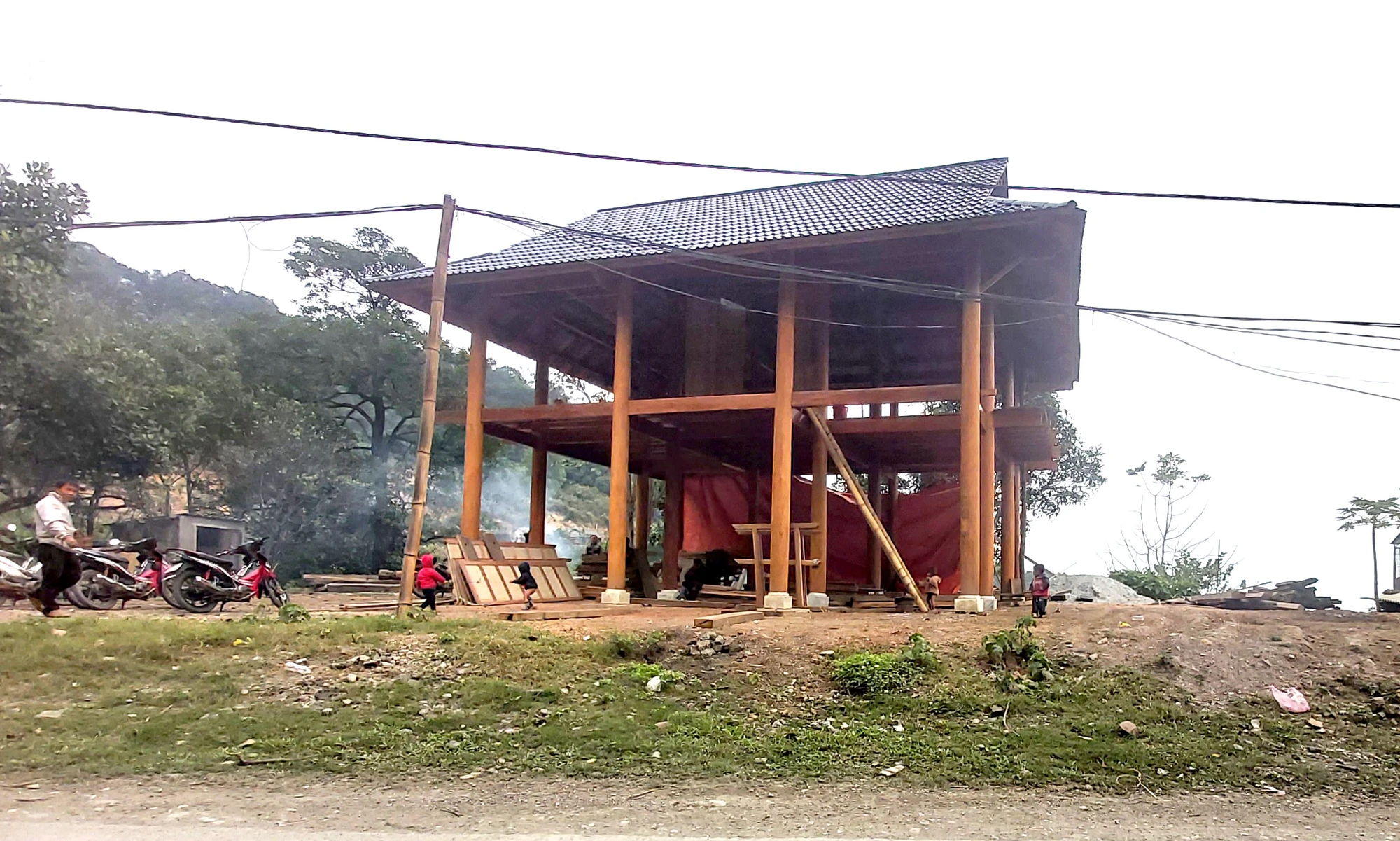
Besides relying on the forest for a stable livelihood, more than 3,000 young people from the district have gone to work in large companies in the country... Combining local and external resources, the people have stabilized their lives, and as a result, the rate of migration is no longer as high as before.
In particular, over the past year, social welfare work has received special attention from all levels and sectors, from the central government to the province and district. In just six months of 2023, Ky Son district implemented the construction of nearly 2,000 houses for its residents. Each household received 50 million VND in support for housing construction, totaling 100 billion VND. Of this amount, the district contributed nearly 10 billion VND from its budget and through social mobilization, with each official, Party member, and organization/business joining hands to support disadvantaged people in building houses.
From a state of "settling down and making a living," combined with internal resources from livestock farming and crop cultivation, the lives of the people have become increasingly stable. Average income is over 23 million VND/person/year, an increase of nearly 1 million VND compared to 2022. A highlight of Ky Son's commercial development is the Nam Can border market, which has had a significant impact on the district's economy. People can sell their agricultural products, and it is one of the tourist destinations that is becoming increasingly well-known to visitors from all over.

Bright colors are gradually emerging in mountainous areas and ethnic minority regions, creating a vibrant and welcome picture of renewal. This is clear evidence of the Party's sound policies, fostering deep trust in the hearts of the people in these highland areas.
Source
![[Photo] National Assembly Chairman Tran Thanh Man attends the policy seminar to promote Vietnam-Türkiye cooperation.](https://vphoto.vietnam.vn/thumb/1200x675/vietnam/resource/IMAGE/2026/04/16/1776351415367_vna-potal-chu-tich-quoc-hoi-tran-thanh-man-du-toa-dam-chinh-sach-thuc-day-hop-tac-viet-nam-tho-nhi-ky-8705791-jpg.webp)


















![[Image] Bridges and roads connecting the eastern part of Ho Chi Minh City](https://vphoto.vietnam.vn/thumb/1200x675/vietnam/resource/IMAGE/2026/04/16/1776328595108_ndo_br_bh-vt5-jpg.webp)

























![[Infographic] Details of the Hanoi-Quang Ninh High-Speed Railway Project](https://vphoto.vietnam.vn/thumb/402x226/vietnam/resource/IMAGE/2026/04/16/1776338188424_anh-man-hinh-2026-04-16-luc-18-16-10.png)

![[Photo] National Assembly Chairman Tran Thanh Man meets with the Speaker of the Georgian Parliament](https://vphoto.vietnam.vn/thumb/402x226/vietnam/resource/IMAGE/2026/04/16/1776338494029_anh-man-hinh-2026-04-16-luc-18-21-21.png)













Comment (0)