


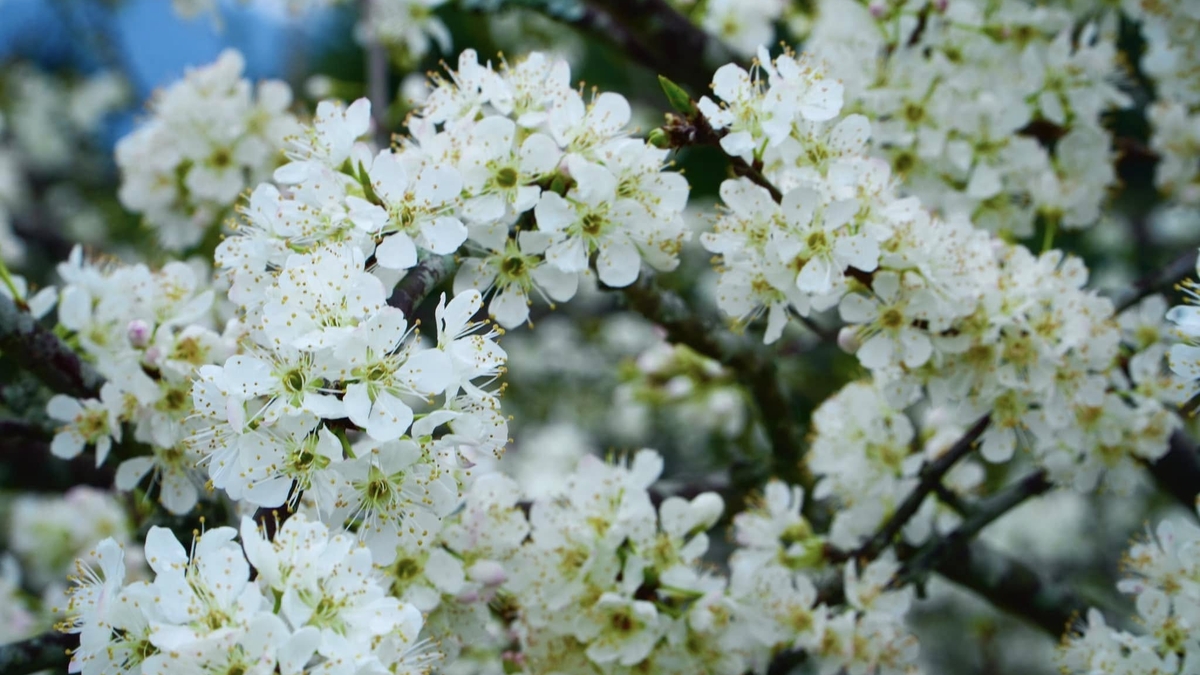
The Tớ dày flower, also known as the wild peach blossom, has long been a symbol associated with the spiritual and cultural life of the Hmong people in this region. In the Hmong language, "Tớ dày" means "wild peach blossom." Unlike the delicate and gentle beauty of the pink or red peach blossoms of the lowlands, the Tớ dày embodies the wild, strong, and proud beauty of the highlanders. Its delicate yet resilient petals dye the sky a vibrant hue, creating a dazzling symphony of colors in the vast expanse of the land and sky.
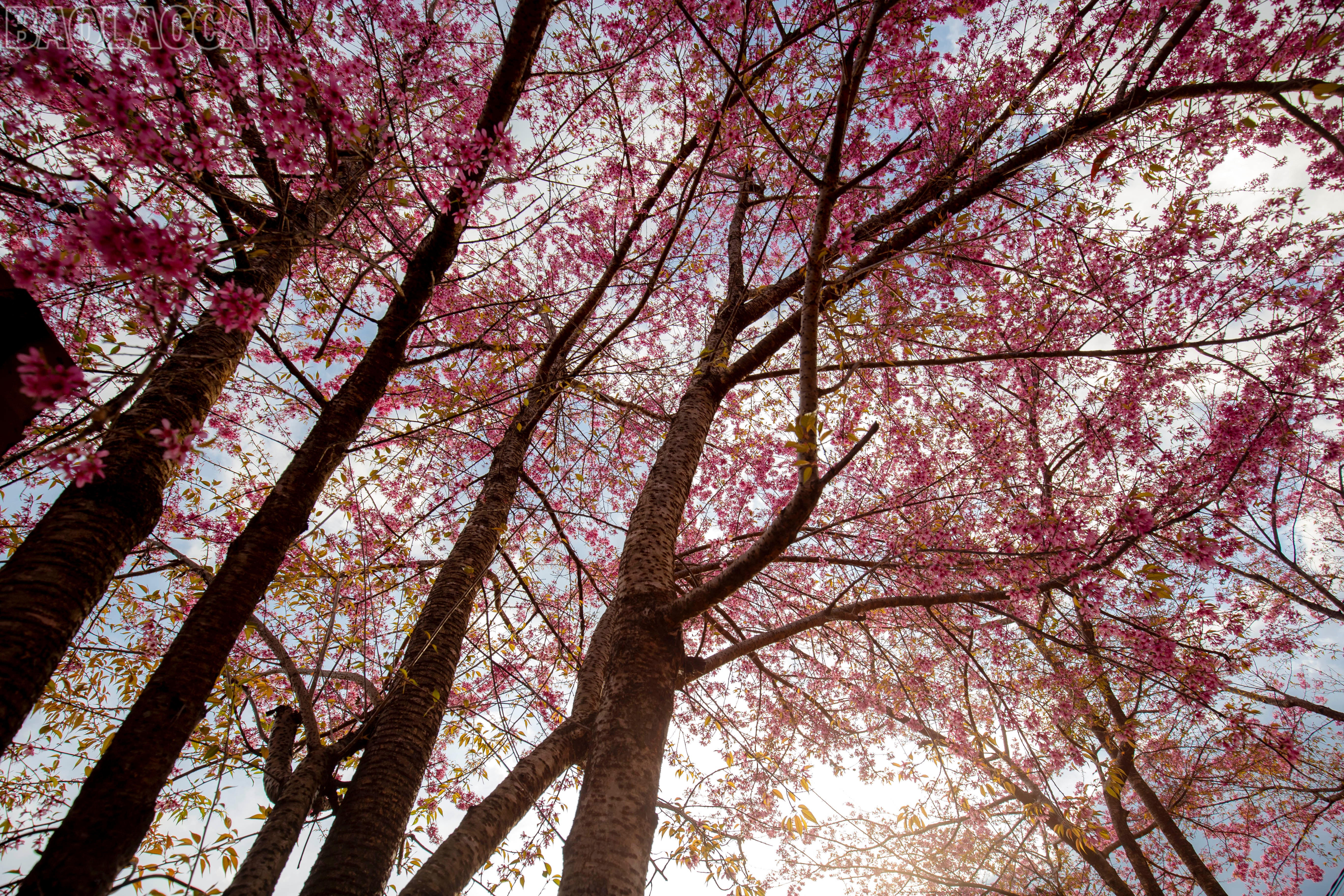
At this time of year, traveling along National Highway 32 towards the center of Mu Cang Chai, visitors are amazed by the majestic and poetic natural scenery. From the high hillsides to the deep valleys, everywhere you look, you see shades of pink intertwined with the green of the vast forest. The bare trees, having shed all their leaves in autumn, now awaken from their long slumber, densely covered with buds and flowers, forming large clusters like vibrant pink spheres swaying in the wind.
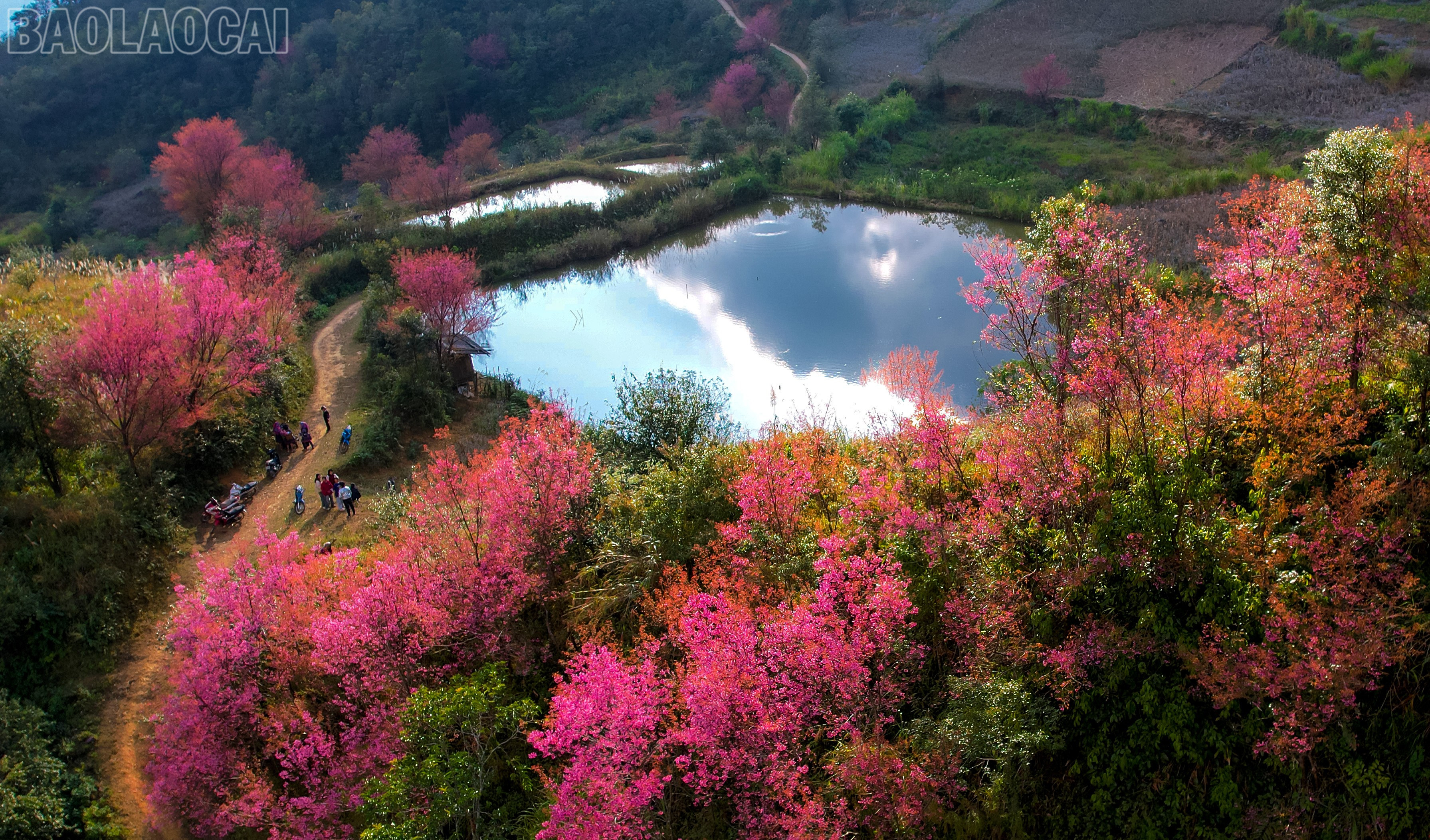
The Tớ dày flowers don't bloom all at once. Depending on the climate and altitude of each region, the flowers will gradually "light up." In some places, the flowers have bloomed profusely since the end of December, but in higher villages, they don't begin to show their colors until mid-January. This natural "discrepancy" prolongs the flowering season, giving tourists more time to make pilgrimages to this heritage region. Under the dry, golden sunlight of winter, the pink color of the flowers seems deeper and more radiant, reflecting on the silvery color of the mountain rocks, creating a vibrant and mesmerizing ink painting.
For the Hmong people in the highlands of Mu Cang Chai, the Tớ dày flower is not only a beautiful flower, but also a "messenger" of spring. When the flowers bloom profusely in the mountains and forests, it means that farming work is temporarily put aside, and Hmong boys and girls dress up in their vibrant traditional clothing to prepare for the traditional New Year. The sound of the Hmong flute echoes across the hillsides, blending with the colors of the flowers to create a characteristic festive atmosphere, both sacred and joyful. The elders say that in the past, when people saw the Tớ dày flower bloom, they knew that the planting season had arrived, that the season of love had come. This flower serves as a reminder of their origins, of the vibrant life of the people on this sloping land in the highlands.
The allure of this flower has transformed Mu Cang Chai into a tourism hotspot in the early days of the year. In recent years, the trend of experiential tourism and photographing wildflowers has grown strongly. Groups of tourists from Hanoi, Hai Phong, Quang Ninh, and other southern provinces brave the long journeys and treacherous Khau Pha mountain pass to witness this flower firsthand. At various stops, the sight of photographers patiently waiting for the ideal light to capture the beauty of the Tớ dày flower has become commonplace. Young people also don't miss the opportunity to check in amidst the flower forest, preserving the most vibrant moments of their youth alongside this simple wildflower. Encouraging locals to plant more Tớ dày flowers along roads and around villages not only helps to green empty land but also creates a legendary "flower road," attracting tourists to return again and again.
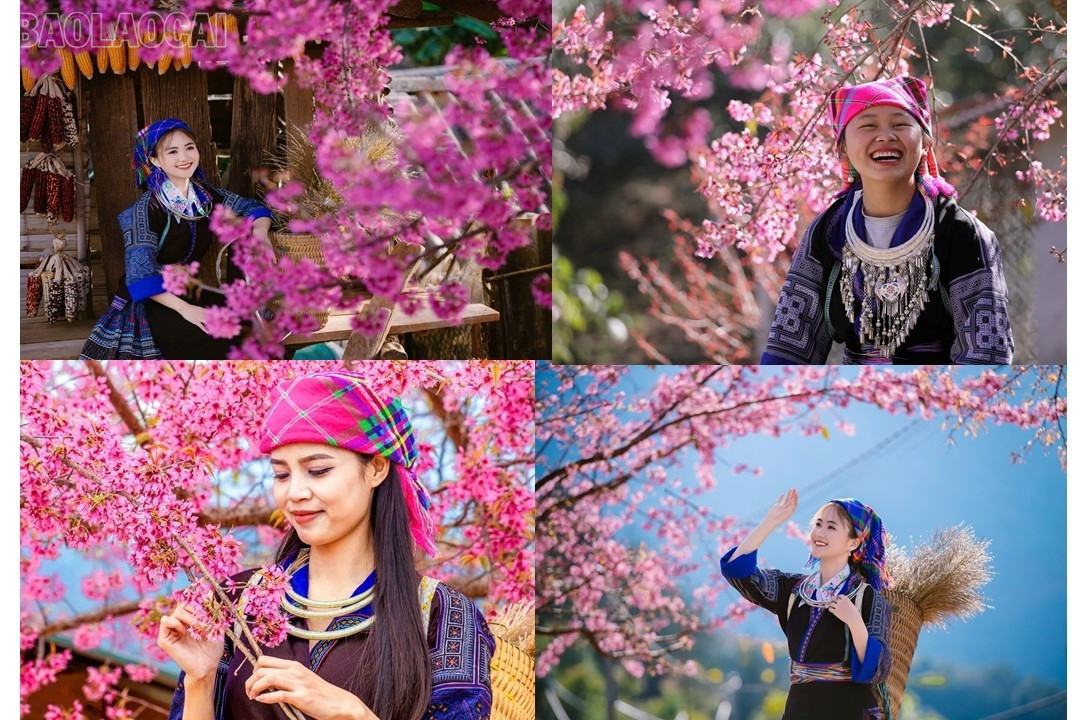
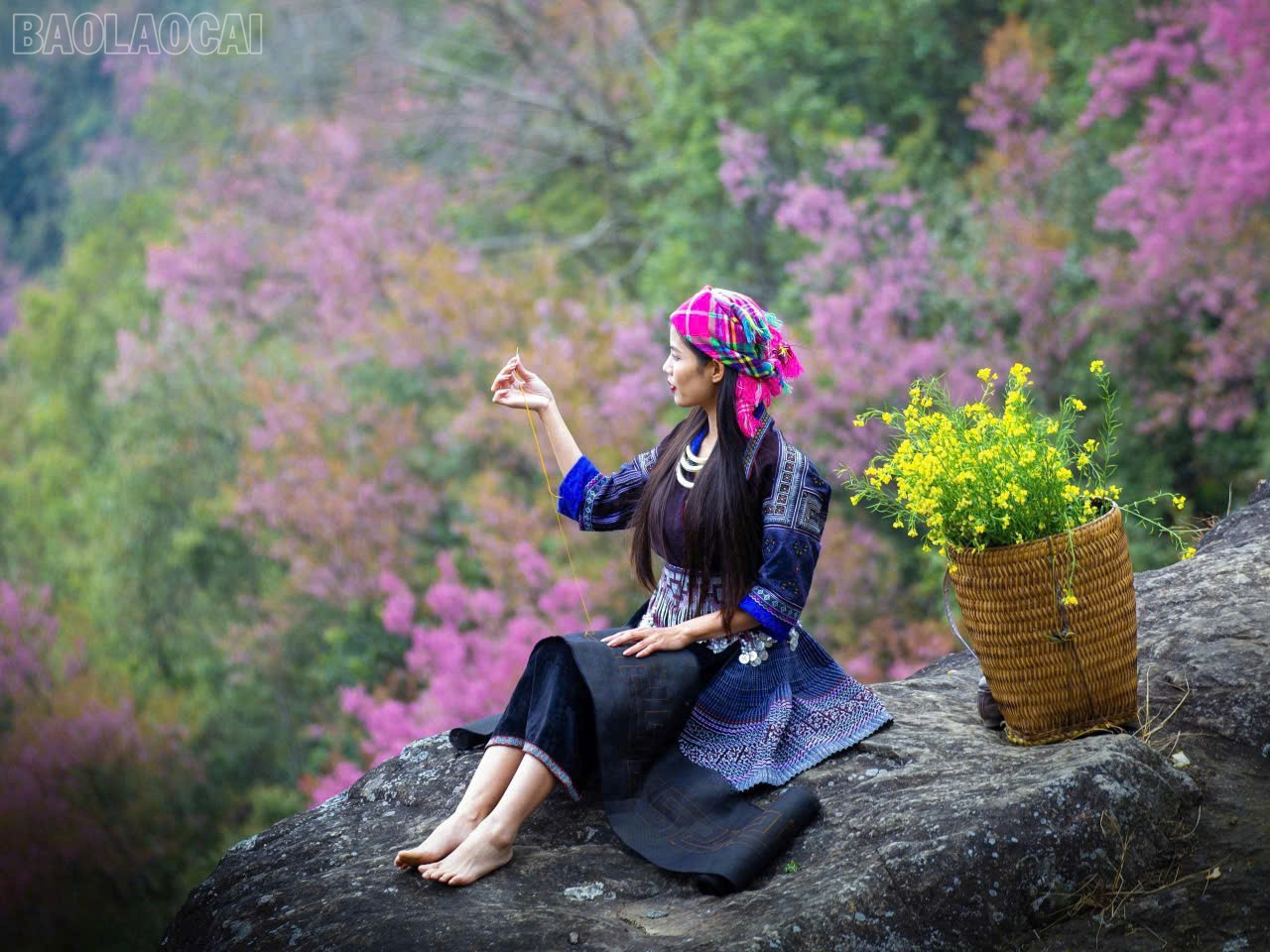
Recognizing the value of this flower in promoting sustainable tourism, the Mong Flute Festival, the Tớ Dày Flower Festival, and other spring-themed activities organized over the years have gradually affirmed Mù Cang Chải's position on the Vietnamese tourism map. More than just an annual event, it's a journey connecting the unique cultural values of the Mong people with the aspirations of the Mù Cang Chải highlands. Through each festival season, the soaring melodies of the flute blend with the vibrant pink of the Tớ Dày flowers, creating a green tourism brand where nature and people coexist to preserve the treasure of the forest. This year's festival, opening on January 3rd, 2026, in Mù Cang Chải, promises to open up a brilliant and emotionally charged cultural and artistic space amidst the terraced rice field heritage. The event is a delicate blend of the vibrant pink of the characteristic "wild peach blossom" and the deep, resonant sound of the Hmong flute – the soul of the Northwest mountains. This is not only an activity celebrating the beauty of nature and ethnic identity, but also a strong affirmation of the vitality of Hmong culture in the modern era. It also provides a springboard for the sustainable tourism development of Mu Cang Chai, bringing the image of this peaceful and hospitable highland region closer to domestic and international friends.
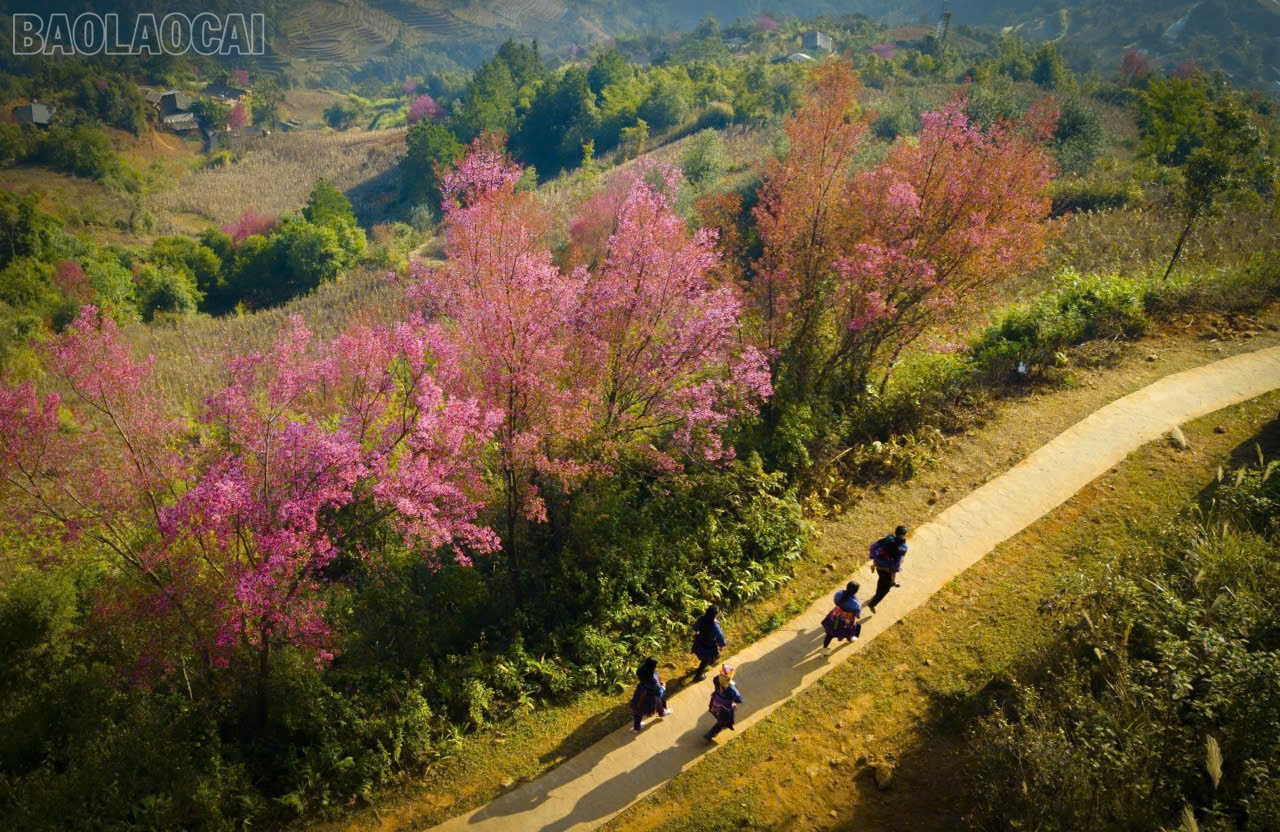
These days, Mu Cang Chai doesn't need golden sunshine to captivate hearts, because the color of the Tớ Dày flower has created its own unique "sunny season." Those delicate petals are like pink notes writing a love song of the mountains and forests, gentle and enchanting. Perhaps, the Tớ Dày is nature's sweet "lie," making people forget the biting cold of the highland winter. Don't just hear about the Tớ Dày flower; come and see for yourself, to witness amidst the vast wilderness, a flower proudly weaving a crimson hue across the sky. When you leave the highland villages, what you take back is not just souvenir photos, but a soul warmed by the pink "flame" of the Tớ Dày and a promise to return to Mu Cang Chai in the springs to come.
Source: https://baolaocai.vn/ruc-ro-sac-hoa-to-day-post890363.html


![[Photo gallery] Spectacular lantern-releasing ceremony on the Dong Nai River](https://vphoto.vietnam.vn/thumb/402x226/vietnam/resource/IMAGE/2026/03/01/1772377780577_dsc04459_20260301203706_20260301214010.jpeg)












































Comment (0)