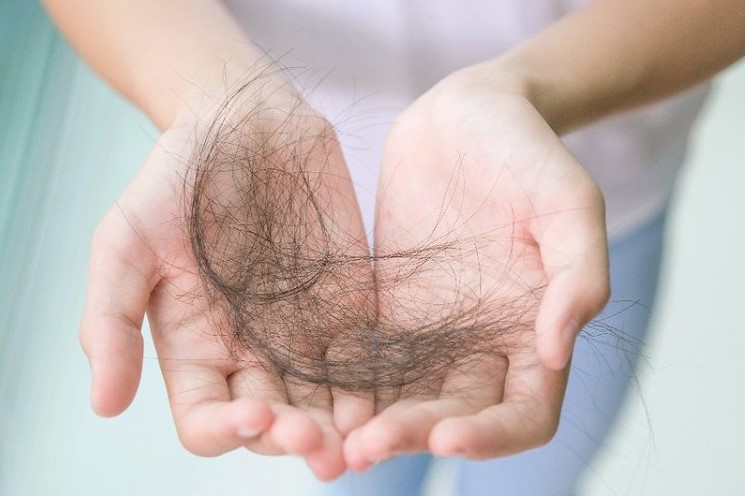
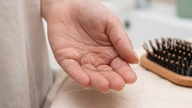
For a normal person, losing about 50-100 hairs per day is considered completely physiological, especially when the scalp is healthy, without itching, flaking, or inflammation. This phenomenon may slightly increase during seasonal changes, after childbirth, after a prolonged period of stress, or when hormones change.
Physiological hair loss usually doesn't cause noticeable thinning of hair, doesn't create bald patches, and new hair continues to grow regularly. Therefore, if the number of hairs falling out is less than 100 per day and there are no unusual signs on the scalp, people shouldn't worry too much.
1. When does hair loss become a medical condition?
Hair loss is considered abnormal when more than 100 hairs fall out per day, lasting for weeks or months, and accompanied by symptoms such as thinning hair, visible scalp, bald patches, itching, burning, or redness and inflammation of the scalp.
Pathological hair loss can be divided into two main groups of causes: scalp conditions and hair follicle conditions.
- Due to scalp conditions
This is a common cause of excessive and prolonged hair loss. Typically, scalp conditions can cause hair loss, specifically...
- Scalp dermatitis, seborrheic dermatitis: Oily scalp, white or yellow flaking, persistent itching.
- Scalp fungus: Characterized by patches of broken hair close to the roots, scaling, and sometimes pustules.
- Folliculitis: Hair follicles become inflamed, causing pain, redness, and hair loss in the affected area.
- Autoimmune diseases: Certain conditions, such as lupus erythematosus, can cause diffuse or patchy hair loss.
- Endocrine disorders: Thyroid diseases, polycystic ovary syndrome, etc., can affect the hair growth cycle.
- Psychological disorder: Trichotillomania, or hair pulling disorder, causes sufferers to unconsciously pull out their own hair when stressed.
When noticing unusually excessive hair loss, patients should consult a dermatologist to determine the cause.
- Due to hair conditions
Several hair conditions can cause hair loss, and weak hair is also prone to breakage, mainly due to:

- Hair fungus
- Lice infestation
- Hair is damaged by chemicals, dyeing, bleaching, perming, and excessive straightening.
- The impact of high temperatures from hair dryers and styling tools.
Additionally, hair loss can be related to malnutrition, iron deficiency, zinc deficiency, protein deficiency, or as a result of serious illness or major surgery.
- Factors that cause more hair loss
In modern life, many seemingly harmless habits contribute to weak and falling hair:
- Staying up late for extended periods
- Stress and work pressure
- An unbalanced diet
- Smoking
- Misuse of styling products
- Tying your hair too tightly for a long period of time
- Stress is considered one of the important factors. When the body is stressed, the hormone cortisol increases, which can push many hair follicles into an early resting phase, causing massive hair loss a few weeks later.
2. Effective hair loss treatment
When noticing unusually excessive hair loss, patients should consult a dermatologist to determine the cause. Depending on the case, the doctor may prescribe topical medications, oral medications, or other supportive measures. Users should not self-medicate or use these treatments for extended periods without professional advice.
Besides medication, several nutrients proven beneficial for hair, such as zinc, vitamin A, vitamin C, biotin, omega-3, and hyaluronate, can help improve hair quality.
Some people may find that grapefruit essential oil can help improve scalp circulation and make hair shinier and healthier if used correctly and with a quality product. However, this is only a supportive measure and should not replace medication in cases of pathological hair loss.
3. Lifestyle changes to reduce hair loss
Healthy hair depends not only on topical products but also on nourishment from within.
People experiencing hair loss should adopt a balanced diet rich in protein and micronutrients. Foods that are good for hair include:
- Chicken, lean meat
- Seafood such as shrimp and oysters
- Seafood (salmon, tuna, mackerel)
- Egg
- Dark green leafy vegetables (spinach, bok choy, cauliflower)
- Fruits rich in vitamin C (guava, oranges)
- Nuts such as almonds, soybeans, and sunflower seeds.
- Iron and zinc play a particularly important role in maintaining the hair growth cycle. Deficiencies in these two micronutrients can lead to prolonged hair loss.
Besides nutrition, adjusting lifestyle habits is also essential to effectively reduce hair loss. Things to pay attention to include:



- Get enough sleep, 7–8 hours each night.
- Avoid staying up late.
- Reduce stress through exercise, meditation, or other relaxing activities.
- Do not smoke.
- Limit the use of harsh chemicals on your hair.
- Avoid tying your hair too tightly.
Washing your hair correctly is also important: avoiding scratching, not using water that is too hot, and choosing a shampoo suitable for your scalp condition can also help reduce hair loss.
When should I see a doctor?
Hair loss is a common problem, but if you experience significant hair loss, bald patches, or noticeable thinning hair, you should immediately seek medical attention.
Additionally, if hair loss is accompanied by an itchy, painful, inflamed, or red scalp, or if it's accompanied by fatigue, weight loss, or menstrual irregularities, early detection and treatment can help reduce the risk of permanent hair loss and promote better recovery.
Hair loss is a common phenomenon, but it's not always a cause for concern. The important thing is to understand your body, monitor the amount of hair loss, and avoid excessive panic. When unusual symptoms appear, timely consultation with a specialist will help identify the cause and provide appropriate treatment, protecting your hair and overall health.
Source: https://suckhoedoisong.vn/rung-toc-nhu-the-nao-moi-dang-lo-169260304213128767.htm