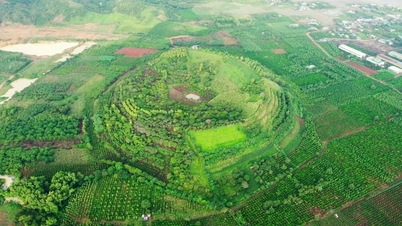
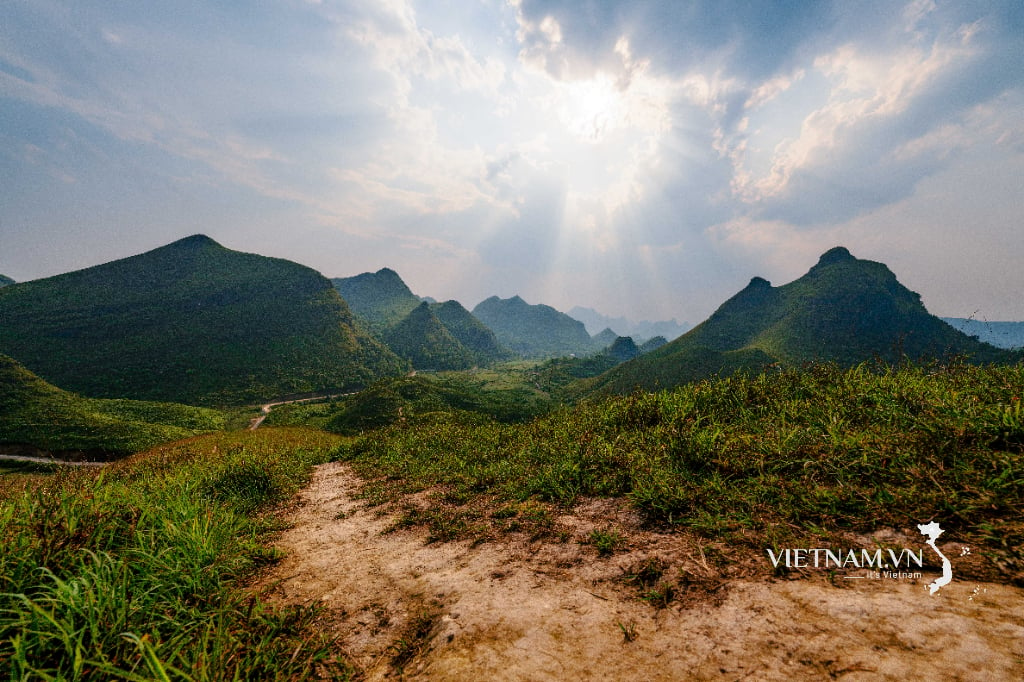
In mountainous localities with large ethnic minority populations such as Binh Lieu, Tien Yen, and Ba Che, the picture of the New Rural Development program is shining with colors of "happiness," evident in the clean and beautiful roads, the golden fields of fertile land, the abundance and prosperity in each home, and the sparkling joy of the people as they reap the proud achievements from their collective efforts in building a renewed and developed homeland. This contributes to enhancing the core values of Quang Ninh: "Beautiful Nature - Unique Culture - Civilized Society - Transparent Administration - Developed Economy - Happy People."
wealthy village
Following the achievement of Ba Che district being recognized as meeting the New Rural Area standards in 2023, 2024 marks another proud milestone in Quang Ninh 's 14-year journey of building New Rural Areas, as Binh Lieu district was honored to be recognized by the Prime Minister as meeting the New Rural Area standards in 2023. Binh Lieu is also the first mountainous, border, and ethnic minority district in the country to be recognized as meeting the New Rural Area standards, along with Dam Ha and Tien Yen districts, being the first two districts in the country to be recognized by the Prime Minister as meeting the advanced New Rural Area standards according to the National Criteria for New Rural Areas in the 2021-2025 period. By the end of 2024, Quang Ninh province will have achieved all the contents according to the National Criteria for completing the New Rural Area construction tasks in the 2021-2025 period. The shape and appearance of each New Rural Area village and commune are present in every rural area of the province. The lives of the people are increasingly improved both materially and spiritually.
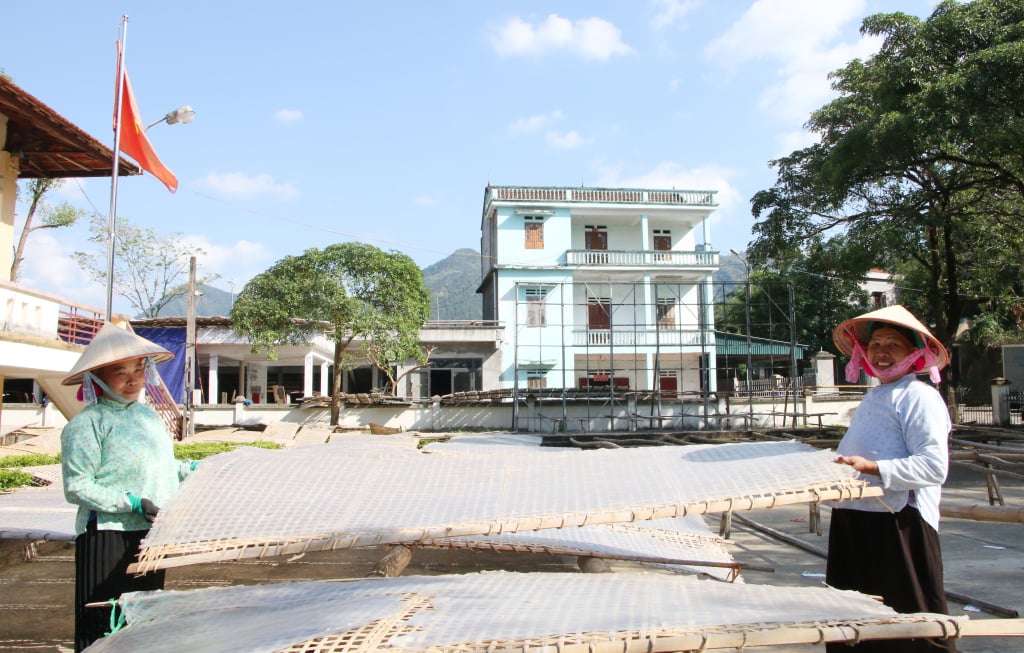
In the final days of 2024, the atmosphere at the vermicelli factory was... The Dinh Trung Development Cooperative (Na Ech village, Huc Dong commune, Binh Lieu district) is bustling with activity from early morning until late at night. People are busy making and drying rice paper, cutting vermicelli, weighing, and packaging, all working quickly, rhythmically, and in perfect harmony. Despite the hard work, everyone is enthusiastic, because it's not just a source of income, but also a source of pride as their OCOP (One Commune One Product) products are increasingly loved by customers near and far.
Mr. La A Nong, Director of Dinh Trung Development Cooperative, said: "After the recent Typhoon No. 3, vermicelli production facilities in the commune suffered heavy losses in harvested cassava, and damaged machinery and equipment. However, with the determination not to miss the Tet vermicelli season, even though the cost of input production has increased, we have quickly restored production, increased the workforce to ensure the quantity and quality of vermicelli sold, as well as maintain stable prices, affirming the brand of Binh Lieu cassava vermicelli. We expect to sell about 20 tons of vermicelli from now until the Lunar New Year 2025."
The Dinh Trung Cooperative was established and began operating in 2014, at the same time that the entire province and district started implementing the New Rural Development program. With the guidance and support policies of the district, along with a determined spirit to succeed, Mr. La A Nong boldly innovated his thinking and methods, leading the Dinh Trung Cooperative to increasingly develop, transforming the traditional vermicelli-making craft into a commodity-based production, boosting economic development, and contributing to job creation for local workers.
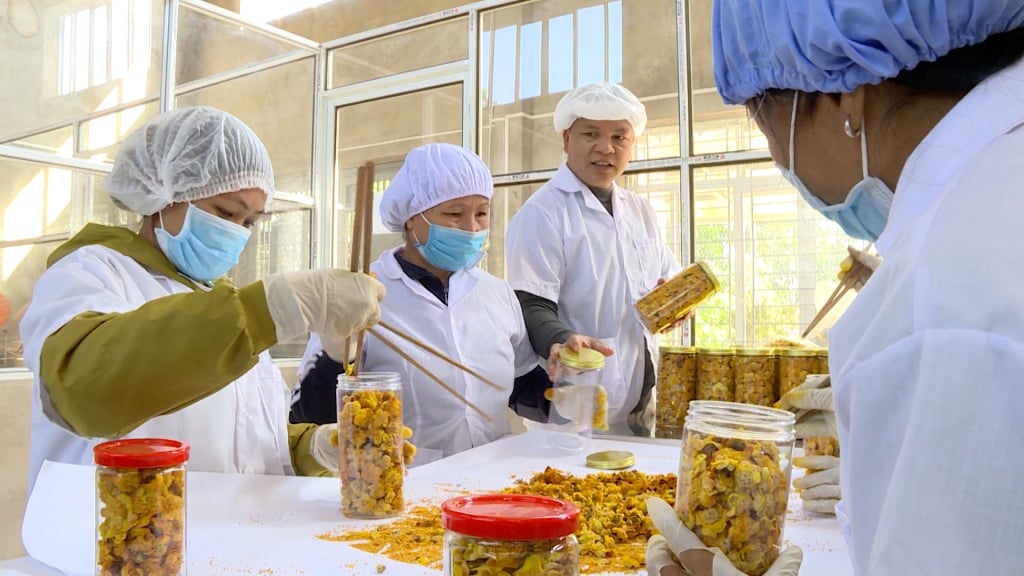
Not only in Huc Dong commune, but also throughout Binh Lieu district, people have actively and proactively converted unsuitable, low-yield crop areas to ginger cultivation, reaching 152.1 hectares to date. Along with this, the district continues to encourage and guide people to develop production towards a commodity-based approach, providing preferential loans and promoting the application of science and technology in production. This has helped people increase their income and contribute positively to the district's poverty reduction efforts. By the end of 2023, the district no longer had any poor households according to the central government's multidimensional poverty standard; in 2024, there were 8 poor households (0.1%) and 645 near-poor households (8.24%) according to the provincial poverty standard.
“Thanks to the development orientation of cassava vermicelli as a key OCOP product of the district, many households in the commune have built beautiful houses and bought motorbikes and cars. Especially thanks to the New Rural Development program, infrastructure and transportation are becoming increasingly modern, interconnected, and convenient for product consumption. The face of the commune's new rural area is changing every day, and the lives of the people are improving,” Mr. La A Nong happily shared.
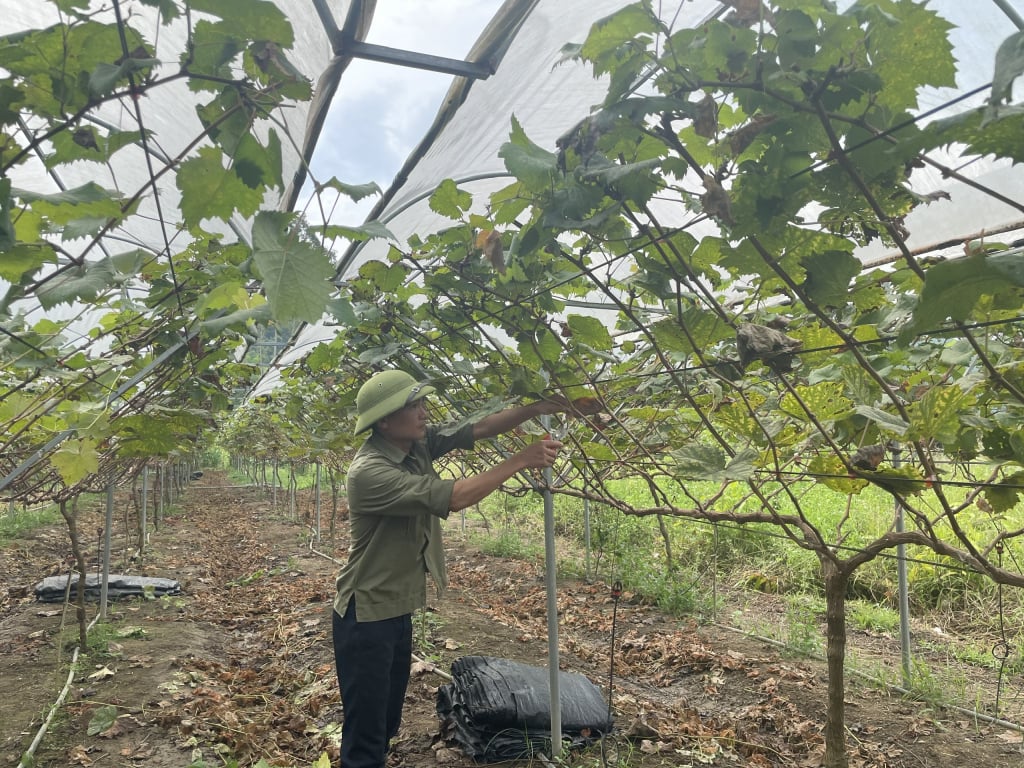
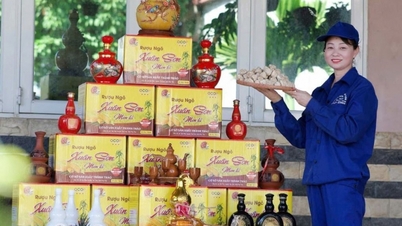
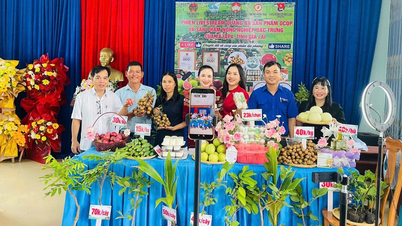
Throughout the province's rural areas, more and more OCOP (One Commune One Product) products from farmers are gaining market trust and reaching provinces and cities nationwide and internationally through trade fairs, e-commerce platforms, and social media. This serves as a driving force, empowering farmers to confidently enter the market, improve product quality, and generate increasingly higher incomes.
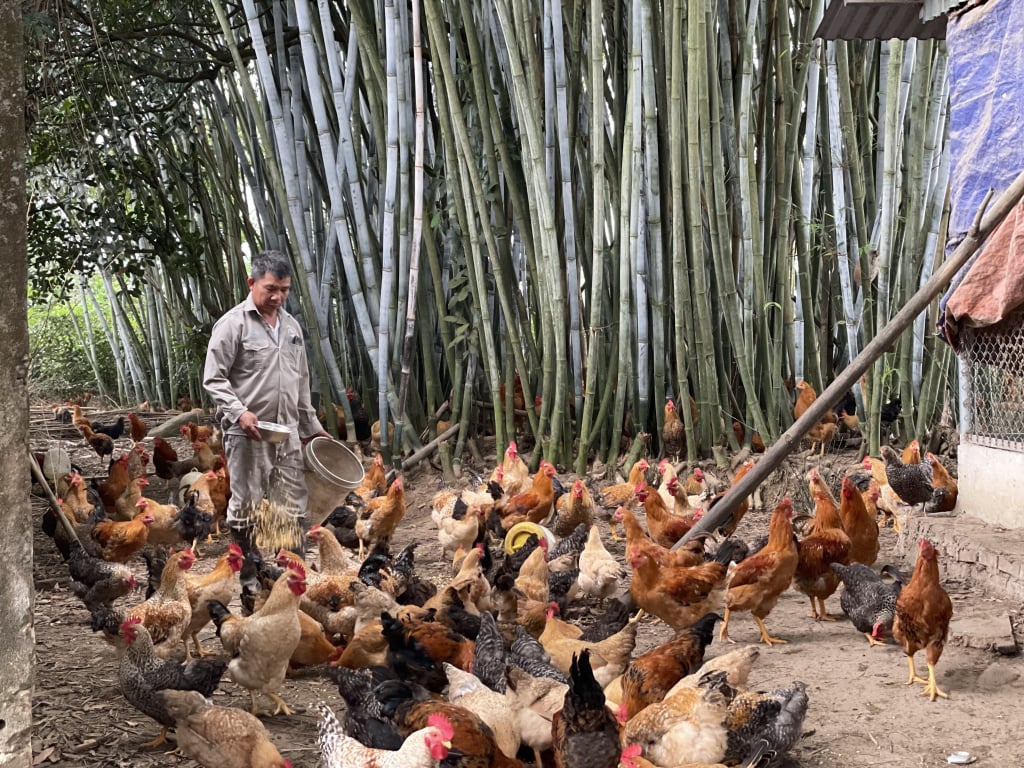
In Cong To village (Tien Lang commune, Tien Yen district), Ms. Ly Thi Van's family is one of the leading households in developing household economics. Instead of maintaining 2 hectares of forest and 6,000 square meters of rice and other crops, for many years her family has also implemented a model of raising Tien Yen commercial chickens, selling an average of about 2,000 commercial chickens to the market each year. The total income from this farming and livestock model reaches about 300 million VND/year. Ms. Van shared: "When I started implementing the chicken farming model, I received support from the local authorities in terms of preferential loans and received systematic training from agricultural officials on livestock farming. From the chicken farming model, my family has additional income to take care of our children's education and have savings. I plan to expand the scale of the chicken flock to a farm in 2025, increasing sustainable income."
Ms. Van's determination also reflects the will of the farmers in Tien Yen district to strive for a prosperous and fulfilling life. As a result, by the end of 2024, the average income in the rural areas of the district reached 97.32 million VND/person/year; the average for the entire district reached 99.87 million VND/person/year.


The ultimate goal of the New Rural Development program is to continuously improve the material and spiritual lives of people in rural areas. Therefore, throughout the 14-year journey of building new rural areas, advanced new rural areas, and model new rural areas, Quang Ninh has always focused on implementing targets related to the organization of production and the development of the rural economy. This has contributed to guiding and supporting people in developing appropriate, sustainable production models and increasing value, realizing the goal of achieving an average income of over 5,000 USD for rural people by 2025 and 8,000-10,000 USD by 2030.
The ultimate goal is the happiness of the people.
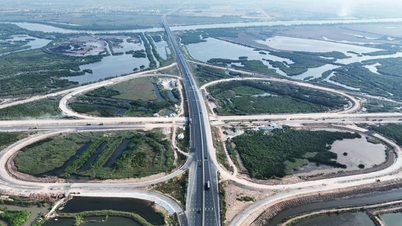
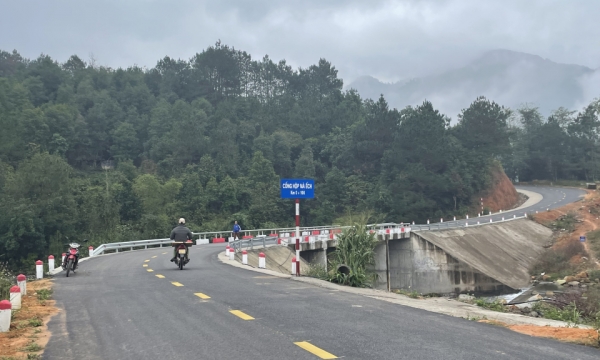
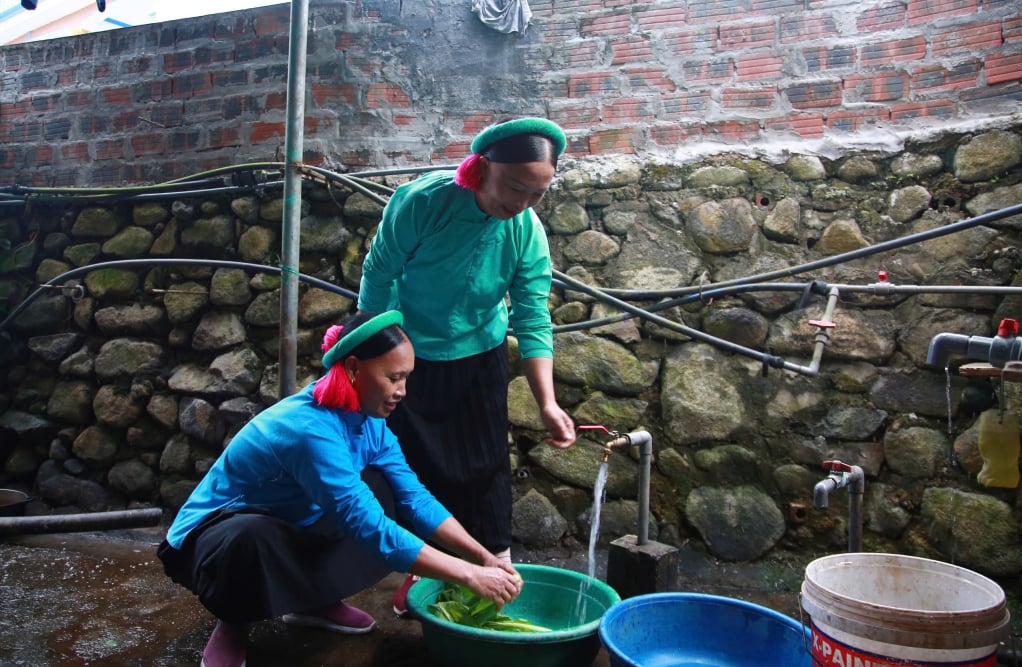
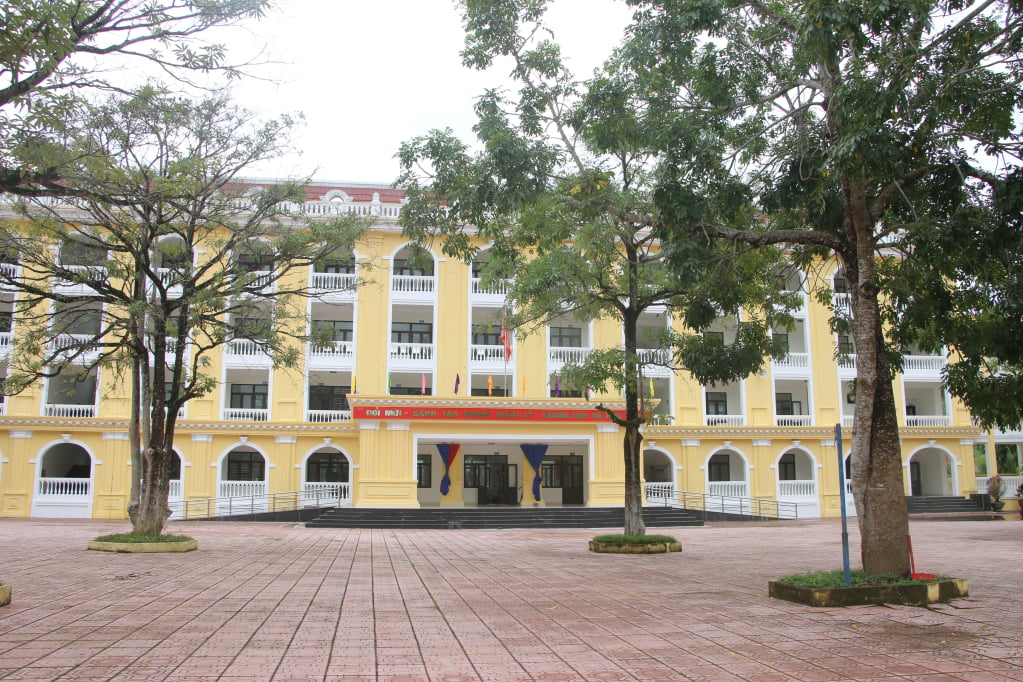
Investing in the construction of socio-economic infrastructure in ethnic minority areas, mountainous regions, border areas, and islands, especially transportation infrastructure to create interconnected and comprehensive links between regions, opening up new development opportunities for localities and effectively serving the lives of the people, is a top priority identified by the province in the New Rural Development program. To date, 100% of communes in the province have paved roads leading to the commune center; 100% of communes maintain national standards for commune health; 100% of households in ethnic minority areas, mountainous regions, and islands have access to safe and high-quality electricity; the school and hospital systems have been newly built to high-quality standards; and the cultural institutions have been invested in comprehensively and modernly, bearing the imprint of traditional culture, constantly meeting the cultural needs of the people.

Realizing the motto "Every citizen of Quang Ninh enjoys the fruits of development, inclusive growth, and no one is left behind," by effectively integrating central government budget funds, national target program funds of the province and localities, the district of Ba Che has, for example, focused on investing in and building socio-economic infrastructure, concentrating investment on key areas.
Specifically, Ba Chẽ has completed the transportation system connecting the district to local areas, such as: Routes 330, 342, 330B, 329, and the road from the town to Minh Cầm commune, running parallel to Provincial Road 330. Transportation connecting the district center to communes and villages has been 100% concreted; flood bypass roads around the town center and Provincial Road 329 have been renovated and upgraded; flood-prone areas along Road 330 have been improved; and water reservoirs have been constructed to provide clean water and irrigation for the people…
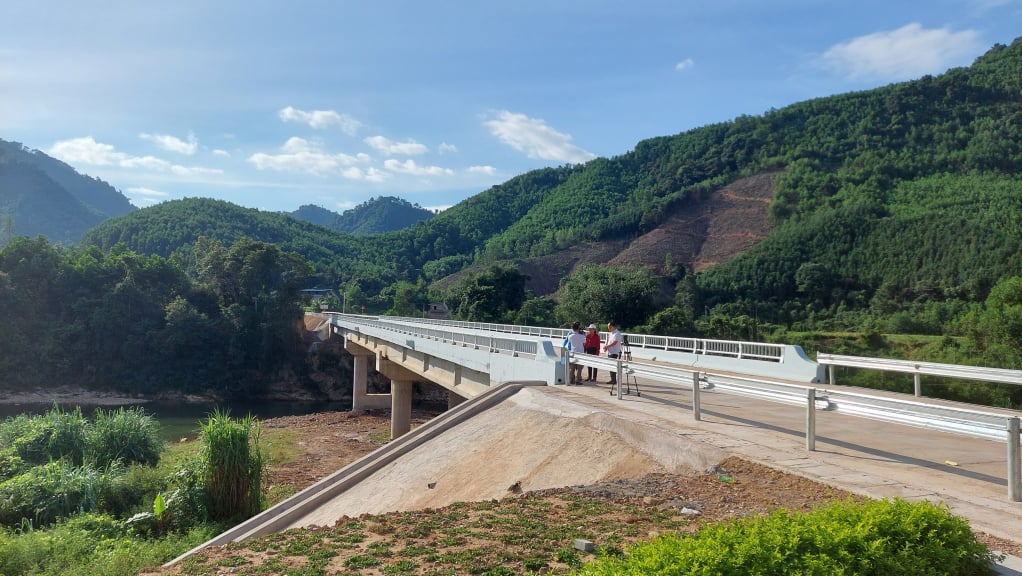
Mr. Hoang Van Duc (Zone 3, Ba Che town, Ba Che district) shared: "In September 2024, the people of the district were extremely excited because the project connecting Provincial Road 330 with the center of Ba Che town, combined with the embankment to prevent landslides along the main road and residential area of the town, was completed and put into use. The project not only meets the increasing demand for smooth traffic flow but also contributes to creating a modern and attractive appearance for the locality, encouraging people to continue working together to build a prosperous and beautiful homeland."
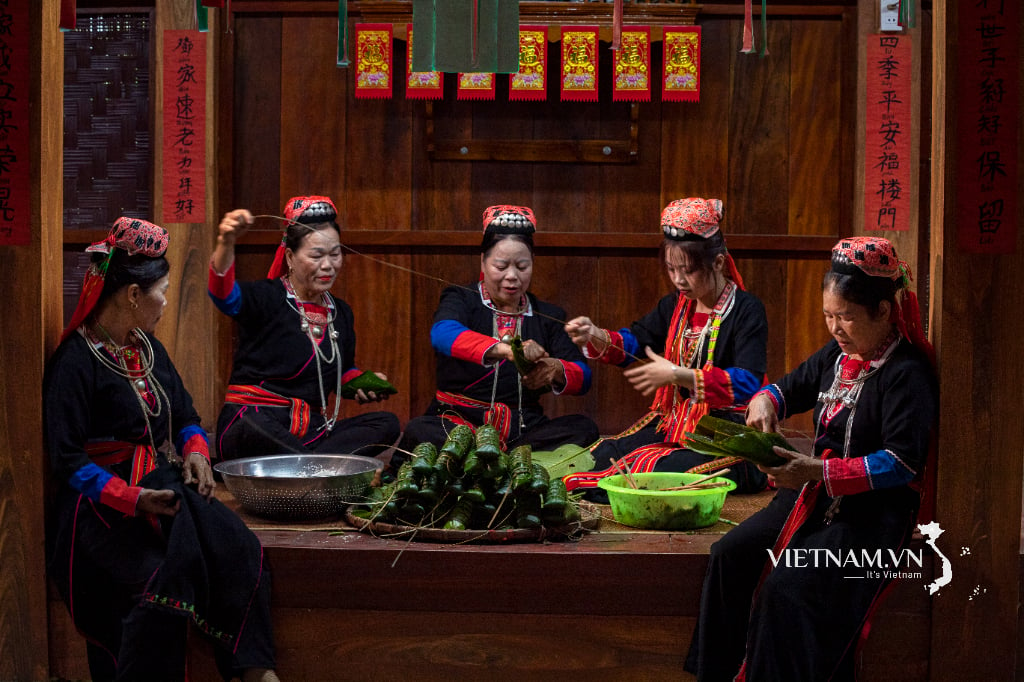
Economic prosperity plays a significant role in enriching the cultural and spiritual lives of the people. In mountainous and ethnic minority areas such as Ba Chẽ, Bình Liêu, and Tiên Yên, during festivals and traditional celebrations, the people are lively and joyful, singing and celebrating. Cultural, sports, and traditional folk art clubs are thriving throughout the villages, attracting people to participate in health training, social interaction, and improving their spiritual lives. This encourages people to play an active role in preserving, maintaining, and promoting traditional cultural values associated with community tourism development, contributing to improving the quality of life. Many intangible cultural values such as: the coming-of-age ceremony, the Wind-Avoiding custom of the Dao people, the folk performance art of Soóng cọ singing of the Sán Chỉ people; the folk performance art of Soọng cô singing of the Sán Dìu people; The practice of Then, the harvest festival of the Tay people in localities such as Binh Lieu, Ba Che, and Tien Yen, has been recognized as a national intangible cultural heritage.
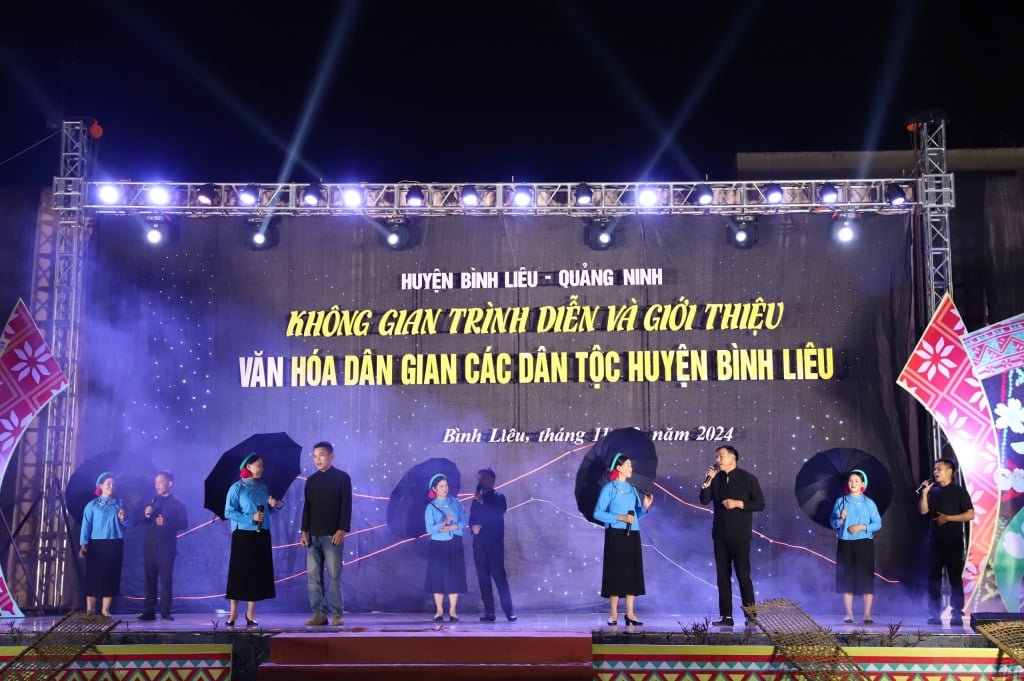
Mr. Duong Phuc Thim, Party Secretary and Head of Khe Tien village (Dong Van commune, Binh Lieu district), shared: Dong Van recently held a ceremony to launch the Dao Thanh Phan Ethnic Culture Preservation and Development Clubs in three villages: Khe Moi, Khe Tien, and Song Mooc. This is the first model of an ethnic minority culture preservation and development club in the district, aiming to eliminate outdated customs, preserve and promote the good traditional values of the Dao Thanh Phan ethnic group, in conjunction with building cultural families, cultural villages, and the New Rural Development movement. Participating households have the opportunity to learn and share experiences in preserving traditional culture associated with community tourism development.

Stepping confidently on a new journey.
With the view that building new rural areas is a long-term, continuous process with a starting point but no end point, Quang Ninh is continuing this journey with synchronized goals and solutions. In particular, implementing Resolution No. 06-NQ/TU (dated May 17, 2021) of the Provincial Party Committee "On sustainable socio-economic development associated with ensuring strong national defense and security in communes, villages, and hamlets in ethnic minority, mountainous, border, and island areas in the period 2021-2025, with orientation to 2030," along with other national target programs, the province has allocated over 118,100 billion VND to invest in this area. In the period 2019-2024, the province implemented 842 essential infrastructure projects in ethnic minority and mountainous areas, creating a significant impetus for socio-economic development and improving the quality of life for the people. This is a crucial driving force that helps mountainous and ethnic minority areas continue to develop.
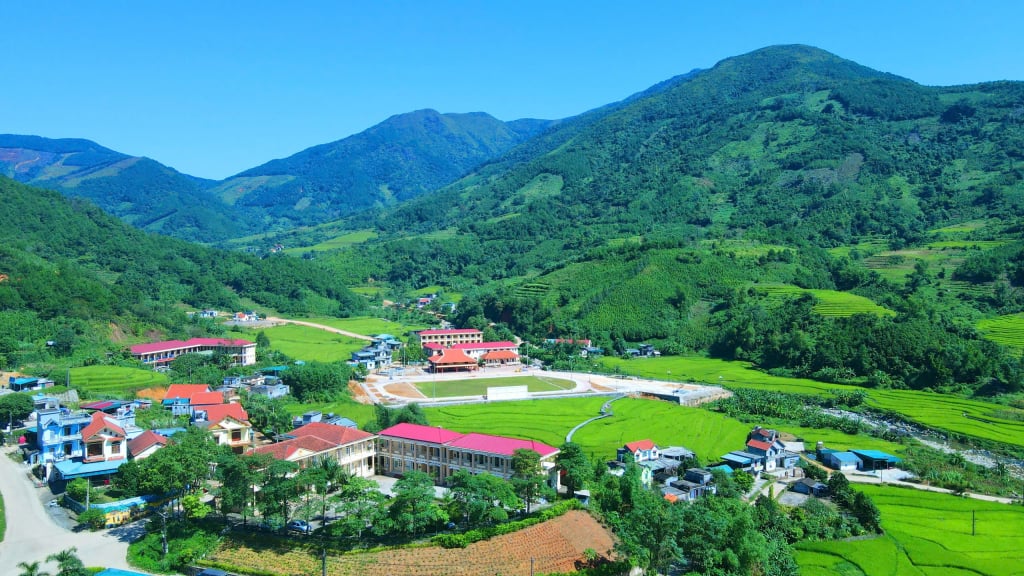
As a shining example of new rural development in the province and the country, Tien Yen is continuing its steady progress on the journey to building a model new rural district. Comrade Hoang Van Sinh, Deputy Secretary of the District Party Committee and Chairman of the Tien Yen District People's Committee, affirmed: Tien Yen identifies the new rural development program as a key and ongoing task for the Party committee, government, and people; it has no end point, does not chase after achievements, does not rely on higher levels of government, and consistently implements the motto "The people do the work, the State provides support." Based on the guidance and direction from the Central Government and the province, the District Steering Committee for New Rural Development has developed a plan and issued directives to communes, towns, and functional departments of the district to build specific roadmaps and solutions to maintain and improve the quality of each criterion for advanced and model new rural development.


Accordingly, in 2025, Tien Yen will finalize the proposal for the Provincial People's Committee to consider and recognize Dai Duc and Ha Lau communes as achieving advanced new rural standards; 100% of villages will be recognized as achieving new rural village standards; and submit to the Provincial People's Committee for approval the Plan for building a model new rural district for the period 2026-2030. Communes that have achieved model new rural standards will continue to develop plans to maintain and improve the quality of criteria, building model communes with distinctive characteristics suitable to the strengths of the locality, such as: Dong Rui and Dong Hai as outstanding models in environmental protection; Hai Lang as outstanding models in production development; Yen Than as a model in security and order; Dong Ngu as a model in education; and Tien Lang as a model in culture.
In keeping with that momentum, by the end of 2024, Binh Lieu had achieved 8 out of 9 criteria and 36 out of 38 indicators according to the set of criteria for districts achieving advanced new rural area standards. This is a positive and solid result to strive for by the end of 2025 for Binh Lieu to achieve advanced new rural area standards as set out in the Resolution of the District Party Congress for the 2020-2025 term. The district will no longer have poor or near-poor households according to the multidimensional poverty standard for the 2023-2025 period of the province; average per capita income will increase at least 2 times compared to 2020, reaching 100 million VND/person by 2025.
By 2025, Ba Chẽ district aims for Lương Minh commune to achieve the model new rural area standard, and Đạp Thanh commune to achieve the advanced new rural area standard, bringing the total to 4 out of 6 communes meeting the advanced new rural area standard; and for an additional 12 villages to achieve the new rural village standard, raising the total to 52 out of 58 villages meeting the new rural area standard. The district will continue to maintain the quality of 4 out of 9 criteria already achieved, and strive to achieve the remaining 5 criteria according to the set of criteria for districts to achieve the advanced new rural area standard.
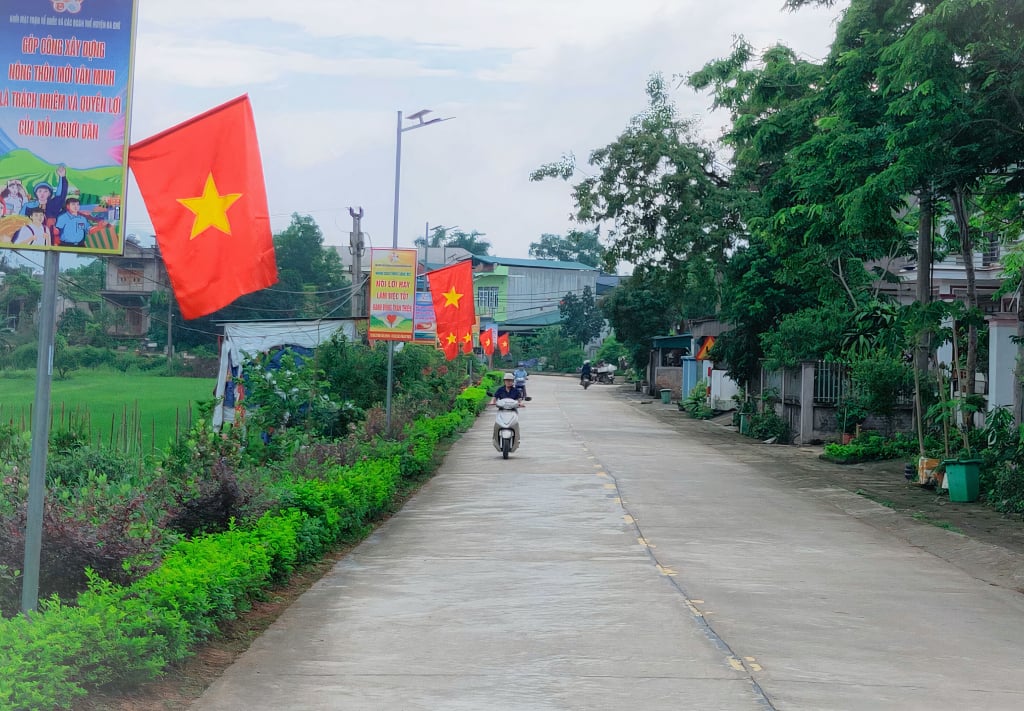
The flourishing of each beautiful, prosperous, civilized, and culturally rich rural area is a testament to the spirit of unity, self-reliance, and self-improvement of all citizens on the journey to building a new, civilized, and modern way of life. People joyfully welcome the new year in prosperity and abundance, boosting motivation, extending confidence, and continuing to contribute to Quang Ninh's breakthrough in economic growth, keeping pace with the country's development in this era of strong progress.
Source




![[Image] National conference summarizing one year of operation of the overall organizational model of the political system, the three-tiered government model.](https://vphoto.vietnam.vn/thumb/1200x675/vietnam/resource/IMAGE/2026/07/01/1782882811691_ndo_br_1-jpg.webp)