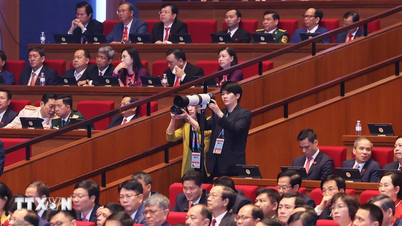
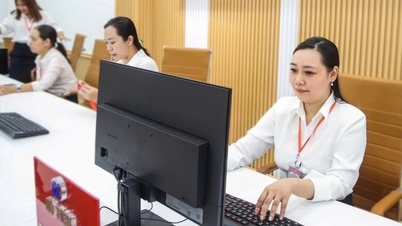
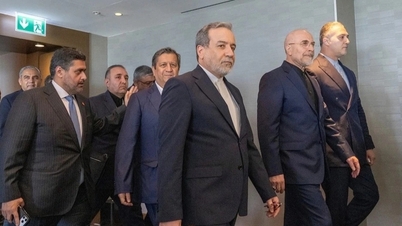
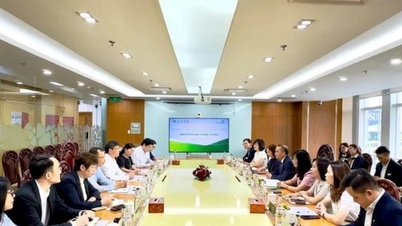
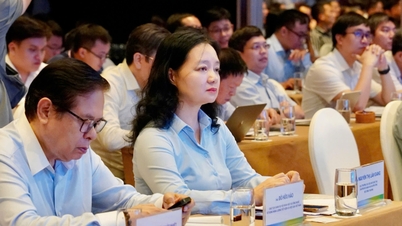
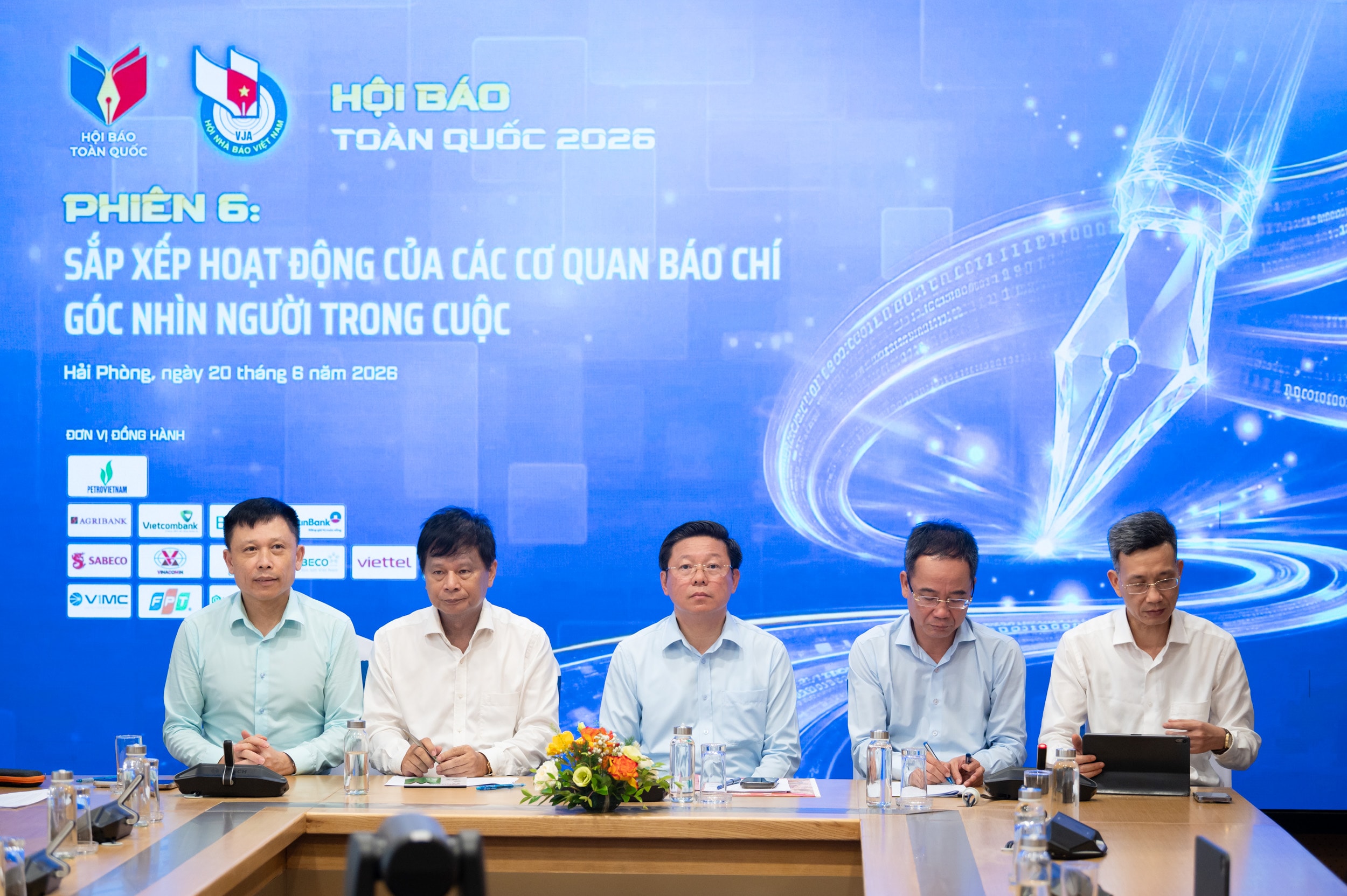
The discussion session "Organizing the operations of press agencies - an insider's perspective" within the framework of the National Press Forum 2026 on the afternoon of June 20 attracted considerable attention from the public and the press community.
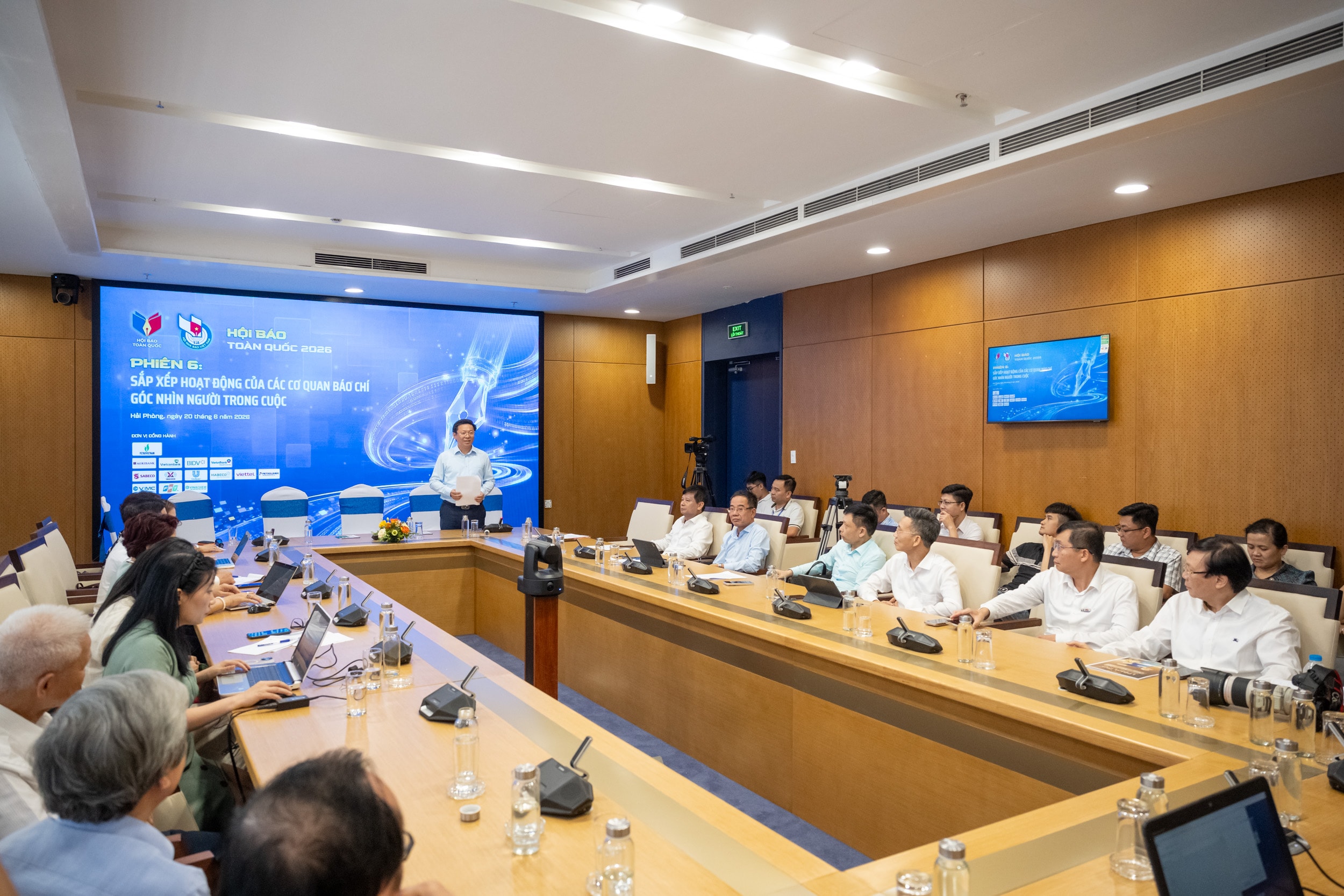
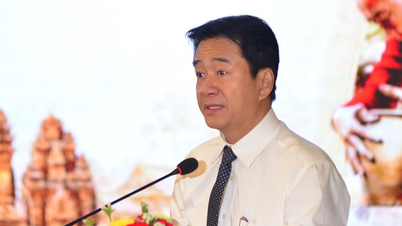
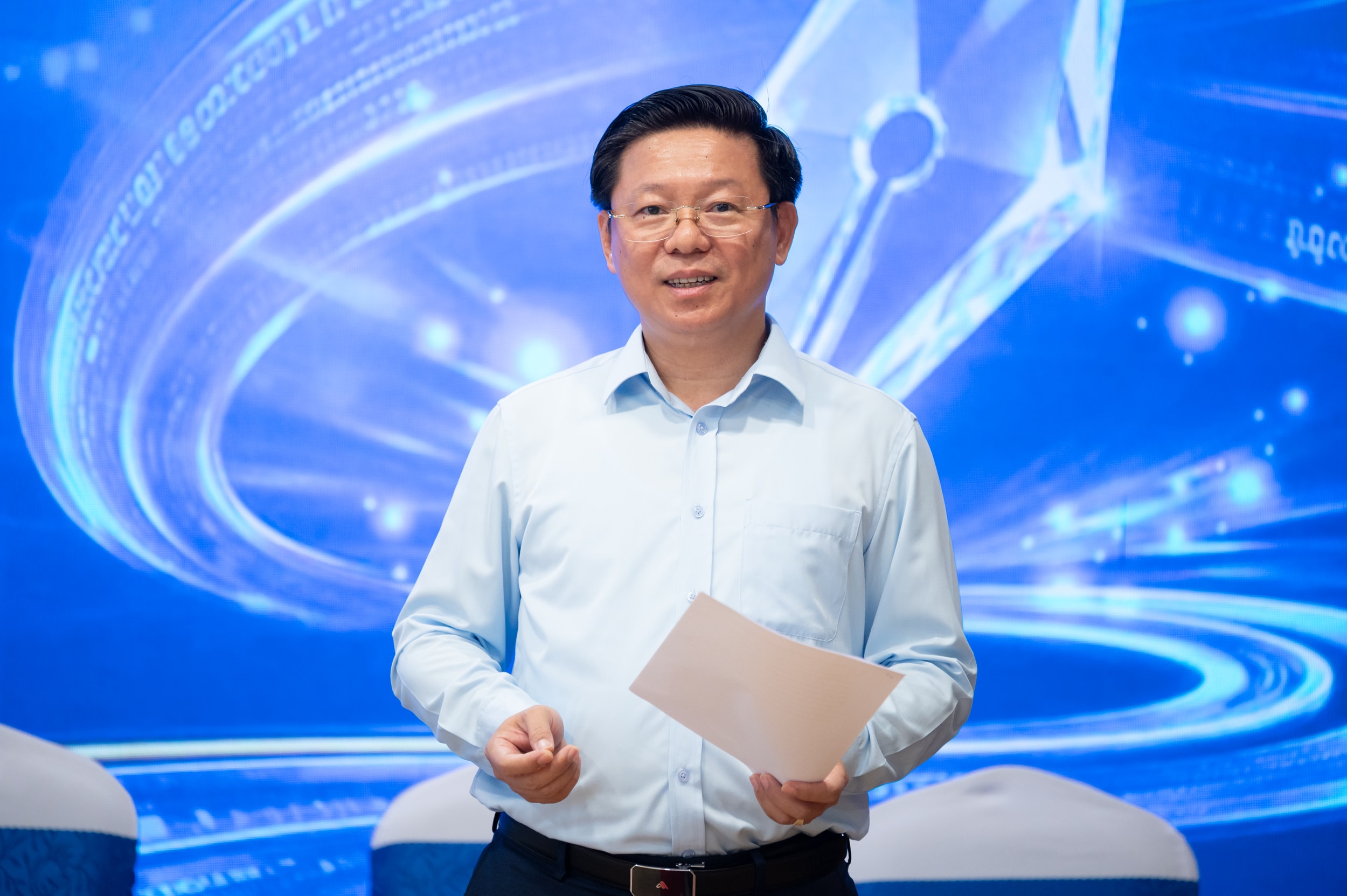
In his opening remarks at the discussion session, Deputy Head of the Central Propaganda and Mass Mobilization Department Tran Thanh Lam affirmed that the Party's viewpoint on the press has always been consistent and unwavering. That is: the Party exercises absolute and comprehensive leadership over press work; revolutionary journalism is the voice of the Party and the State, and at the same time, a forum for the people.
In the current context, that orientation continues to be concretized through many new policies aimed at building a humane and modern press, publishing, and media industry.
In fact, the process of media planning over the past period has contributed to overcoming the overlapping, scattered, and dispersed nature of resources and improving the effectiveness of state management of media activities.
According to Mr. Tran Thanh Lam, the goal of streamlining is not only to reorganize the structure but also to build a team of journalists with strong political convictions, solid professional expertise, impeccable professional ethics, and mastery of new technologies.



From a state management perspective, Deputy Director of the Press Department Nguyen Van Hieu stated that the process of planning and reorganizing the press system has been underway since 2016-2017 and will continue in subsequent years. Although the number of media outlets has decreased, the basic journalistic products have been maintained. This demonstrates that the reorganization has not diminished the ability to serve the public, but rather aims to improve the quality of operations of media organizations.
During the discussion, many delegates noted that proactively reducing the number of investment units does not narrow the development space, but is a necessary step to overcome the situation of scattered investment and optimize resources to adapt to the multi-platform trend.
However, the process of restructuring and reorganizing the press apparatus also poses many challenges for media organizations.
Previously, these agencies had many independent departments and divisions operating according to different types of journalism. After restructuring, the entire organization was streamlined, requiring departments to collaborate in content production instead of focusing solely on one type of media.
In addition, challenges also lie in the operational skills of reporters and in the process of organizing content production from input to output. Associate Professor Dr. Nguyen Thanh Loi, Deputy Director of the Hanoi Press and Broadcasting Agency, said that the transition from the print media environment to radio, television, and multimedia production requires journalists to quickly adapt to new working methods.
In addition, after the merger, the production and operational processes also had to be redesigned. The merger process also created significant changes in organizational culture as the work environment, management methods, and organizational structure all changed...
Delegates argued that reorganizing operations in a scientific and transparent manner is the core foundation for building a revolutionary, professional, humane, and modern press, and for enhancing competitiveness in the digital age.



Therefore, the urgent requirement now is to continue training, developing, and improving the quality of human resources. In the multi-platform, multi-media journalistic environment, reporters and editors need to be equipped with many new skills to adapt to the development of the profession.
In the long term, it is also necessary to build leading multimedia news agencies, gradually forming large-scale media conglomerates with competitive capabilities and significant influence in the digital media environment...
Source: https://daibieunhandan.vn/sap-xep-tinh-gon-de-bao-chi-manh-hon-10421081.html
![[Photo] General Secretary and President To Lam works with the Party Committee of the Government on the work of preventing and combating storms, floods, extreme natural disasters and climate change.](https://vphoto.vietnam.vn/thumb/1200x675/vietnam/resource/IMAGE/2026/06/29/1782729441945_a1-bnd-0385-9454-jpg.webp)

![[Image] A look back at the capital's preparations for the century-long master plan.](https://vphoto.vietnam.vn/thumb/1200x675/vietnam/resource/IMAGE/2026/06/29/1782750453122_quy-hoach-100-nam-minh-duy-1-2118-jpg.webp)