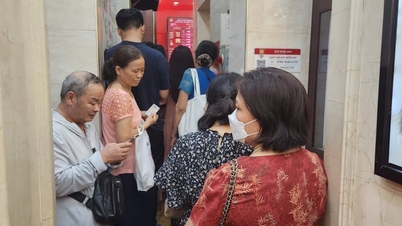

Currently, there are 140 religious establishments in the province. Of these, 106 are historical and cultural relics and scenic spots that have been included in the provincial People's Committee's inventory of historical relics. Most of these places have donation boxes; large temples and pagodas also have staff to receive donations from the public. People visit these relics and places of worship to offer prayers, admire the scenery, and make donations with the belief that they will receive positive energy and cast off bad luck.
Rectify existing shortcomings and enhance management effectiveness.
Over the years, resources mobilized from donations and sponsorships have been effectively used for the restoration and preservation of historical sites, the organization of festivals, and social welfare activities. In fact, the management and strict enforcement of regulations regarding the collection and expenditure of donations and sponsorships have been actively implemented by all levels and sectors. Since the beginning of 2024, the Department of Culture , Sports and Tourism (CST) has advised the Provincial People's Committee to issue Decision No. 04 dated January 15, 2024, on the management and collection and expenditure of donations and sponsorships for historical sites and festival activities in Lang Son province; and has continuously issued guiding documents and urged implementation at each level.
According to this regulation, donations and sponsorships must be managed and used for their intended purpose, openly, transparently, effectively, and in accordance with current laws and local customs and conventions. Lang Son province strictly prohibits any act of exploiting the receipt, management, and use of these funds for personal gain, misuse, or any other illegal activities.
However, frankly speaking, enforcement in some areas is still not serious enough. The case of several individuals on duty at Ky Cung Temple (Dong Kinh Ward) abusing their assigned duties for personal gain and misappropriating donations, and the case of seven employees at Tam Thanh scenic area (Tam Thanh Ward) misappropriating ticket sales revenue, which were recently investigated and handled by authorities, serve as a profound lesson.
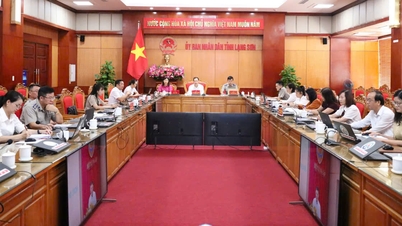
In addition, management at some facilities still reveals shortcomings: reporting and accounting are incomplete; data does not accurately reflect reality, posing a potential risk of losses. In light of this situation, the Chairman of the Provincial People's Committee issued Directive No. 13/CT-UBND to strengthen the effectiveness and efficiency of state management of these resources.


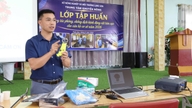

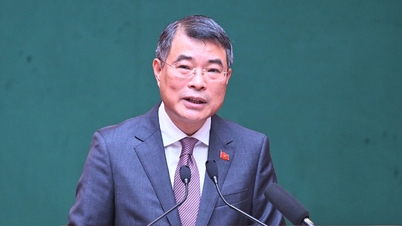
As the agency primarily responsible for advising on and organizing the implementation of Directive No. 13, the Department of Culture, Sports and Tourism of the province has quickly deployed practical solutions. Mr. Luu Ba Mac, Deputy Director of the Department of Culture, Sports and Tourism of the province, affirmed: “In the coming time, the Department of Culture, Sports and Tourism will take the lead and coordinate with relevant departments and agencies and the People's Committees of communes and wards to synchronously implement key tasks. In particular, we will focus on promoting the regulations of ministries, sectors, and the province on protecting and promoting the value of cultural heritage, as well as the management and use of donations, sponsorships, and tourism revenue.”
At the same time, the sector will strengthen guidance and supervision of organizations and individuals managing relics and religious establishments to ensure compliance with legal regulations. Regular and unscheduled inspections will be intensified, especially for establishments with large revenue streams. In the long term, we will study the development of a synchronized province-wide database system to manage this resource scientifically , restoring its original purpose of serving the people and promoting the value of heritage.”
Transparency of revenue sources at the facility.
In order to strictly implement Directive No. 13 and create substantive changes in financial management at religious establishments, localities throughout the province have actively participated.
From the perspective of local administration, where serious financial mismanagement recently occurred at the Ky Cung Temple historical site and is being investigated and handled by authorities, tightening discipline is now a top priority. Ms. Pham Thi Thuan, Head of the Culture and Social Affairs Department of Dong Kinh Ward, said: “Currently, there are 9 historical and cultural relics in the ward's inventory. The violations related to the misappropriation and loss of donations at Ky Cung Temple in the area over the past period are a profound lesson, requiring state management at the grassroots level to be more serious and strict than ever. In order to thoroughly rectify the situation and prevent the exploitation of spiritual resources, we are focusing on reviewing and guiding the collection and expenditure at relics with revenue sources. We require the permanent staff of the relics to strictly implement regulations on revenue and expenditure, coordinate well with professional staff at the Ward People's Committee in opening accounting books, recording, publicly and transparently disclosing all revenue sources, receiving donations, support, and contributions... and depositing them into the deposit account according to regulations. Systematic management of the money flow, with strict supervision from the government and the people, is the core solution to maintain the trust of visitors from all over and protect the relics.” "Upholding law and order in sacred places."
As an area possessing many historical and cultural relics and major festivals, Ky Lua ward has proactively reviewed and tightened its monitoring process. Ms. Hoang Thuy Ninh, Head of the Culture and Social Affairs Department of Ky Lua ward, said: Immediately after implementing the two-tiered local government model, Ky Lua ward proactively managed the finances of the relics. For the three relics that generate revenue in the area, namely Ta Phu Temple, Moi Communal House, and Bac Nga Pagoda, we have required the management boards of the relics and religious establishments to commit to strictly implementing the process of receiving and using donations. All revenue and expenditure are recorded in accounting books and publicly deposited accounts at the State Treasury and the Vietnam Investment and Development Bank (BIDV). Thanks to this foundation of strict and transparent management from the beginning, as soon as the Chairman of the Provincial People's Committee issued Directive No. 13, the locality was very well able to further tighten the process. Currently, the counting of ballot boxes and donation boxes at historical sites must be strictly supervised and documented by assigned members, absolutely preventing any ambiguity or loss of resources for heritage restoration.”

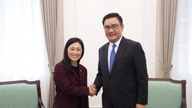


From the perspective of direct management at the site where daily collection and disbursement of donations take place, establishing a structured system for socialized funding is crucial to maintaining public trust. A prime example is the rigorous financial management implemented at the Tien Pagoda - Tien Well historical site. Ms. Hoang Thi Kim Anh, Head of the Standing Committee for the Management of the Tien Pagoda - Tien Well Historical and Scenic Site, stated: “Currently, the Standing Committee for the Management of the historical site consists of 7 members, representing the residential blocks in the area, who are assigned to work 24/7 shifts to ensure security and order and guide tourists. Strictly adhering to the guidelines from higher authorities regarding the management of donations and sponsorships, the process of managing the flow of money at the site is carried out in a closed and absolutely objective manner. Specifically, all keys to the donation boxes are managed and kept by the Ward People's Committee. When opening the boxes for counting, the supervisory board must have all members present, including representatives from the finance and planning department, the culture and social affairs department, the Fatherland Front Committee, and the leaders of the Ward People's Committee. All counted money is publicly recorded in a report and clearly documented in the accounting books. A portion of this revenue is retained by the management board to support the preparation and organization of festivals, while the remainder is strictly managed.” "Currently, we are in the process of opening bank accounts to implement digitalization, ensuring that donations and sponsorships flow transparently and in accordance with regulations, creating peace of mind and trust for the people and tourists."
It is clear that tightening management and ensuring transparency in the use of donations and sponsorships, as stipulated in Directive No. 13, is a crucial political task aimed at preserving the unique cultural and spiritual heritage of Lang Son. With the decisive involvement of all sectors from the provincial to the grassroots level, the consensus of the people, and the strong application of technological solutions and digital transformation in the coming period, the value of donations will be maximized, becoming a driving force for sustainable tourism development and making a positive contribution to the overall socio-economic development of the province.
Source: https://baolangson.vn/that-chat-quan-ly-nguon-thu-tai-cac-di-tich-5095843.html