Estimates suggest that the dropout rate at teacher training universities has reached a record high.
According to the latest data from the Korea Institute for Educational Development , in 2024, 4.2% of students dropped out of teacher training programs, equivalent to one in 25 students quitting. This marks the second consecutive year that this rate has peaked, reflecting a serious decline in the attractiveness of the teaching profession among young people.
Just a few years ago, teacher training universities were among the most competitive fields for admission. However, with changing social values and increasingly harsh working conditions, becoming a teacher is no longer considered a stable career path. From almost zero in 2018, the dropout rate has steadily increased over the years, reaching 4% for two consecutive years in 2023 and 2024.
Even prestigious educational institutions have been severely affected. In 2024, Seoul National University of Education recorded 103 dropouts, while Gyeongin National University of Education saw 105. These statistics reflect widespread discouragement among teacher education students, despite their expectation of becoming a core force in the national education system.
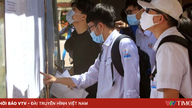
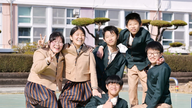
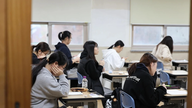
The reasons behind the dropout rate stem not only from academic pressure but also from the bleak state of the teaching profession today. Stress from parents, heavy workloads, and a lack of mechanisms to protect their rights have led many teachers to feel treated more like "service workers" than educators.
A survey of over 8,000 teachers revealed that nearly 60% are considering leaving the profession within a year. Of those, 77.5% cited parental complaints and abuse of authority as the reasons.
Besides psychological pressure, economic factors are also a significant cause. The average salary for teachers in South Korea is considerably lower than in large corporate sectors, while opportunities for advancement and increased income are limited. This leads many talented students to choose to switch to more promising fields such as technology, finance, or the green technology sector.
Furthermore, the number of new job openings is dwindling due to the persistently low birth rate. The teacher certification exam has become more competitive as the number of candidates far exceeds the quota. Many students, even those who meet the standards, are not assigned to schools, leading to a situation of "passing but being unemployed."
Against this backdrop, experts warn that without urgent measures to improve working conditions, strengthen legal protection, and restore respect for teachers, South Korea could face a severe shortage of teaching staff in the near future.
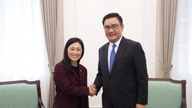


According to Jung Hye-young, spokesperson for the Seoul Teachers' Union, graduates from teacher training universities have virtually only one career option: teaching. When that path becomes uncertain, it's understandable that they would abandon their dream of becoming teachers.
Source: https://giaoducthoidai.vn/sinh-vien-su-pham-dong-loat-bo-hoc-post752754.html