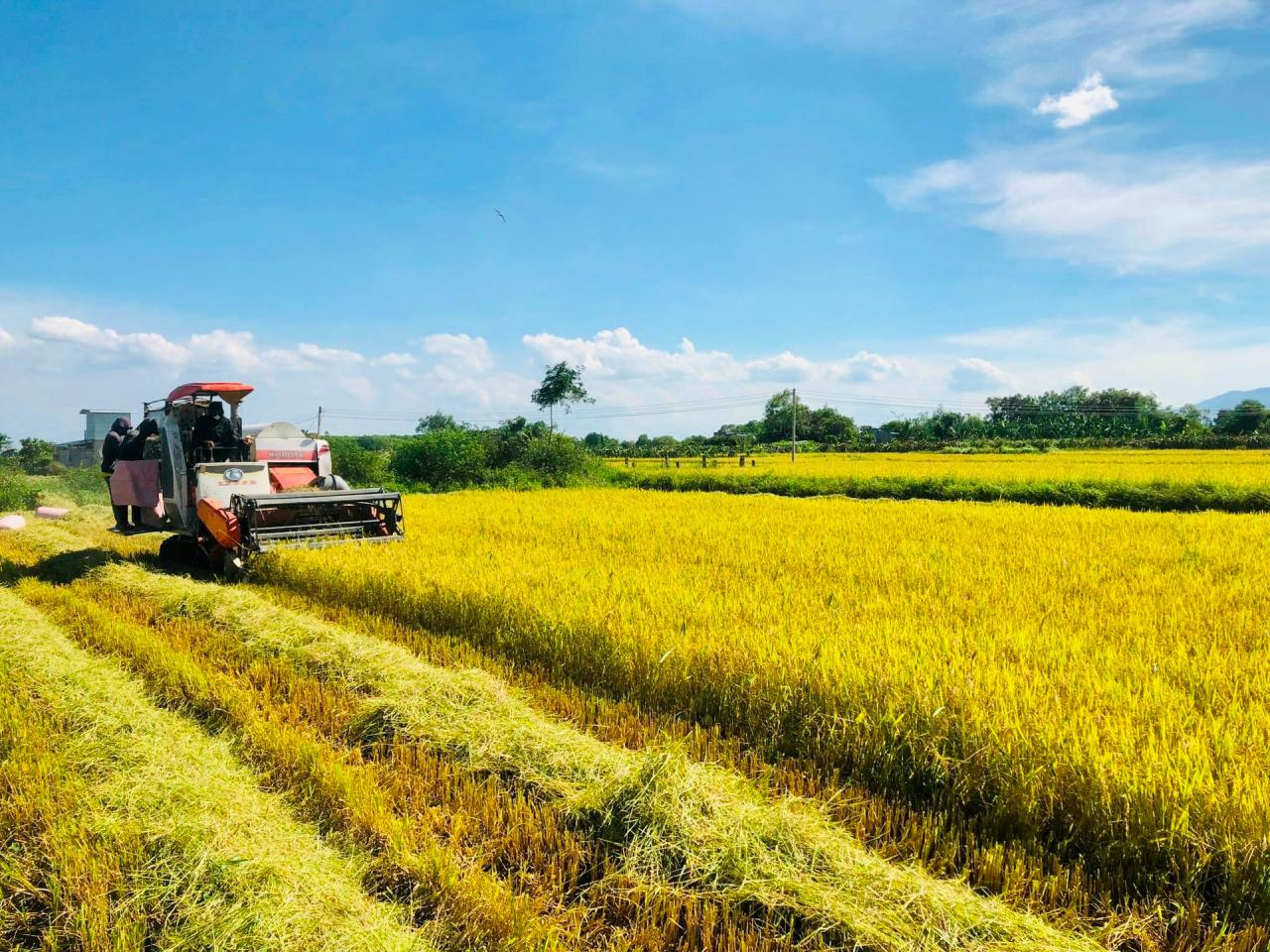
1. Currently, farmers in various localities throughout the province are entering the peak season for harvesting the main rice crop. They are delighted because the price of rice is high (over 9,000 VND/kg), the highest ever.
In particular, farmers in Tuy Phong district, when cultivating the Dai Thom 8 rice variety, achieved both high yields and slightly higher prices than other varieties, reaching 10,000 VND/kg at one point. Notably, while rice prices were high and the market demand was good, rice growers actually earned relatively little profit compared to growing some other crops and vegetables.
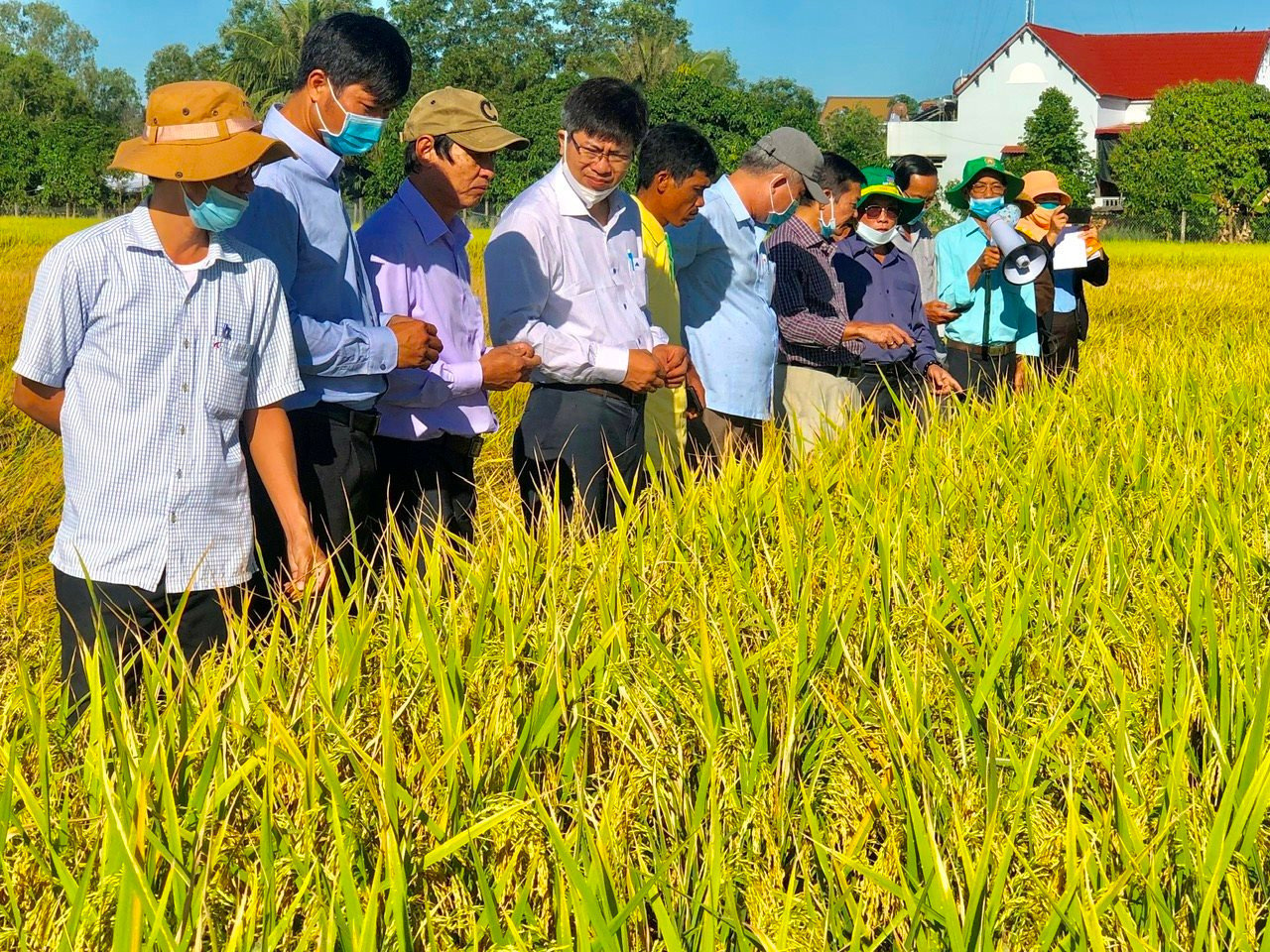
According to farmer Uc Sinh Quan in Phan Thanh commune, Bac Binh district, his family cultivates 5 sao (approximately 0.5 hectares) of rice during the main cropping season, with an estimated yield of about 2.5 tons. Rice grown during this season often suffers from mixed grains and stem borer infestations, reducing yield and quality. Meanwhile, input costs such as fertilizers and pesticides remain high, resulting in lower-than-expected profits.
![When forestry is a 'weakness' of Nghe An?: [Part 4] Insecurity about the quality of forestry seedlings](https://vphoto.vietnam.vn/thumb/192x108/vietnam/resource/IMAGE/2026/06/11/1781146011581_z7872576283866_4f81655f6692697e926bad7e3deaa923-125452_625-094638.jpeg)

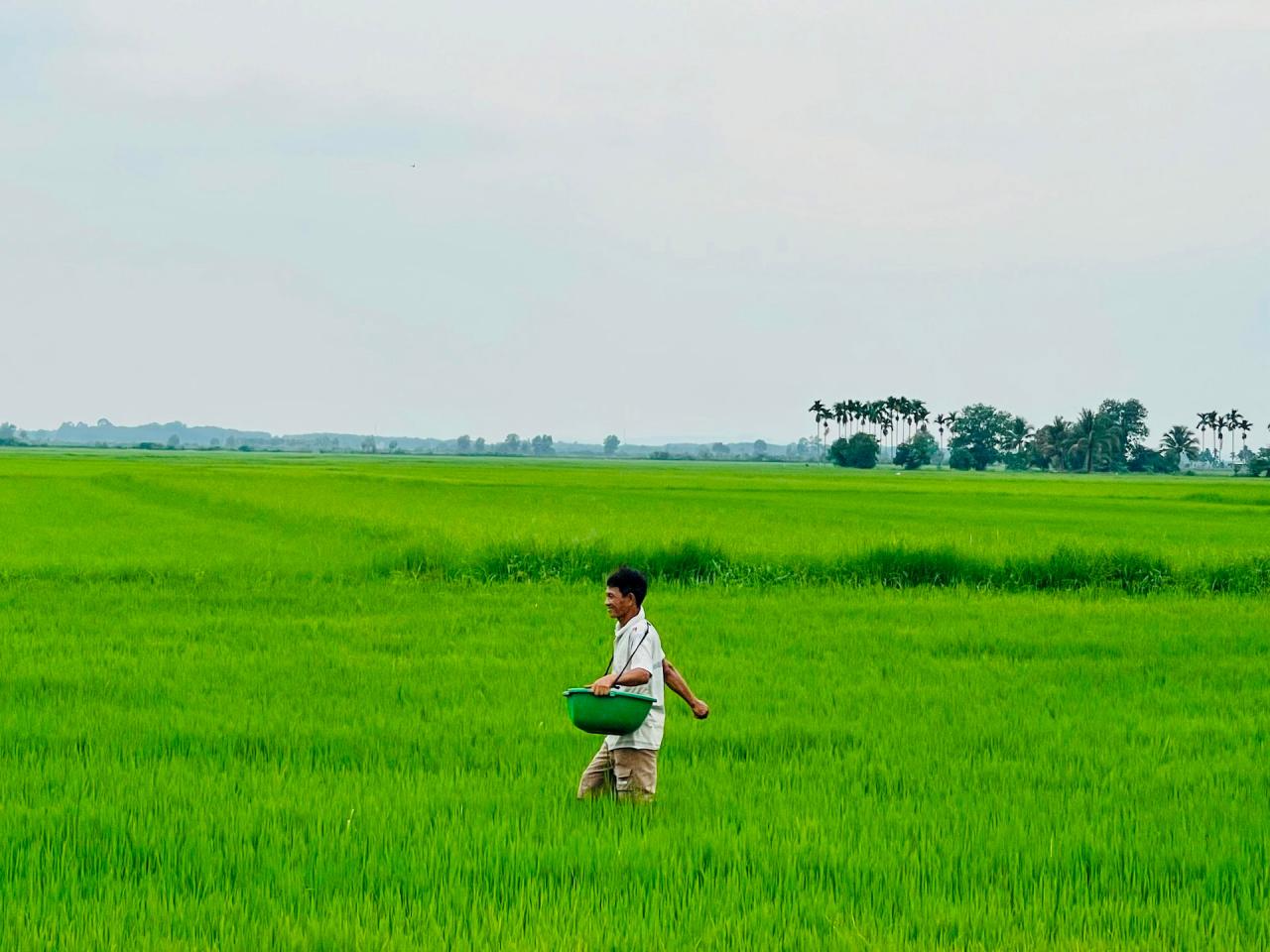
Clearly, with the increasingly complex weather and climate conditions today, achieving high rice yields with reasonable investment, minimal production costs, and maximum profit is a pressing issue for all farmers. At a recent workshop in Phan Thiet City discussing solutions for linking rice production to adapt to climate change, the Department of Agriculture and Rural Development of Binh Thuan province stated that over 75% of the province's population currently lives on agriculture. Rice is the province's main crop, with an actual rice production area of 53,580 hectares. Compared to other provinces in the Southeast and South Central regions, Binh Thuan province's rice yield is quite high, averaging 5.85 tons/ha. In particular, the winter-spring crop had the highest average yield, reaching 6.68 tons/ha, with Tanh Linh district standing out with the highest average rice yield at 6.32 tons/ha, Bac Binh at 6.10 tons/ha, Ham Thuan Bac at 5.84 tons/ha…
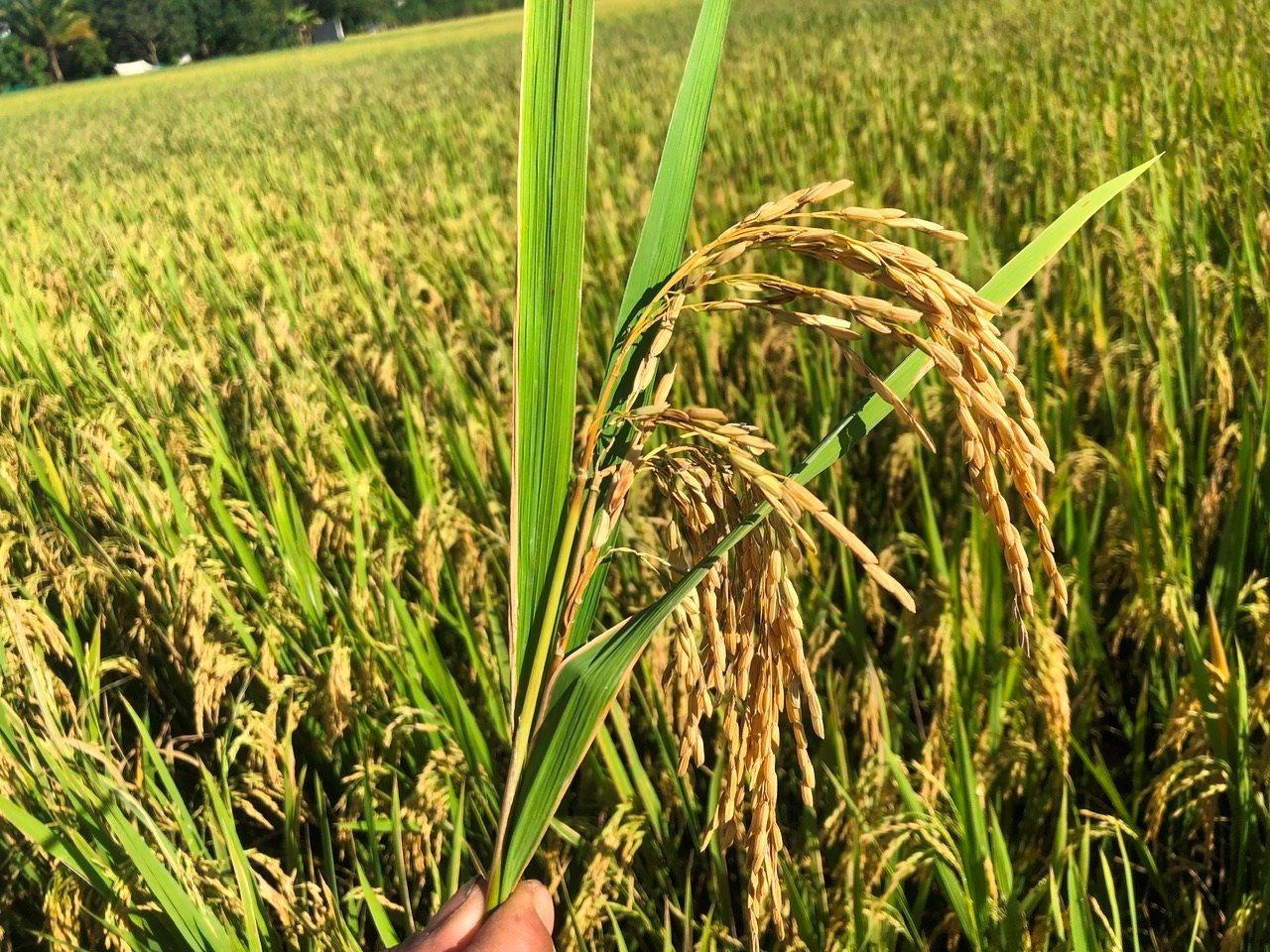
2. Also at the aforementioned workshop, the Center for Tropical Agricultural Research and Consulting (Ho Chi Minh City) stated that while many documents, training courses, and workshops have been provided to farmers on rice cultivation techniques, many farmers still lack a firm grasp of the scientific basis of these techniques. Consequently, the cost of rice production in Vietnam remains higher than in some other rice-growing countries due to high production costs, affecting both the profitability of rice producers and the ecological and social environment. This is especially true in the period from 2021 onwards, when Vietnam will face severe impacts from climate change such as drought, salinity, erosion, and landslides. Accordingly, scientists have proposed several general principles of smart rice farming processes, such as using appropriate rice seeds and sowing methods (reducing seed usage), rational fertilization, water-saving irrigation, integrated pest management, reducing post-harvest losses, and reducing greenhouse gas emissions to protect the environment.
From the perspective of the provincial agricultural sector, according to the Agricultural Seed Center, based on production realities and the desire for high efficiency, farmers need short-duration rice varieties that are less susceptible to pests and diseases, less prone to lodging, and yield high productivity, as well as being adaptable to the local weather and soil conditions and accepted by the market. This means that rice seeds must possess dominant "genes." This is a major challenge for those involved in rice breeding research. The process of selecting and creating new rice varieties is a long journey requiring perseverance, patience, and effort. Therefore, the breeding and selection of new rice varieties needs to be timely to gradually replace disease-prone, low-yielding varieties with high-yielding, stable varieties that are favored by farmers and the market. Currently, the Binh Thuan Agricultural Seed Center has bred and selected over 50 rice varieties for production. In particular, some rice varieties developed by the Provincial Agricultural Seed Center are popular in the market, such as TH6 and ML48.


Notably, in implementing Resolution 05 dated September 10, 2021, of the Provincial Party Committee (14th term) on developing a modern, sustainable, and high-value-added agricultural sector, the Provincial People's Committee has just issued a plan for developing high-quality commercial rice production areas in the province until 2025. One of the key objectives clearly states the need for the synchronized application of advanced intensive rice cultivation techniques, changing farmers' perceptions and production techniques, and shifting from old production methods to new ones that apply science and technology to adapt to climate change… The goal is to stabilize the area of high-quality commercial rice production at 17,745 hectares by 2025, with a yield exceeding 60 quintals/hectare…
To achieve these results, rice farmers, the agricultural sector, and local authorities need to focus on techniques, innovate production organization methods, improve land use, and expand consumer markets… This is also the "smart" way of growing rice that scientists have mentioned.
Source