Strengthening the role of communities as key stakeholders in forest management.
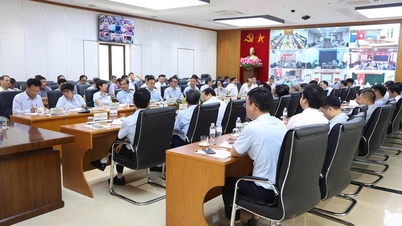
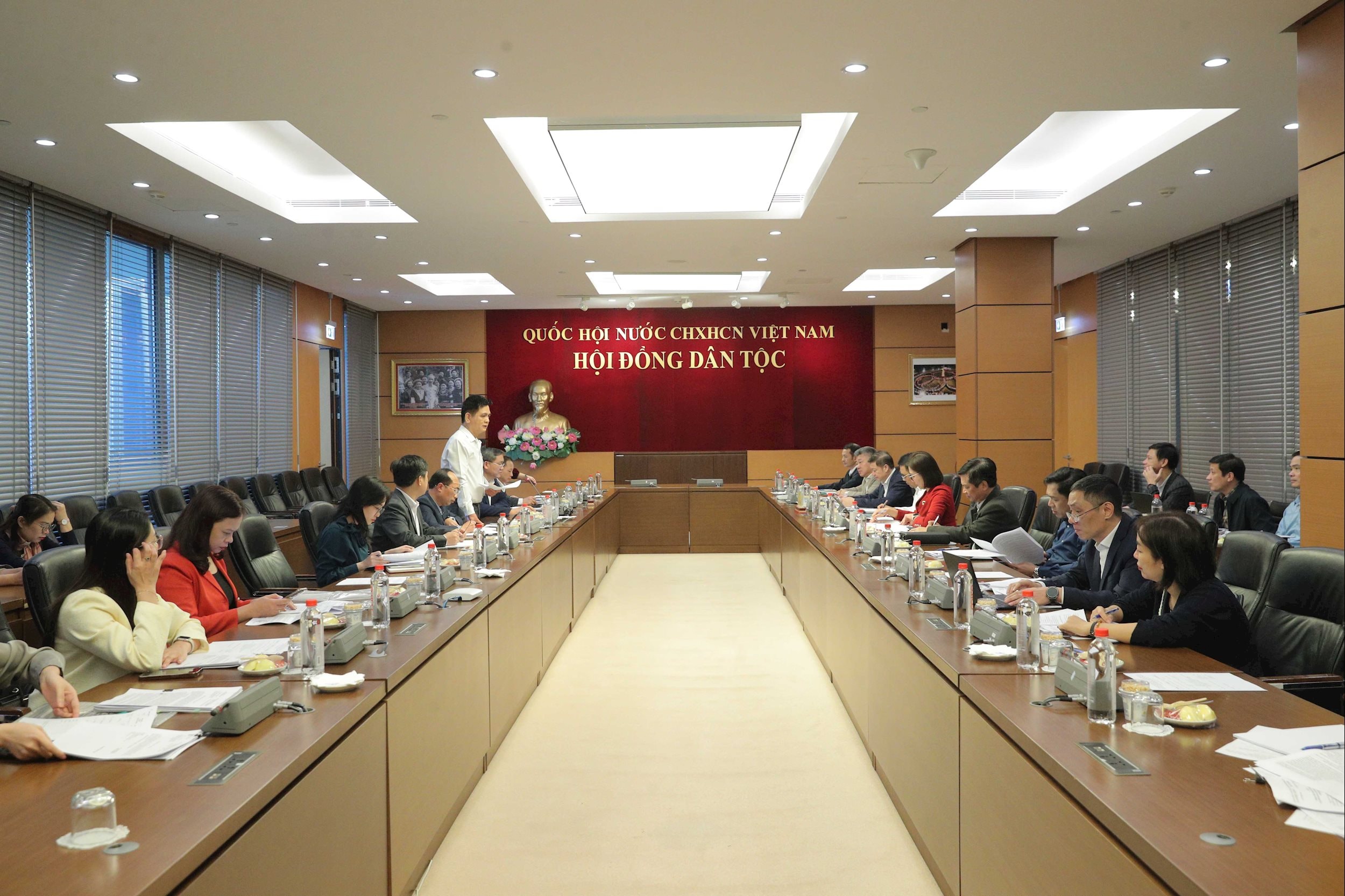
The draft report on the survey results of "The implementation of policies and laws on land allocation, forest allocation, forest protection and development associated with creating stable livelihoods and improving the living standards of ethnic minority communities and households in mountainous areas during the period 2019-2023" has just been submitted for comments from relevant ministries and agencies by the Standing Committee of the National Assembly's Ethnic Affairs Committee.
The draft report was prepared based on reports from 28 provinces and cities and the results of on-site surveys.
.jpg)
Accordingly, during the period 2019-2023, provinces focused on implementing a comprehensive policy of land allocation, forest allocation, forest leasing, and issuance of land use right certificates in accordance with the 2017 Forestry Law, the 2013 Land Law, and guiding documents. The results showed that the area of forests under management expanded, creating an important foundation for sustainable forest management, protection, and development.
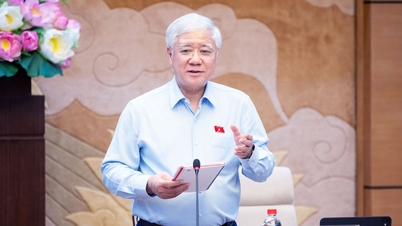
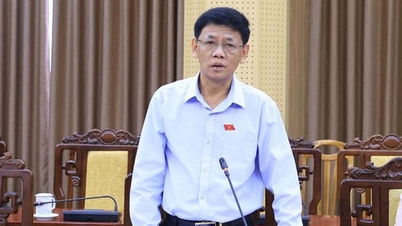
According to Quàng Văn Hương, Vice Chairman of the National Assembly's Ethnic Affairs Committee, the dissemination and promotion of policies have been widespread, creating consensus among the people, which is an important basis for organizing forest allocation.
“The area of forest and forestry land has been basically allocated to users including forest management boards, armed forces, economic organizations, households, individuals and local communities; forestry areas of state-owned enterprises have been converted to land lease arrangements as prescribed. The forest allocation work has created a significant change, giving forests real owners, building trust among people to invest in forest protection and development; contributing to strengthening the role of communities as key stakeholders in forest resource management,” the Vice Chairman of the National Assembly's Ethnic Affairs Committee emphasized.
However, the Vice Chairman of the National Assembly's Ethnic Affairs Committee also pointed out that implementation still faces obstacles due to a lack of synchronization between land allocation regulations under the Land Law and forest allocation regulations under the Forestry Law; some forest land files of forestry companies and forest management boards are also facing difficulties, mainly due to disputes related to planning (national defense land planning, mineral resources planning, etc.).



Providing support for reforestation "only once for the initial cycle" is not practical.
Agreeing with the assessment in the draft report, some delegates also pointed out that the Forestry Law stipulates that those receiving forest land must reside in the commune where the forest is located. However, in reality, even in Dien Bien province, ethnic minority communities have a practice of encroaching on forest land, leading to many households not meeting the criteria to receive forest land.
Decree No. 75/2015/ND-CP on mechanisms and policies for forest protection and development, linked with policies for rapid and sustainable poverty reduction and support for ethnic minorities in the period 2015-2020, stipulates that the policy of supporting forest planting is "only once for the first cycle," which is not in line with reality. Because the land was allocated many years ago, people have already planted forests over many cycles, leading to difficulties for many households and businesses in accessing the support policy.
Notably, while there are regulations providing rice subsidies for reforestation to replace slash-and-burn farming for poor households that are not self-sufficient in food, the definition of "households not self-sufficient in food" is not clearly defined, and there are no specific guidelines. Each province is confused when implementing this, and if the criteria for poor households "not self-sufficient in food" as stated in Circular No. 02/2011/BKHĐT are used, they are too low compared to the current living standards; in reality, people still suffer from hunger but are not eligible for the subsidy.
Delegates pointed out that while regulations permit integrated agricultural and forestry production under forest canopy, the lack of specific guidelines has prevented their implementation.
Given the above situation, many opinions suggest that the 2017 Forestry Law and related legal documents need to be amended and supplemented to suit the practical management, protection, and development of forests; paying particular attention to issues of land and forest allocation to local communities, benefit-sharing mechanisms, land use right certification; and regulations on integrated agricultural, forestry, and medicinal plant production under the forest canopy.
At the same time, continue to improve regulations on forest ownership rights, forest benefit rights, and non-timber forest product exploitation; and provide specific regulations and guidelines on the procedures for land allocation associated with forest allocation.


Vice Chairman of the National Assembly's Ethnic Affairs Committee, Quàng Văn Hương, suggested that a unified criterion for "households that are not yet self-sufficient in food" should be established so that localities have a basis for correctly identifying eligible recipients; and that consideration should be given to expanding the scope of beneficiaries to include households directly involved in forest protection but not classified as poor.
The frank and insightful feedback from ministries and agencies will be an important basis for the National Assembly's Ethnic Council to finalize the survey report to be submitted to the National Assembly Standing Committee, in order to propose practical and feasible solutions for developing the forest economy while significantly improving the material and spiritual lives and ensuring stable and sustainable livelihoods for millions of ethnic minority people.
Source: https://daibieunhandan.vn/som-sua-doi-bo-sung-luat-lam-nghiep-10400582.html