

This El Niño event is predicted to have a 90% chance of lasting through 2024 and is highly likely to be intense, bringing widespread and severe heatwaves and droughts. In Vietnam, many areas are predicted to experience a 20-50% rainfall deficit, accompanied by extreme weather phenomena. According to many experts, El Niño and La Niña phenomena repeat in cycles, so we must learn to live with them, and even effectively exploit the natural advantages and supply chains.
Rice and coffee have the advantage of high export prices.
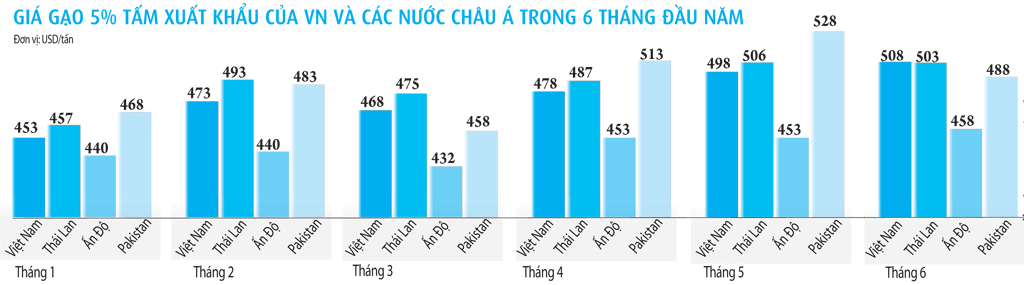
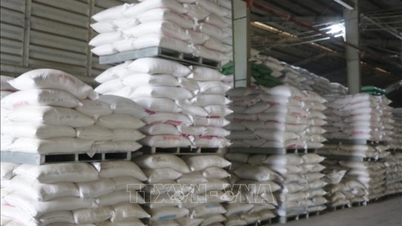
In late May, the export price of 5% broken rice from Vietnam approached $500 per ton, a price many considered historic. However, by the second half of June, the price continued to rise by another $10, reaching $508 per ton. Similarly, 25% broken rice reached $483 per ton, $10 higher than the price of 5% broken rice from Vietnam in February 2023. Compared to the beginning of the year, the price of rice has increased by an average of $30-40 per ton.
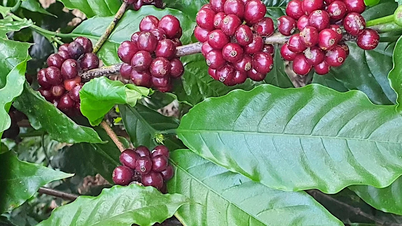
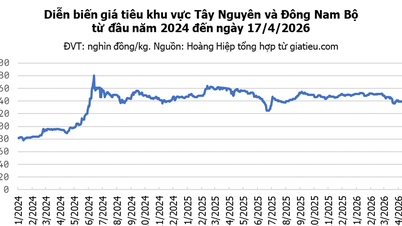
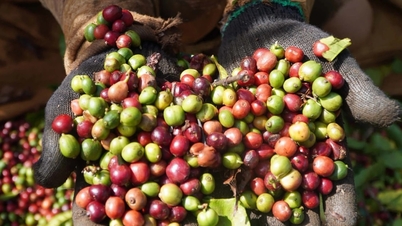
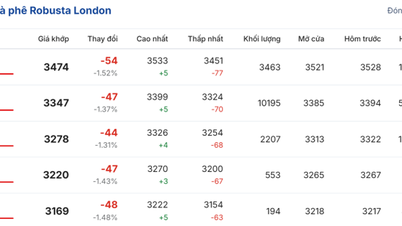
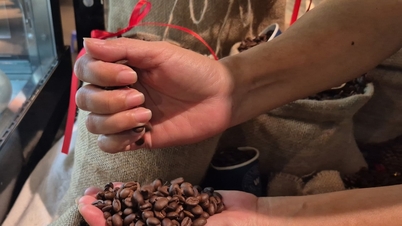
Similar to the rice price surge, in mid-June 2023, coffee prices in the Central Highlands provinces hovered around 64,000-65,000 VND/kg, a price many in the industry called "historic and unbelievable." By the beginning of this week, prices continued to rise, reaching 65,500-65,800 VND/kg. Some businesses even accepted prices as low as 70,000 VND/kg to fulfill signed contracts. On the two major exchanges, London (UK) and New York (USA), prices continued to increase despite already being at historical highs for the past 12-15 years. Some businesses in the Vietnamese market reported that the price of the new crop coffee at the end of this year is being offered at 52,000-53,000 VND/kg – normally, farmers are very satisfied with prices of 47,000-48,000 VND/kg.
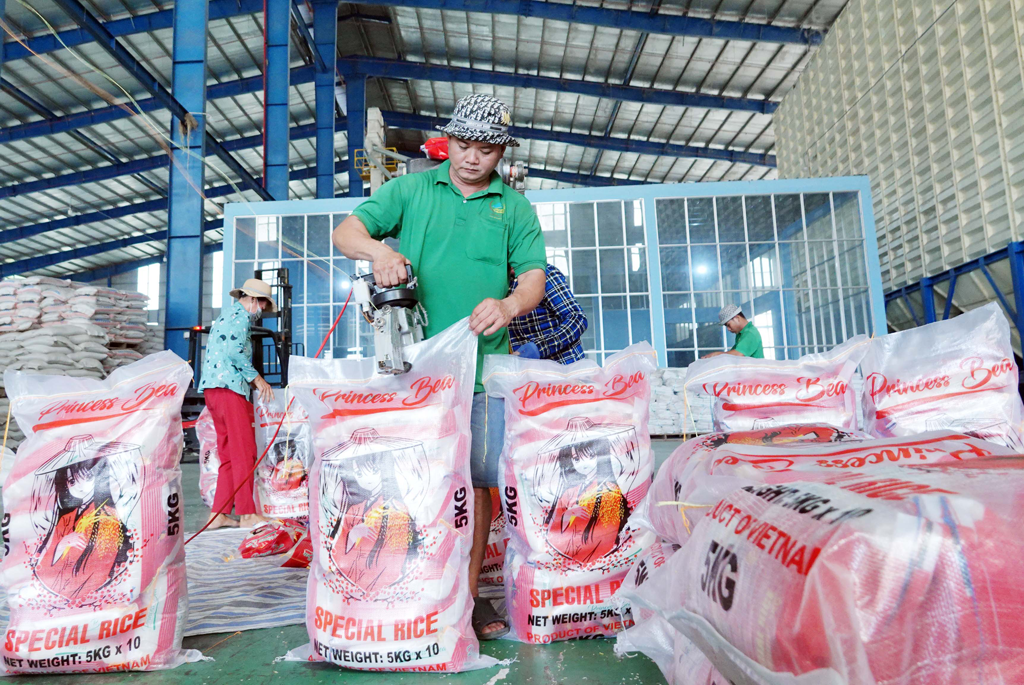
Vietnam's rice and coffee export prices reach record highs.
Mr. Do Ha Nam , Chairman of the Board of Directors of Intimex Group and also Vice Chairman of the Vietnam Food Association (VFA), commented: From now until the end of the year, the prices of rice and coffee will continue to rise. Rice prices are already high, so they will increase, but not significantly. As for coffee prices, it's impossible to predict how much they will increase due to the complexities of this market. These are the two commodities that have seen the strongest price increases this year because of supply shortages and high demand.
Specifically regarding coffee, Brazil is in its harvest season but still doesn't have enough supply to meet demand. As for Vietnamese rice, demand from traditional customers such as the Philippines, China, Indonesia, and Malaysia alone is estimated to increase by more than 1 million tons. These countries are increasing their purchases and stockpiling of food due to concerns about the negative impact of El Nino, which could further exacerbate supply shortages in the coming period. "With such favorable prices currently, farmers will boost production. Furthermore, a major advantage for Vietnam is the use of short-season varieties, making production and export activities more favorable," Mr. Nam stated.
Aquaculture is subject to many impacts.
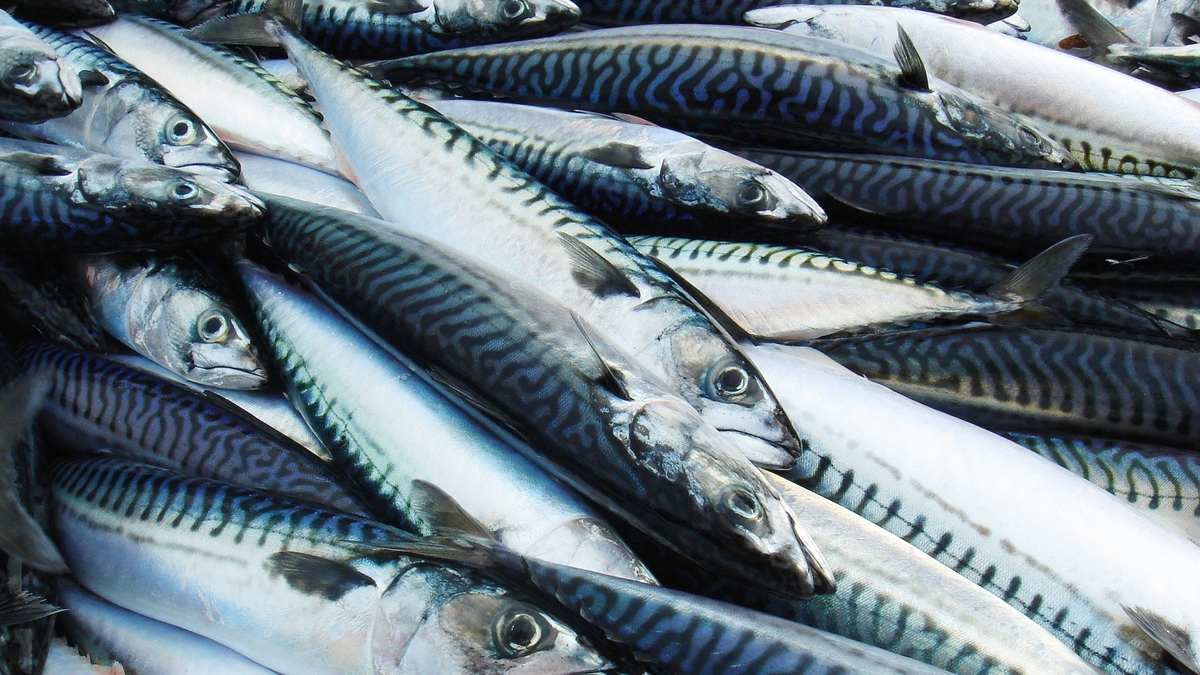
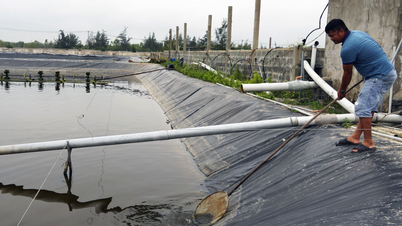
Conversely, the aquaculture industry is heavily impacted by extreme weather phenomena. Dr. Ho Quoc Luc, former Chairman of VASEP and Chairman of the Board of Directors of FIMEX Vietnam, analyzed: During both El Nino events, the shrimp industry faced major disease outbreaks. In 2015, it was acute hepatopancreatic necrosis disease. Then, during the 2019 El Nino event, microsporidiosis occurred. Whether this is just a coincidence or a close connection requires further research. But as we know, each El Nino event alters the habitat of coastal aquatic life, potentially reducing or increasing various aquatic organisms, including bacteria.
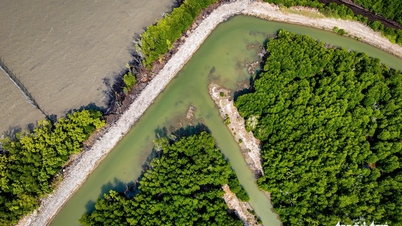
On the other hand, when El Nino occurs, saltwater intrusion will certainly penetrate further inland, leading to two scenarios: For shrimp farming, the farming area can expand and production can be favorable. Conversely, it will harm pangasius farming areas, causing slow growth and even undesirable meat color. In 2019, some fish farming areas had to relocate upstream. If this El Nino event is more severe than 2019, the impact will be much greater. This is something fish farmers need to pay attention to and prepare for. "El Nino has many other long-term negative impacts, for example, the marine fisheries industry may be affected due to the migration of fish stocks… We need to predict and anticipate these situations to avoid the negative impacts in time and seize opportunities," Mr. Luc advised.
Proactive adaptation
According to Mr. Nguyen Huu Thien, an expert on the Mekong Delta's ecology, "El Nino has begun. We don't know how strong it will be, but the agricultural sector and farmers should start closely monitoring the situation to be able to respond promptly." For the immediate future, in upstream flood-prone areas like the Long Xuyen Quadrangle and Dong Thap Muoi, investment in crop cultivation and livelihoods dependent on the upcoming flood season should be cautious, as the flood level is likely to be low. In the 2024 dry season, the main issue will be the risk of severe drought and salinity intrusion in coastal areas and a series of related consequences.
Remember the El Nino event during the 2015 rainy season, which resulted in very little rainfall in the Mekong River basin and a very low flood level. Then, during the 2016 dry season, the Mekong River was very weak, and hydropower dams were intermittently storing water for electricity generation, exacerbating the drought and salinity problem and damaging 160,000 hectares of dry-season rice crops along the coast. This demonstrates that salinity control structures are not very effective in such extreme drought and salinity years.
"The best way to adapt is to proactively avoid saltwater intrusion by adjusting the planting schedule based on the experience of coastal provinces during the 2020 dry season. Coastal communities need to proactively store freshwater for daily use during the 2024 dry season," Mr. Thien advised.
Mr. Nguyen Nhu Cuong, Director of the Department of Crop Production (Ministry of Agriculture and Rural Development), stated: "For Vietnam, the Mekong Delta is the region most severely affected by climate change and weather phenomena in general. This is also the most important agricultural production area in Vietnam and has great significance for the world . Therefore, the Department has coordinated with relevant agencies and local authorities to conduct field surveys to develop appropriate response plans. Based on the impacts of the two recent El Nino events in 2015-2016 and 2019-2020, adjustments to the cultivated area, crop structure, and planting seasons will be considered to avoid losses and ensure food security for domestic consumption and export."
In addition to the key Mekong Delta region, the Department has also established special task forces to develop response plans for the Red River Delta and the Central Highlands provinces.
Mr. Nguyen Nhu Cuong , Director of the Department of Crop Production (Ministry of Agriculture and Rural Development)
Graphics: Ta Chi Hieu
Source link


















































































Comment (0)