

Vietnam's National Day is an opportunity for me to express my gratitude to this country, which has suffered so much pain caused by foreigners, with the most agonizing wounds coming from the country whose name is on my passport.
Thank you, Vietnam, for your willingness to welcome me and many others, giving me the opportunity to dedicate myself fully here to my chosen career – that of an educator . It is a job I truly cherish and find brings worthwhile value to myself and others.
As the American poet Robert Frost (1874-1963), who was also a distant relative of mine, said:
"In the deep forest, at the crossroads"
I chose the route with the fewest footprints.
And that's where all the differences stem from."
I chose the less conspicuous path: living and working in Vietnam instead of my native America. And indeed, all the differences began with that turning point.
What struck me most when I first arrived in Vietnam in 1996 was the image of a country undergoing constant transformation, having just opened up after decades of isolation and poverty. The main reasons for this were the embargo led by the US and the consequences of two devastating wars: against France and against the US. At that time, most of what I knew about Vietnam came from books and a few early Vietnamese students studying in the US.
Even though at that time this place was one of the poorest countries in the world with a per capita income of just over $300 USD per year, I felt the abundant energy and boundless potential of the country, as well as the genuine simplicity radiating from the local people. Vietnam is a nation that survived the most devastating destruction inflicted by the two superpowers, yet it still holds its head high, preparing, ready, and eager for a bright future.
That was when the Doi Moi (Renovation) period began in 1986. Despite countless obstacles along the way, over the past 28 years since my first visit to Vietnam, I have had the honor of witnessing this country rise from the ashes.
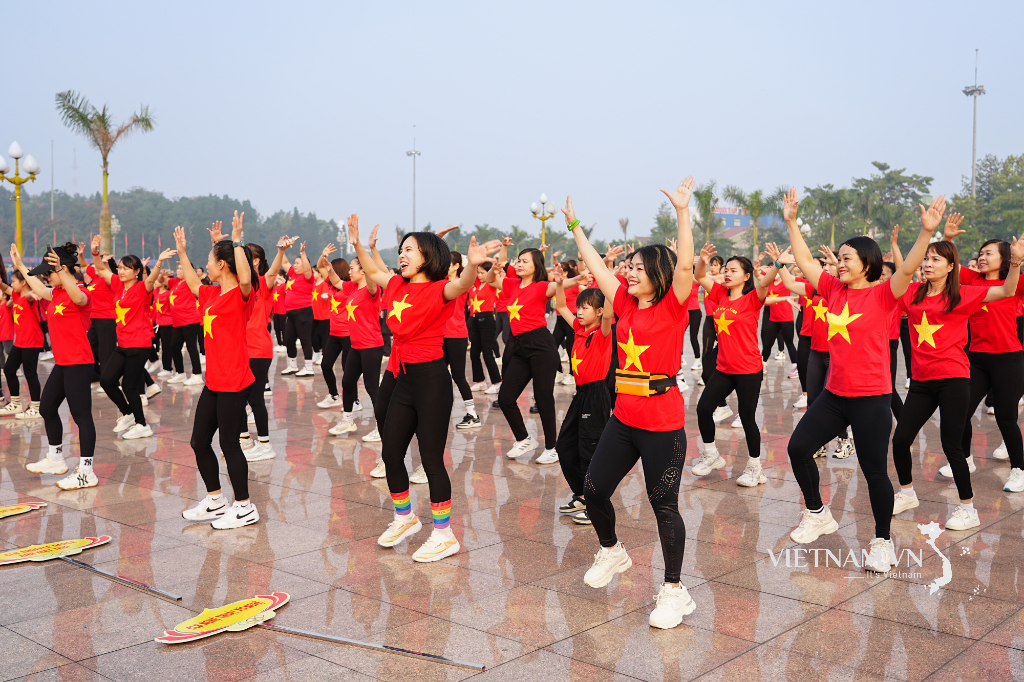
Since my early days living in Vietnam in 2005, I have witnessed heartwarming events that both reinforced my own perspective and gave me a clearer definition of patriotism as expressed by the people here. They love and are willing to dedicate themselves to their country, sharing both joys and sorrows, big and small, such as a football match or the passing of General Vo Nguyen Giap in 2013.
The economy continues to grow impressively. While not everyone benefits from this export-driven growth, which is primarily driven by FDI enterprises, it is certainly propelling the Vietnamese economy forward.
And for many other reasons, Vietnam has become a land of opportunity for millions of people, including many foreigners, who are willing to seize the opportunity, adapt, and create a multicultural and multi-ethnic workforce.
We foreigners, acting and thinking as global citizens, often share our experiences and knowledge not because we think our way is better, but because we genuinely care about this country.
Together with you, we breathe the same air, eat the same food, walk the same streets, and we know very well that Vietnam could be much better than it is now. But living in Vietnam, I don't like giving unnecessary advice because, from my perspective, Vietnam belongs to the Vietnamese people, and foreigners, whether they have lived here for a long time, will stay here for life, or were once patriots, are ultimately just guests.
However, there is now a reality that extreme Western individualism has been introduced, causing a shift in some people from "we" to "I," specifically the selfish expression of "freedom" towards the community and nature. For example, many people treat the environment like public trash cans, or become aggressive and self-centered once in traffic, but immediately afterward, they revert to being polite, civilized, and willing to help others if needed.
Achieving balance
On the other hand, responsible citizens should also maintain a connection with those around them and the environment that has nurtured us all. Without it, society would become a fiercely competitive world where fairness, order, and respect are replaced by inequality, chaos, and uncivilized behavior.
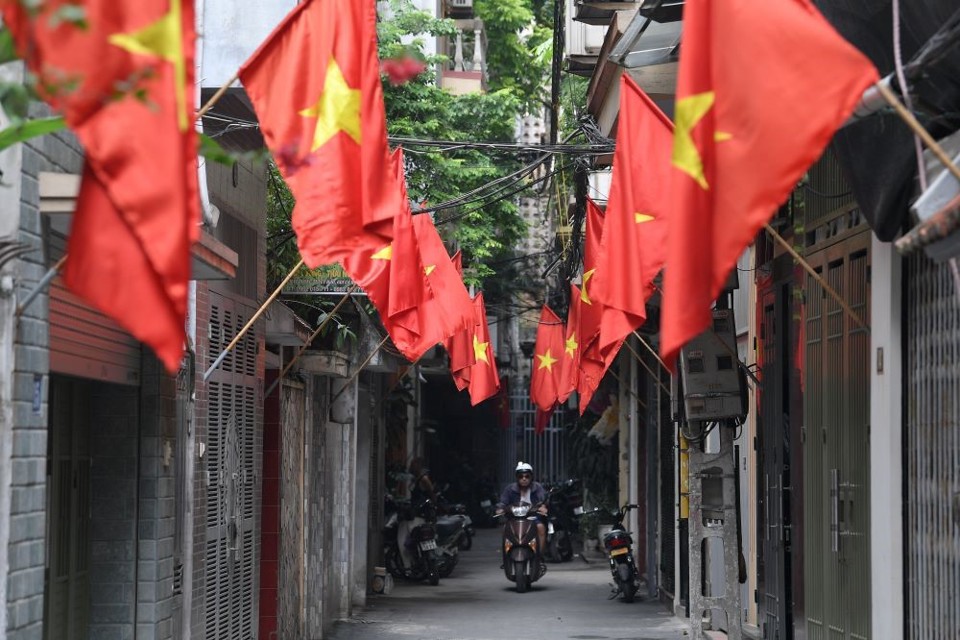
National Day is the perfect time for every Vietnamese person to reflect on their experiences and consider what they can do to make life better. For example, changing perceptions and lifestyles, taking action for the environment, improving urban civility, enhancing business ethics, and addressing other essential areas. All of this is within reach!
"Patriotism is putting your country before yourself," I think this quote by Adlai Stevenson II, a US presidential candidate and US Ambassador to the United Nations, about patriots is very relevant to the Vietnamese people.
Besides celebrating shared achievements in growth, improved quality of life, science, arts, and sports, patriots can also legitimately offer constructive comments and take appropriate action. This is because they love their country and want it to be better.
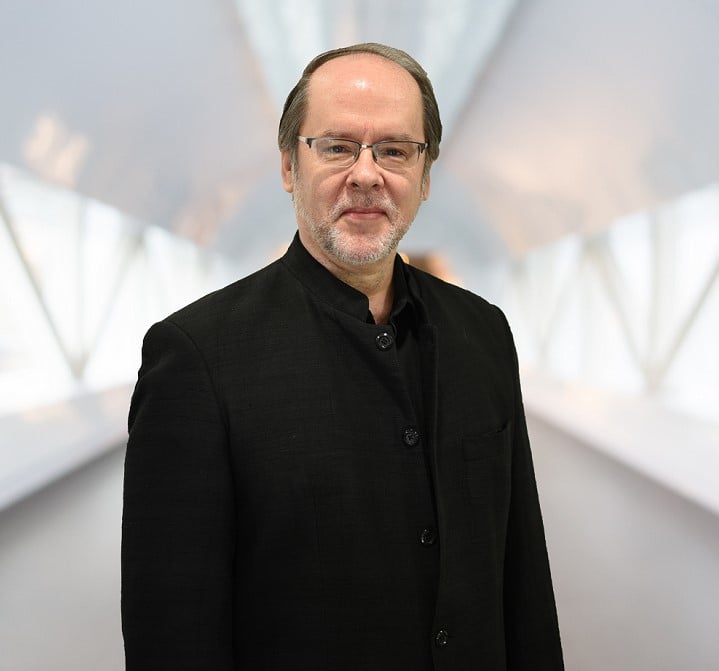
Mark A. Ashwill is an international educator and entrepreneur who has lived in Vietnam since 2005. He served as the country director of the Institute of International Education (IIE)-Vietnam from 2005-09. Dr. Ashwill is the co-founder and CEO of Capstone Education, an educational consulting firm with offices in Hanoi and Ho Chi Minh City.
Source: https://kinhtedothi.vn/long-yeu-nuoc-su-cong-hien-lang-le-va-ben-bi-den-tron-doi.html

![[Photo] Speaker of the National Assembly meets with the Vietnamese community in Türkiye](https://vphoto.vietnam.vn/thumb/402x226/vietnam/resource/IMAGE/2026/04/18/1776483346102_1-8136-jpg.webp)






















































Comment (0)