The storytelling style is engaging and ensures historical accuracy.
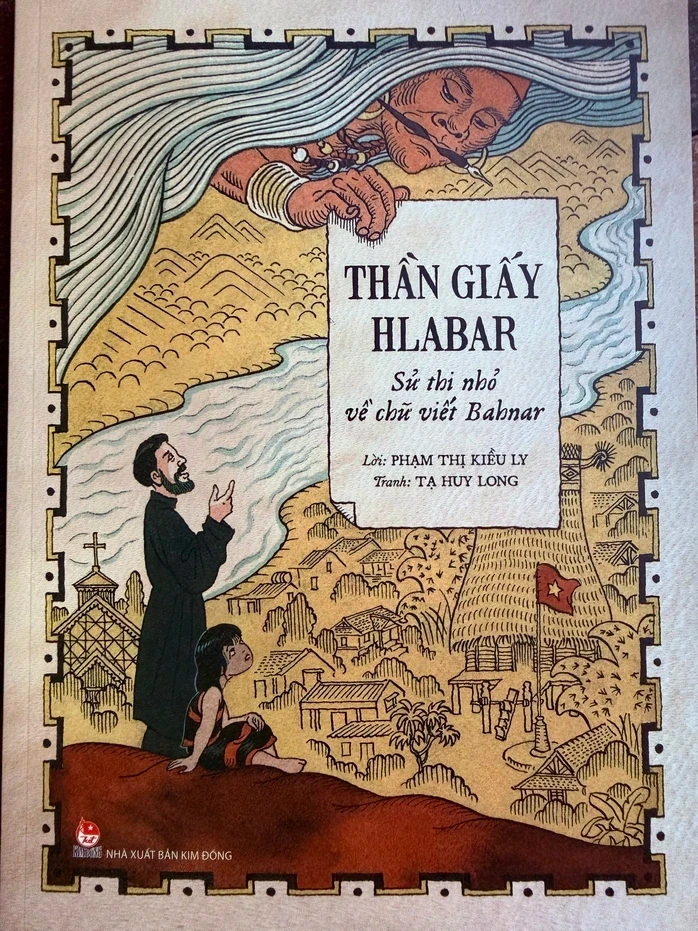
The Hlabar Paper God - A short epic about the Bahnar script by author Pham Thi Kieu Ly and illustrator Ta Huy Long, adapted from the research project "History of the Latin-based script of the Bahnar language with the study, preservation and restoration of the cultural and historical values of the ethnic group" led by Dr. Pham Thi Kieu Ly.
Besides recreating a historical period, the book also conveys a message about the role of writing in preserving and promoting cultural identity.
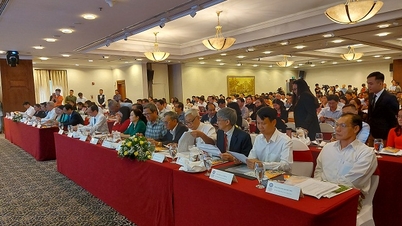
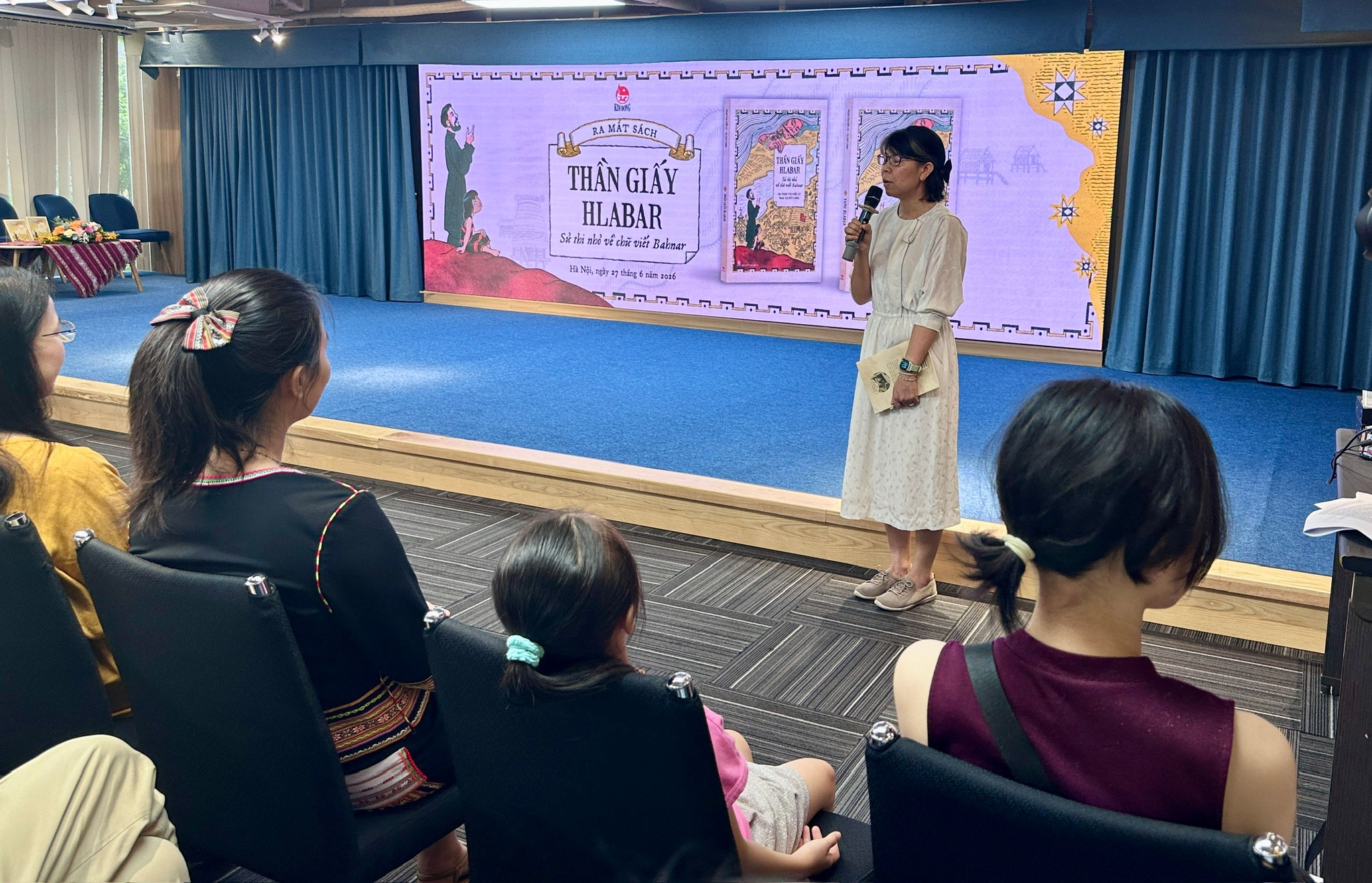
At the book launch event on June 27th, author Pham Thi Kieu Ly stated that the book is the result of many years of research, fieldwork in the Central Highlands, and document research in Paris. According to the author, her greatest desire is to bring the results of her academic research closer to young readers through an engaging, vivid, and emotionally rich storytelling format, while still ensuring historical accuracy.
“I want young readers to easily learn about the writing system and the cultural values, customs, and traditions of the Bahnar people. Therefore, the comic book format and the epic writing style of the Central Highlands will be appealing and appropriate,” said Dr. Pham Thi Kieu Ly.
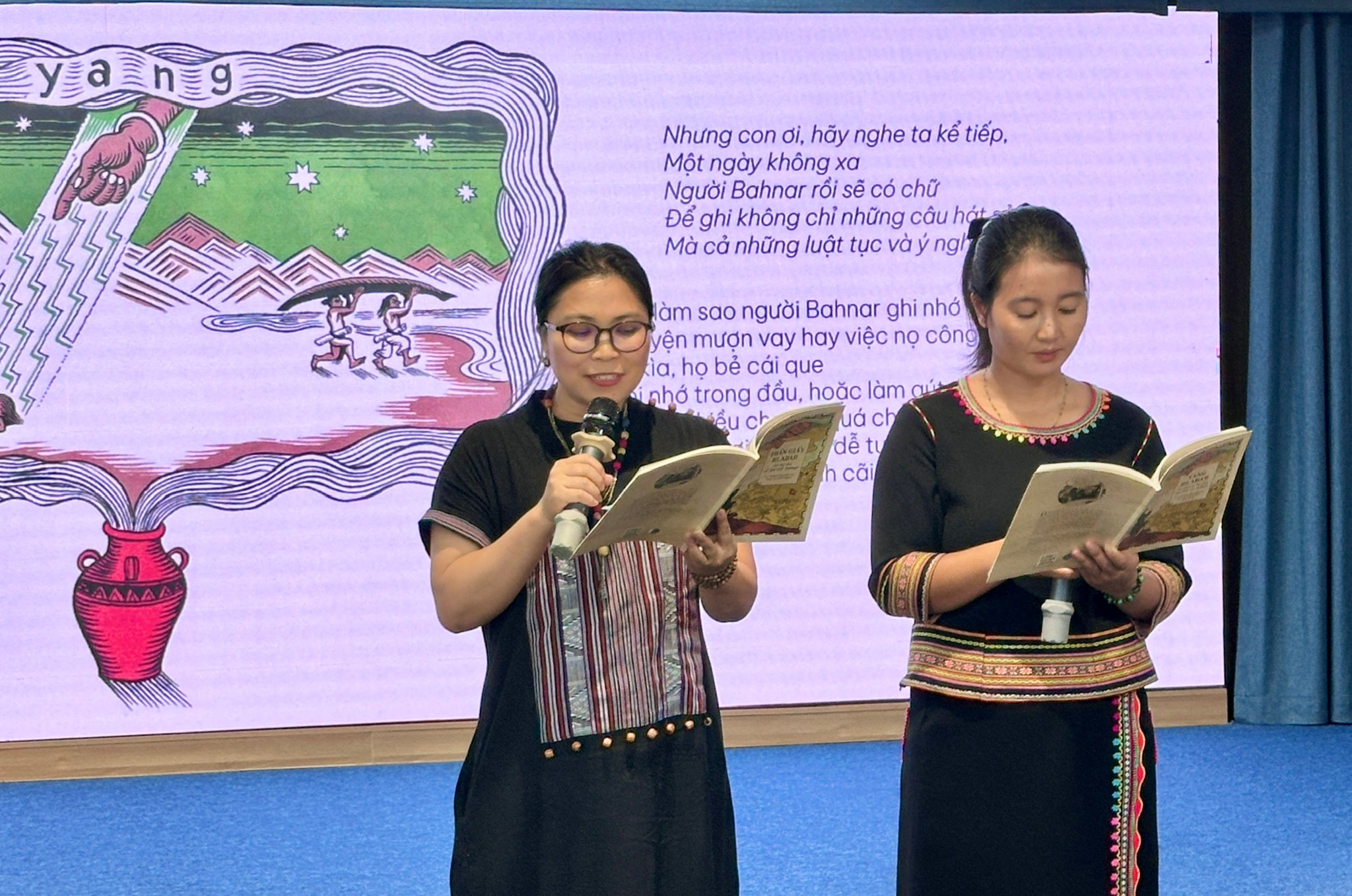
Sharing the process of creating the 96-page large-format color illustrations, artist Ta Huy Long said that the team had to plan for a long time, researching the life, architecture, costumes, festivals, and landscapes of the Central Highlands so that "each frame authentically reflects the cultural identity of the Bahnar people."



The blend of modern comic art with the epic style of the Central Highlands has contributed to the unique character of the work.
Encouraging the younger generation to preserve their national language.
The Hlabar Paper God - A short epic about the Bahnar script, set in Kon Kơ Tu village, an ancient Bahnar village (Kon Tum), where a young girl named Hri encounters questions, bewilderment, and curiosity during her first days at school: Why do the Bahnar learn Vietnamese? Do the Bahnar have a written language? From these curiosities, the story uses an epic narrative style to lead the reader back to the world of the highland people in the mid-19th and early 20th centuries, within the vast Tây Nguyên (Central Highlands) landscape, with its gongs and drums, and the journey of missionary work and the creation of the Bahnar script.
According to Dr. Pham Thi Kieu Ly, Hlabar in the Bahnar language means book or document. “But we named Hlabar ‘Paper God’ because to turn paper into a book or document, we must know how to read and write. Once we are familiar with writing, reading on paper becomes commonplace. But for the indigenous people in the 19th century, when French missionaries sat and read, they found it difficult to understand and mysterious; they couldn’t grasp anything. Thus, paper or writing at that time was also a ‘god’ to the Bahnar people, a new ‘god’ added to their animistic belief system.”
Through "The Paper God Hlabar - A Mini-Epic of the Bahnar Script ," the author hopes that young readers will realize that using their mother tongue to speak, write, and send messages is an immeasurable joy, because their mother tongue consists of sounds they have heard since childhood and feel a sense of familiarity with. Knowing how to write and read is a power, and that power opens the door to knowledge, helping the younger generation to love their mother tongue even more, while also respecting and cherishing other ethnic groups living together in Vietnam.
According to the authors, creating a new writing system is only the beginning; for the language to be preserved and developed sustainably, it requires the joint efforts of the community, education , and supportive policies to encourage the younger generation to use, read, and write their mother tongue.
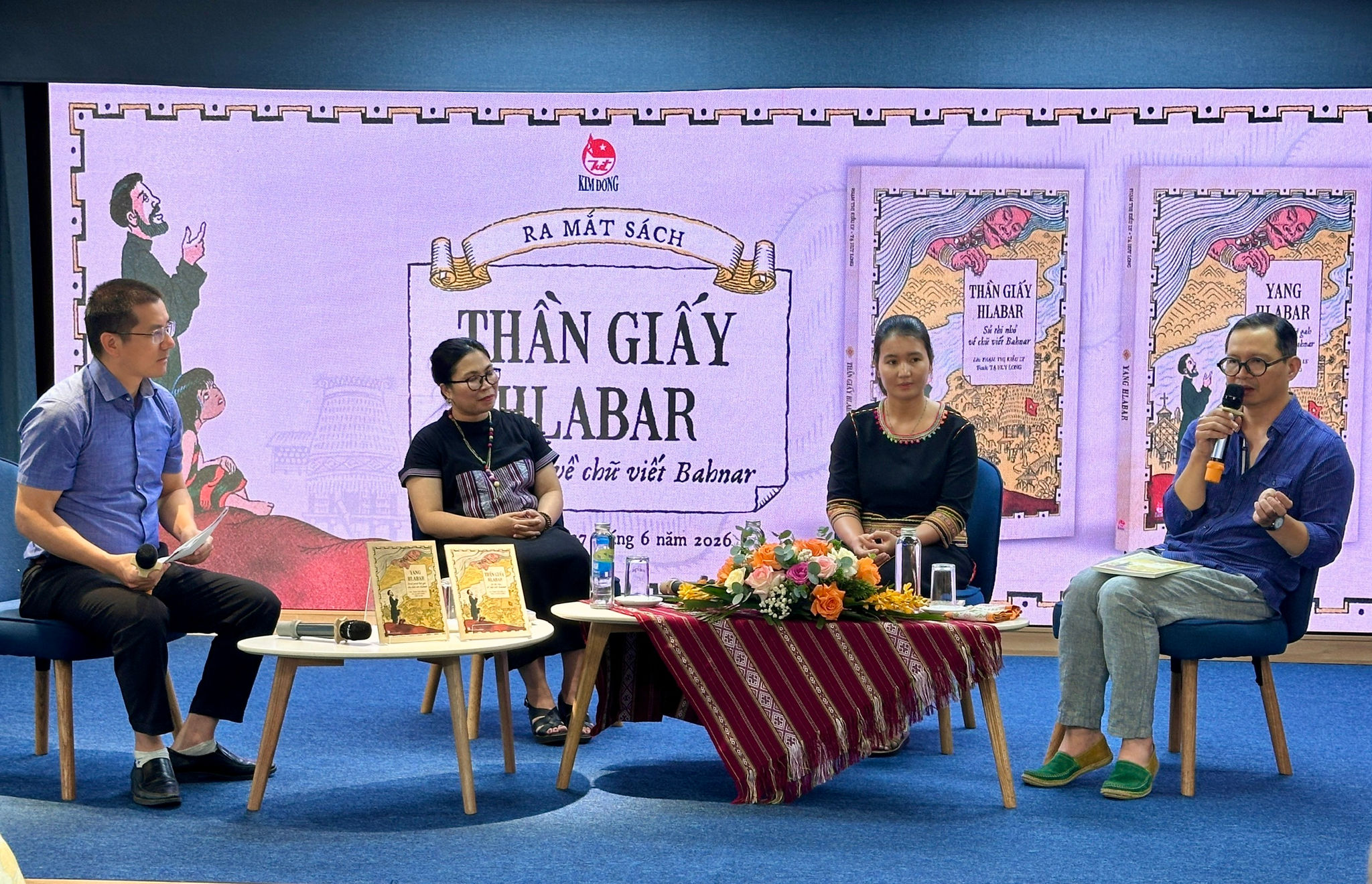



Translator Ja Mi, who translated the book into the Bahnar language under the title "Yang Hlabar," believes that the book's use of relatable stories about Bahnar language, culture, and community life is a fresh approach that helps readers better understand the importance of preserving their mother tongue in a modern context.
The work was published simultaneously in Vietnamese and Bahnar. Ms. Vu Thi Quynh Lien, Deputy Director and Editor-in-Chief of Kim Dong Publishing House, hopes that this format will help expand readers' access to the work and demonstrate efforts to spread the value of the Bahnar language in contemporary life, encourage the younger generation to preserve their ethnic language, and enhance understanding and respect for cultural diversity among the 54 ethnic groups.
Source: https://daibieunhandan.vn/su-thi-nho-ve-chu-viet-bahnar-10422080.html



![[Photo] Strengthening character and expertise: Intense training for artillery soldiers.](https://vphoto.vietnam.vn/thumb/1200x675/vietnam/resource/IMAGE/2026/06/30/1782815602541_lu-368-1875-4571-jpg.webp)