

The issue of cross-curricular tutoring remains open.
The Ministry of Education and Training affirms that the draft does not prohibit legitimate tutoring or supplementary classes; nor does it restrict the legitimate learning needs of students or the teaching rights of teachers. The focus is on tightening management and preventing disguised tutoring, coercion of students to attend extra classes, and profiteering from tutoring activities. However, the core issue is: will procedural management measures be sufficient to address the persistent "grey areas" in current tutoring activities?
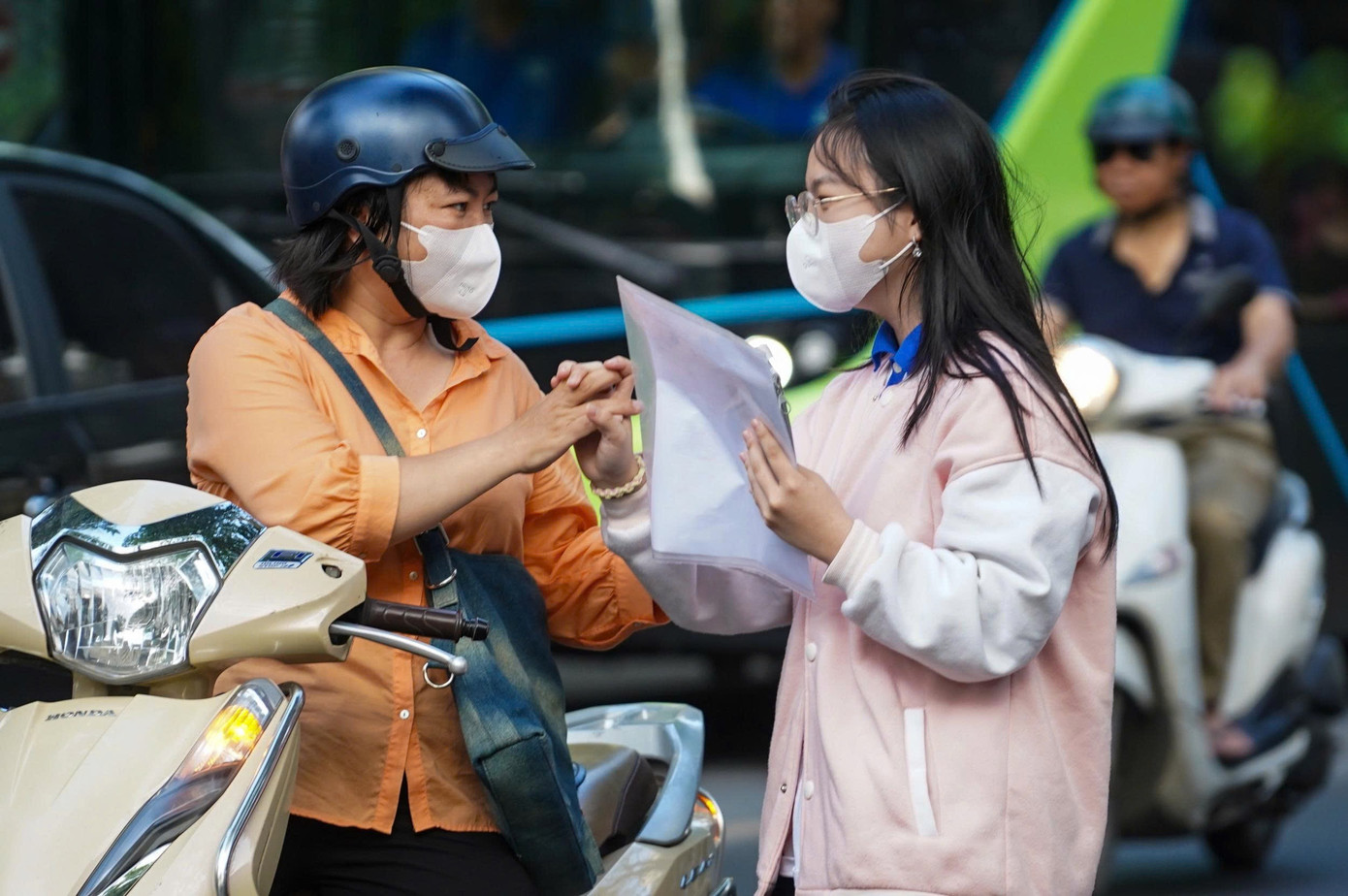
The draft regulations add a series of requirements for paid extracurricular tutoring centers, ranging from business registration and public disclosure of course information, duration, teacher lists, and tuition fees, to teachers' reporting responsibilities to the principal. Theoretically, these are strict regulations aimed at increasing transparency in tutoring activities. However, in reality, "public disclosure" of information does not necessarily mean effective control. With the demand for extracurricular tutoring remaining high, these centers may fully comply with all procedures but still operate in sophisticated ways to evade oversight.
The draft also emphasizes the personal responsibility of teachers, even if they do not directly own the business or have relatives register it. This approach shows an effort to "plug" existing policy loopholes. However, when responsibility is defined so broadly, while the tools for detecting and verifying violations are unclear, the question arises: who will have the authority and capacity to prove that teachers directly or indirectly participate in managing and controlling tutoring activities? Without a feasible monitoring mechanism, the regulation is likely to become a case of being tightly worded but difficult to implement.
Many schools believe that the draft regulations have not created a breakthrough compared to current regulations. The principal of a junior high school in Hanoi frankly acknowledged that the circular still does not accurately reflect reality. Parents and teachers both have a need for extra tutoring and supplementary teaching, while the ban on tutoring within schools has inadvertently pushed this entire need outside of school, where costs are higher and there is less control. When the doors within schools close, the market for extra tutoring outside of schools immediately expands—a consequence that has been predicted but has not been thoroughly addressed.
Notably, the draft almost completely ignores the issue of cross-school tutoring – the phenomenon where teachers within the same school or across schools exchange students to provide extra tutoring at external centers. This practice allows teachers to circumvent regulations prohibiting tutoring their own students, but in essence, the pressure of extra tutoring on students and parents does not decrease. Meanwhile, while assigning management responsibility to principals, the draft does not give them sufficient tools and authority to handle these cross-school relationships occurring outside the school's scope.
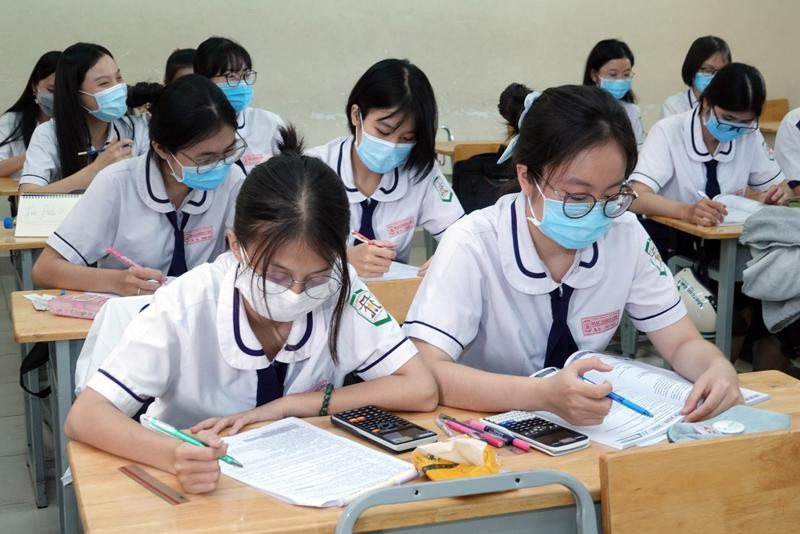
Teachers' "soft power" must be monitored.
The violations reveal that policy gaps remain significant. On January 6th, the Party Committee's Inspection Commission of Hoa Lu Ward ( Ninh Binh ) issued a warning to Ms. Nguyen Thi Ly, Deputy Principal of Ninh Thanh Secondary School, for violating regulations on extracurricular tutoring. Previously, Tien Phong newspaper reported on teachers bringing students to school for nighttime tutoring to collect fees – an act occurring openly despite a nationwide ban. These incidents raise the question: if current regulations were strong enough, would such blatant violations occur?
From a parent's perspective, the draft circular fails to address the biggest concern: teachers using "soft power" to pressure students into taking extra classes. Ms. Nguyen Thi Hoa (Viet Hung ward, Hanoi) argues that without clear sanctions against this subtle form of pressure, parents will still be forced to send their children to extra classes to "maintain harmony." Transparency of data between schools, centers, and teachers only helps to mitigate this to a small extent, while the practice of students being swapped between centers remains a familiar way out.
Ms. Nguyen Tuyet Mai, a parent whose child is in 8th grade at Tu Hiep Secondary School (Hanoi), admitted to sending her child to extra classes with the same teacher who teaches in class, even though she knows it's against the rules. Significantly, this isn't due to coercion, but rather a legitimate need for extra tutoring. However, to access these classes, parents have to "request" or rely on connections – a reality that shows current policies haven't created a transparent and fair environment. When legitimate needs lack legal avenues, they are forced to find alternative ways.
Clearly, the draft circular has attempted to tighten management through detailed regulations. However, if the root conflict between the enormous societal need for supplementary education and the still-overly bureaucratic management methods is not addressed, supplementary teaching and learning will continue to be distorted. In that case, no matter how many times the circular is revised, it will be difficult to implement effectively.
The biggest bottleneck in the draft circular amending regulations on tutoring and supplementary classes is not the lack of regulations, but the absence of solutions to address the "soft power" of teachers in schools – the core factor influencing current tutoring behavior. This is the "gray area" that forces parents, despite their frustration, to send their children to tutoring to avoid risks to their education.
Source: https://tienphong.vn/sua-thong-tu-de-ngan-day-them-tra-hinh-post1810773.tpo













































































Comment (0)