

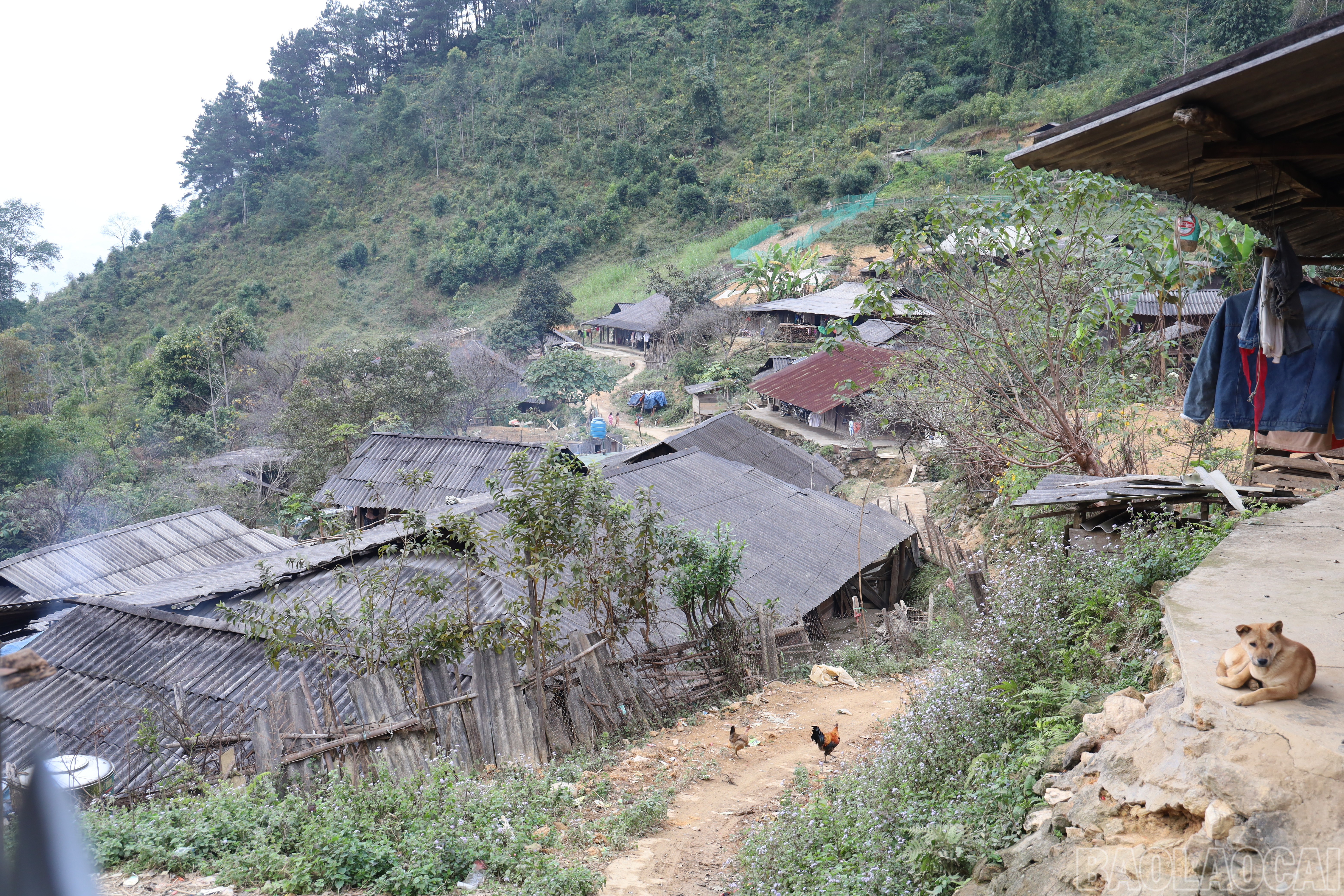
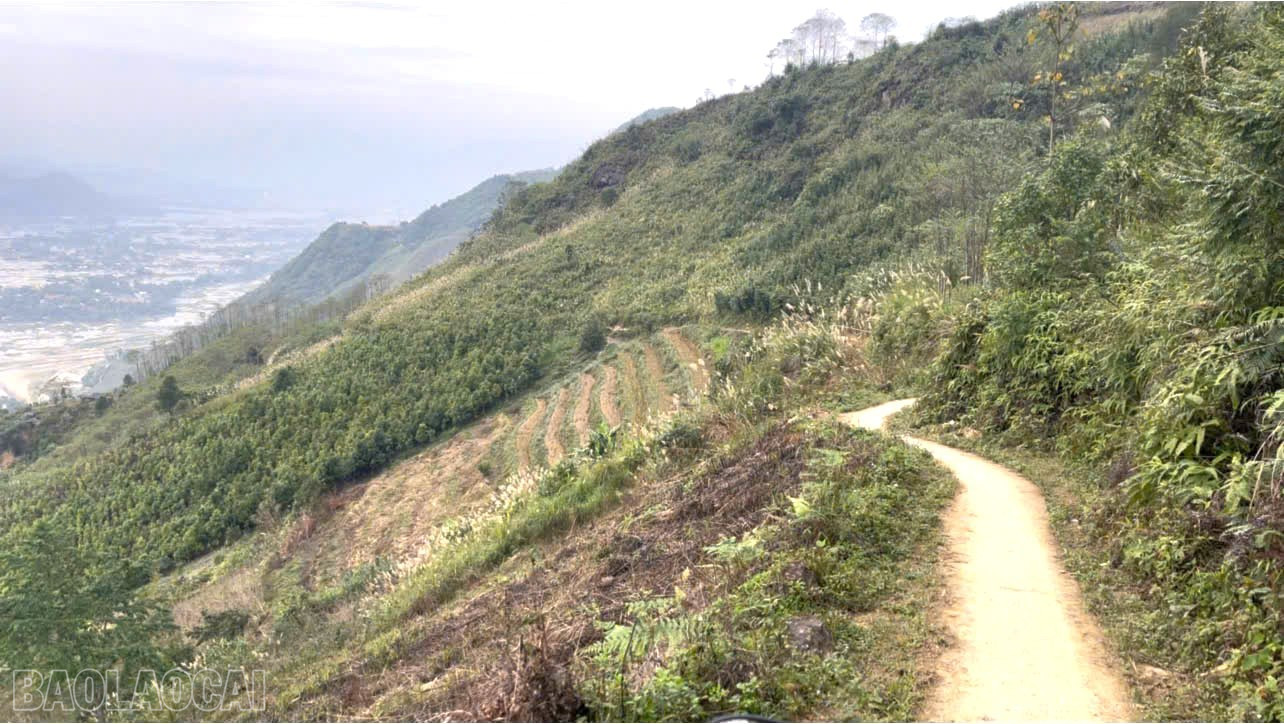
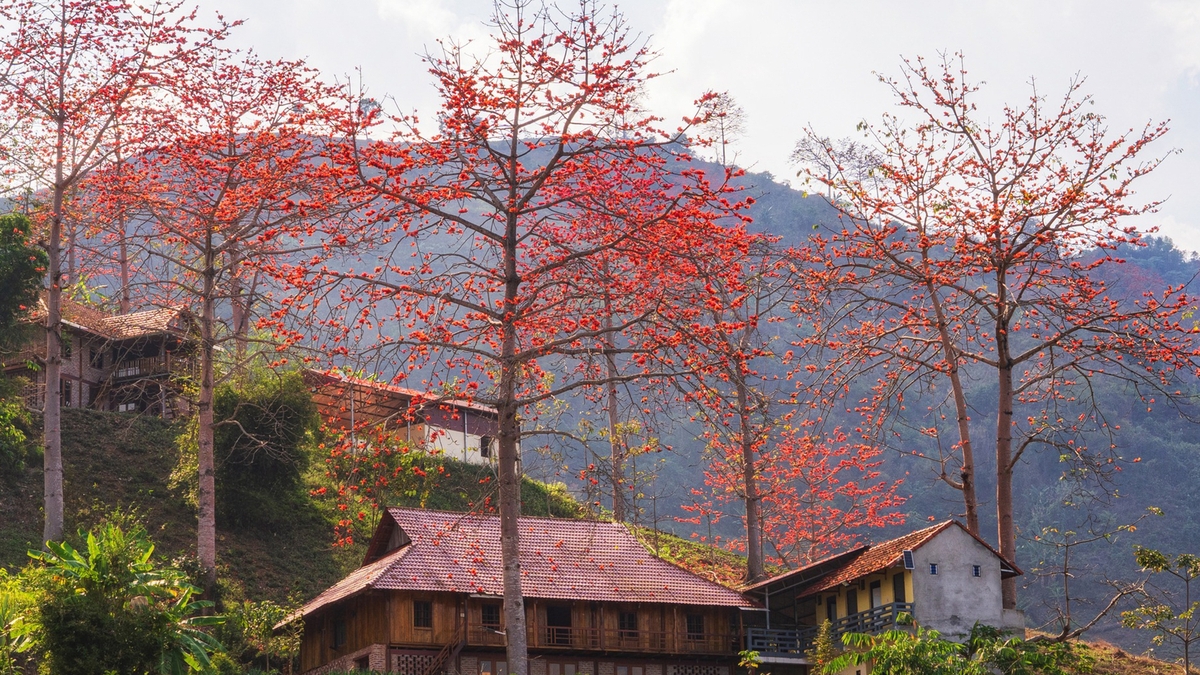
From the center of Phình Hồ commune to Tà Chơ village is about thirty kilometers, with the last ten kilometers following a treacherous mountain road, only accessible by motorbike. Tà Chơ is one of the most remote and difficult villages in the commune. That ten-kilometer road is like a thin thread stretched across the mountainside; traversing it takes about forty minutes of driving, hands never leaving the brake, eyes constantly watching the edge of the cliff. The motorbike must be in first gear, the engine roaring throughout the winding, narrow, and precarious stretch of road.
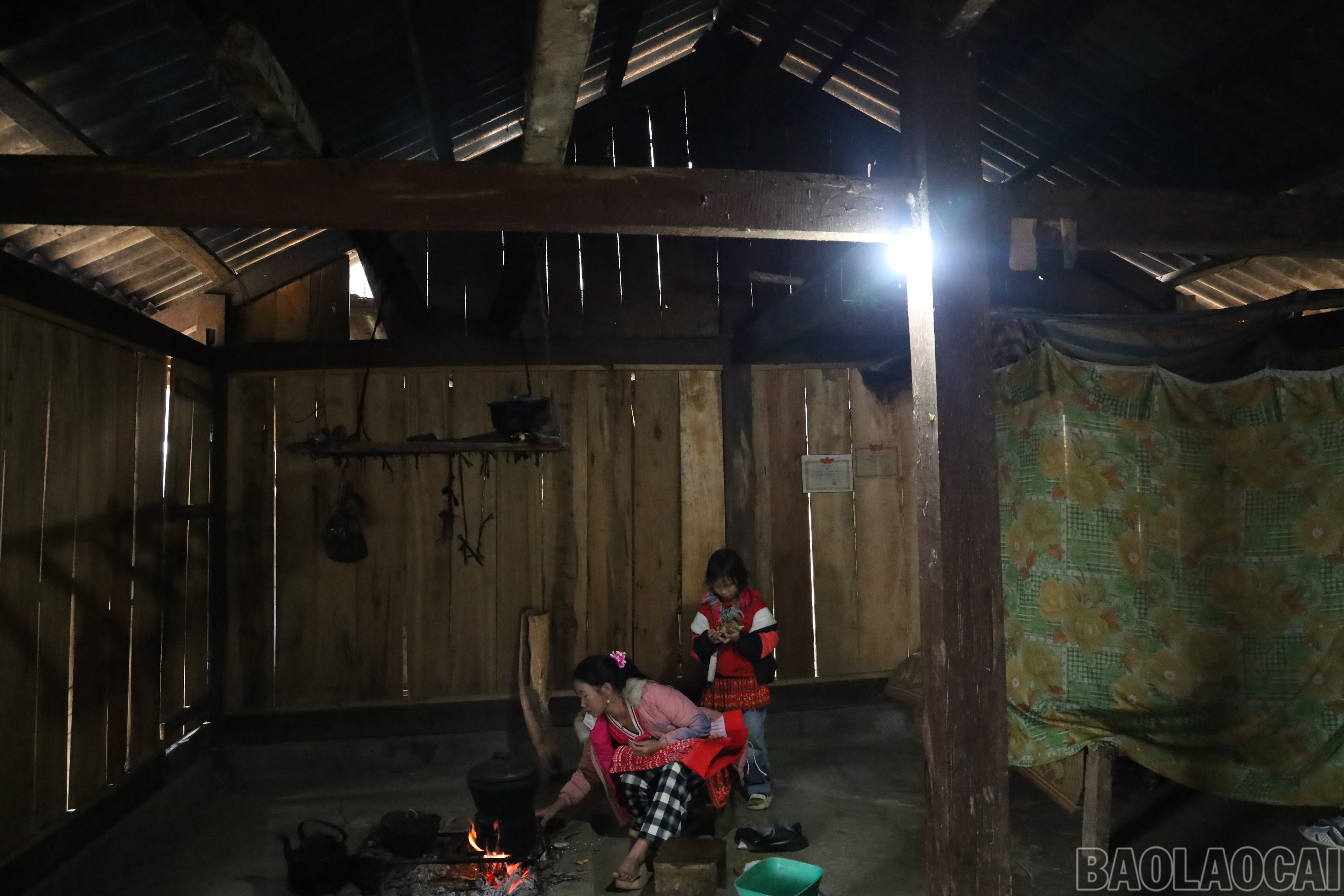
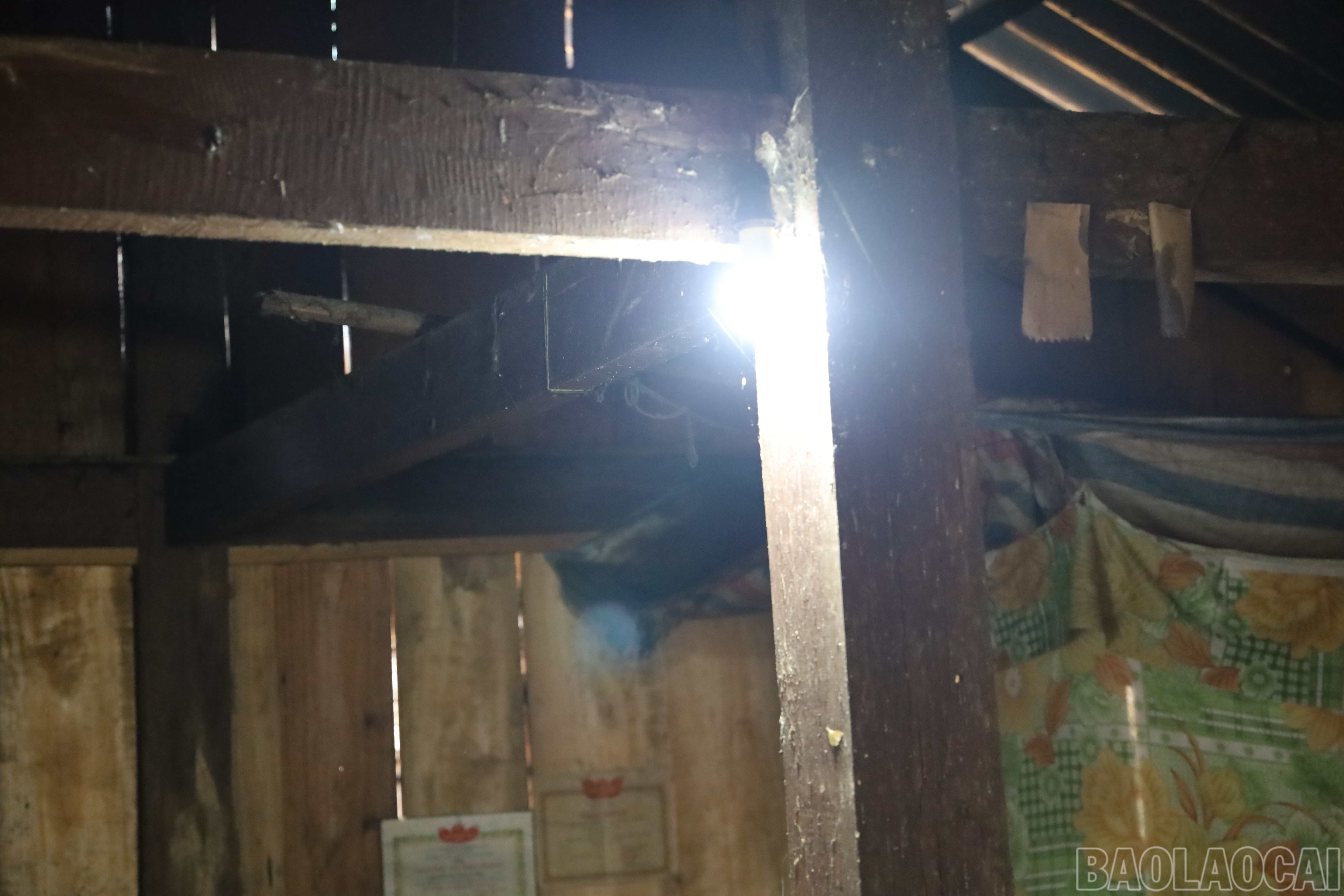
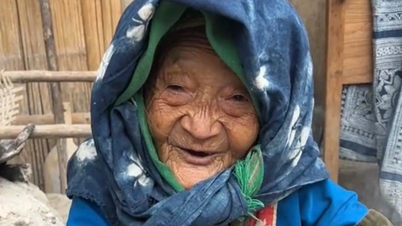
As the winter afternoon slowly descends upon the high mountain peaks, frost silently creeps in from the forest slopes, enveloping the space in a cold, desolate atmosphere. Inside the wooden house, with every crack in the door sealed to keep out the cold, Hờ Thị Pàng adds more firewood to the fire. The small flame casts a yellowish light, blending with the weak glow from the electric light bulb powered by a water-powered generator, hanging precariously from the house post. The flickering light barely illuminates the face of the Hmong woman in the fading afternoon light. And that will be the only source of light in every house in Tà Chơ when darkness falls.
Without access to the national power grid, Ta Cho only has small, water-powered generators, and only about half of the households can afford to own one; many families have to share one generator with two or three others. Therefore, the light source is very weak. At night, in this mountainside location, each house is illuminated only by faint, weak specks of light against the thick darkness that envelops them, isolated amidst the vast mountain forest. Without electricity, the lives of the Hmong people in Ta Cho remain full of hardship.
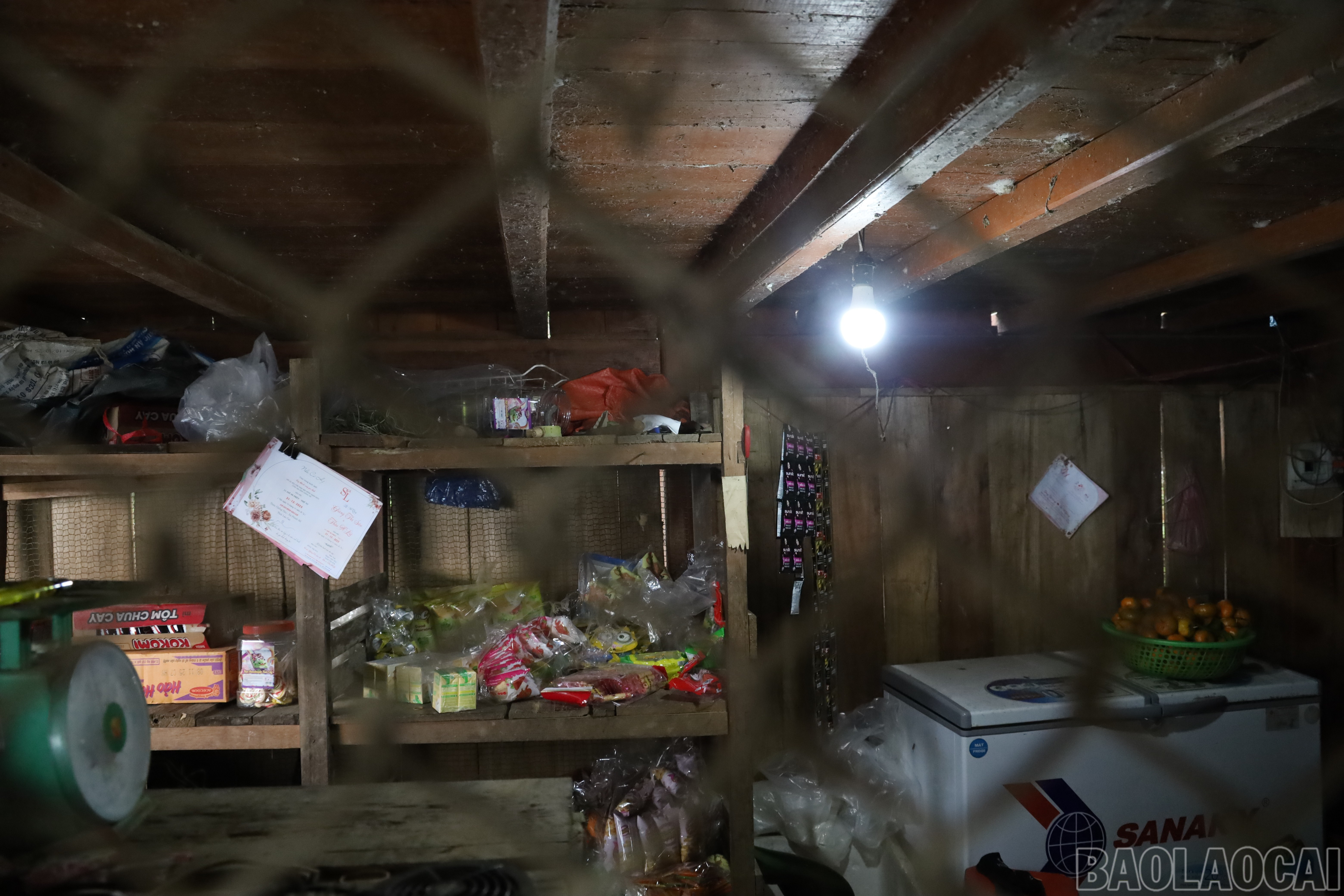

Today, Mr. Sung Bla Chu has to carry his rice all the way down to the town to be milled. Each trip, he can only carry about 50 kg of rice on his old motorbike, traversing a long and treacherous road. Mr. Chu said: "On average, I take the rice to be milled once a week. I have to go on a day when it's not raining, because it's very dangerous on this road when it's raining or windy!" Without electricity, there are no rice milling machines, so the Ta Cho people have to carry each sack of rice down to the town to be milled like this. Therefore, when talking about what it would be like if there were electricity, the first thing the village head, Sung A Sua, mentions is this rice milling.
Once we have electricity, I'll buy a rice milling machine right away, both to serve my family and to save the villagers from having to transport their rice to the town for milling.
That was the simple dream of the village headman. It wasn't anything grand, just a rice mill so that the villagers wouldn't have to trudge along the mountain road with heavy sacks of rice on their old motorbikes – so they could have rice to eat.
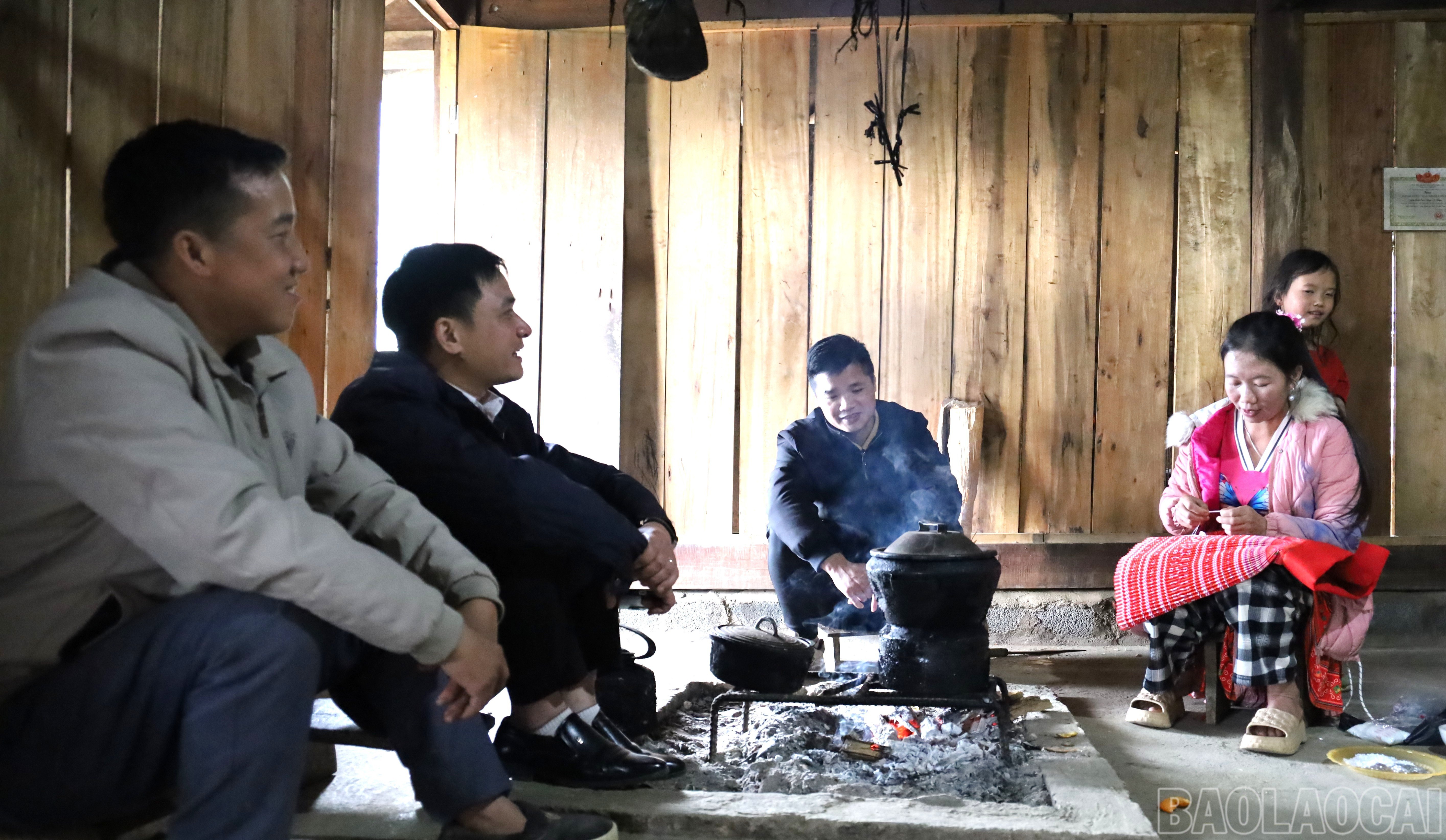
about the difficulties in life.
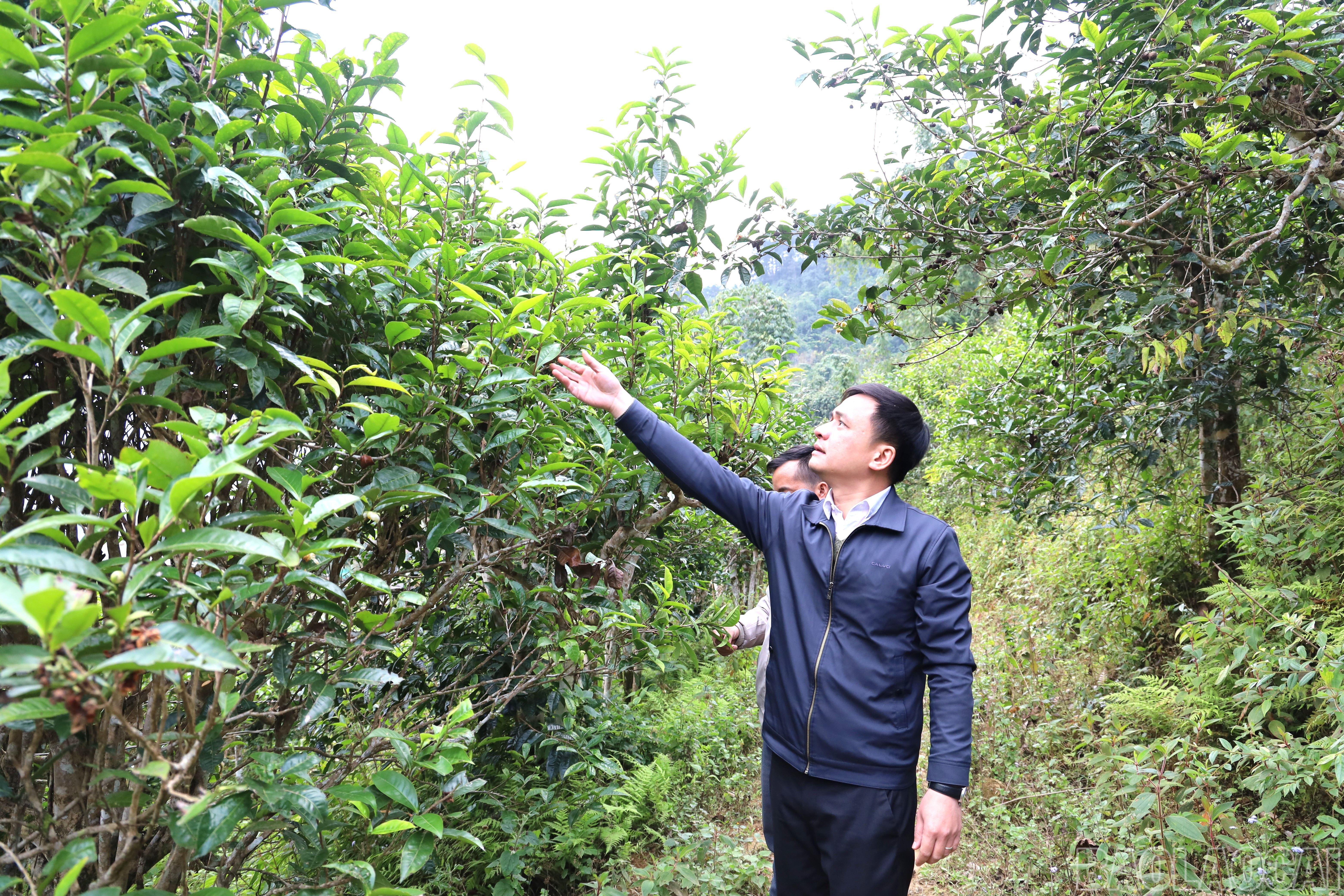
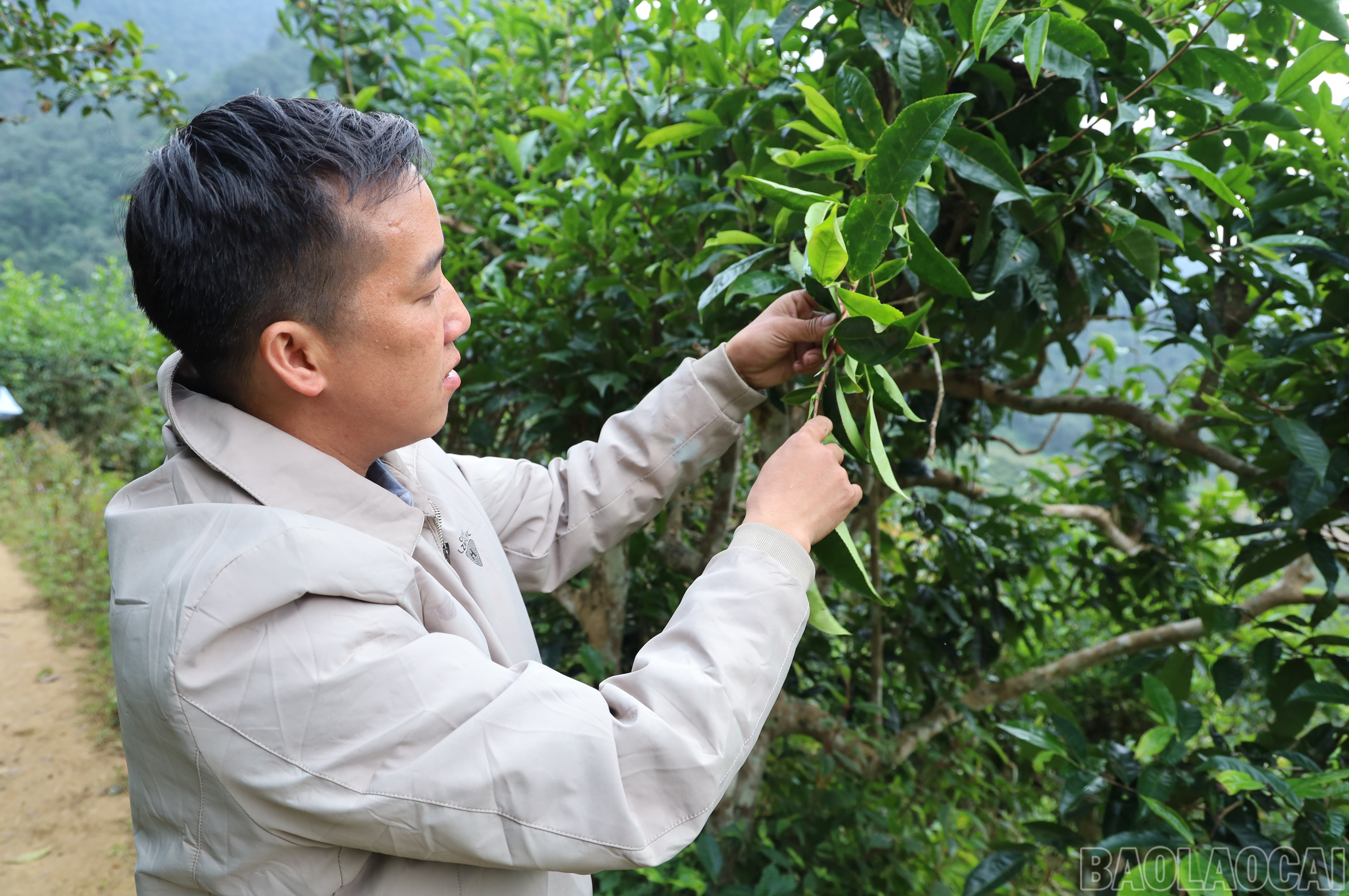
Besides upland rice, the Ta Cho people also cultivate tea, bamboo shoots, and cinnamon. The entire village has over a dozen hectares of Shan Tuyet tea, some of which were planted in the 1990s. The tea leaves, nurtured by dew and sunlight in the mountains, are delicious and nutritious, but without electricity, the harvested leaves must be transported fresh to the town and sold wholesale to buyers for eight thousand dong per kilogram.
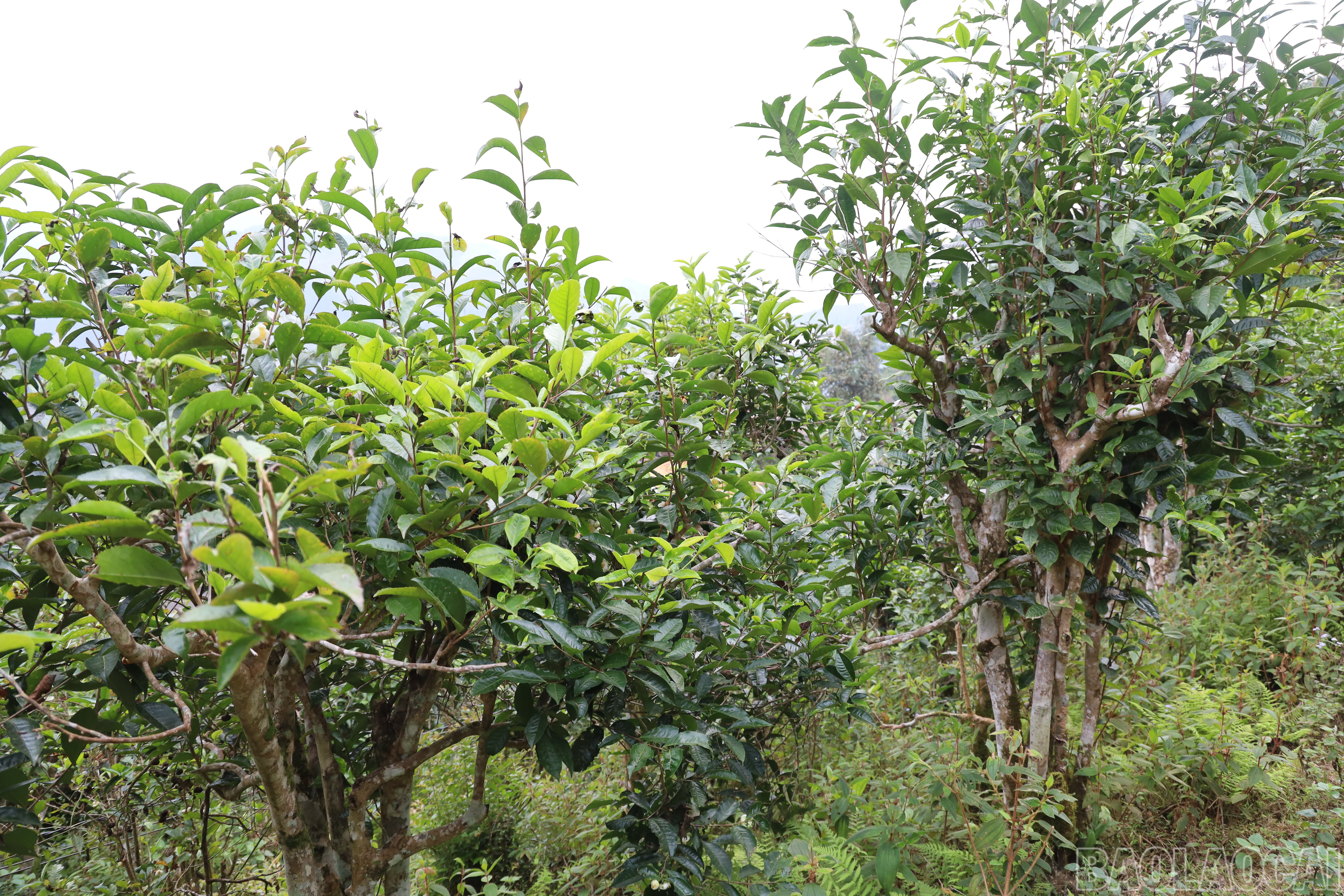
Village head Sua recounted: "Each time I could only carry one sack, about fifty kilograms, which sold for about four hundred thousand dong, but fifty thousand dong was spent on gasoline."
A Súa's family owns two thousand square meters of tea plantations, yielding about three hundred kilograms each harvest, requiring five to seven trips to sell the tea. There are three tea harvests a year. That means A Súa has to make about twenty trips selling tea along that narrow, thread-like road each year. But if they had electricity, selling tea wouldn't be so arduous anymore.
Village head Sung A Sua's eyes lit up with hope for a different future for Ta Cho tea with electricity. "With electricity, we'll be able to process the tea. If we process it, we won't have to transport it to sell as many times as we do with fresh leaves. Not to mention, dried processed tea will definitely have a much higher economic value than fresh tea."
Súa added excitedly, "Regarding the tea processing, Mr. Hai has already discussed it with me."
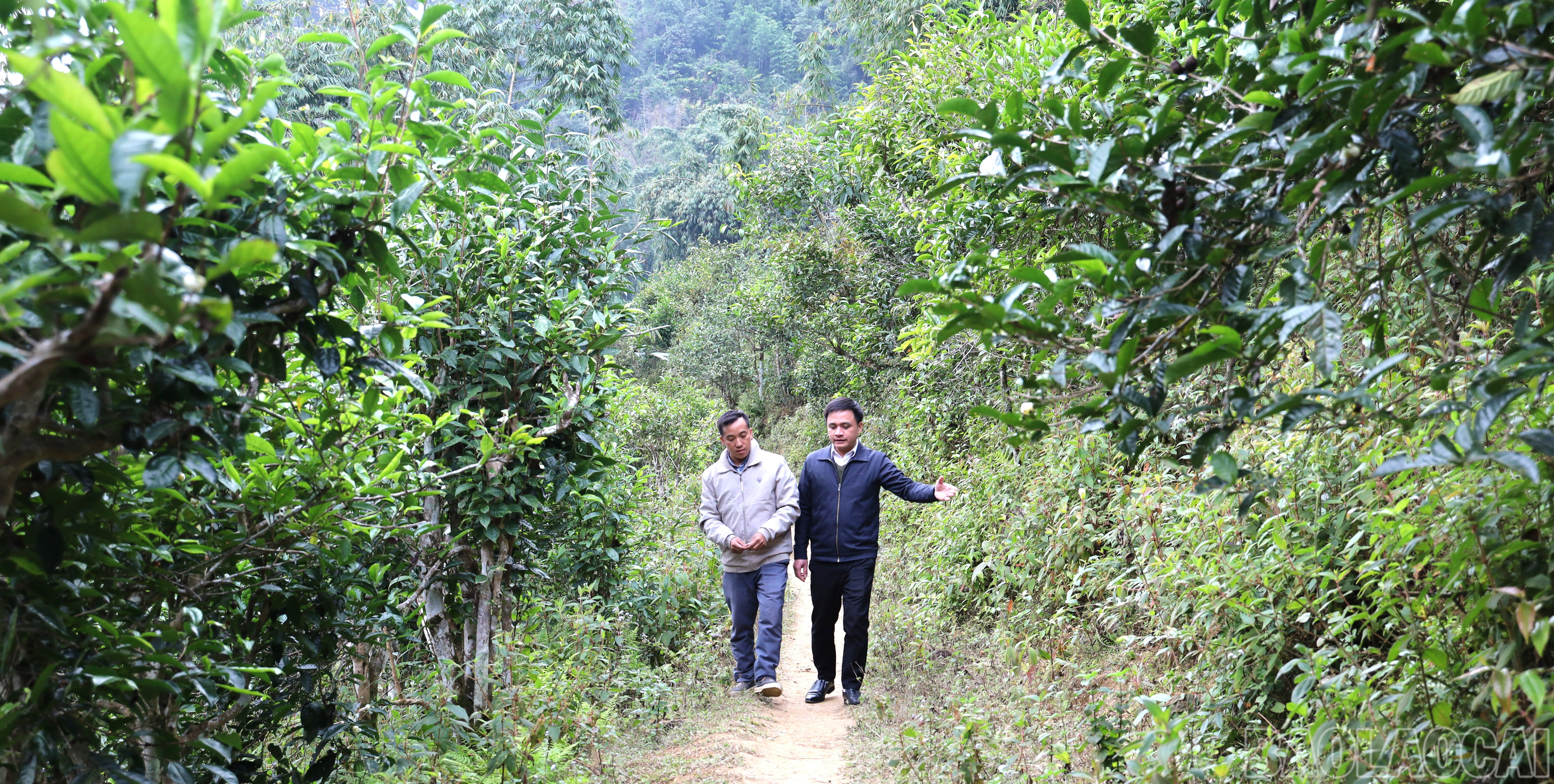
The head of Ta Cho village, Sung A Sua (left), discusses the development direction of tea cultivation.
Mr. Hai is the Vice Chairman of the People's Committee of Nguyen Van Hai commune - a man who has traveled that winding road to Ta Cho many times, and knows the difficulties and hardships of the Ta Cho people like the back of his hand.
If electricity is available, the commune will provide training for the villagers on the techniques of roasting and processing Shan Tuyet tea. This area has dozens of hectares of valuable ancient tea trees that have not been exploited to their full potential. With electricity, the villagers will learn how to create specialty products with their own local brand, gradually developing the local economy," shared Vice Chairman Nguyen Van Hai about the commune's plans for Ta Cho.
With increased income from Shan Tuyet tea, and the expansion of bamboo shoot and cinnamon cultivation areas, which are being planted more and more by the people, perhaps the economic life of the Ta Cho people will see new positive developments.
Beyond matters of rice and tea leaves, deep within the village chief's eyes lies another yearning: electricity—a yearning for information. To this day, the only way to connect with the outside world in Ta Cho is with a mobile phone. But besides the intermittent signal causing unreliable internet access—charging the battery is also a major problem.
"We have to take advantage of charging during the day, when no lights are on, so that the power is focused solely on the phone. If there's plenty of water and the generator is running strong, it takes about an hour. If the power is intermittent, it can take two or three hours to fully charge the battery. Not to mention the times when there's no power at all, making charging impossible," Sung A Sua recounted.
Súa spoke about her wishes: to have electricity, to earn more money selling tea, and for the Ta Cho people to buy televisions so they could listen to current events, learn more about the policies and guidelines of the Party and the State, and access more official sources of information.
Things will get better and better.
In Ta Cho, perhaps village head Sung A Sua is one of the people who goes to town the most. On those journeys, he encounters the dazzling night lights of the city, the long stretches of brightly lit roads, shops overflowing with blinding fluorescent lights, and houses with warm light emanating from their windows. He longs for his village to one day have access to the national power grid. For Sua and the people of Ta Cho, electricity is not just a source of light at night; it is a ray of hope for dreams of a better life and production, starting from the simplest things.
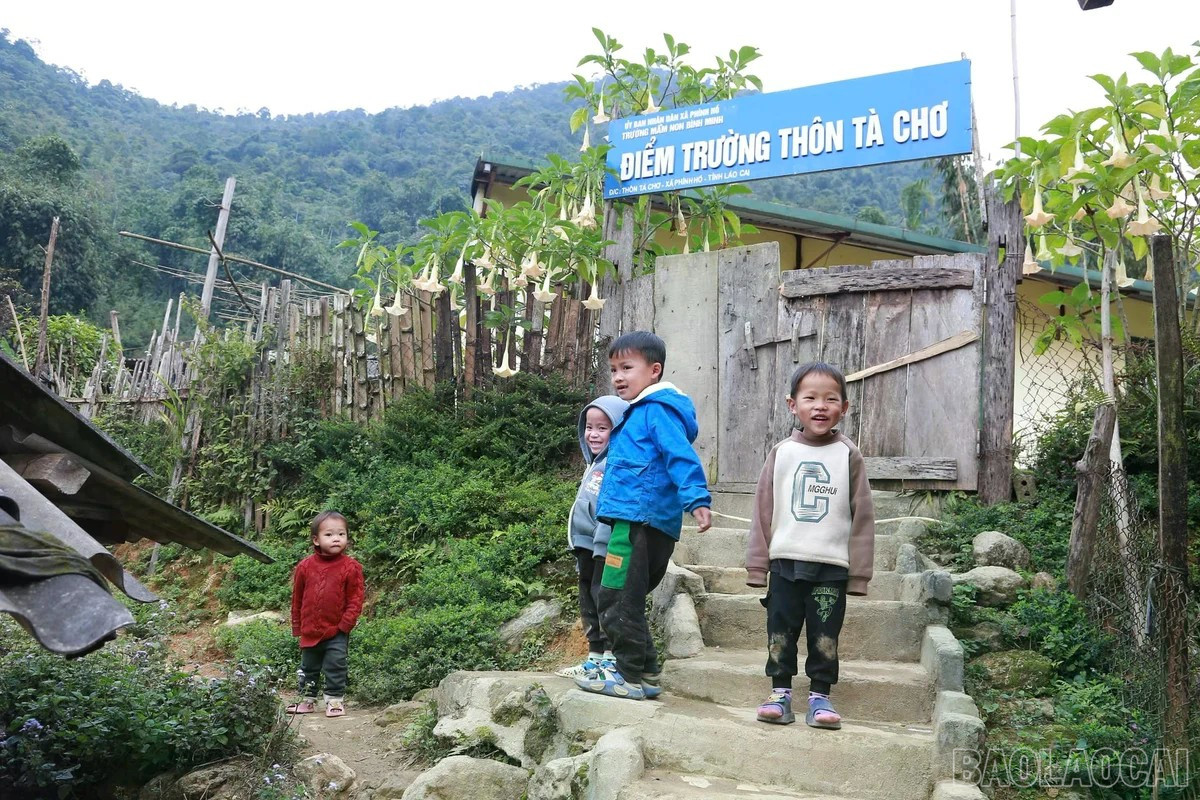
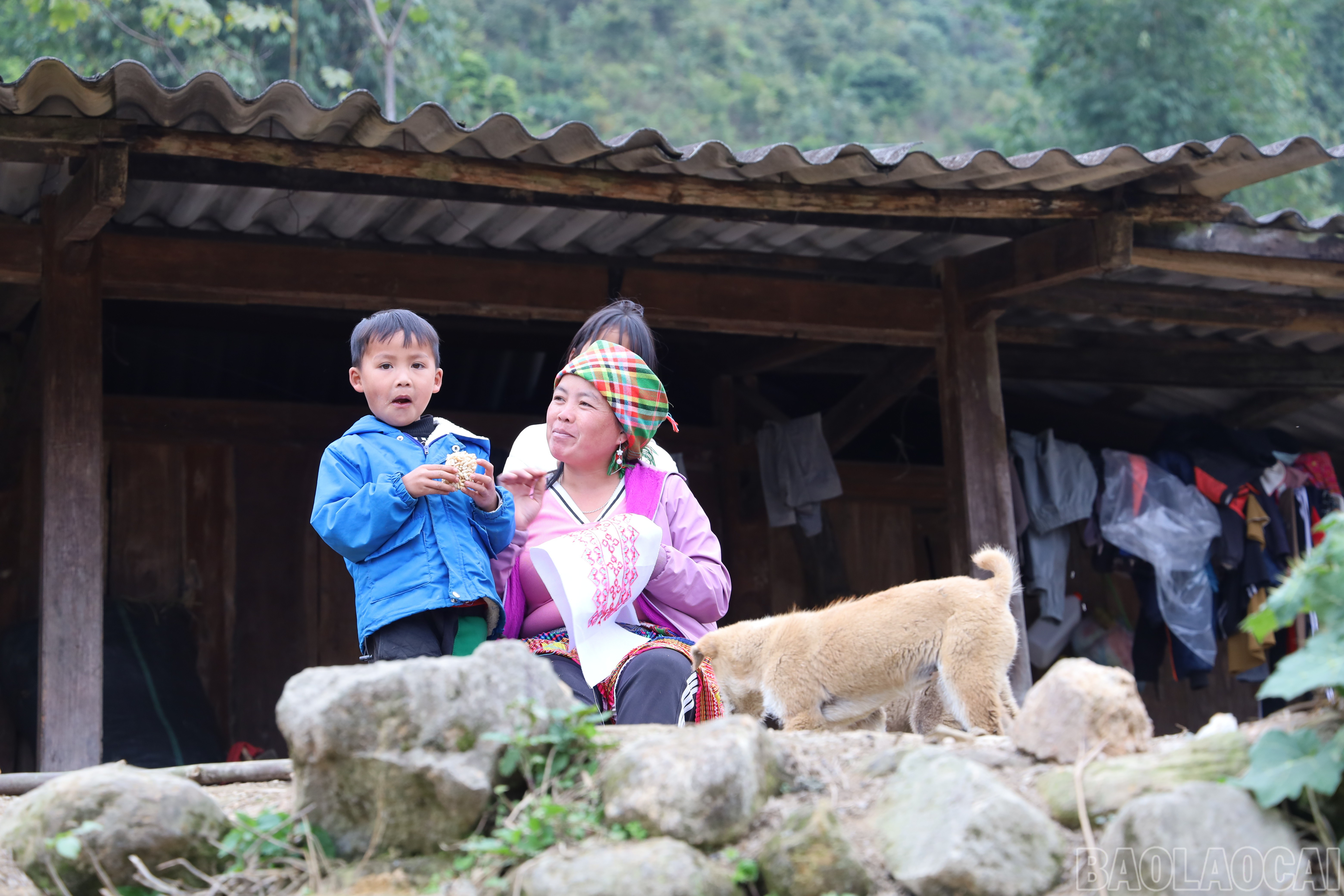
Night silently descends upon Ta Cho. Midway up the mountain, faint specks of light flicker beneath the rooftops, weak and fragile amidst the vast darkness. Yet, hidden behind each dim light are beliefs and aspirations that have never faded. These are beliefs that one day Ta Cho will shine brighter, thanks to the care of the Party and the State, not just through electricity, but also through the dreams and hopes for a better life for the Hmong people in this remote mountaintop.
Source: https://baolaocai.vn/ta-cho-khat-dien-post891356.html















































![[Photo] Celebration of the 75th anniversary of the first issue of Nhan Dan Newspaper](https://vphoto.vietnam.vn/thumb/402x226/vietnam/resource/IMAGE/2026/03/11/1773213390692_7-1859.jpeg)
















Comment (0)