

This represents a fundamental change in tax administration methods, a step forward in ensuring fairness, transparency, and modernization of the national financial system, fostering sustainable revenue sources.
The aforementioned transformation does not increase administrative procedures but rather represents a change in approach and trust, based on real data, electronic invoices, and transparent cash flow. Over the past period, numerous preparatory activities have been widely implemented, including hundreds of conferences and in-person training courses; many localities have encouraged banks to open accounts for business households, provide free accounting software, and guide the use of electronic invoices. A campaign titled "60-Day Intensive Support for Business Households in the Transformation" has been launched, creating the most favorable conditions for people to become familiar with the new management method.
However, for the policy to be effectively implemented, the challenges must be frankly acknowledged. Notably, the long-standing habit of using cash in business transactions makes many households hesitant to keep records and anxious about the tax declaration process. Furthermore, many are accustomed to fixed annual tax rates, so when switching to tax calculation based on invoices and actual revenue, they become apprehensive, especially small-scale businesses and those operating in local markets. Without adequate and appropriate support, they may feel passive, affecting the progress of policy implementation.
In this context, a comprehensive set of solutions is needed to enhance the feasibility and effectiveness of the policy. First, the tax declaration process needs to be simplified as much as possible and made user-friendly. The tax declaration application must have clear, easy-to-use steps; it should be able to automatically aggregate invoice data, suggest periodic declarations, and remind users of deadlines.
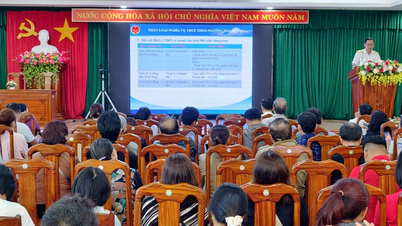
Furthermore, it is necessary to expand the model of direct support to residential areas, markets, and small businesses. Experience shows that hands-on guidance sessions are highly effective, helping people feel confident in the transition. Local tax authorities can coordinate with social organizations, women's unions, and youth organizations to establish fixed consultation points, providing real-time answers to questions and building trust and consensus.
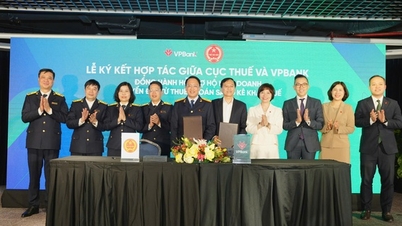
Another crucial factor is the strong promotion of cashless payments. When all transactions are recorded through banking systems or QR codes, tax filing becomes simpler and more accurate. Programs encouraging consumers to request receipts, earn reward points, or receive discounts when paying electronically can create a ripple effect, naturally contributing to expanding the tax base.
Furthermore, the information technology infrastructure must be ensured to operate smoothly. The eTax Mobile application, the electronic invoicing system, and payment platforms need to be upgraded to operate stably even during peak periods. A smooth system will give taxpayers peace of mind, avoiding technical errors that cause disruptions or make them feel hesitant...
Communication also plays a crucial role. Many business owners are still worried that abolishing the lump-sum tax will mean an increase in the amount of tax they have to pay. The Tax Department needs to clearly inform taxpayers that the amount of tax depends on actual revenue, thereby ensuring fairness between different sectors and between business households and enterprises. When taxpayers understand the true nature of the process, they will proactively participate, instead of being apprehensive or evasive.
The shift from lump-sum taxation to declaration-based taxation is an inevitable step in the modernization of the national financial system. If implemented properly, this policy will not only create a more transparent and professional business environment but also contribute to fostering sustainable revenue sources, supporting the country's high growth targets in 2026 and subsequent years.
Source: https://hanoimoi.vn/tao-niem-tin-va-dong-thuan-723829.html




























![[Photo] New recruits happily exercise their right to vote at their unit.](https://vphoto.vietnam.vn/thumb/1200x675/vietnam/resource/IMAGE/2026/03/14/1773473286544_stug0337-6388-jpg.webp)






















































Comment (0)