Green tourism is no longer just a trend, but is becoming an essential requirement in the context of climate change, environmental pressures, and changing tourist demands. In recent years, more and more tourists have prioritized destinations that are environmentally responsible, preserve culture, and develop in harmony with local communities.
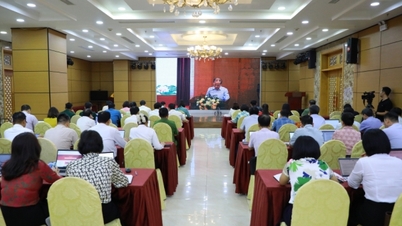
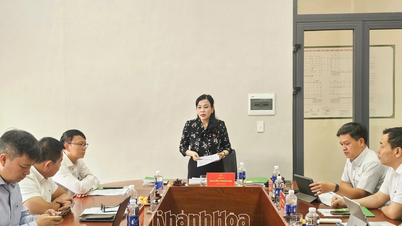
Recognizing this trend, the Quang Ninh Tourism Association, in collaboration with the Vietnam Tourism Association, recently organized a seminar to introduce the "VITA Green Tourism" criteria for tourism businesses in the area. According to Mr. Nguyen Ba Dung, Vice President of the Vietnam Tourism Association, the criteria focus on environmental protection, efficient resource utilization, preservation of local culture, and social responsibility. When applied, businesses will not only improve product quality and optimize operating costs but also build a sustainable brand, meeting the market's green consumption trend. The implementation of these criteria is expected to contribute to enhancing the competitiveness of Quang Ninh tourism in the new era.

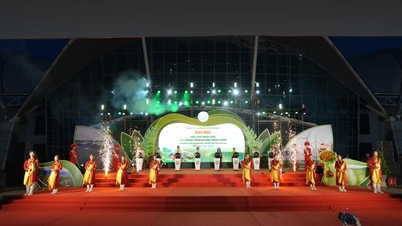
Notably, Quang Ninh was also selected to host the National Green Tourism Forum in 2026, further affirming its leading role in the green transformation of Vietnam's tourism industry. The forum aims to create a shift from awareness to action, promoting the development of Vietnam's tourism image in a sustainable direction, in line with international trends.



According to the Quang Ninh Provincial Planning for the period 2021-2030, with a vision to 2050, the development of ecotourism and community-based tourism is identified as one of the strategic priorities, linked to biodiversity conservation and green economic development.
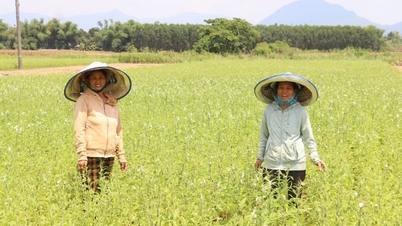
Throughout the province, many green tourism models are gradually taking shape, creating livelihoods for the people while contributing to resource conservation. In Binh Lieu, community-based tourism activities associated with the culture of the Dao, Tay, and San Chi ethnic groups are increasingly attracting tourists. In Dong Trieu, the rural tourism model combining agriculture and culture offers visitors intimate experiences such as farming, enjoying local specialties, and watching water puppet shows. Meanwhile, Co To is becoming one of the pioneering localities with the goal of building a plastic-free island...
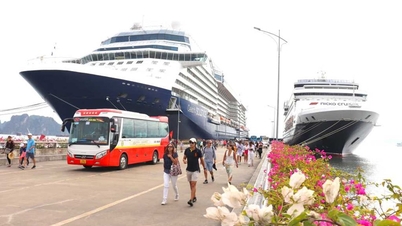
In Ha Long Bay itself, many tourism businesses are proactively transitioning towards a greener direction, gradually using environmentally friendly materials. Waste management processes, energy saving measures, and restrictions on single-use plastics are being implemented more strictly. These are important steps to preserve the value of the World Natural Heritage site.

What sets Quang Ninh apart is not only its development of green tourism products, but also its strategic approach. Since 2013, the province has set the goal of transforming its development model from "brown" to "green," gradually reducing dependence on mineral exploitation and strongly developing high-quality tourism and services. By 2023, the Sustainable Tourism Recovery and Development Plan further affirmed the goal of developing tourism in a green growth direction, linked to nature conservation and the promotion of traditional cultural values.
According to experts, green tourism is helping Quang Ninh transform its model. The locality focuses on increasing the value of the experience, extending the length of stay, and raising the spending level of tourists. At the same time, the province emphasizes conservation as a guiding principle; minimizing conflicts between economic development and heritage preservation.



By 2030, with a vision extending to 2045, the province aims to become a leading center for green tourism and coastal and island tourism in the country, gradually expanding its reach internationally. To realize this goal, a new value chain is emerging with high-end resort products, MICE tourism, health and wellness tourism, cultural tourism, festivals, and ecotourism... targeting high-spending tourists who stay for extended periods. Alongside this is the development of sustainable infrastructure, inter-regional connectivity, and a civilized night-time economy, while effectively controlling environmental impacts.
Source: https://baoquangninh.vn/tao-suc-hut-tu-du-lich-xanh-3413531.html