Given limited fiscal resources, Bangkok aims to address pressing issues while simultaneously promoting structural reforms to generate long-term growth momentum.
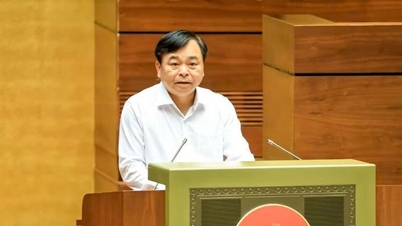
Speaking at a House session considering the 2027 fiscal year budget bill, Thai Deputy Prime Minister and Minister of Commerce Suphajee Suthumpun said that the country's economy is being simultaneously impacted by several adverse external factors and structural domestic constraints.
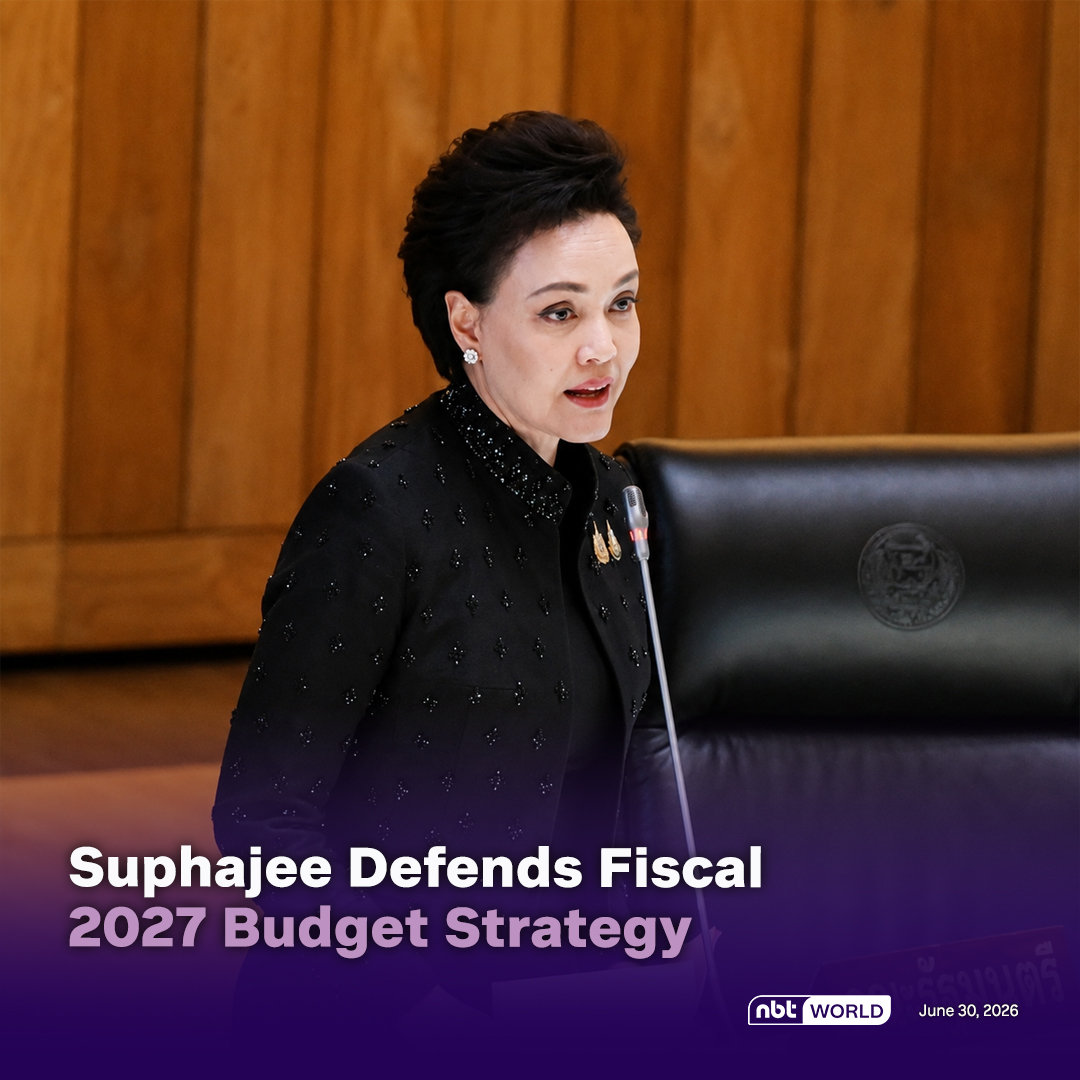
According to Suphajee Suthumpun, the four major challenges today are geopolitical instability, conflicts in the Middle East, the aging population, and being trapped in the middle-income trap. These factors are occurring against a backdrop of increasingly limited budgetary space, requiring the government to balance the goals of maintaining growth and ensuring fiscal discipline.
Ms. Suphajee emphasized that the government needs to simultaneously address immediate issues and implement long-term structural reforms, while acknowledging that many accumulated problems over many years cannot be resolved in the short term.

According to the Thai Ministry of Commerce, geopolitical tensions and polarization among major economies are increasing risks to international trade. Meanwhile, conflicts in the Middle East continue to cause significant volatility in energy prices, transportation costs, and cargo insurance premiums, thereby increasing pressure on import and export activities and supply chains.
Another challenge is the rapidly aging population, which poses a risk of labor shortages in the job market. According to Ms. Suphajee, Thailand needs to strengthen training and skills development for its workforce, especially in technology and innovation, in order to improve productivity and the competitiveness of the economy.
Referring to the agricultural sector, she stated that it currently contributes less than 10% of GDP but employs over 30% of the workforce. This reflects a significant productivity gap between economic sectors. Therefore, the government will promote improved production and consumption efficiency across the entire agricultural value chain, rather than focusing on supporting individual commodities.
Regarding the rice market, the Thai Deputy Prime Minister noted that the surplus supply this year has decreased compared to last year, creating more favorable conditions for prices. The government will continue to implement measures to maintain market stability, in accordance with market mechanisms and budgetary balance.
Ms. Suphajee also stated that the small and medium-sized enterprise (SME) sector currently contributes approximately 35% of GDP, while the government's goal is to increase this figure to at least 40%. According to her, developing the SME sector will play a crucial role in promoting innovation, creating jobs, and helping the economy gradually overcome the middle-income trap.
Against this backdrop, the Thai government is pushing ahead with its fiscal year 2027 budget, estimated at around 3,788 trillion baht. While maintaining spending geared towards growth support, Bangkok aims to keep the budget deficit lower than in previous years, while tightening fiscal discipline and prioritizing high-yield investments.



The government is also promoting the application of "zero-based budgeting" methods, requiring ministries and agencies to review the necessity of each spending program in order to use public resources more effectively in the context of a still uncertain global economy.
Source: https://daibieunhandan.vn/thai-lan-doi-mat-voi-bon-thach-thuc-ve-kinh-te-10422187.html



![[Image] National conference summarizing one year of operation of the overall organizational model of the political system, the three-tiered government model.](https://vphoto.vietnam.vn/thumb/1200x675/vietnam/resource/IMAGE/2026/07/01/1782882811691_ndo_br_1-jpg.webp)