

 |
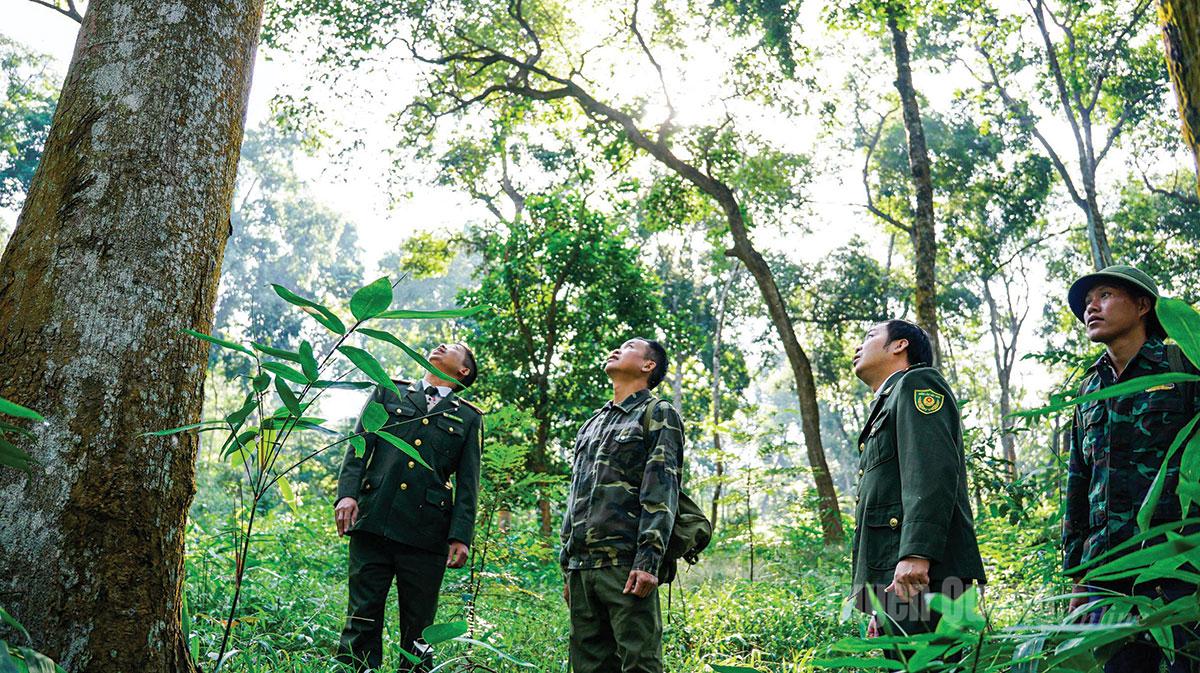
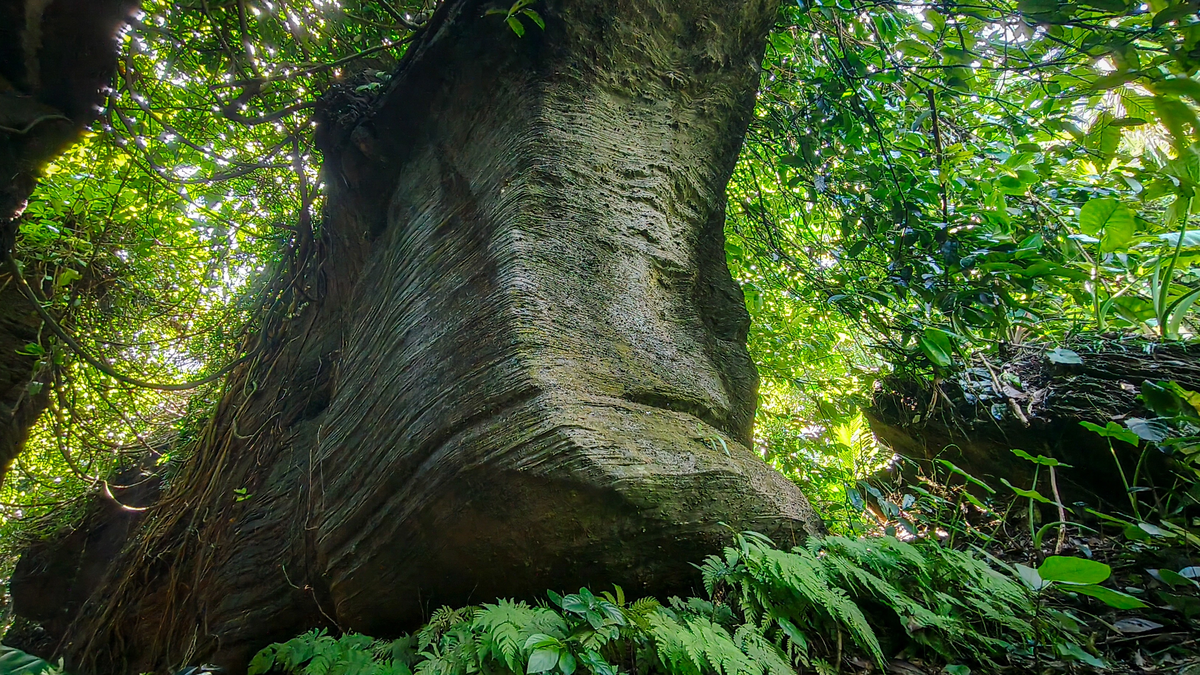
| Tan Trao currently preserves many ancient trees that are hundreds of years old. |
Data from the Forest Protection Department of Region I shows that the Tan Trao Special Use Forest covers more than 4,000 hectares, home to 734 plant species belonging to 456 genera and 143 families – a very large number for a forest of relatively small size. Among them, 26 species are listed in the Vietnamese Red Book, including rare species such as the Chinese honey locust, Gynostemma pentaphyllum, and Dalbergia tonkinensis. These species have special ecological and medicinal value, contributing to the uniqueness of the Northern Vietnam ecosystem. The fauna is equally diverse, with 33 mammal species, including several rare and ecologically valuable species such as the civet, palm civet, wild cat, hairy-eared flying squirrel, and slow loris. The presence of these species indicates that the forest has maintained its natural structure with minimal impact.
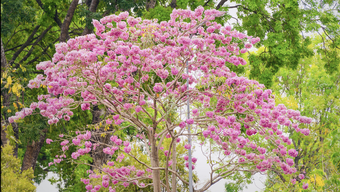
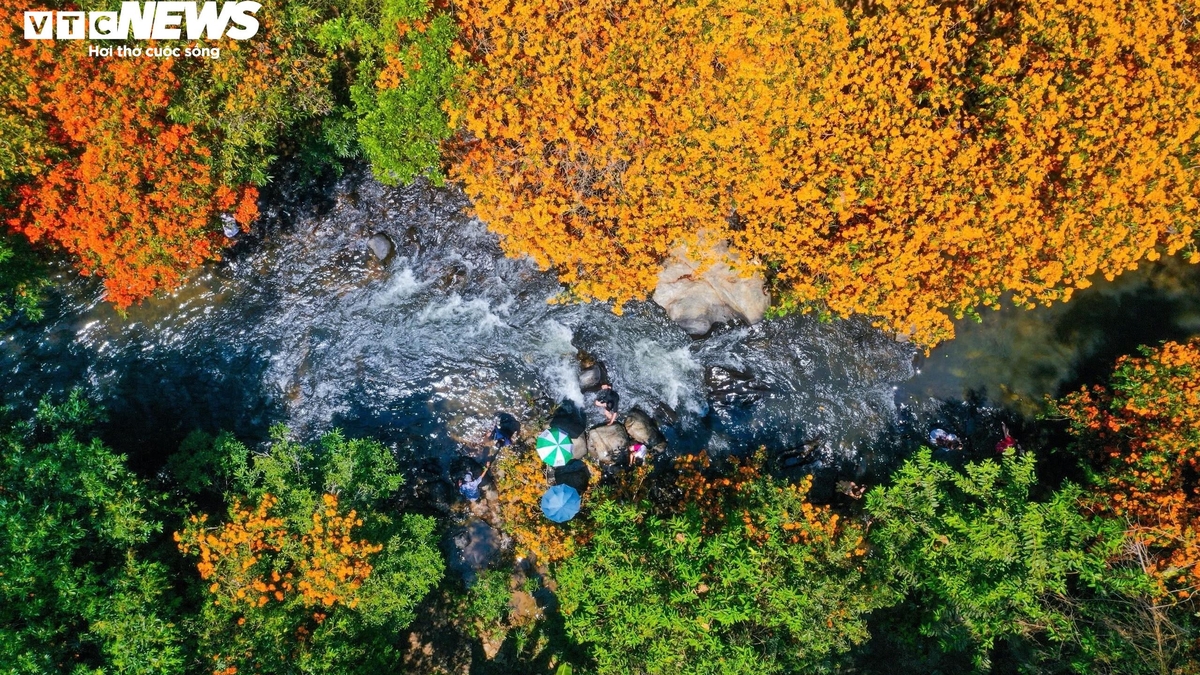
In the Tan Trao forest, there are agarwood, ironwood, and green lim trees reaching dozens of meters high. Within these green patches, you occasionally see native purple phantom trees or yellow-flowered lim xet trees, creating a shimmering, romantic forest. Beneath the canopy lies a vast treasure trove of medicinal herbs such as Gynostemma pentaphyllum, Angelica sinensis, and Panax pseudoginseng... along with various animals and birds, which, while not endemic, are quite abundant and diverse.
Having been involved in forest protection for nearly 20 years, Mr. Hoang Van Le from Tan Lap village said: "Protecting the forest is not just a job, but also a passion. In Tan Lap, every month, three or two people take turns patrolling the assigned forest area. When patrolling, the group follows a route, from their own household's area to the neighboring household's. In one day, they can cover the area of three households. Each household here manages nearly 30 hectares, not just their own village but all three villages of Tan Lap, Lung Bung, and Mo Che, all of which are special-use forests, with the rest being production forests. For the people of these former war zone communes, protecting the forest is a love, a responsibility, and a duty, so they consider it a matter of course. Anyone who violates the law will be condemned by the community, and then the law will deal with them strictly."
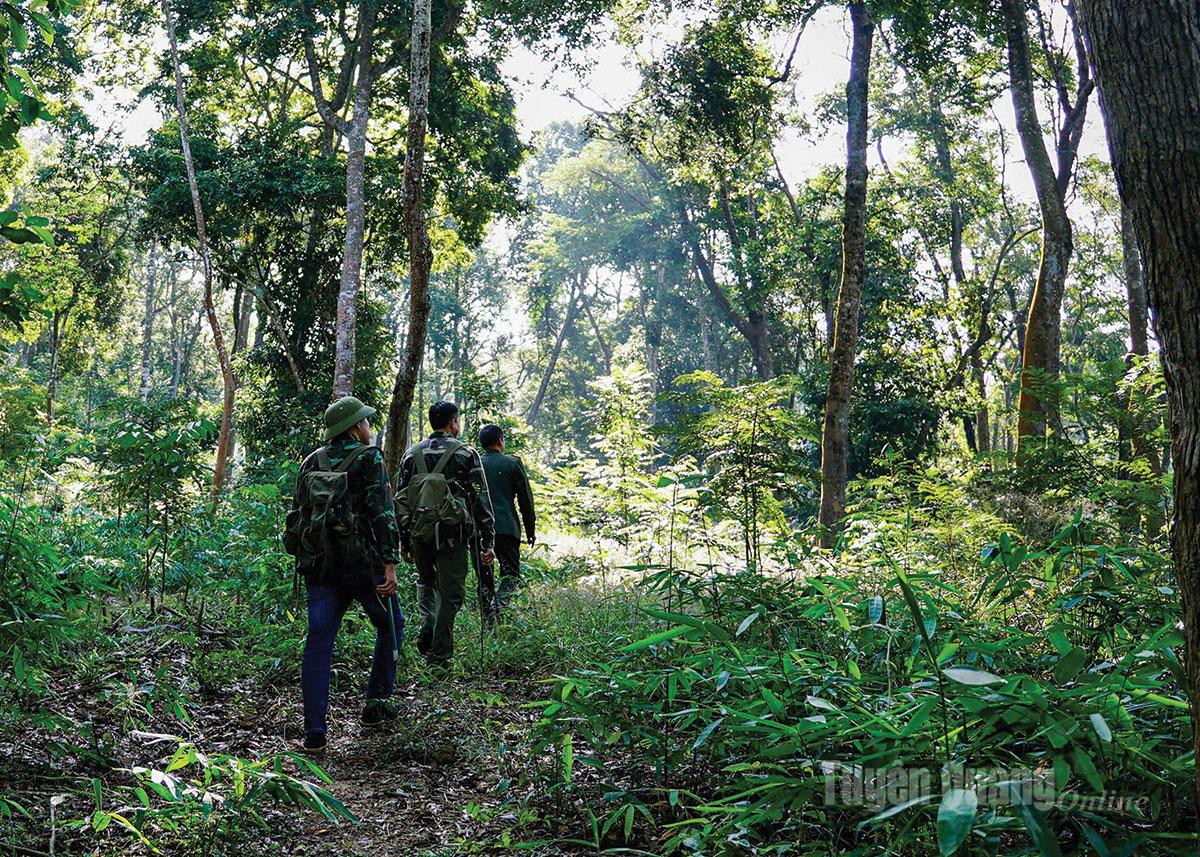 |
| Forest patrols are a regular activity in Tan Trao. |
Creating livelihoods for the people.
After the merger, Tan Trao commune added Kim Quan and Trung Yen communes. With its vast territory, large forest area, and numerous historical relics, forest conservation remains a challenging task. Nguyen Cong Phuong, Deputy Head of the Forest Ranger Station Region I, who has spent more than half his life working with the forest, explains that the large area, sprawling forests, and many mountainous regions make inspection and patrolling difficult, especially during the rainy season or periods of high forest fire risk. Facing these difficulties, and adhering to the national digital transformation policy, the Forest Ranger Station Region I has intensified the application of information technology in forest management. Specialized software for monitoring forest changes, digital maps, and forest resource databases are regularly used. GIS technology and GPS positioning devices help forest rangers determine boundaries, monitor current conditions, and organize patrols more effectively.
Accompanying reporters on a tour of the forest, Mr. Nguyen Cong Phuong affirmed: "These programs have helped improve people's lives and also made them more responsible in protecting the forest." For many households, protecting the forest is not only a duty but also a stable source of income from forest protection contracts, from harvesting non-timber forest products, or participating in forest fire prevention and control teams. When people directly benefit from the forest, they will voluntarily protect it better than anyone else.
Right in Tan Lap village, residents are benefiting from the State's forest protection contract policy, which has provided them with additional income and increased their responsibility towards the forest. Awareness campaigns are integrated into village meetings, solidarity days, and women's activities. The forest protection team regularly reminds villagers not to bring fire into the forest, especially during the dry season, particularly in March and the lean months. Awareness is also conducted through Zalo and Facebook groups within the village, in coordination with the Regional Forest Protection Unit I, to protect rare trees and preserve the forest's "heritage."
Everyone is aware that protecting forests is protecting life. Only when the forests are green can the historical sites retain their original value. This is also a way to educate the younger generation about revolutionary traditions and express gratitude to the older generations who sacrificed for national independence. When the forests are kept green, tourists will see beautiful, natural scenery. Streams won't dry up, and the forests will retain water. For example, a two-day, one-night tour to the summit of Hong Mountain offers stunning views of the forest, majestic like something out of a movie, which tourists really enjoy," Mr. Phuong emphasized.
Notes by: Le Duy
Source: https://baotuyenquang.com.vn/phong-su/202512/tham-lang-giu-rung-tan-trao-9c17ac2/
![[Photo] A vibrant celebration of generations of Nhan Dan Newspaper staff](https://vphoto.vietnam.vn/thumb/1200x675/vietnam/resource/IMAGE/2026/03/11/1773228432744_cb-75-nam-7-7034-jpg.webp)

















































































Comment (0)