

Regarding a series of "bottlenecks," some of which have lasted for years, at the first quarter 2024 press conference of the Ministry of Culture, Sports and Tourism, the Director of the Cinema Department, Vi Kien Thanh, answered questions from the press about the "hot" issues in the industry that are attracting public attention.
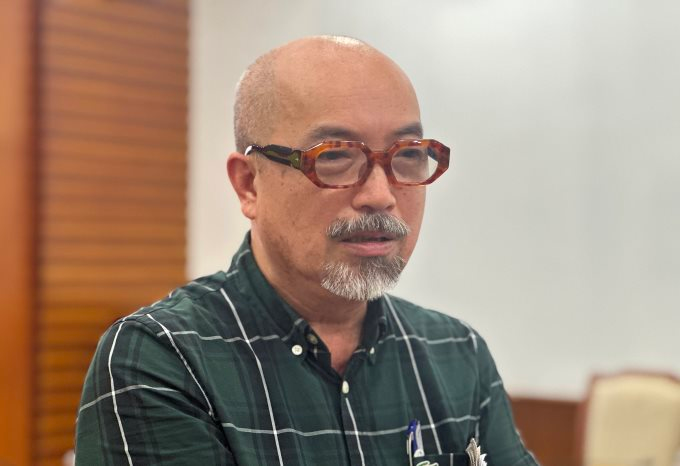
Director of the Vietnam Film Department, Vi Kien Thanh, answers questions from the press .
Specifically, at a press conference regarding the long-standing "commotion" surrounding the privatization of the Vietnam Feature Film Studio, including the proposed divestment by the investor Vivaso, the Director of the Cinema Department stated that this is a very complex and difficult issue, and will have to be implemented in accordance with the conclusions of the Government Inspectorate . In particular, due to the "complications" at the Film Studio, 300 films were not preserved and were damaged. The Director said that previously, films were produced and distributed, and one copy was retained, but those copies are damaged. The original negatives of all 300 films are stored at the Vietnam Film Institute. Artists from the Vietnam Feature Film Studio have repeatedly proposed restoring the 300 damaged films, but I replied that it's not possible because they are moldy and completely ruined. Restoration shouldn't be considered because the originals are at the Film Institute; what's the point of restoration if it's costly, and who can afford it?
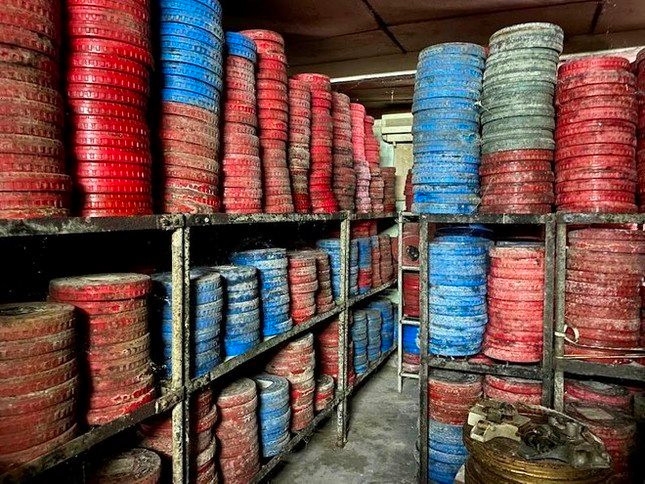
300 films were damaged at the Vietnam Feature Film Studio.
“The Department of Cinema has repeatedly responded regarding the number of damaged films. The films at the studio are archived copies, kept for future use; the originals are stored at the Vietnam Film Institute. Some employees at the film studio have repeatedly suggested restoring the damaged films, however, recovery is impossible. We shouldn't even consider this, because the original copies of the films are still preserved at the Vietnam Film Institute. This information has been released by the Vietnam Film Institute, and leaders from the Ministry of Culture, Sports and Tourism have personally inspected and worked on the archiving process,” said a leader of the Department of Cinema.
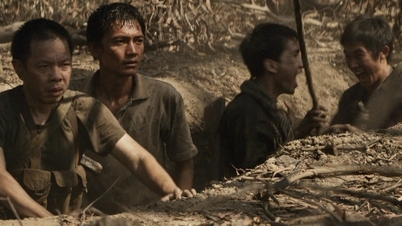
Also at the press conference, regarding the success of the film "Dao, Pho and Piano," film industry leaders stated that it was a well-produced film with a cast that delivered solid performances. Furthermore, "Dao, Pho and Piano" received support from the media and online community despite receiving no funding for promotion or distribution. Notably, the film was released at a favorable time after the Lunar New Year holiday, a period already saturated with other content such as family and social life. It's not easy for a state-commissioned film to achieve all three of these elements.
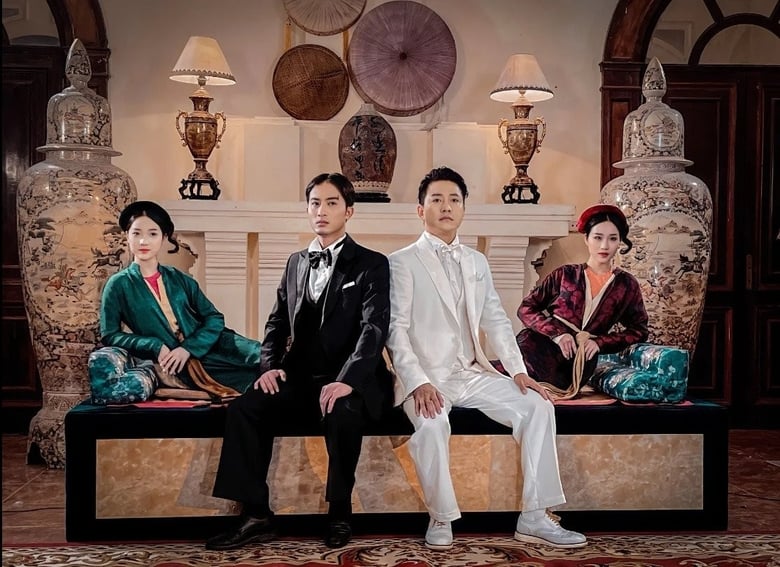
Scene from the film "Peach, Pho and Piano".
Mr. Thanh also informed that the film was sold at half the usual ticket price. If the film had been sold at the normal ticket price, under favorable release conditions, "Dao, Pho and Piano" could have made a profit of 21 billion VND instead of breaking even. Regarding the recent distribution of the film "Dao, Pho and Piano," we had to discuss and negotiate with several units such as Cinestar, Beta, and the National Film Center. They contribute to the film industry and do not benefit in any way from electricity, water, or labor. We only signed contracts with units that agreed to remit 100% of the revenue to the state budget.
However, in response to a question about the "future" of state-commissioned films, the Director stated that these films are currently screened at film weeks and festivals both domestically and internationally, at cultural centers in provinces and cities, and are shown free of charge on television. For example, the film "Peach, Pho, and Piano" is part of a pilot program for theatrical release at the National Film Center, aimed at measuring the revenue-generating potential of state-commissioned films. Throughout the years, the State has commissioned and invested in film production, but has never allocated funds for distribution or promotion. This is because the Film Department does not have the function of film distribution; a separate unit is required. Following the film "Peach, Pho, and Piano," the Film Department proposed to the leaders of the Ministry of Culture, Sports and Tourism the development of a Decree on the distribution and dissemination of films using state budget funds. Previously, due to the lack of specific regulations, film distribution faced many difficulties.
Also at the press conference, regarding the censorship of films on the internet, especially those containing images of the "nine-dash line," the Director of the Department of Cinema explained that due to limited personnel, only 10 officials are responsible for the inspection. They are divided into two shifts per day, reviewing about five films per shift, and are frequently overloaded. Previously, the Department of Cinema had proposed a reward of 200,000 VND for those who discover films containing the "nine-dash line," but it was not approved. The film industry leader also hopes that viewers will be more self-aware and speak up when they discover violations.
Source



![[Image] National Assembly discusses the implementation of the socio-economic development plan.](https://vphoto.vietnam.vn/thumb/1200x675/vietnam/resource/IMAGE/2026/04/20/1776696707422_ndo_br_img-20260420-185419-jpg.webp)
![[Photo] General Secretary and President To Lam meets with National Assembly delegates from ethnic minorities.](https://vphoto.vietnam.vn/thumb/1200x675/vietnam/resource/IMAGE/2026/04/20/1776696701056_a1-bnd-8331-3342-jpg.webp)




















































































Comment (0)