The mountain mist had just lifted. From within the communal house, the village elder Cơlâu Blao, from Voòng village, hastily donned a cloak woven from tree bark, a necklace of animal tusks around his neck, and beat the drum loudly to signal the auspicious hour. The sound of the K'thu drum echoed through the pine forest, lingering as if calling the descendants to return and witness the ritual of worshipping the gods. The communal gathering began. After the elder's drum signal, the rope tying the buffalo to the X'nur pole (the ceremonial pole) was strung high. Groups of people bowed low as they passed over it, sending with them wishes for peace and prosperity…
The vow to protect the forest
A sacred circle gradually closed. After the ritual of offering sacrifices to the gods, dozens of artisans, from village elders to young men and women, in traditional costumes, joined in the tang tung da da dance, forming a large circle in front of the Pơ Mu eco-tourism village. Following the rhythm of this "dance offered to heaven," Elder Cơlâu Blao and the older artisans added to the music of the forest, the melodious sounds of flutes and horns echoing in the mountain mist.
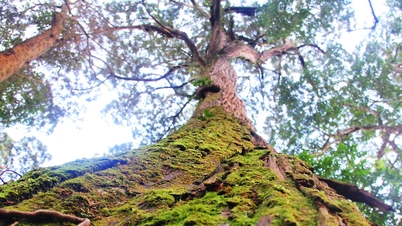
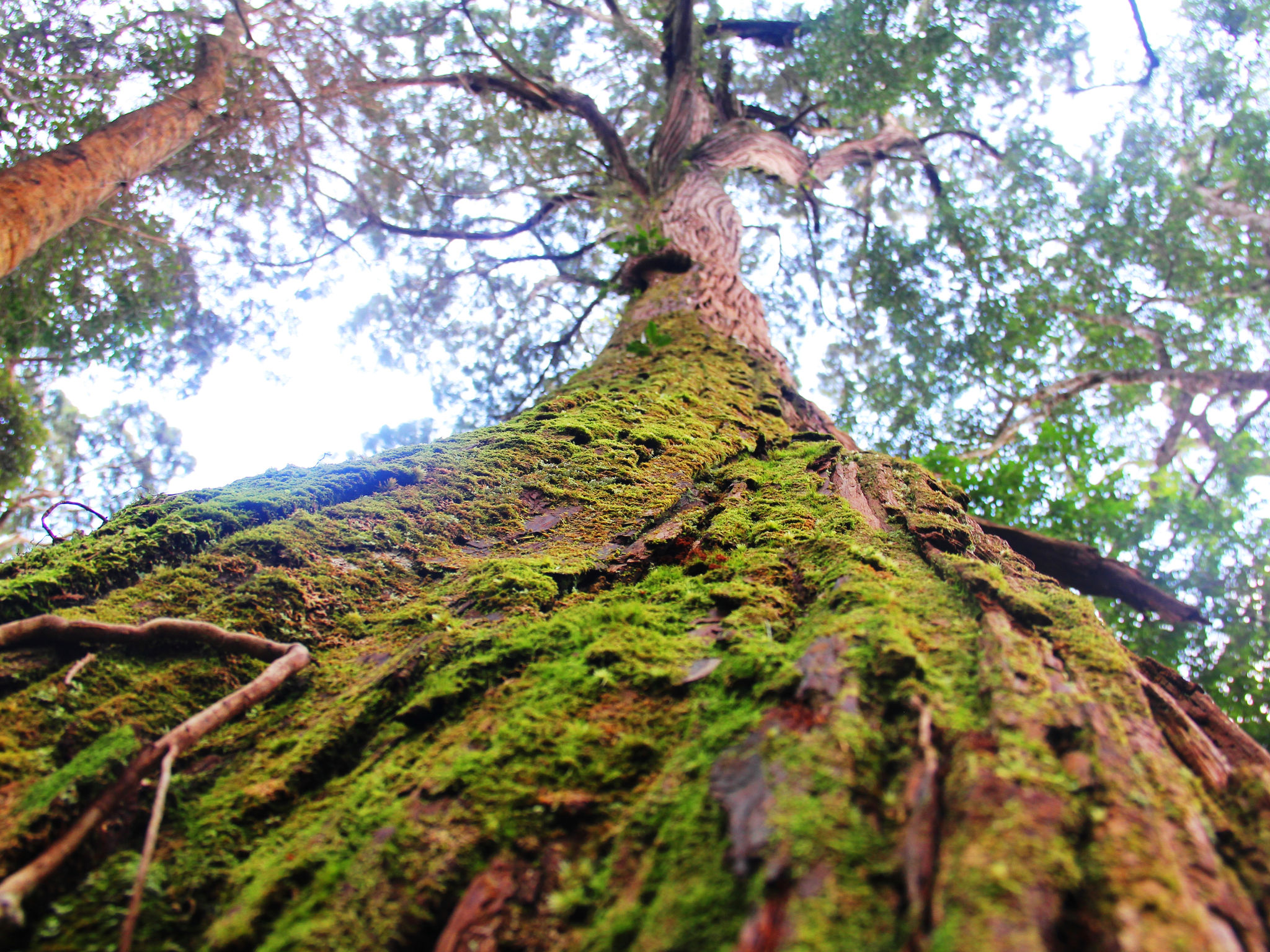
A day before the festival, Elder Hoih Mia, representing the villagers, led a procession deep into the sacred forest, where ancient, strangely shaped cypress trees stood tall amidst the mountains. They carried offerings, including goats, chickens, and jars of rice wine, and performed the ritual of welcoming the deity at the ceremonial house (dong bha bhuoih) erected next to the ancient cypress tree.
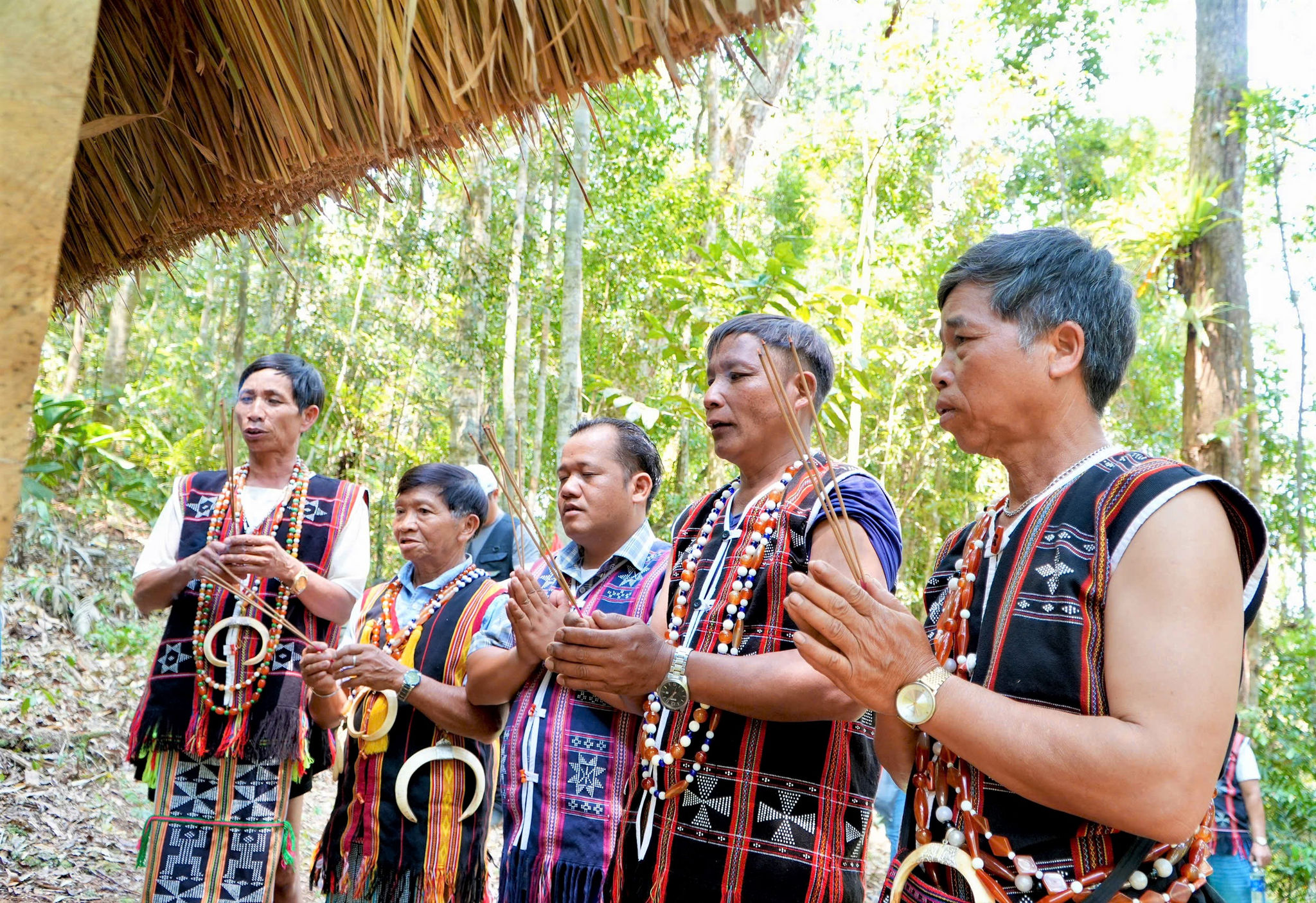
The "Dong bha bhuoih" is built according to traditional gươl architecture. For the Cơ Tu people, it is a sacred space where spirits reside. Before the festival season, villagers gather at the "Dong bha bhuoih" to perform rituals to worship the forest spirit, informing the spirit of the community's presence and asking permission to hold ceremonies according to custom. What is special is that inside the worship house, the Cơ Tu people respectfully place a portrait of President Ho Chi Minh and light incense sticks in gratitude.
When everything was ready, the village elders spread mats under the cypress tree and performed the ritual of offering wine. They drank together with great enthusiasm, as a way of giving thanks after their prayers were answered by the forest spirit. Before leaving the "dong bha bhuoih" to return to the cypress eco-tourism village to continue the ceremony, the group circled the ancient tree, captivated by the tang tung da da dance to the rhythm of the flute and gongs of the village festival.


Having been closely associated with the cypress forest since its early days of discovery, Elder Hoih Mia said that the Co Tu people view the annual thanksgiving ceremony for the forest as an opportunity to "forge a bond" with the spirits, praying for the blessings of the river, stream, and forest spirits so that the villagers can have a peaceful and harmonious life.
“All the rituals of worshiping the spirits are our way of expressing gratitude to Mother Forest for protecting and nurturing our community. Through each prayer, the adults remind the younger generation to cherish and protect the forest, and not to exploit it indiscriminately. Thanks to this, the people are even more determined to preserve the greenness of Mother Forest in the Truong Son Mountains,” shared elder Hoih Mia.
Preserve the green color of Mother Forest
It has been exactly 10 years since the Tay Giang cypress tree cluster was officially recognized as a Vietnamese Heritage Tree (2016 - 2026).
Having visited the heritage cypress forest many times, I deeply appreciate the words of Mr. Bhriu Liếc, former Secretary of the Tay Giang District Party Committee, during the first annual forest thanksgiving ceremony held in 2018. On that day, Mr. Liếc repeatedly stated what has become the "manifesto" for the Co Tu community's forest protection efforts: "As long as the forest remains, Tay Giang will prosper. When the forest is lost, Tay Giang will decline."
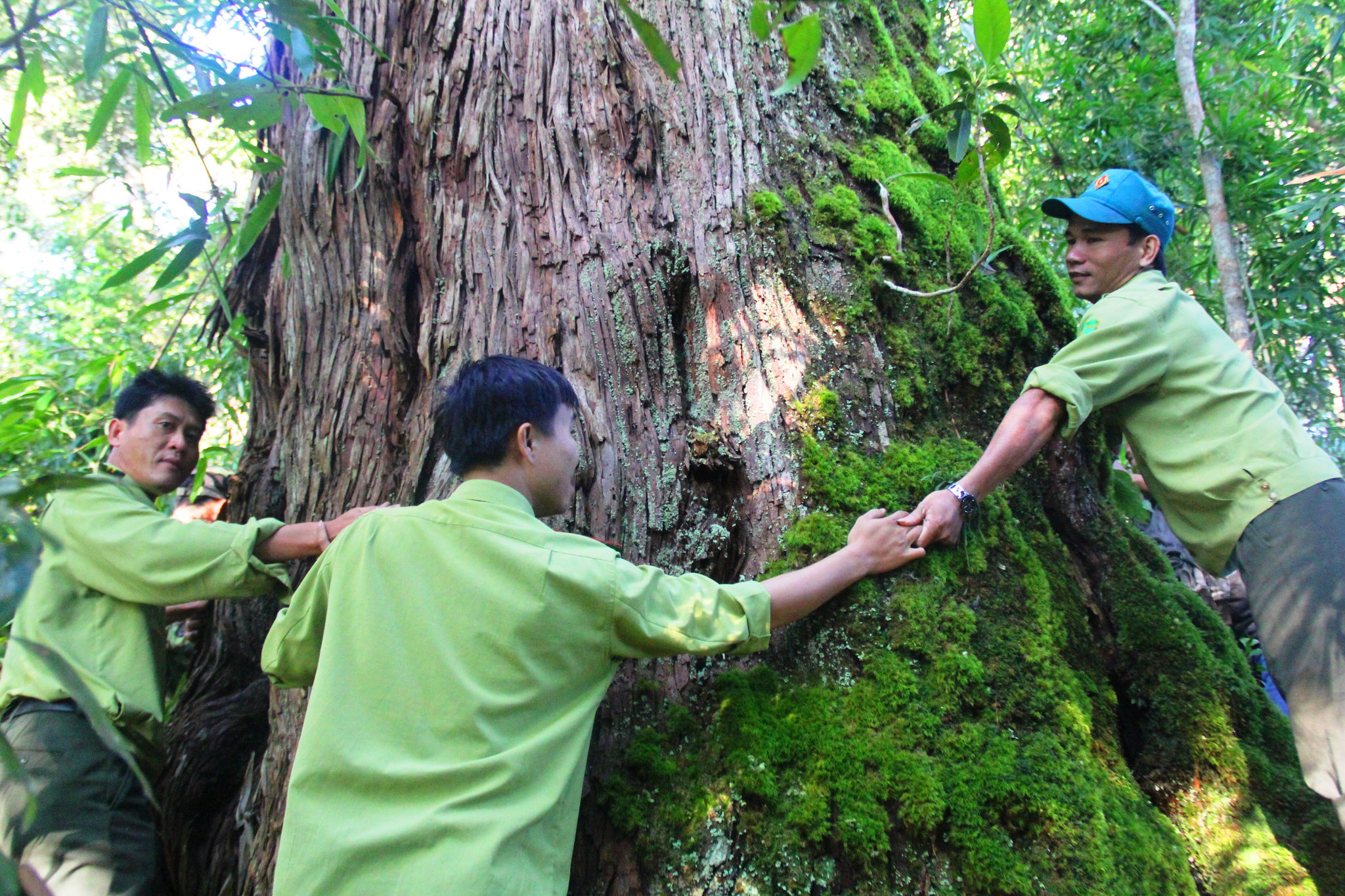
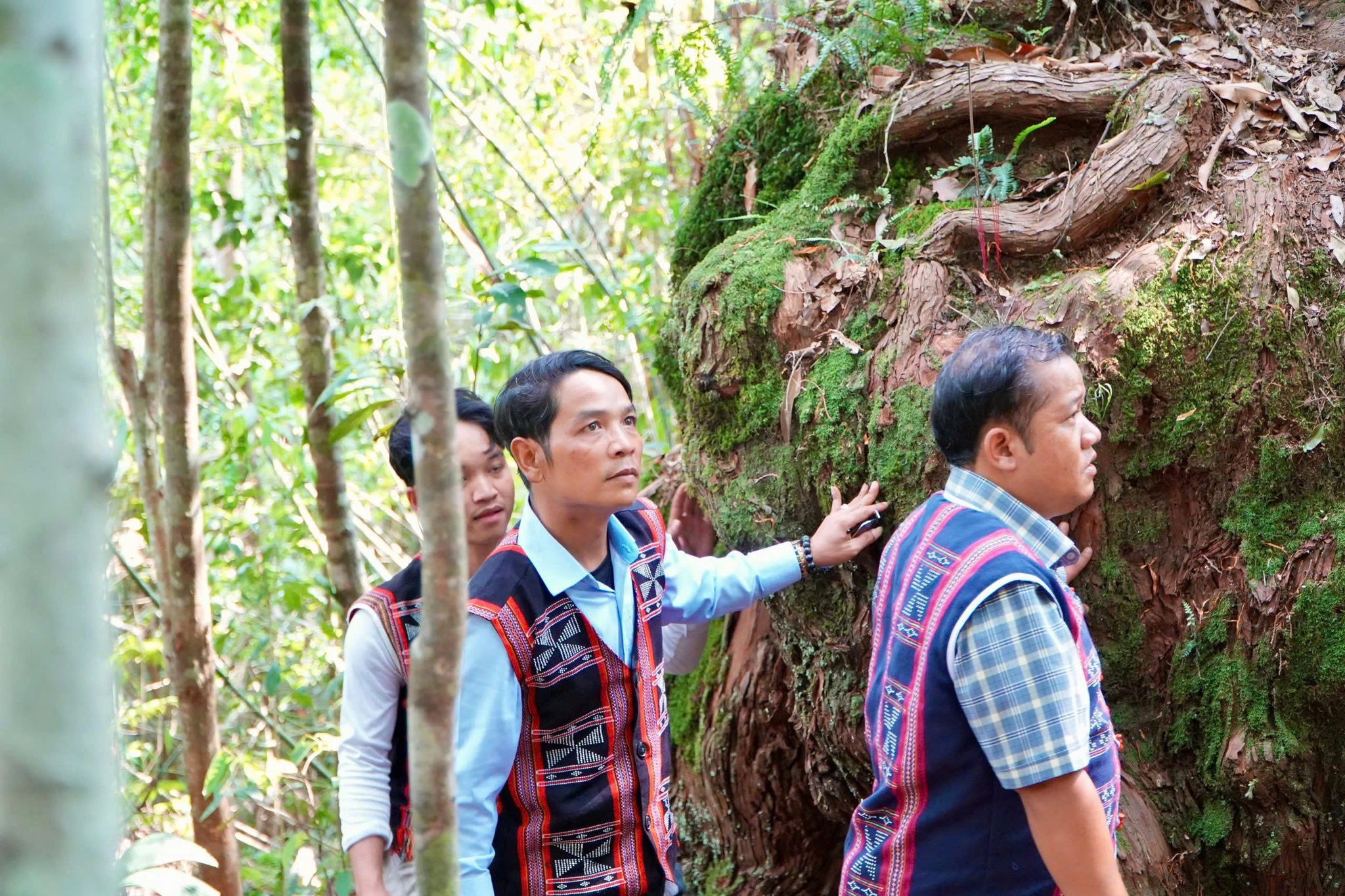
Mr. Liếc said that no one among the Cơ Tu people would dare to destroy the headwater forests, the sacred forests of the village, because they understand that the life of the community depends on the forest. The people live close to the forest, considering it sacred land, inviolable. In the community's belief, where sacred forests like the cypress and green lim trees exist, no one is allowed to trespass without the villagers' consent.


According to Mr. Zơrâm Buôn, Chairman of the People's Committee of Hùng Sơn commune, through years of collaborative efforts, the Zi'liêng mountain range has been honored as a remaining "kingdom of cypress trees" in the Eastern Trường Sơn Mountains. "The Cơ Tu people consider cypress trees sacred to the village, so they always strive to preserve them. This is a valuable asset of the community, both in terms of nature conservation and in creating a foundation for the local area to develop ecotourism linked to indigenous culture," Mr. Buôn said.
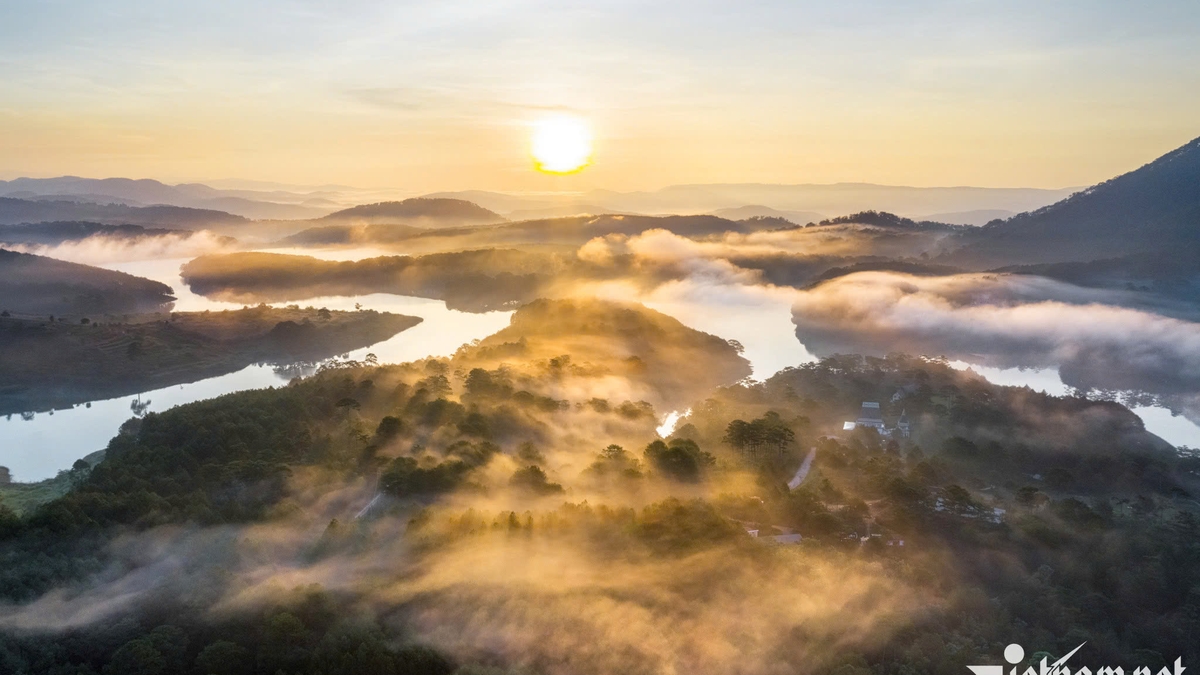
Sunlight filtered through the canopy of the ancient forest. Before leaving the festival grounds, I glanced back towards the summit of Zi'liêng. Amidst the lingering mist on the mountainside, the cypress trees still peeked out from within their deep green foliage.
Source: https://baodanang.vn/thap-thoang-pomu-3343074.html