


In the memories of many, agricultural production in the highlands is often associated with slash-and-burn farming, with the traditional method of "clearing, burning, sowing, and waiting for the weather." Cattle, buffalo, and pigs are usually left to graze freely; crops depend on nature; and fertilizers and pesticides are used without proper procedures. These practices lead to low yields and frequent outbreaks of disease, causing losses for farmers.
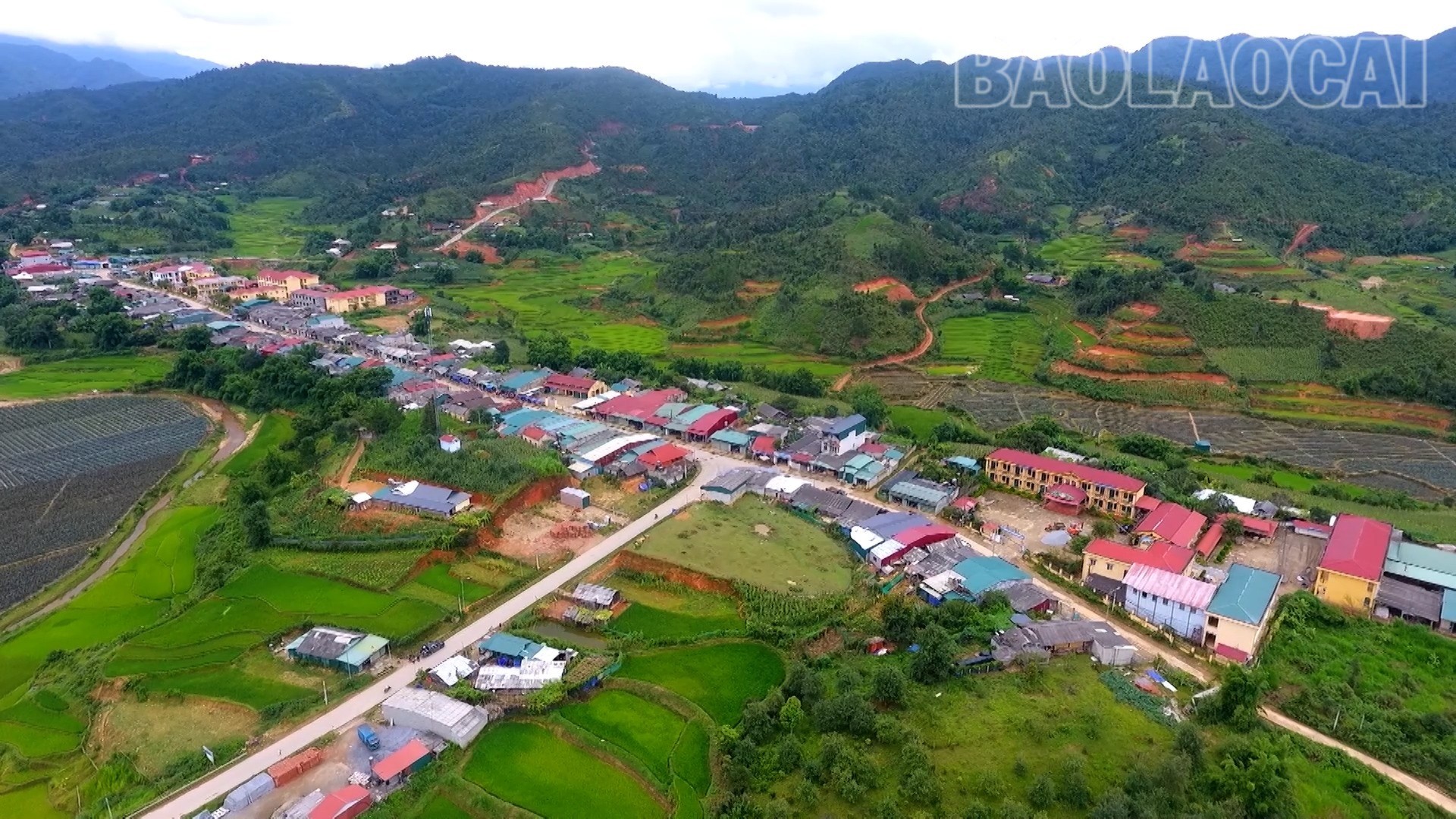
Nowadays, technical training courses are regularly organized right in the villages, equipping people with the knowledge to change outdated practices. They learn how to select seeds, prepare the soil, fertilize, and control pests and diseases for crops; they also learn how to build livestock shelters, vaccinate, and care for animals according to proper procedures.
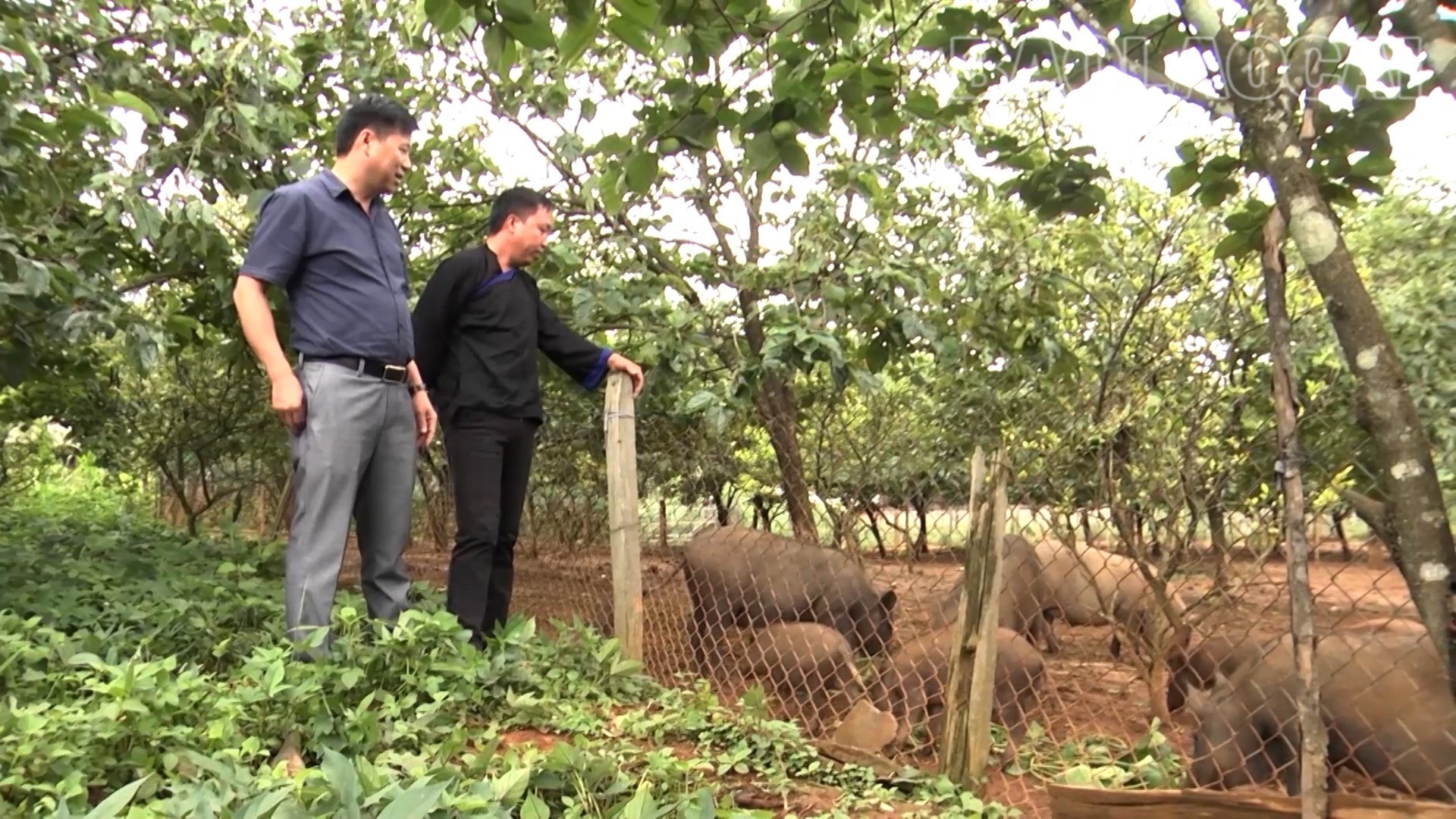
If we continue with the old farming methods, poverty will persist. But by boldly changing our approach and applying new techniques, even on familiar fields and plots of land, we can generate many times more value than before.
One of the most noticeable changes is in the livestock sector. Mr. Thào A Phổng, from Hua Khắt village, Púng Luông commune, previously raised pigs using traditional methods, resulting in low efficiency. In 2020, he learned about the wild boar farming model, investing in large-scale barns and a feed pellet machine. Thanks to the application of proper techniques, good care, and disease prevention, his family's wild boar herd maintains a size of 50-70 pigs per litter, with stable growth. Each year, he sells over 2 tons of live pigs, at a price of 150,000-180,000 VND/kg, bringing in an income of approximately 200 million VND after deducting expenses.
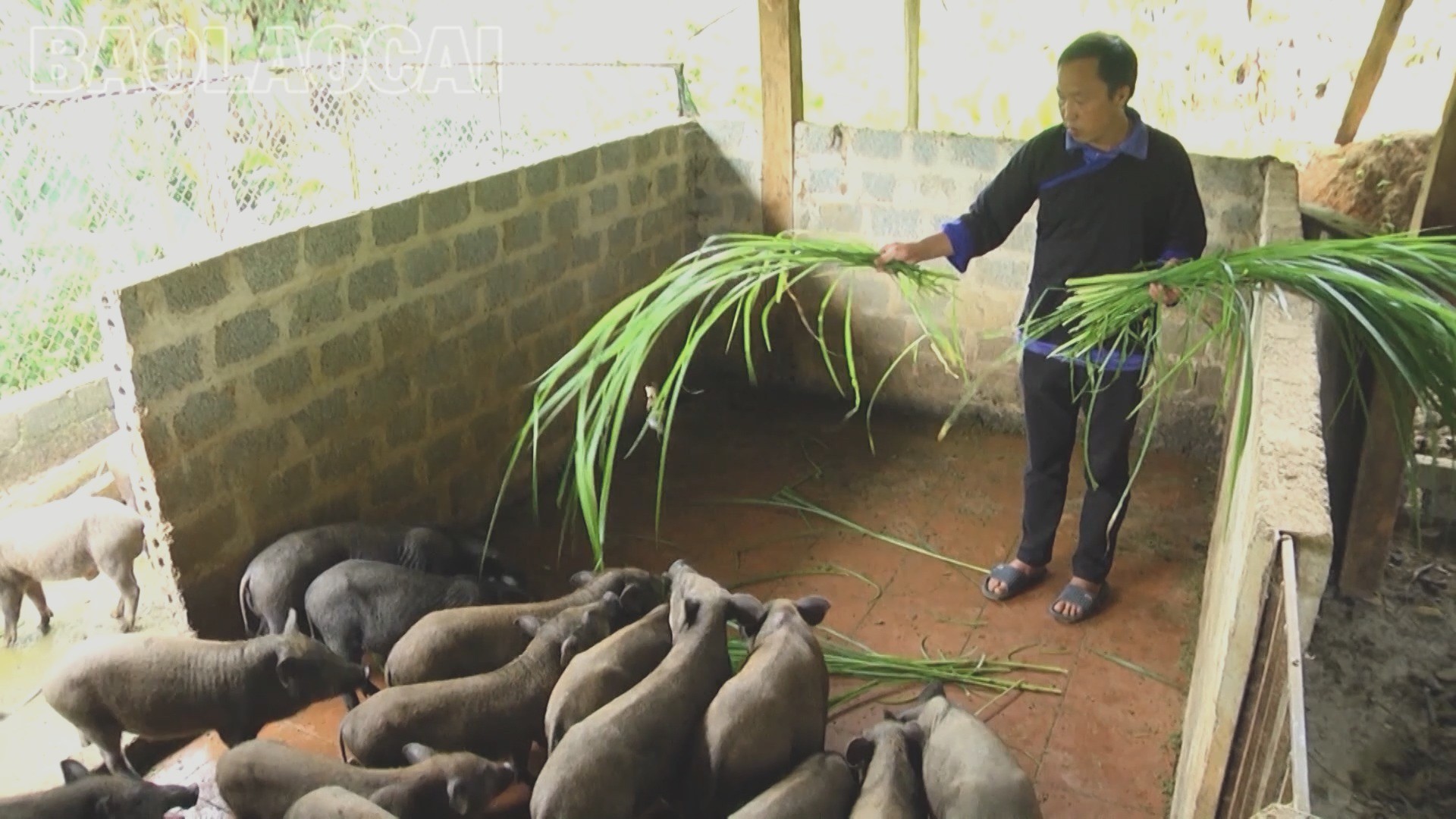
Mr. Thào A Phổng shared: "Without knowledge, it's impossible to do. Raising wild boars with the application of science and technology is easier, the pigs grow faster, and disease outbreaks are reduced."
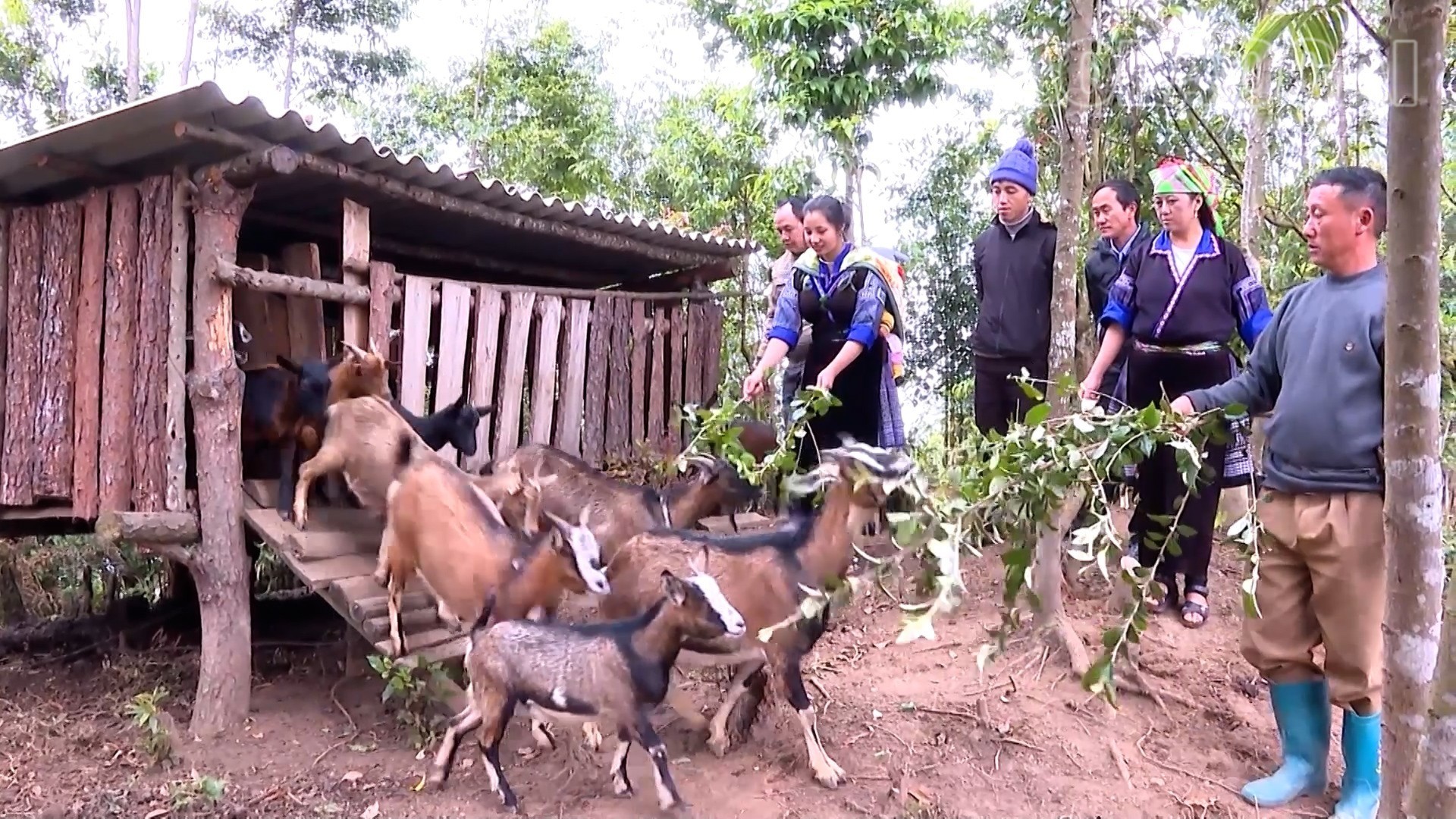
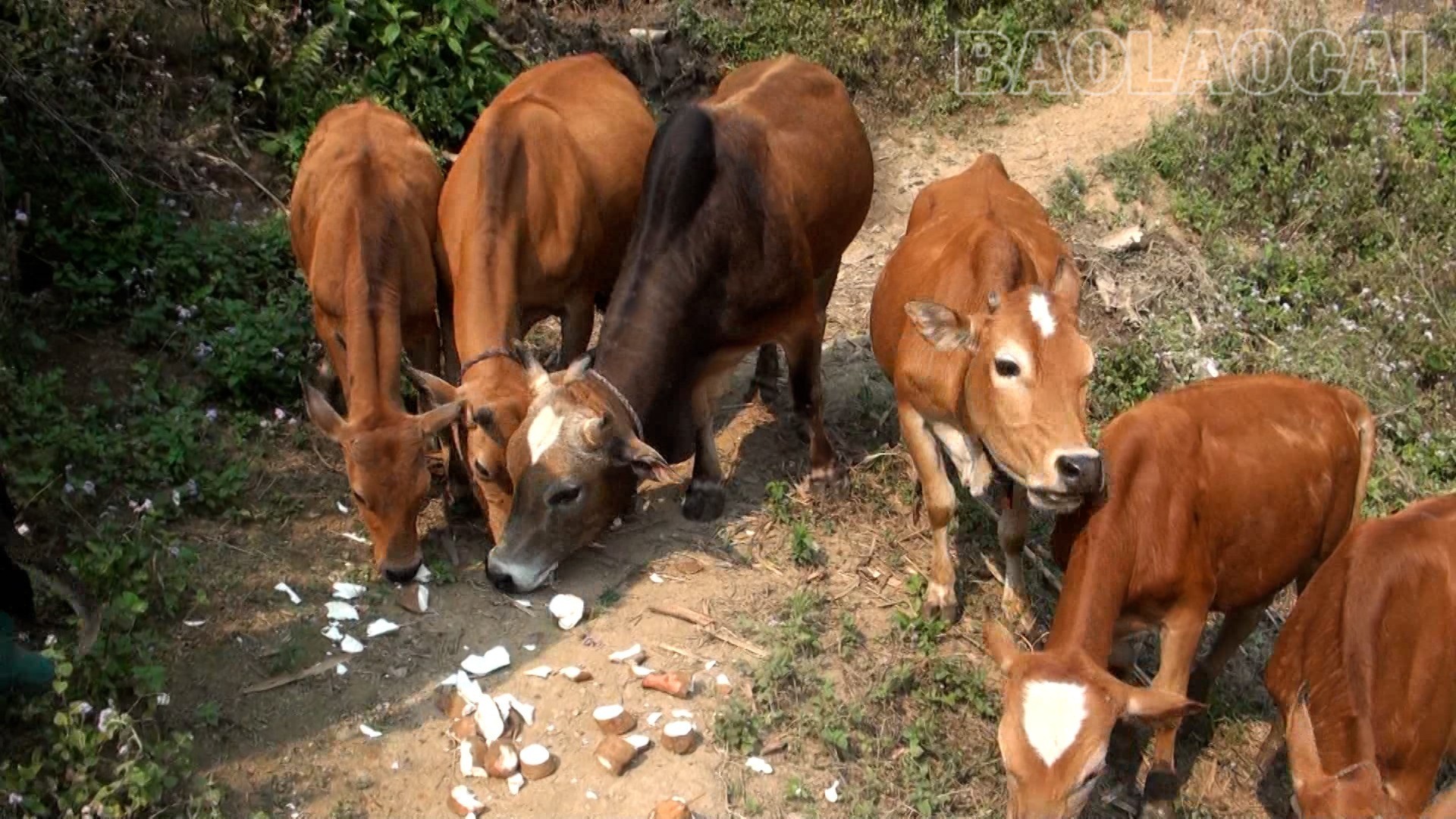
Not only Phong's family but many households in Pung Luong have also changed their livestock farming model. Instead of letting livestock and poultry roam freely in the forest, many households have built sturdy barns with feeding troughs, water troughs, compost pits, and separate sanitation areas.
The food source for livestock is no longer entirely dependent on nature but is supplemented with cornmeal, elephant grass, agricultural by-products, and silage.
Regular vaccination of livestock has been fully complied with by the people, leading to a significant reduction in disease outbreaks, a higher survival rate, and improved productivity and quality. As a result, many families have escaped poverty, become relatively well-off or wealthy, built new houses, purchased household equipment, and provided for their children's education.
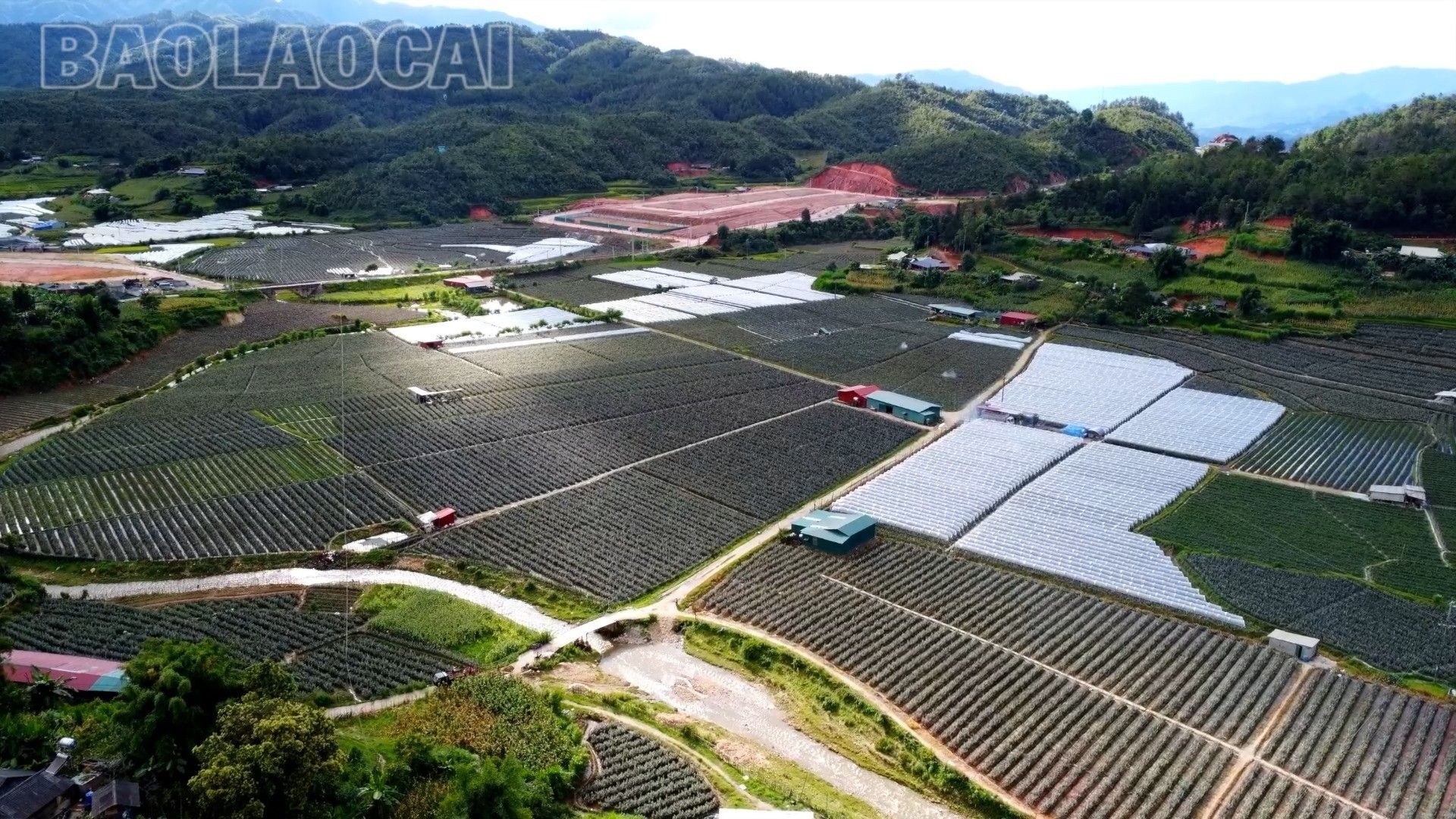
Along with livestock farming, the agricultural sector in Púng Luông has also undergone significant changes. Previously, the fields and plots of land only grew low-yield rice and corn, but now they have been replaced with crops of higher economic value, suitable to the local soil.
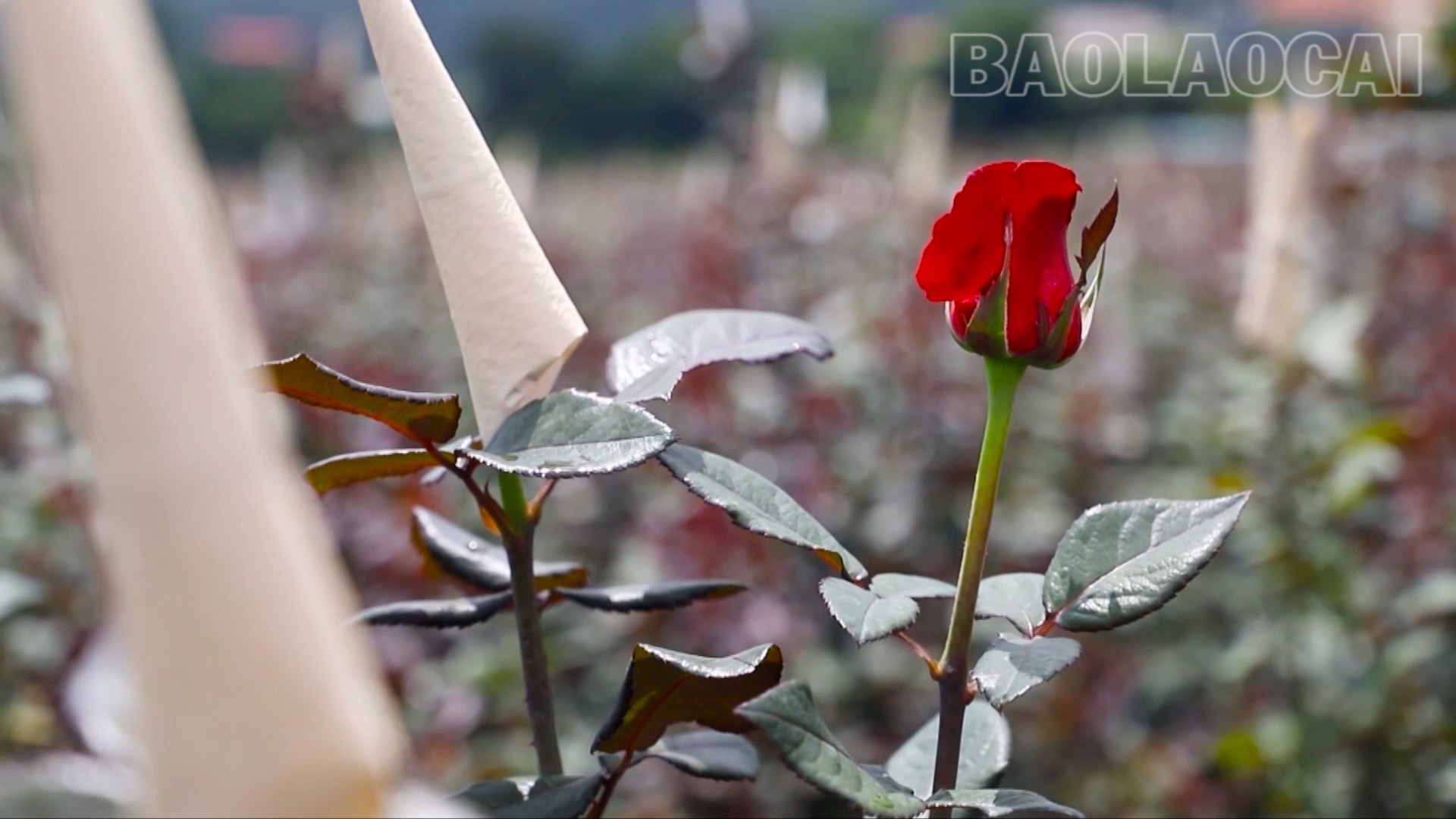
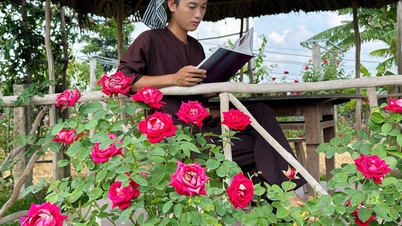
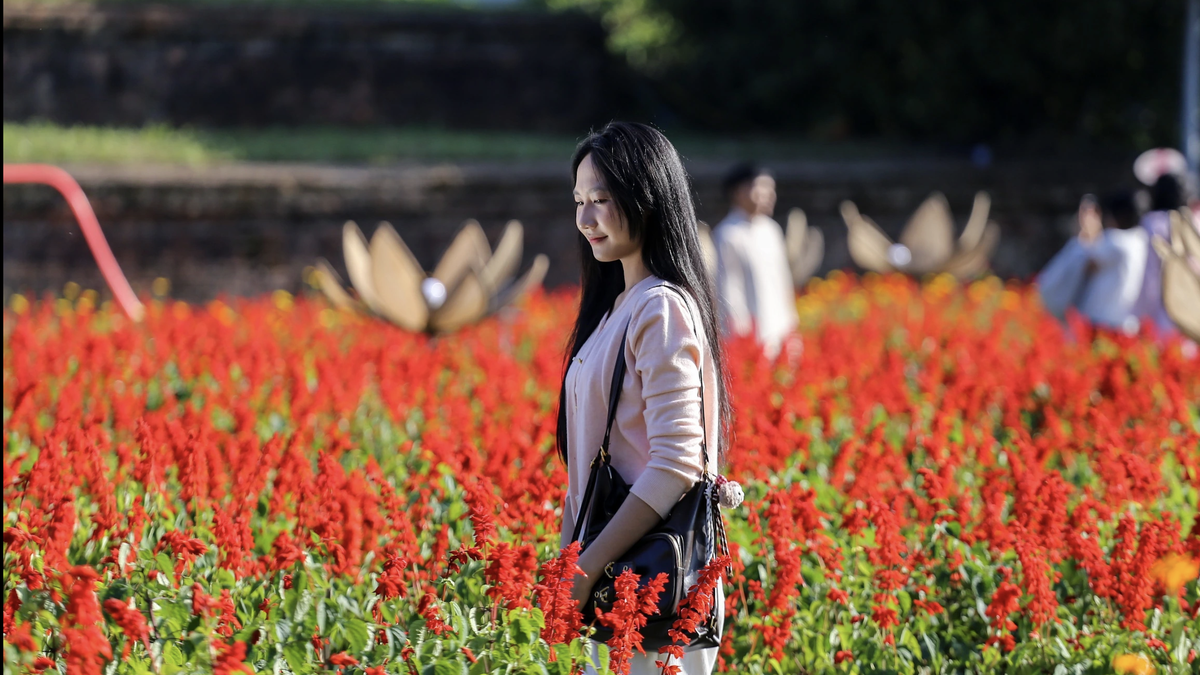
After witnessing the effectiveness of the rose cultivation model, Ms. Ly Thi Phenh's family in Pu Cang village boldly invested 200 million VND to convert 1 hectare of single-crop rice paddy to rose cultivation. Thanks to applying the knowledge and techniques learned from training, the flowers are growing well and meeting market demands. To facilitate sales, Ms. Phenh also learned how to sell her flowers on social media, resulting in stable sales for each crop and providing regular employment for 7 women in the village with an income of 3-4 million VND per person per month.
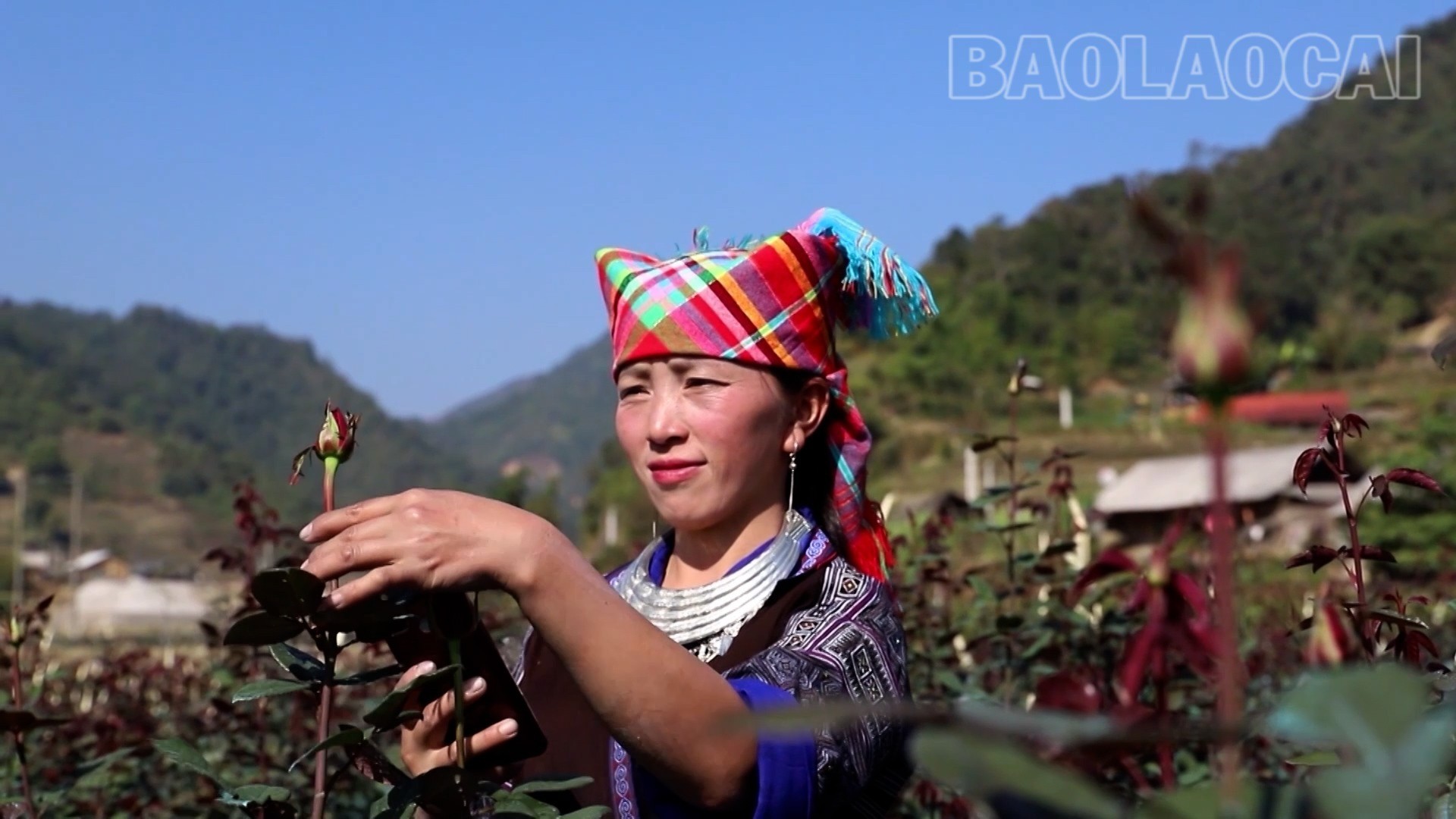
Ms. Ly Thi Phenh said: "Having mastered the techniques of planting and caring for the flowers, they bloom beautifully and sell very well. I am willing to share my experience so that everyone can successfully grow flowers and improve their lives."
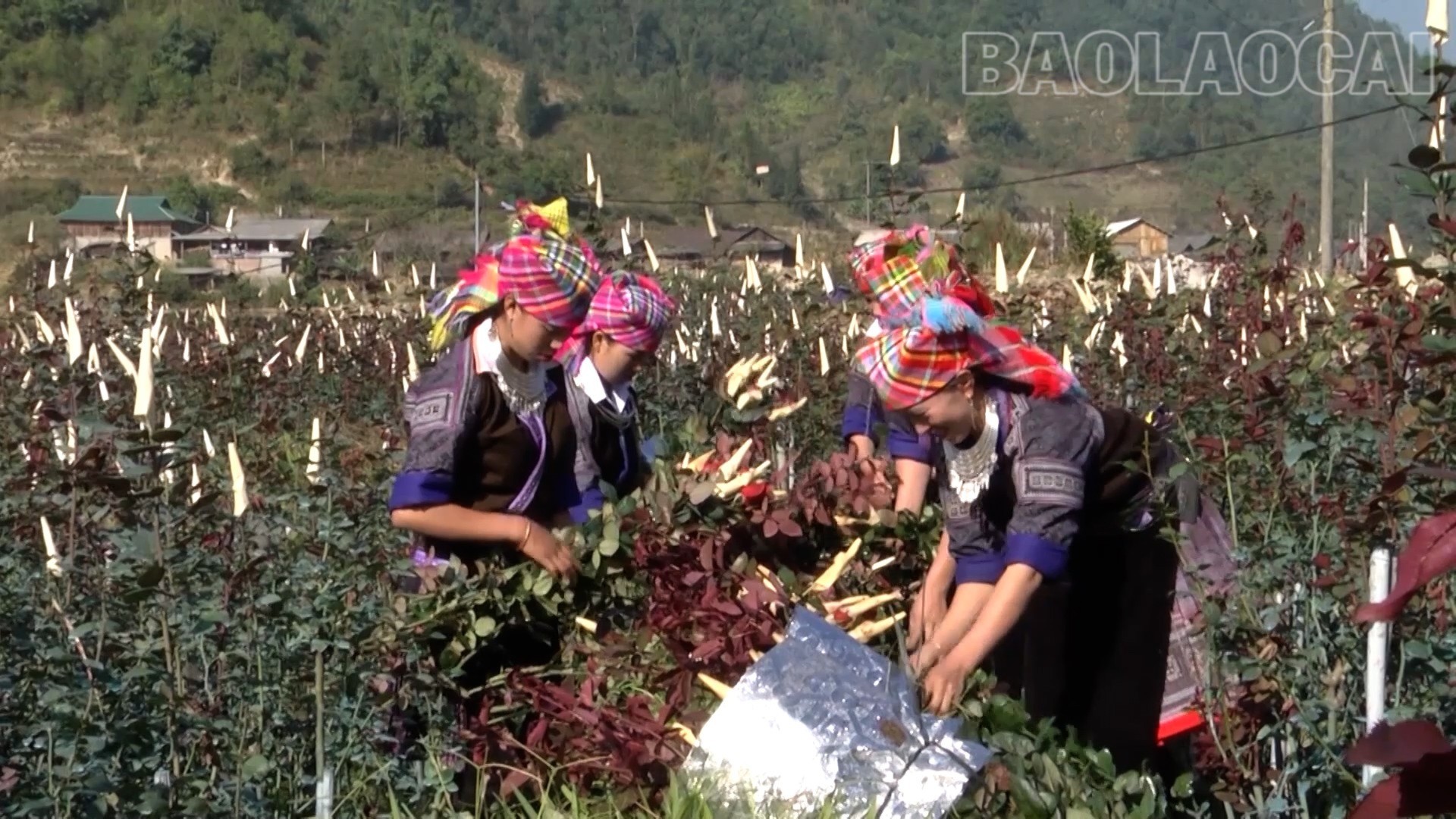
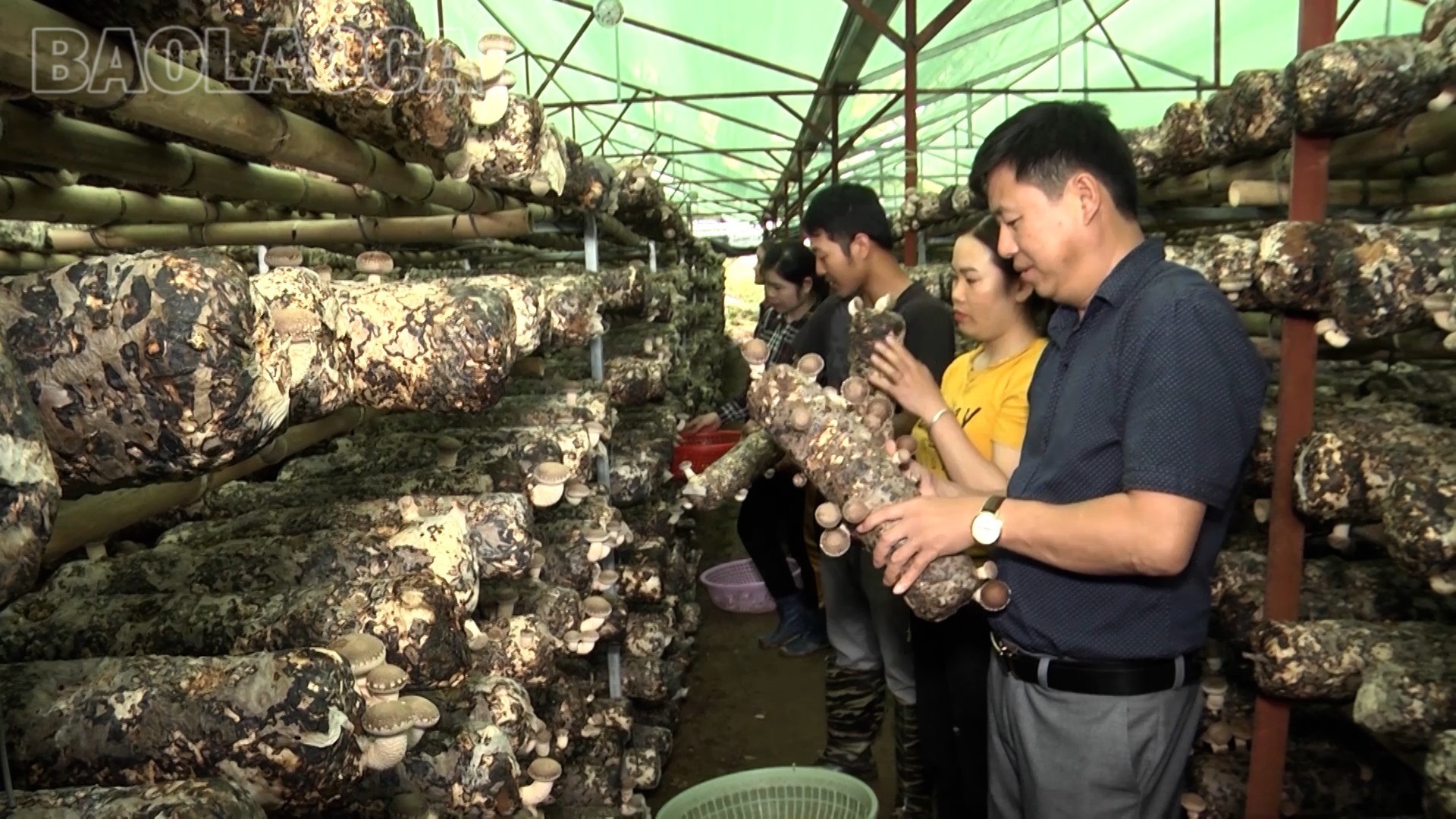
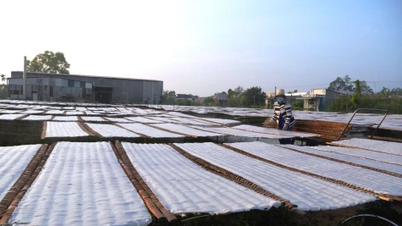
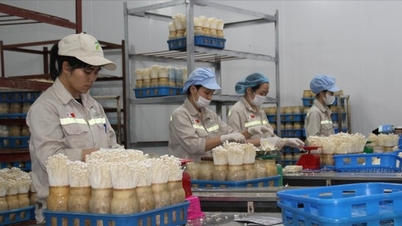
Thanks to the diligence, hard work, and eagerness to learn of the local people, along with policies to attract investment, Púng Luông commune has now developed specialized areas for growing roses, mushrooms, and vegetables, covering a total area of over 150 hectares. Each year, these production areas generate over 120 billion VND in income for the local people.
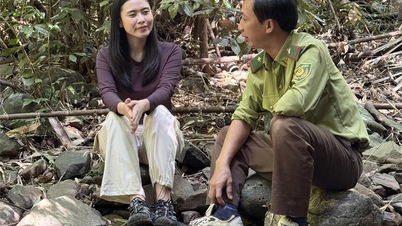
It can be affirmed that science and technology are the "key" to helping people in mountainous areas change their destiny. Access to new knowledge and machinery has gradually narrowed the gap between mountainous and lowland regions. Many households use smartphones to learn farming and livestock techniques online, research markets, and connect with and sell agricultural products on digital platforms.
In addition, preferential credit programs from the Social Policy Bank also play an important role, helping people access capital for production investment. With this capital, farmers can purchase high-quality seeds, fertilizers, and machinery. With capital, knowledge, and the determination to change, economic efficiency is inevitable.
We appreciate the people's boldness in changing outdated practices in farming and livestock raising to become wealthy. Pioneering households will become role models, inspiring others to learn from them. Only when people change their mindset, learn, and apply what they've learned to production can they create large volumes of goods and generate high incomes. This is not just about changing methods, but also about changing aspirations to rise above, breaking free from the mentality of dependence and reliance.
From a few initial model examples, the movement to excel in economic activities and apply technological advancements has now spread throughout the villages and hamlets of Púng Luông. Despite the many difficulties posed by the terrain, harsh weather, and underdeveloped infrastructure, the transformation in the mindset and actions of the highland people is a welcome sign. They are no longer resigned to poverty and backwardness, but are proactively seeking knowledge and mastering science and technology to improve and enhance their quality of life.
"Change to move forward" is not just a message, but has become a vibrant reality in remote villages. Hands accustomed to wielding hoes and machetes for clearing land now know how to use machinery, apply technical processes, and calculate economic efficiency. This transformation is writing a new chapter in the story of a dynamic, confident, and ambitious highland region.
Source: https://baolaocai.vn/thay-doi-de-vuon-len-o-pung-luong-post888737.html

















































Comment (0)