

The discussion of proposals such as guaranteeing a minimum of 2% of the budget for culture, tax incentives, piloting a cultural fund, and paid leave on Vietnam Culture Day (November 24th) shows a very noteworthy shift: from talking a lot about the role of culture to a determination to create concrete institutional tools so that culture truly becomes a resource for national development.
The most encouraging aspect of this discussion lies not only in the number of policies proposed, but also in the gradually changing development mindset. For a long time, we have affirmed that culture is the spiritual foundation of society, the goal, and the driving force of development.
However, it must be frankly acknowledged that, in many periods, culture has often been spoken of in beautiful terms, while when it comes to resource allocation, policy design, or implementation, it has not been given the appropriate position.
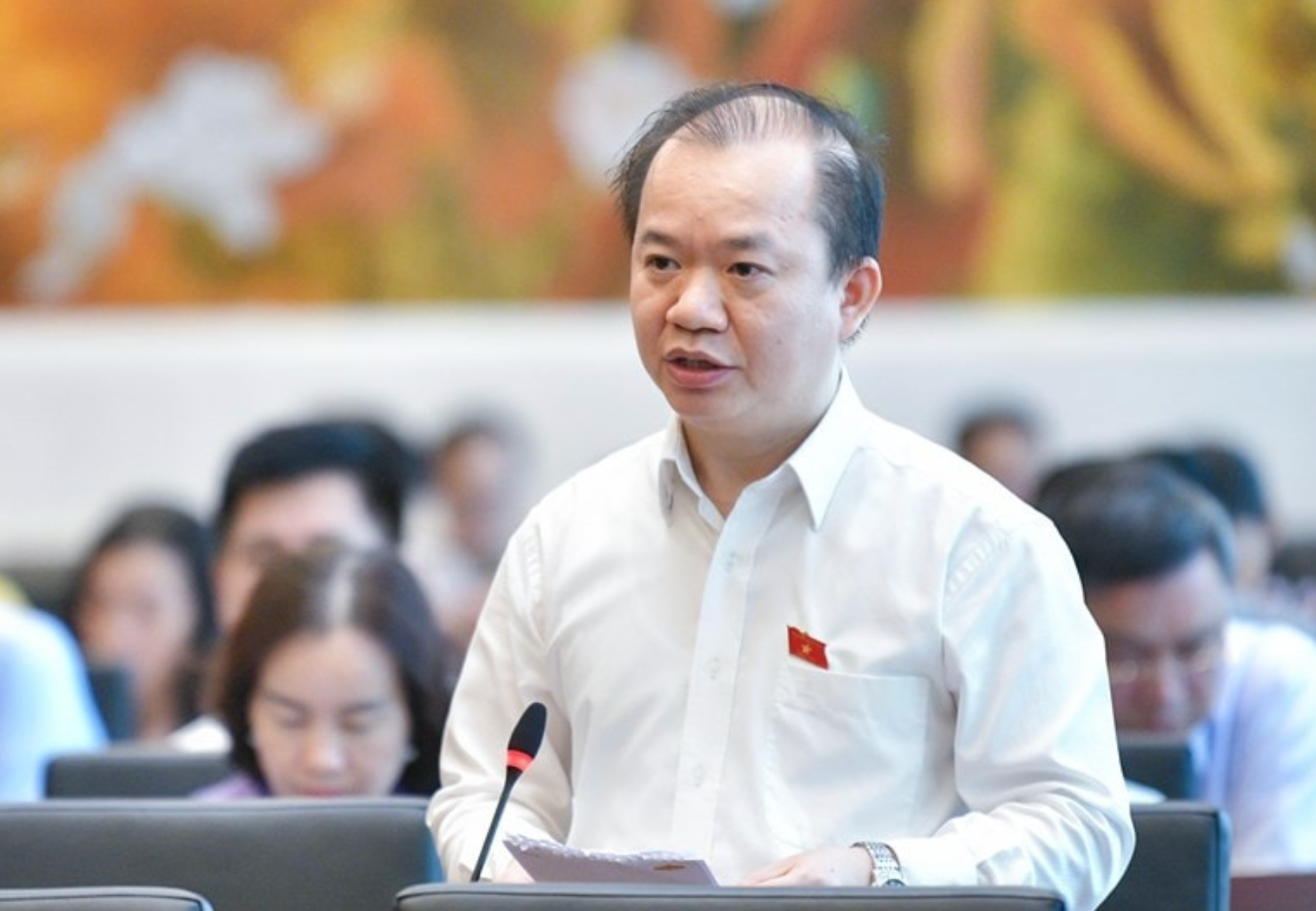
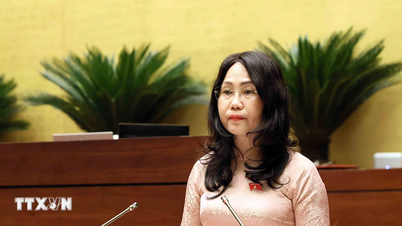
Associate Professor Bui Hoai Son, Member of the 16th National Assembly . Photo: National Assembly Portal.
Therefore, the requirement in this draft resolution to allocate at least 2% of the state budget to culture is of great significance. It is not simply a technical financial figure, but a policy statement: for culture to develop, serious, sustained, and responsible investment is necessary.
In reality, investing in culture has never been a "consumption" expense, nor is it something to be done haphazardly when budgets are tight. Investing in culture is investing in people, in national character, in national soft power, and in the ability to develop rapidly yet sustainably.
A society may experience rapid economic growth, but if its spiritual life is impoverished, its cultural environment degrades, and its values are eroded, that development is unlikely to be sustainable. Conversely, when culture is properly nurtured, it becomes a solid foundation for economic takeoff, for social stability, and for the Vietnamese people to have the inner strength to enter a new era with confidence, humanity, and creativity.
From that perspective, proposals for tax incentives or pilot cultural funds are also noteworthy. Culture cannot rely solely on the state budget; it needs expanded opportunities to mobilize social resources. To encourage businesses to invest in film, performing arts, cultural institutions, creative industries, or heritage preservation activities, we must create a policy environment that is attractive, transparent, and stable enough.
Tax incentives here are not a form of "handout," but rather a way for the State to share the initial risk and encourage society to participate in creating lasting values. A cultural fund, if properly designed, transparent, and with clear criteria, can become a very useful tool for nurturing talent, supporting creativity, preserving heritage, and bringing many good cultural ideas to life.
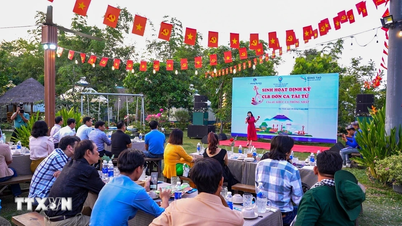
I am particularly interested in the proposal to institutionalize Vietnam Culture Day (November 24th) annually and allow workers to take a paid day off on this day. There may be very practical concerns about the number of days off, the social costs, and the organization. But looking at it from a broader perspective, this is a very worthwhile suggestion. A nation that wants to progress cannot rely solely on days to commemorate historical milestones or honor labor; it also needs moments for the entire society to focus on its culture and its spiritual core.
A well-organized day dedicated to culture is not for formal relaxation, but to expand people's access to and enjoyment of culture, to encourage families to visit museums, libraries, theaters, cinemas, and heritage sites; and to allow communities to live together in a richer, more intimate cultural atmosphere. It can be a beautiful symbol of a country that values the spiritual life of its people.
However, ultimately, the most important thing is how to translate resolutions into reality. Culture can only truly "break through" when new mechanisms are put into practice through concrete action programs, clear monitoring criteria, accountability of each agency, and tangible results that the people can feel. We need to avoid situations where resolutions are excellent but implementation is slow, resources are available but scattered, and policies exist but are difficult to access.
Along with ensuring budget allocation, I believe we still need to further refine stronger tools, such as mechanisms for commissioning creative projects, tax policies that adequately encourage long-term investment, or a mindset of allocating a certain percentage of public infrastructure projects to art spaces, artworks, and cultural landscapes. Then, culture will no longer be on the sidelines of development, but will be present in every building, every city, every community, and every aspect of daily life.
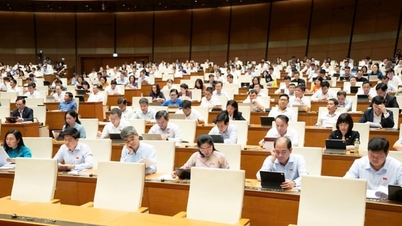
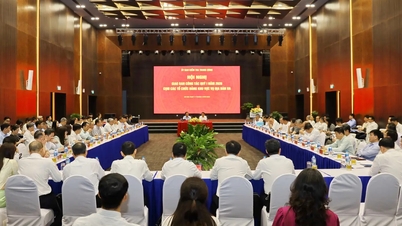
The group discussion on the morning of April 20th can therefore be considered a memorable milestone. It shows that the National Assembly, together with the Government, is seeking to bridge the gap between awareness and action, between affirming the role of culture and designing institutions for genuine cultural development.
A nation that aspires to progress in the 21st century cannot rely solely on economic or technological advancements. It must also advance through cultural depth, the strength of its people, and the ability to preserve its identity while continuously innovating. And to achieve this, culture must be placed in its proper position: not as a secondary element following development, but as one of the pillars that drive that development itself.
Source: https://congluan.vn/the-che-hoa-khat-vong-phat-trien-van-hoa-10338804.html





















































Comment (0)