Expand space, increase strengths.
According to Ly Dai Nghia, Director of the Ho Chi Minh City Sports Training and Competition Center: “Ho Chi Minh City's sports sector has long played a leading role nationwide, not only because of its outstanding competitive achievements but also because of its dynamism in applying science and technology to training. However, the city's sports sector still faces bottlenecks hindering its development, namely the increasingly limited land resources, the deterioration of many facilities and infrastructure, and difficulties in identifying and training young talents due to a shortage of successor resources. The infrastructure system still does not meet the training needs of the people, and the need for advanced training for athletes is also a very important issue that needs attention.”
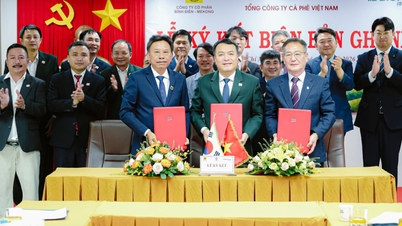
Those bottlenecks, which seemed impossible to resolve, now have a way out. At the conference discussing the draft plan for the reorganization of the Ho Chi Minh City Department of Culture and Sports and the Departments of Culture, Sports and Tourism of Binh Duong and Ba Ria - Vung Tau provinces, held before the historic July 1st date, the Director of the Ho Chi Minh City Department of Culture and Sports, Tran The Thuan, affirmed: There is no intention to merge one unit into another, but rather to consolidate them to maximize the strengths of each locality, complementing and supplementing each other, forming a leading national cultural and sports super-center.

According to Ly Dai Nghia, Director of the Ho Chi Minh City Sports Training and Competition Center, after the merger of the three localities, Ho Chi Minh City's sports sector will form a sustainable development triangle. The former Ho Chi Minh City will be the center for training high-level athletes, coordinating the city-wide sports training system, conducting sports science research, and creating a smart sports economic market.
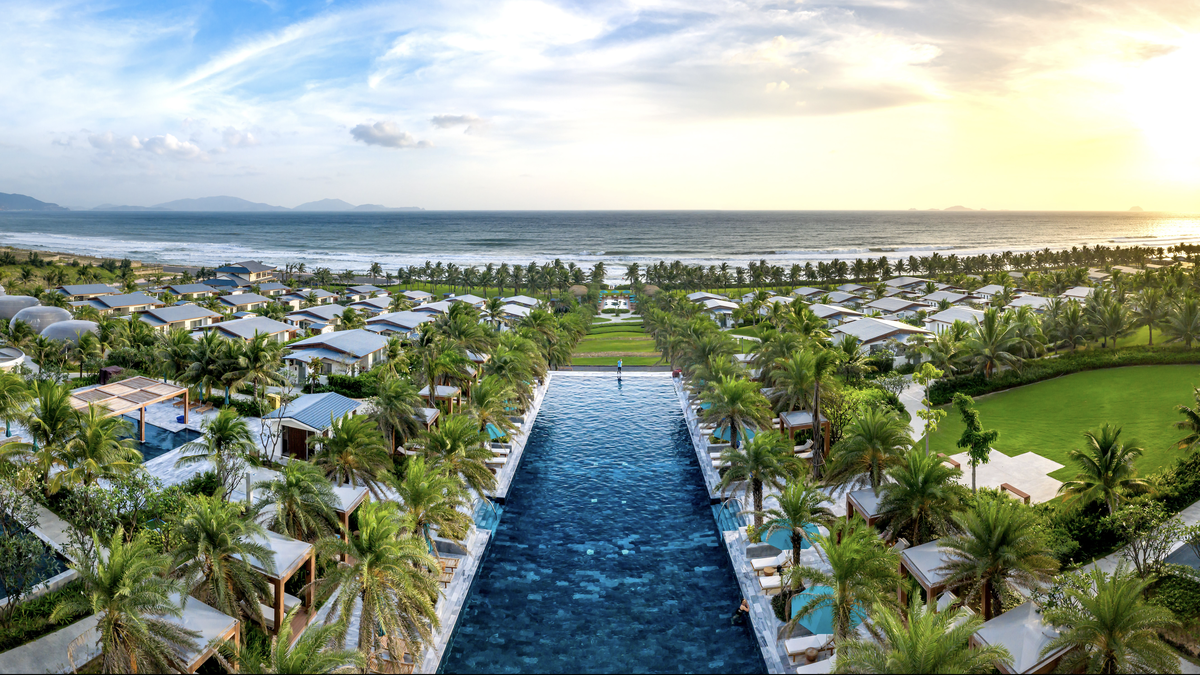
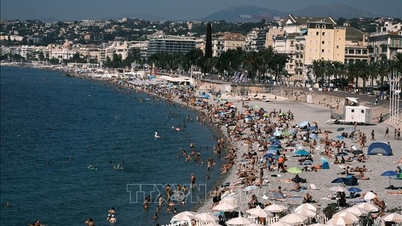
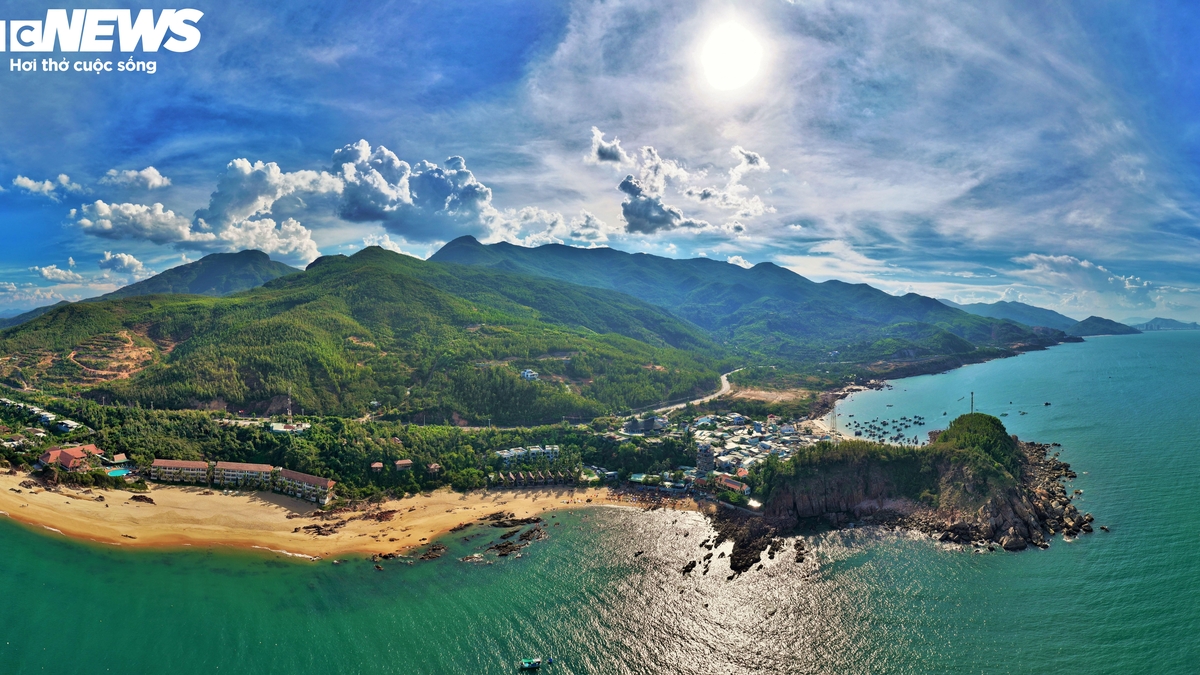
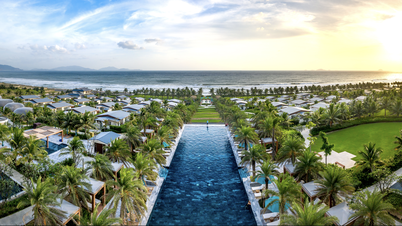
The former Binh Duong province, with its rapid industrialization and satellite urban areas, boasts a large youth population, making it a "gold mine" for selecting talented athletes and providing them with specialized training to become the next generation of talent. Meanwhile, with its advantages of a blue sea, mild climate, and modern infrastructure, the former Ba Ria - Vung Tau province has great potential to host large-scale marine sports competitions, attracting athletes and tourists from all over.
“The merger will bring a breath of fresh air to the sports industry. In terms of expertise, we will have interaction and mutual support between top-level coaches and athletes, allowing them to train together and improve their performance. Regarding facilities, the new Ho Chi Minh City can maximize the resources from Ba Ria - Vung Tau to improve the training conditions of the national teams, possibly through outdoor training camps within the city. This will also create favorable conditions for the new Ho Chi Minh City to host many national and international events in the future,” shared Mr. Phung Nguyen Tuong Minh, Head of the Sports Management Department (formerly the Department of Culture, Sports and Tourism of Ba Ria - Vung Tau).
Many outstanding achievements
At the 32nd SEA Games in 2023, Ho Chi Minh City contributed 179 out of 1,003 members to the Vietnamese sports delegation, winning 31 gold medals, 24 silver medals, and 20 bronze medals. Meanwhile, Binh Duong province participated with 17 members, contributing 1 gold medal, 2 silver medals, and 6 bronze medals. Ba Ria - Vung Tau province contributed 6 members, helping the team win 2 gold medals, 1 silver medal, and 3 bronze medals.
According to the professional activity report of the Sports and Physical Education Department (Ho Chi Minh City Department of Culture and Sports), in the first six months of 2025, Ho Chi Minh City's sports sector conducted a review and recruitment of 2,850 coaches and athletes for the year's sports teams. The unit sent over 300 sports teams to participate in domestic and international competitions, winning a total of 1,014 medals (361 gold, 331 silver, and 322 bronze).


Meanwhile, Binh Duong's sports sector is currently investing in 29 sports, with 828 athletes and 145 coaches participating in national and international sports competitions, winning 454 medals. As for Ba Ria - Vung Tau's sports sector, in the first six months of 2025, it hosted 23 national-level sports competitions and successfully organized the Asian U17 and U23 Wrestling Championships. The province sent 76 teams to participate in domestic and international tournaments, winning a total of 411 medals (107 gold, 110 silver, and 194 bronze).
Joining forces to host the National Sports Games
The consolidation of sports units is not only a change in organizational structure, but also a major step forward in Ho Chi Minh City's sports development strategy, ensuring an efficient operational system that better meets the needs of society.
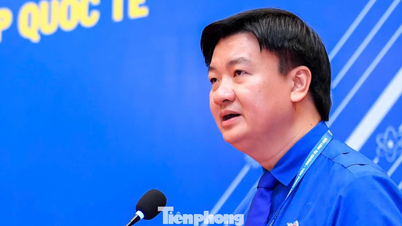
Deputy Director of the Ho Chi Minh City Department of Culture and Sports, Nguyen Nam Nhan, shared his thoughts: “Two years ago, Ho Chi Minh City was entrusted with the responsibility of hosting the 10th National Sports Games in 2026 with a scale of 12,000 athletes. But the situation at that time served as a wake-up call for those working in the field, as sports facilities had deteriorated, had not undergone major renovations for over 20 years, and there were certainly no new facilities.”
The race to prepare for the Games has begun, with strong progress in all aspects, from investment procedures to infrastructure construction. To date, four renovation, repair, and upgrading projects have commenced: the Hoa Lu Sports Center, the Phu Tho Swimming and Diving Club, the Phu Tho Sports Arena, and the Phu Tho Sports Training Center. The project to build a new training center for talented athletes in Hoa Lu and the renovation and upgrading of Thong Nhat Stadium are expected to be implemented in the third and fourth quarters of 2025, respectively.
That race will no longer be a solitary one, as Ho Chi Minh City's sports sector has been strengthened by the sports sectors of Binh Duong and Ba Ria - Vung Tau. Over the past period, these units have proactively connected and coordinated in the merger of sports sectors, while also preparing for the important goal of successfully organizing the 2026 National Sports Games, Vietnam's largest sporting event, held every four years.
According to Phung Nguyen Tuong Minh, Head of the Sports Management Department, the former Ba Ria - Vung Tau province hosts approximately 30 national competitions annually based on its existing infrastructure, and this serves as a test of all the necessary conditions for the 2026 National Sports Games. With its strengths in beaches and hotel accommodations, Ba Ria - Vung Tau has been entrusted with hosting 10 sports at the 2026 National Sports Games.
Meanwhile, Binh Duong (formerly) will host five official sports at the Games: Boxing, Jujitsu, Petanque, Dancesport, and Cycling. Notably, the road cycling competition, with its beautiful, high-quality, and safe routes spanning across various areas including Bau Bang, Ben Cat, Thu Dau Mot, Tan Uyen, and Thuan An, will meet the most stringent requirements for competing cyclists. Furthermore, the petanque arena will be completed in the last six months of the year, meeting the highest standards of a national-level competition.
“The 2026 National Sports Games are expected to be not just an event, but also the beginning of a new era for Ho Chi Minh City's sports sector – where organizational capacity, facilities, and the spirit of conquest will all reach new heights,” said Nguyen Nam Nhan, Deputy Director of the Ho Chi Minh City Department of Culture and Sports.
Deputy Director of the Ho Chi Minh City Department of Culture and Sports, Nguyen Nam Nhan:



With the formation of the new city comprising Ho Chi Minh City, Binh Duong, and Ba Ria - Vung Tau, the city's sports sector will have additional resources, institutions, and internal strength. This will be a major impetus for building a modern sports center with a rich identity and nationwide influence.
Deputy Director of the Ho Chi Minh City Department of Culture and Sports, Cao Van Chong:
With the merger of Ho Chi Minh City, Binh Duong, and Ba Ria - Vung Tau, we need to inherit and selectively integrate effective policies from the three former localities, aiming to form a regional ecosystem with a multi-centered structure, operating according to modern, seamless, scientific, and professional thinking. The sports sector is not outside this trend. The sports sector of the new Ho Chi Minh City will continue to advance, consolidating its leading position nationwide, from mass sports to high-performance sports and professional sports.
Source: https://www.sggp.org.vn/them-nguon-luc-them-suc-manh-post802219.html