Just hours before the world received news that the US and Iran had reached a landmark peace agreement, the Middle East remained on the brink of a regional war that could far surpass any confrontation in recent years.
In Tehran, military units are reportedly on high alert. In Washington, White House officials are in constant contact with Qatari mediators. In Beirut, the sounds of bombs from Israeli airstrikes targeting the southern suburbs continue to echo. And in Tel Aviv, Israeli leaders continue to express deep skepticism about any agreement that could help Iran escape its current confrontation.
Against this backdrop, the unexpected announcement by the US and Iran of a framework agreement aimed at ending the conflict created a turning point that stunned both the region and the international community.
However, behind the optimistic pronouncements about peace lies a far more complex reality. This agreement is not merely the result of diplomacy, but also reflects the weariness of all parties at the prospect of a war with no winner, according to Al Jazeera.
A diplomatic victory for Iran?
Abas Aslani, an expert at the Center for Middle East Strategic Studies in Tehran, believes that the agreement between Washington and Tehran could become the foundation for a broader reconciliation process in the region.
According to him, many Middle Eastern countries have recently expressed a desire to improve relations with Iran, focusing on resolving bilateral issues as well as common regional challenges.
"With the memorandum of understanding just established, there is hope that peace can return to the Middle East," Aslani said.
This expert argues that Tehran has always emphasized that peace must encompass all fronts in the region. If facilitated by the relevant parties, particularly the US and Israel, the current agreement could pave the way for broader cooperation between Iran and its neighbors.
Contrary to the prevailing Western view that military and economic pressure forced Iran to de-escalate, Iranian leaders are portraying the agreement as an achievement resulting from a combination of diplomacy and military deterrence, rather than a concession to international pressure.
According to Tehran's position, neither side forced Iran to sign the agreement. This was the result of weeks of difficult negotiations through intermediary channels, first with Pakistan and then with Qatar.
Iranian officials assert that they have sent a clear message to the US and Israel that Iran cannot be subdued, its civilization cannot be erased, and national sovereignty is an uncrossable "red line."
Notably, just hours before the agreement was announced, Iran remained on high alert, ready to retaliate against Israel following Tel Aviv's latest airstrike on the southern suburbs of Beirut, considered a Hezbollah stronghold in Lebanon.
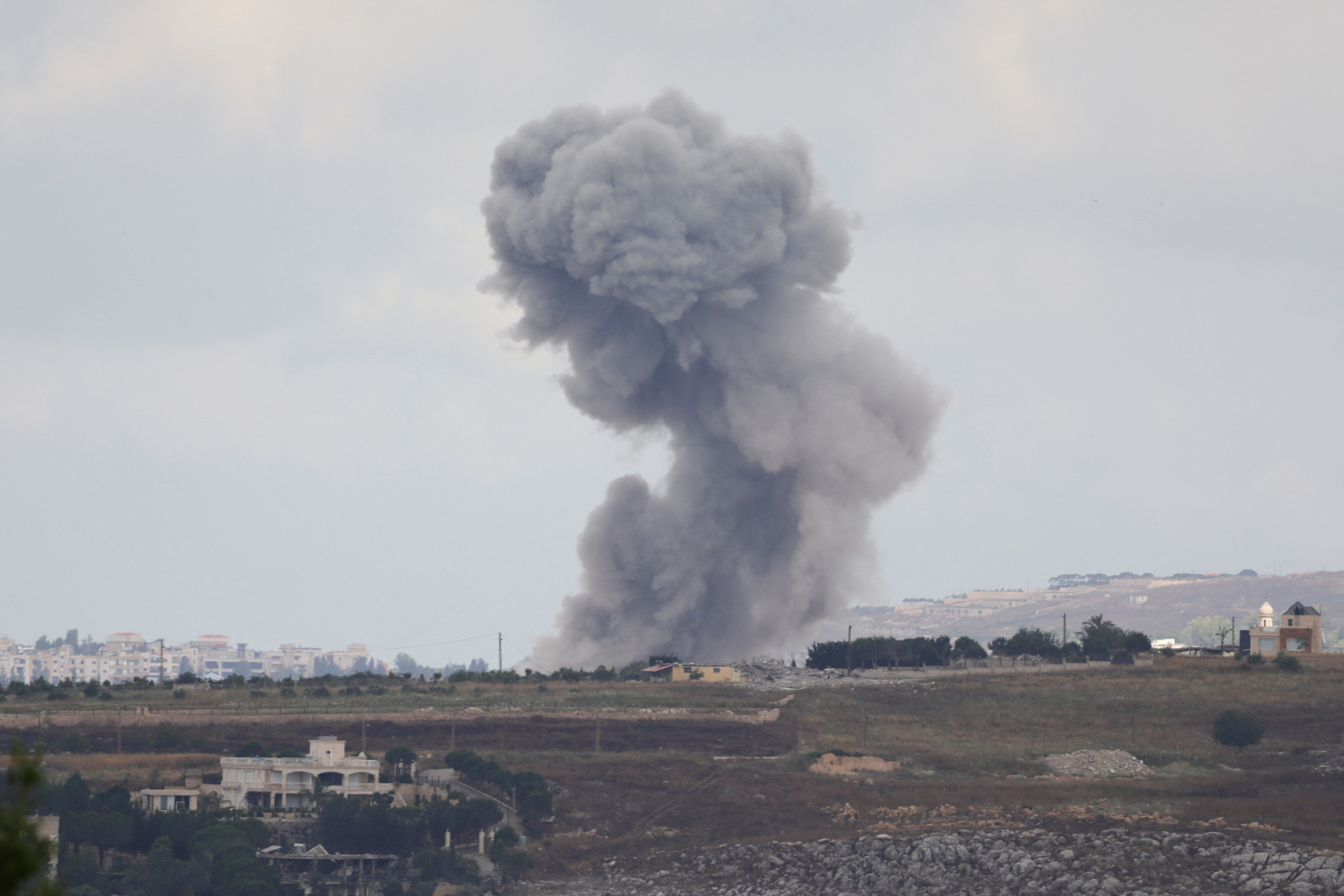 |
Thick smoke rises from southern Lebanon following an Israeli attack on June 14. Photo: Reuters. |
Throughout that day, numerous statements from Tehran indicated that the Iranian military had placed its forces on high alert. If the attack were launched, the entire peace negotiation process could collapse.
Iran's unexpected shift toward signing the agreement is therefore considered a significant turning point.
The "spoilers"
However, reaching an agreement is only the beginning. The bigger question now is whether the agreement can survive. Despite the diplomatic breakthrough, observers warn that the road ahead is fraught with risks.
General Mark Kimmitt, a former US military official, believes there are at least four actors that could derail the agreement, including Israel, Hezbollah, Iran, and even the United States.


He noted that Israel shares similar security interests with Washington, but they don't completely coincide. Therefore, Tel Aviv may choose to act independently if it feels the agreement doesn't meet its strategic requirements.
Meanwhile, Hezbollah has yet to officially accept the ceasefire. On Iran's side, disagreements regarding its long-range missile program and regional alliance network remain unresolved.
Senator Lindsey Graham, one of President Donald Trump's closest allies, welcomed the framework agreement but still expressed concerns, according to CNN.
He said Iran's understanding of the agreement appeared to differ from what the US negotiating delegation had described.
This caution stems from the fact that many key details of the document have yet to be publicly released. Additionally, the White House has adjusted the implementation timeline for some provisions following statements from Iran.
Graham emphasized that any final nuclear agreement with Tehran would have to go through a review process by the U.S. Congress.
"Congratulations to everyone who has brought us to this point. Time will tell whether this is a sustainable success," he wrote.
In addition, Sami Hamdi, CEO of the risk consulting firm International Interest, believes that the key to the agreement's success lies in whether Trump can control the actions of Israeli Prime Minister Benjamin Netanyahu.
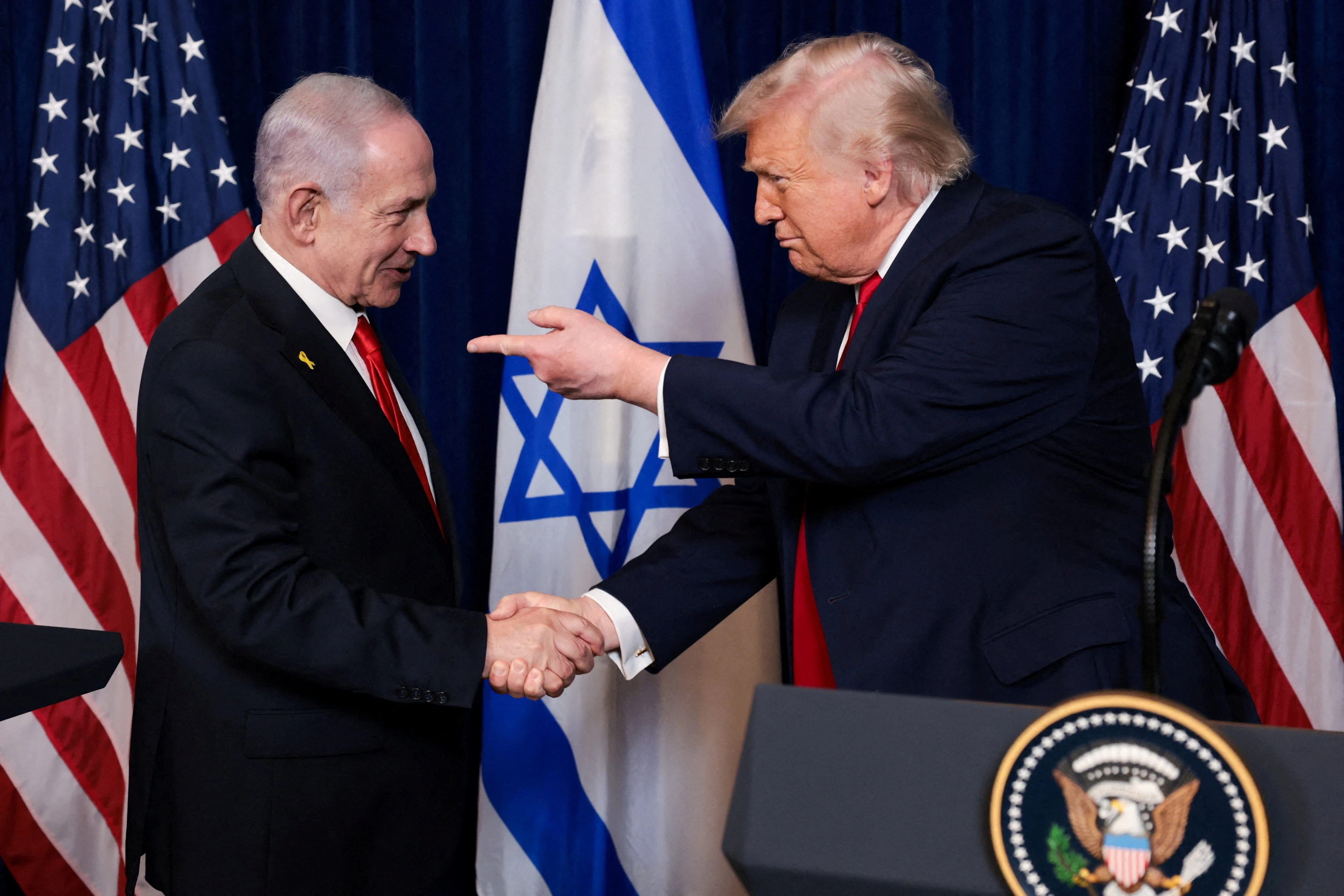 |
Many experts believe the key to whether the agreement will last lies in the relationship between President Donald Trump and Israeli Prime Minister Benjamin Netanyahu. Photo: Reuters. |
According to Hamdi, Israeli public opinion remains strongly opposed to an agreement with Tehran. The airstrike on Lebanon, which took place on the very day the agreement was announced, is seen as a sign that opposing forces are still trying to disrupt the peace process.
"If the U.S. does not pressure Israel to change its approach, the entire agreement could be put at risk," he warned.
Hormuz has opened, but the world can't breathe a sigh of relief yet.
One of the most immediate and significant impacts of the agreement is the prospect of reopening the Strait of Hormuz – the world's most important energy shipping route.
Over the past few weeks of tension, the risk of disruption to transit through Hormuz has rattled global energy markets. However, experts warn that the signing of the agreement does not mean everything will immediately return to normal.
Professor Rockford Weitz of Tufts University argues that the first step should be mine-clearing campaigns and ensuring maritime safety. Even when those efforts are complete, shipping companies will still need time to regain trust.
After weeks of facing the risk of attack, shipping and insurance companies will not easily return ships to the area at the same density as before.
In addition, many oil and gas production facilities in Qatar, Saudi Arabia, and Kuwait have been affected by the conflict, meaning energy supplies will take longer to recover.
According to experts, it will take many months for transportation and energy export volumes to return to pre-war levels.
 |
The Strait of Hormuz – the world's most important energy shipping route – is not expected to return to its previous levels of traffic immediately. Photo: Reuters.  Strengthening the friendship between Vietnam and the United States.On July 3rd, as part of the Pacific Partnership - Friends of the Pacific 2026 program, the U.S. Army Pacific delegation, led by Lieutenant General Joel Vowell, Deputy Commander of the U.S. Army Pacific, paid a courtesy visit to the Quang Tri Provincial Military Command.  The U.S. Army Pacific delegation visits the Quang Tri Provincial Military Command.2026 marks the first time the Pacific Partnership-Friends of the Pacific program will be jointly organized in Quang Tri, creating a large-scale cooperation framework with 25 activities.  The Ministry of Foreign Affairs received a copy of the Letter of Credence for the U.S. Ambassador to Vietnam.On the afternoon of July 2nd, at the Ministry of Foreign Affairs headquarters, Mr. Le Cong Dung, Director of the State Protocol and Foreign Interpretation Department, received a copy of the Letter of Credence from Ms. Jennifer Wicks, Ambassador of the United States of America to Vietnam. |
The US-Iran agreement has given the Middle East something the region has lacked for many years: hope. But hope does not mean security.
The history of the Middle East has witnessed many agreements hailed as breakthroughs, but which ultimately collapsed under the weight of unresolved conflicts.
Amidst Tehran's declarations of victory, Washington's strategic calculations, Tel Aviv's skepticism, and overlapping regional interests, peace remains a fragile goal.
However, after days when the whole world watched every military move with fear of all-out war, the fact that the parties chose dialogue instead of missiles was a significant change.
Source: https://znews.vn/thoa-thuan-hoa-binh-la-chien-thang-cua-iran-post1659802.html