


Canadian Prime Minister Justin Trudeau announced his resignation on January 6th after nine years in power, but will continue in office until his party chooses a successor.
"I will resign as party leader and as prime minister after the party chooses its next leader through a strong national competition. This country deserves a real choice in the next election," Trudeau said.
His decision to resign will open up a competition within the Liberal Party to choose his successor, who will also be the candidate to face the opposition Conservative Party in this year's general election.
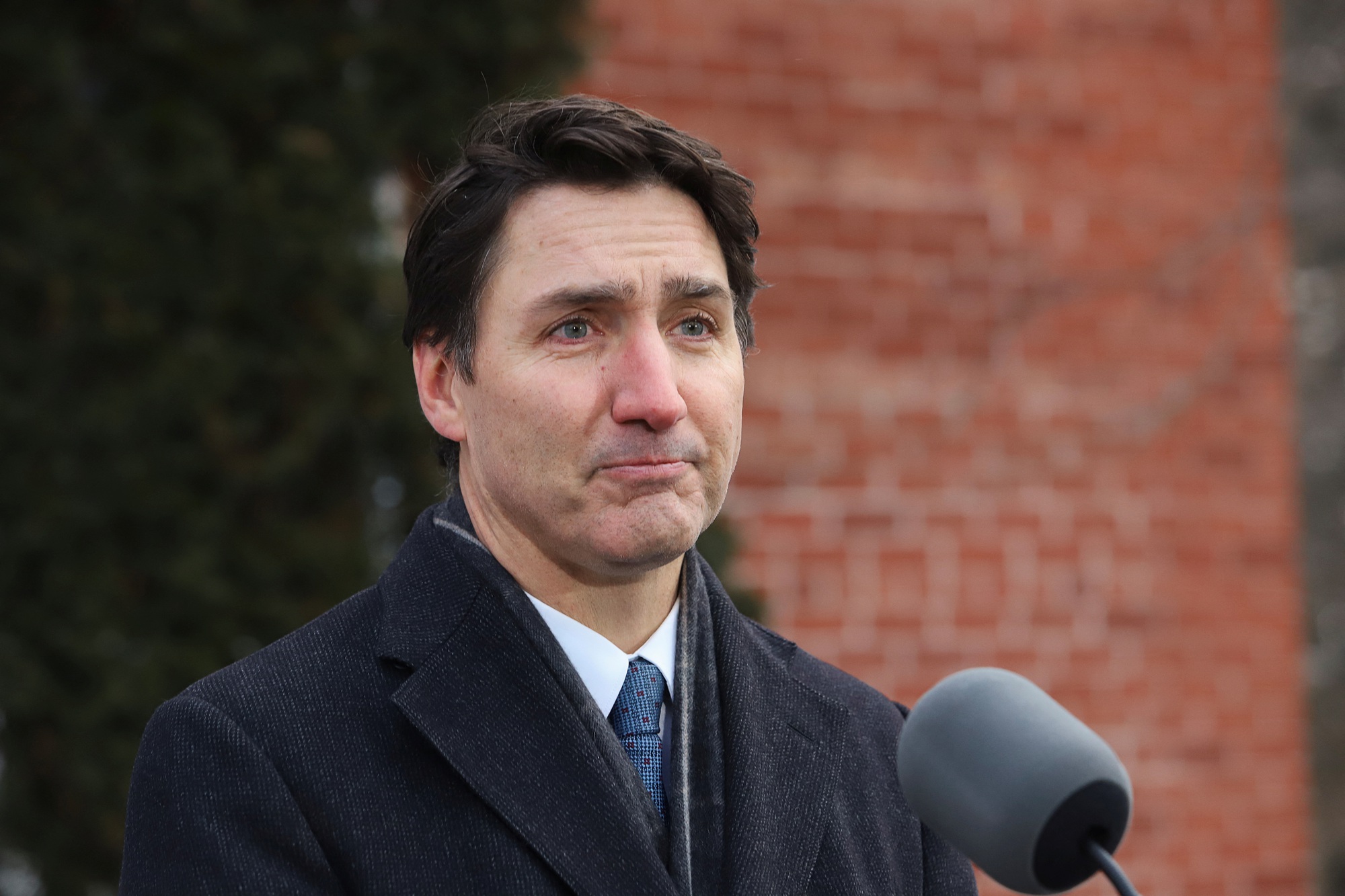
Canadian Prime Minister Justin Trudeau at a press conference on January 6.
Justin Trudeau is one of Canada's most popular prime ministers, elected in 2015 with an overwhelming majority of the Liberal Party in Parliament . As one of the country's youngest leaders, Trudeau quickly became a role model for Canada's progressive values on the international stage. However, his approval ratings have declined over the past two years, as voters have become dissatisfied with soaring housing prices.
Polls indicate that whoever succeeds Trudeau in the ruling Liberal Party is likely to lose to the Conservative Party, led by Pierre Poilievre, in the upcoming election.
Currently, Prime Minister Trudeau's government is facing numerous challenges, including personnel issues and policy implementation. Recently, Canadian Deputy Prime Minister and Finance Minister Chrystia Freeland abruptly resigned on December 16th, just hours before she was scheduled to present the government's fall economic report. Ms. Freeland stated that the underlying reason for her resignation was disagreement over the country's future direction.
Source: https://thanhnien.vn/thu-tuong-canada-thong-bao-tu-chuc-185250106232833885.htm

















































































Comment (0)